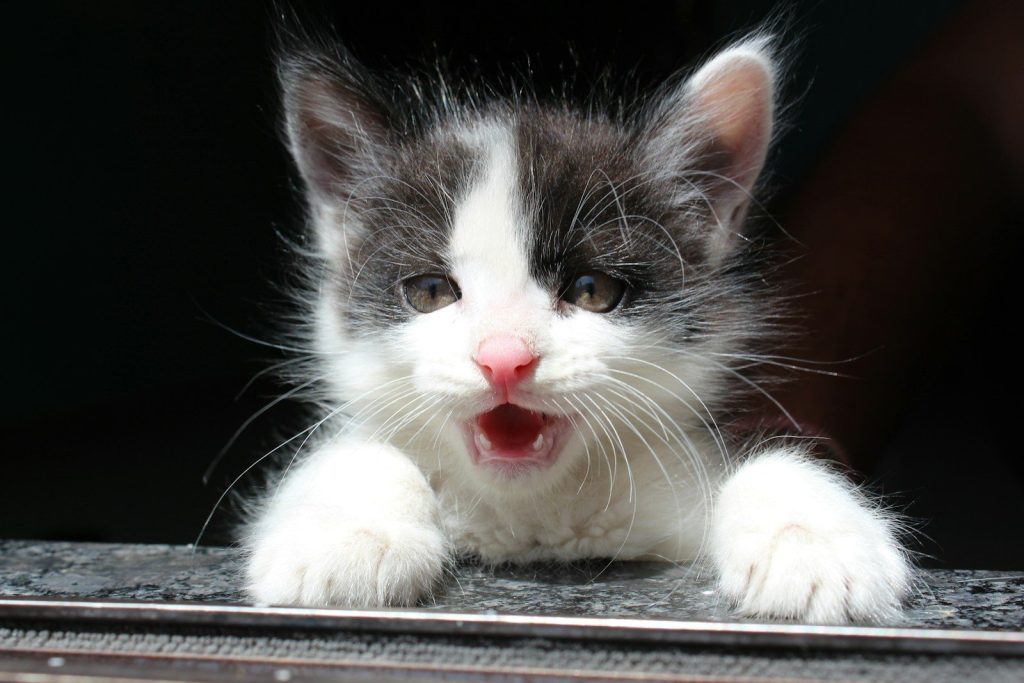

Many cat owners expect their new kittens to let out loud, demanding meows for attention. We assume that a healthy pet should always produce a clear sound.
But some baby cats open their mouths to meow, and absolutely nothing comes out. This adorable silent meow actually has a fascinating scientific explanation.
The Silent Meow Phenomenon
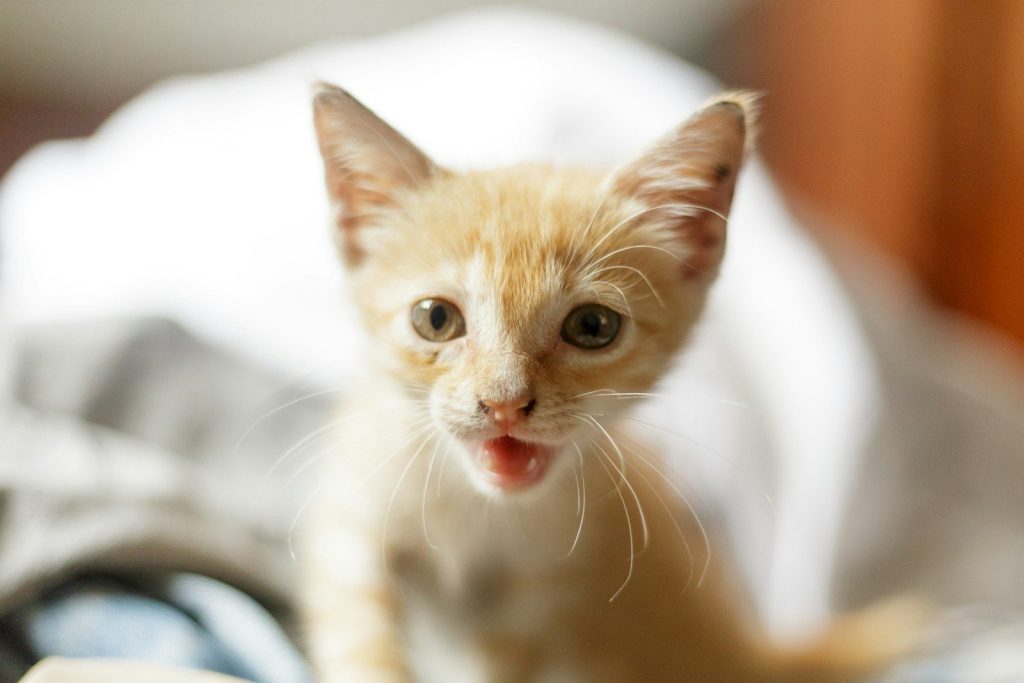
You might sit down to feed your kitten and watch them open their mouth. No sound comes out. This cute silent meow leaves many owners wondering if their pet is mute. However, researchers suggest the kitten is actually vocalizing at a pitch that is too high for us. This sensory barrier has a surprising origin.
Highly Sensitive Feline Hearing
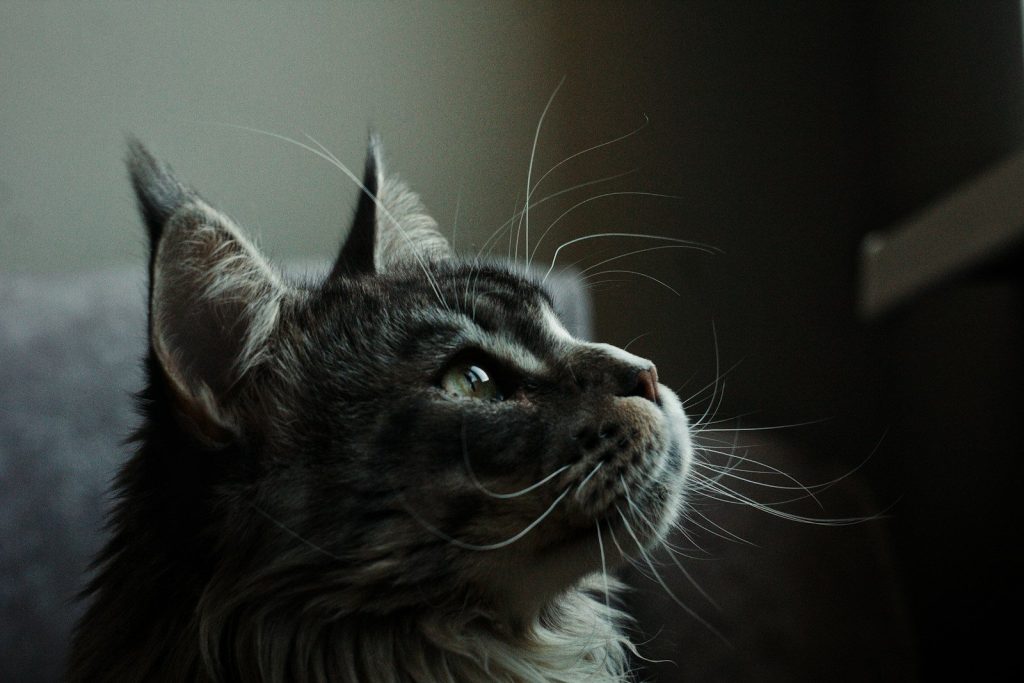
Felines have an incredibly sharp range of hearing that far exceeds our own. They hear everything. According to reports from the Cornell Feline Health Center, cats can detect ultrasonic frequencies used by small rodents in the wild. This sharp hearing helps them communicate quietly without alerting nearby predators. But their vocal muscles also play a major role.
Developing Weak Throat Muscles
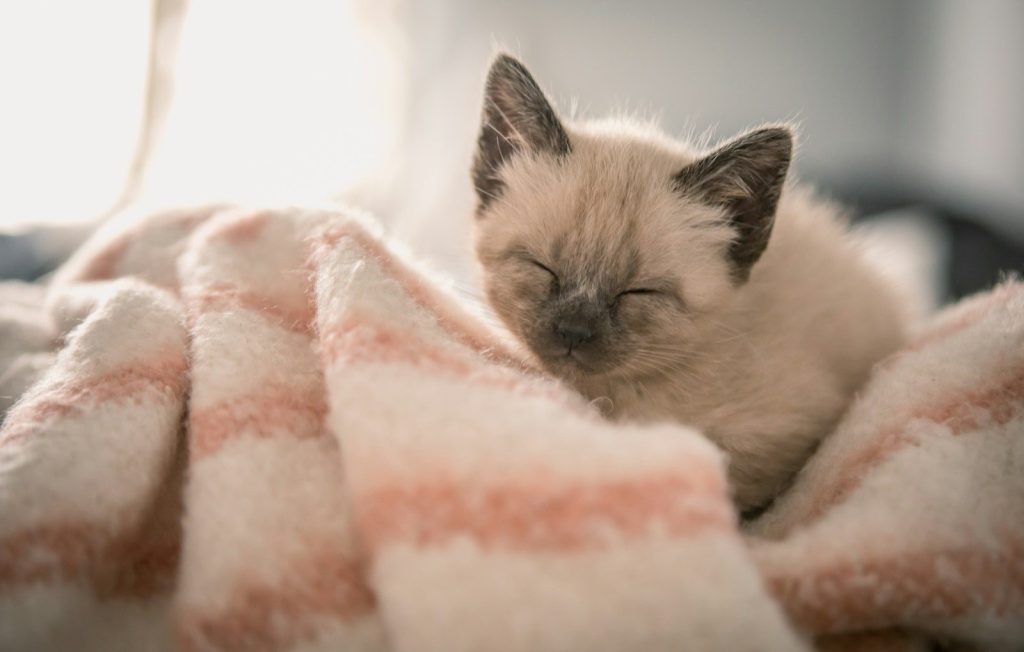
Young kittens have very small, developing vocal cords that cannot produce deep sounds yet. They are still learning. As their throat muscles strengthen, their meows will gradually become louder and more distinct. This physical growth takes time, but their early communication with their mother is already highly active. This early vocal training starts in the nest.
Secret Mother Cat Conversations
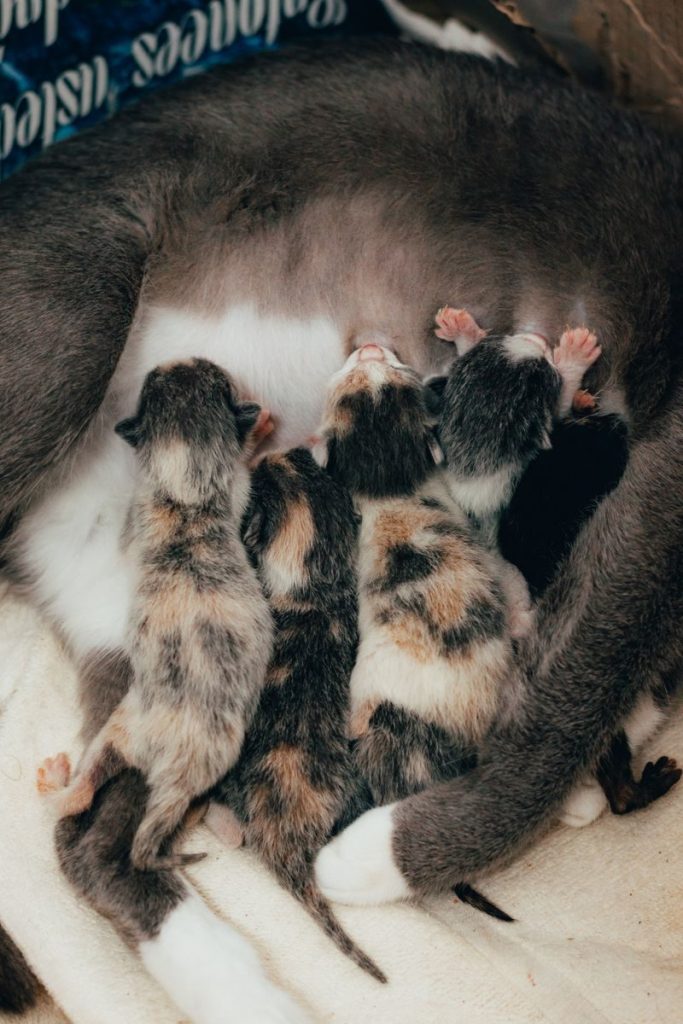
In the wild, mother cats use quiet chirps and silent meows to guide their kittens. It is a secret language. These quiet frequencies allow the family to stay connected without drawing the attention of dangerous predators. This ancient instinct remains active in your living room today. But sometimes, a weak voice can warn of health issues.
Watching For Respiratory Infections
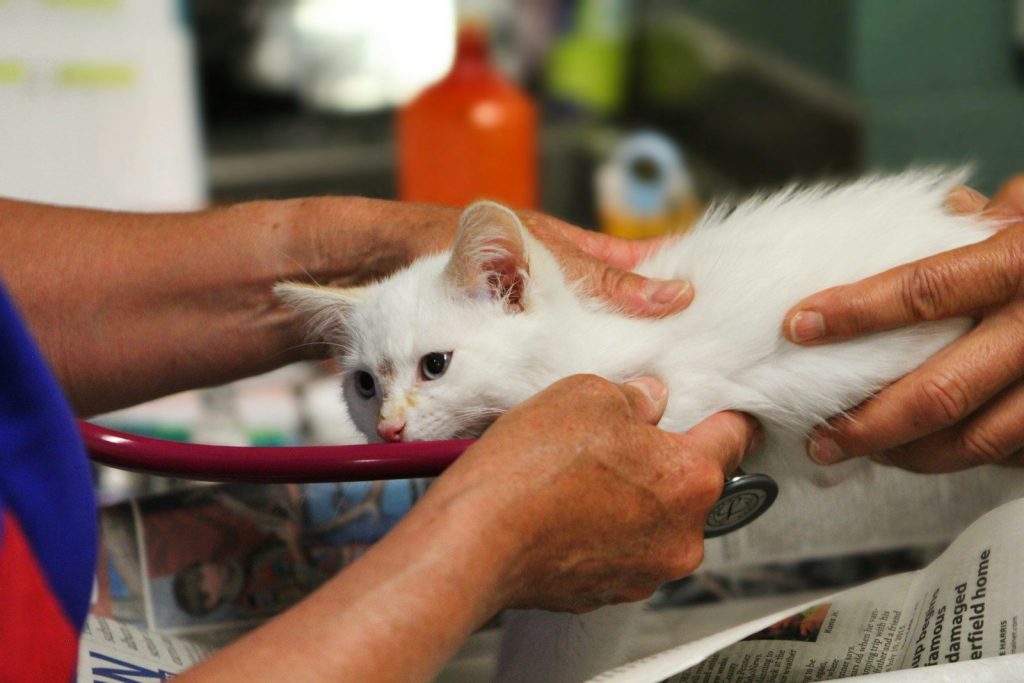
A sudden loss of voice in a young pet can sometimes indicate a medical problem. This is critical. According to the American Veterinary Medical Association, respiratory infections are highly common in shelter rescues. If your kitten shows watery eyes or nasal discharge, seek professional advice immediately. But there is another physical hazard to check.
Ruling Out Throat Obstructions
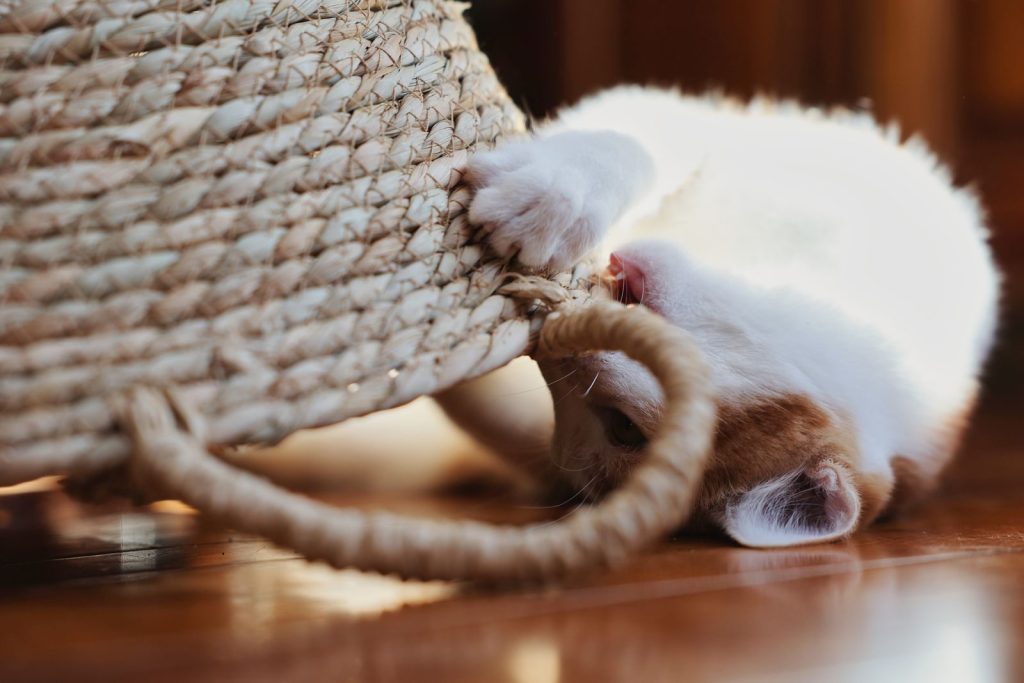
Curious kittens love to chew on small objects like string or loose threads. They swallow them easily. A tiny object can get caught in their throat, making vocalization painful or completely impossible. If you suspect your cat has swallowed something, rush to a clinic. Fortunately, most silent meows are simply normal behavior.
Supporting Their Voice Safely
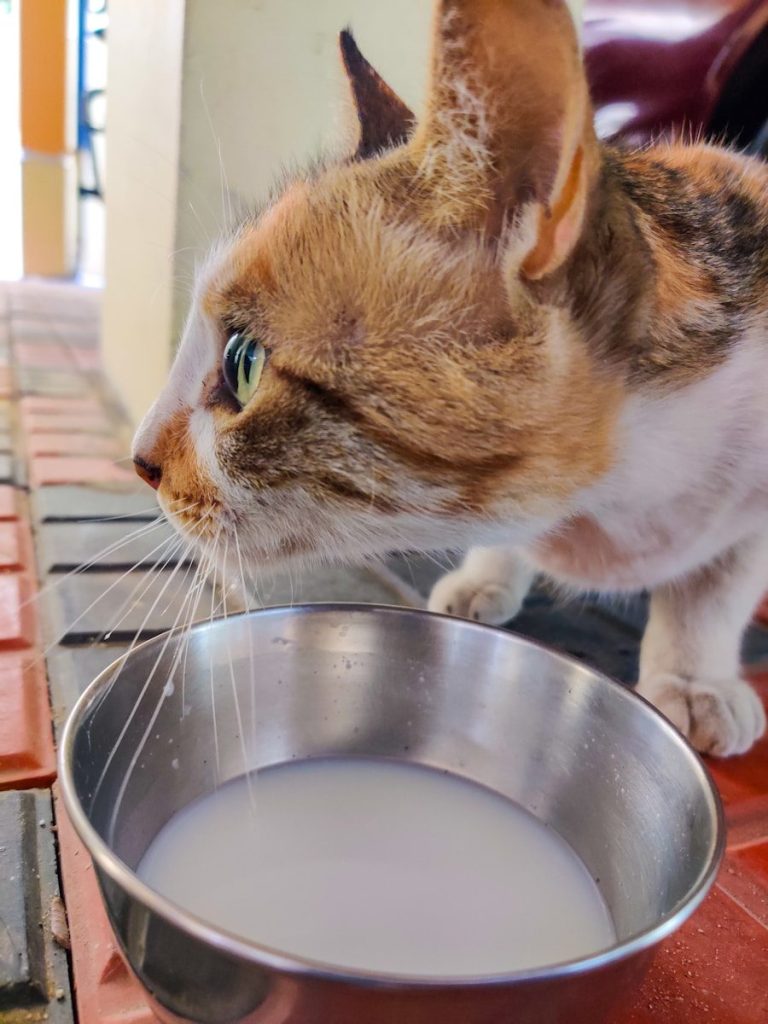
To help your kitten grow strong, provide a warm, stress-free environment and high-quality nutrition. Hydration is vital. According to pediatric veterinary guidelines, fresh water keeps their vocal cords lubricated and healthy. This daily care ensures their voice develops normally over time. You will soon hear a wonderful change in their daily communication.
A Lifetime Of Conversation
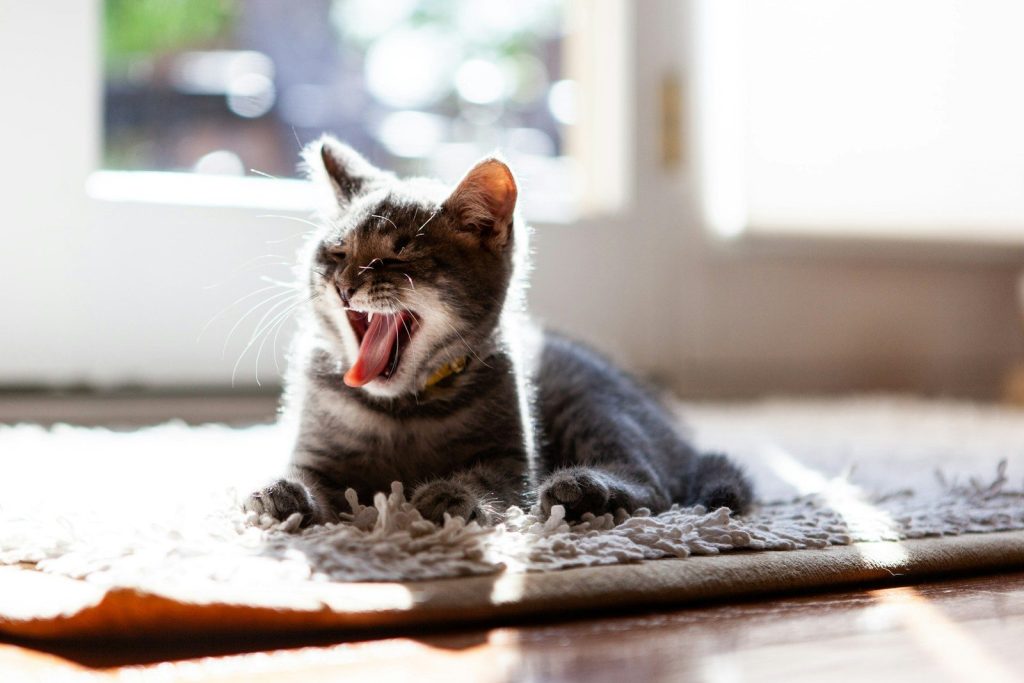
With proper care and patient training, your kitten’s quiet squeaks will eventually turn into warm, loud meows. You will enjoy a lifetime of sweet conversations together. This article is for informational purposes only and does not constitute veterinary advice. Keep your pet happy and healthy.
Featured Image: Photo by Sourabh Thorat on Unsplash