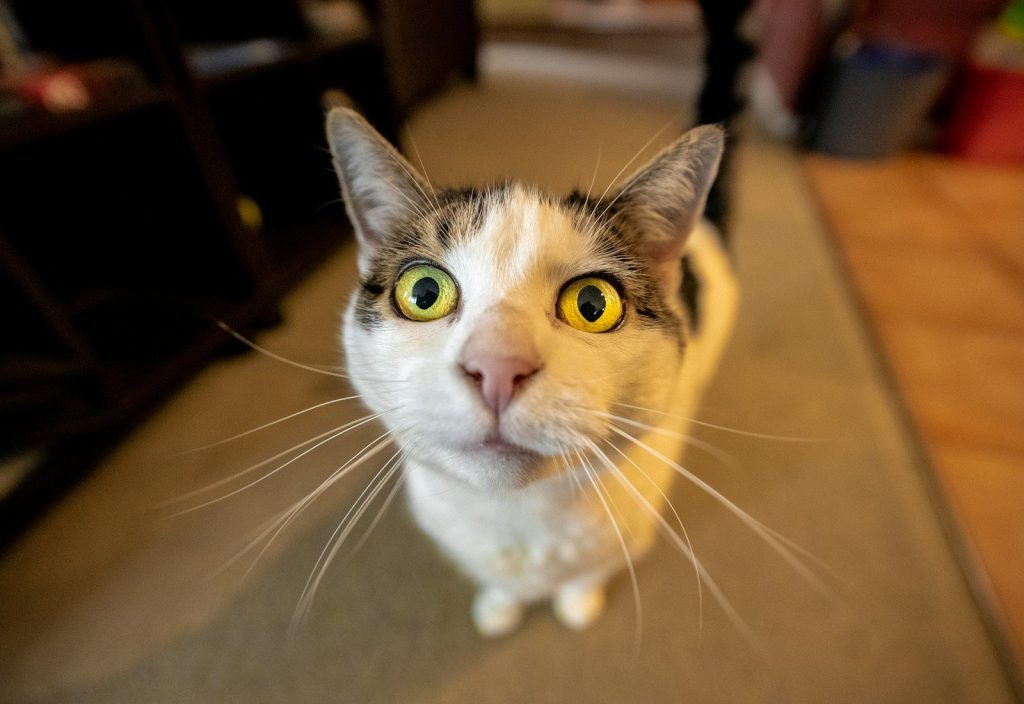

Many owners assume that confident indoor felines are completely fearless in their home territory. We believe that our pets are relaxed and comfortable in their surroundings.
But a sudden loud noise can send even the bravest cat scurrying under the bed. This rapid flight response is actually driven by a highly sensitive nervous system.
The Sudden Living Room Dash
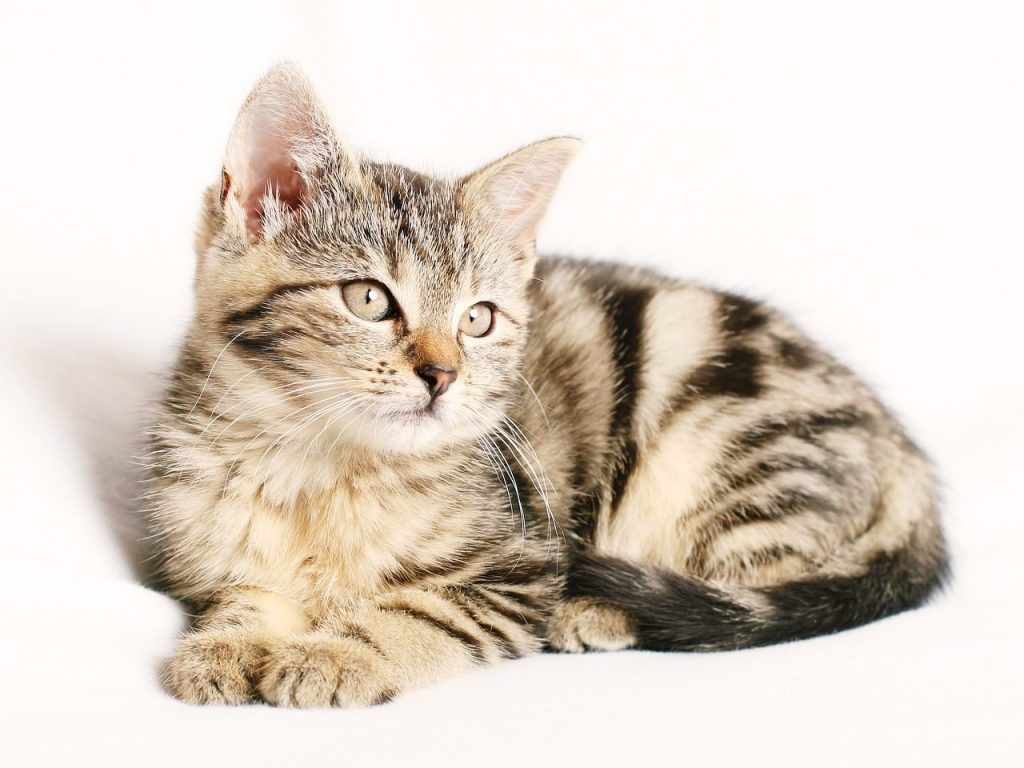
A viral video shows a tabby cat leaping high into the air after a balloon popped. The cat bolted. He ran straight for the closet, refusing to come out for hours. According to reports from the viral animal platform, this extreme reaction is a common sight for pet owners. But behind the humor lies a very real survival instinct.
Highly Sensitive Feline Hearing
Felines hear high-pitched frequencies that are completely silent to the human ear. Their hearing is incredible. According to reports from the Cornell Feline Health Center, a cat’s ears can rotate independently to pinpoint sounds. This acute hearing makes sudden mechanical noises feel deafening and terrifying to them. This sensory overload triggers a rapid flight response.
The Primal Fight Or Flight
In the wild, a sudden sound usually signals a large predator approaching the nest. They must escape. According to the American Veterinary Medical Association, this flight instinct is vital for feline survival. They do not pause to evaluate the noise. They run first to stay safe. Fortunately, you can easily help them relax.
Desensitizing Your Pet Safely
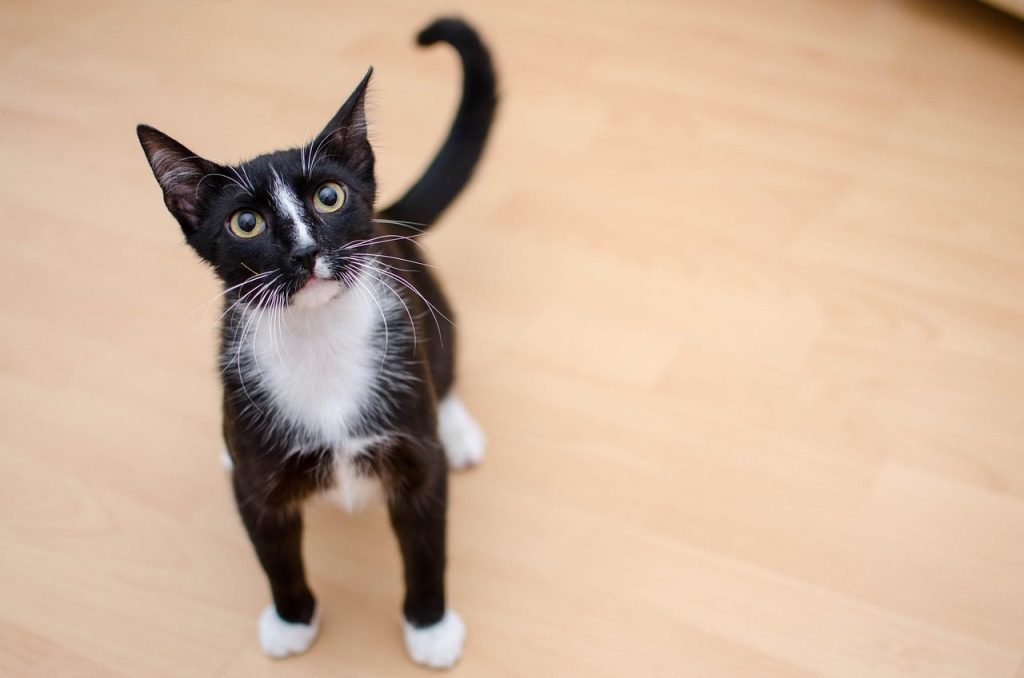
You can easily train your scared cat to tolerate loud noises using positive reinforcement. Start very slowly. Play quiet vacuum sounds while offering their favorite delicious wet treats on the rug. According to reports from the Humane Society, this positive association helps them realize the noise is harmless. This consistent practice builds their confidence.
Providing Safe Hiding Spots
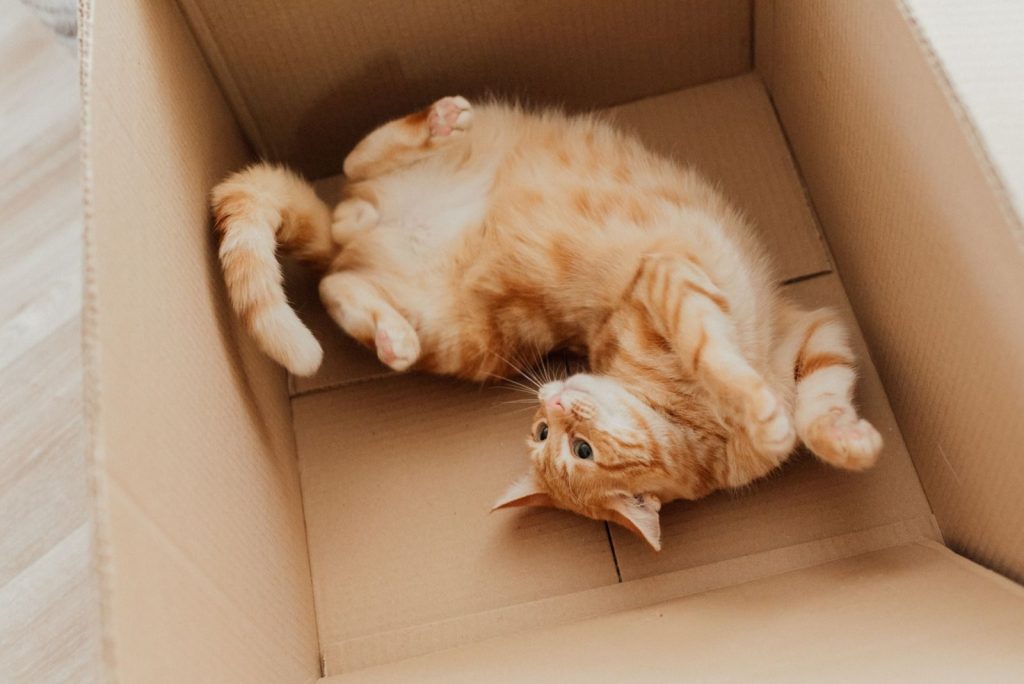
Ensure your cat has access to plenty of secure, covered hiding spots around the house. They love boxes. According to reports from pet safety guides, placing a cozy dome bed in a quiet bedroom corner offers a safe sanctuary during storms. This secure boundary reduces their immediate anxiety levels. But you must never force them out.
Respecting Their Personal Space
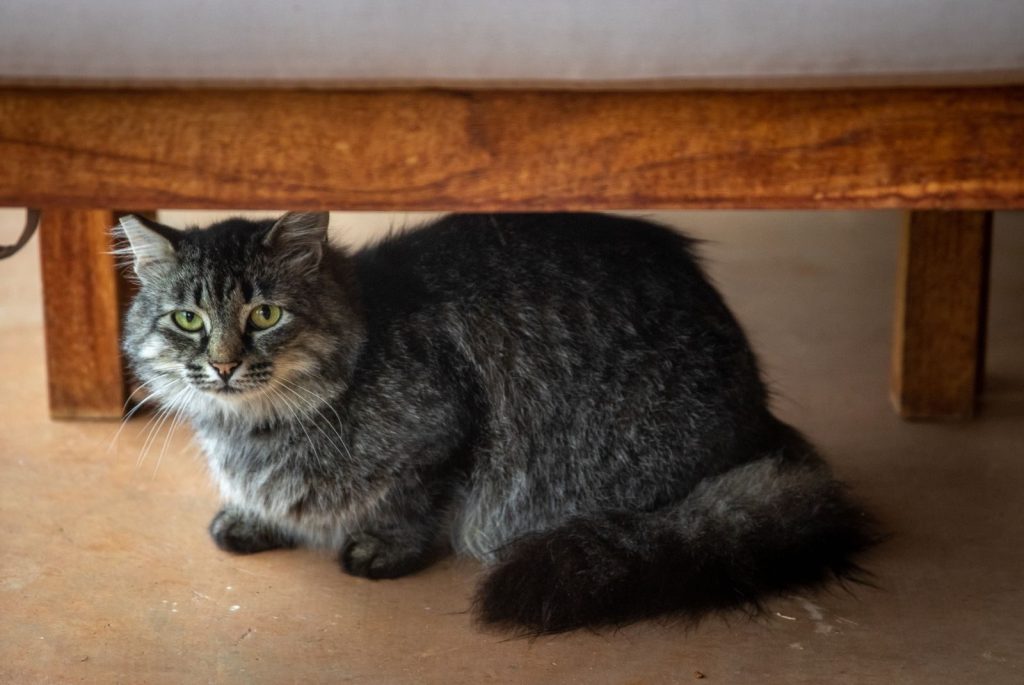
Dragging a terrified cat out of a closet will only worsen their fear and ruin trust. Let them emerge. Speak to them in a soft, soothing voice and offer a treat nearby. According to veterinary behaviorists, this patient approach supports anxious felines beautifully. There is one final check to make tonight.
A Calm, Predictable Home
Being patient with your training is the ultimate key to a happy and relaxed companion. Your pet will succeed. This article is for informational purposes only and does not constitute veterinary advice.
Featured Image: Photo by Tom Morales on Unsplash