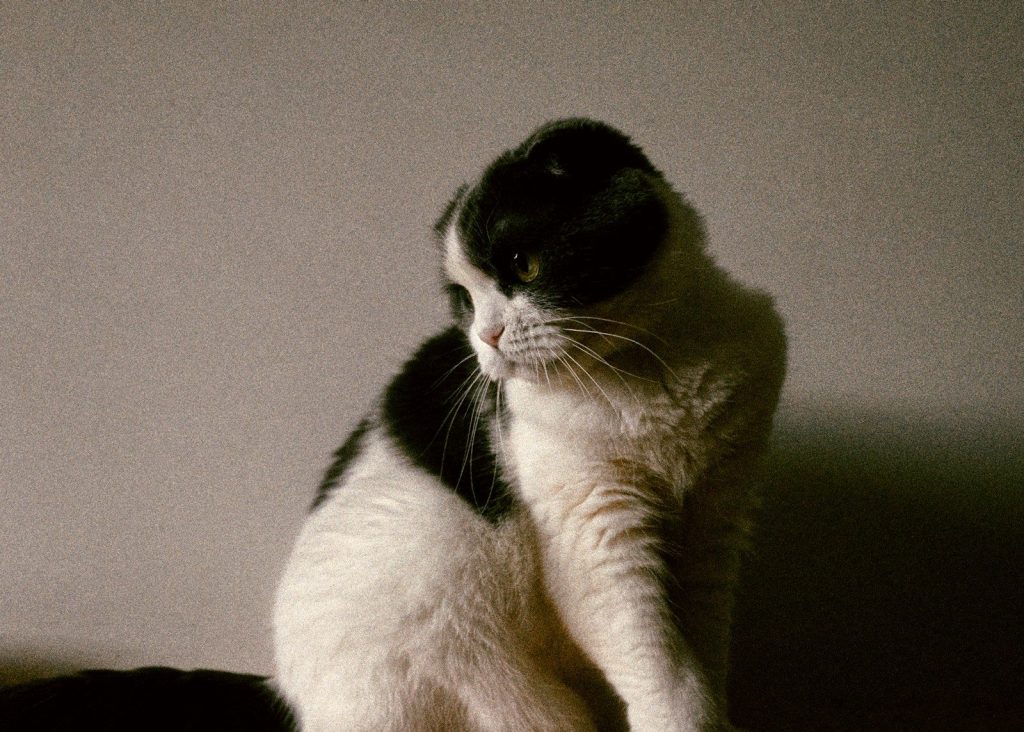

Many owners dream of cuddling their soft feline companions after a long work day. They expect warm purrs and sweet rubs.
But what happens when your peaceful pet suddenly runs away or swats at your hand? Understanding this sudden change in behavior can save your relationship.
Setting Physical Boundaries
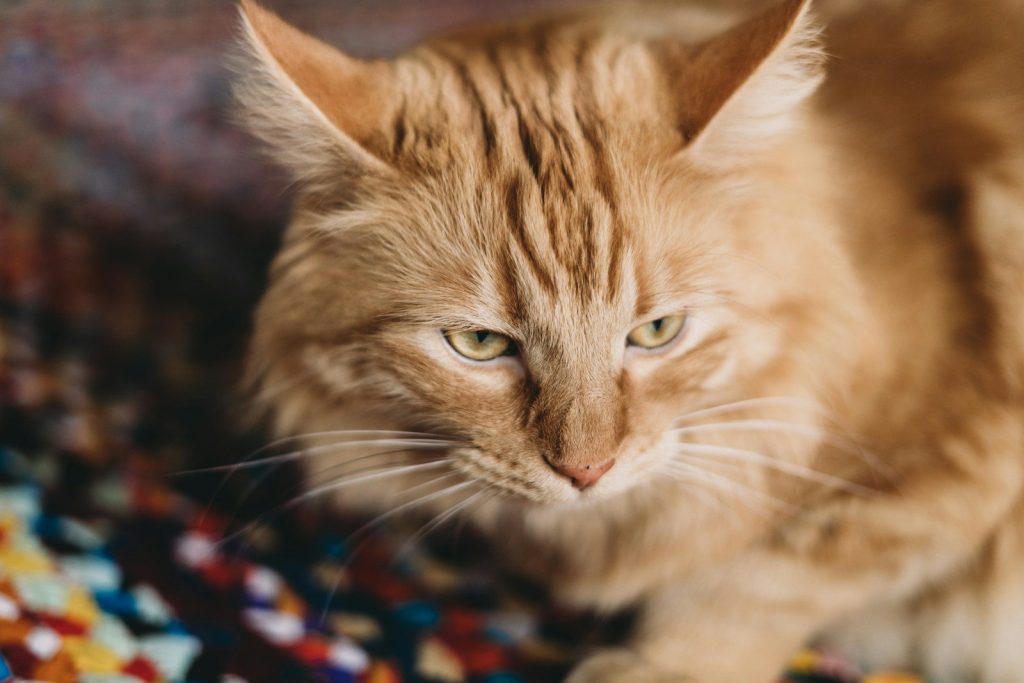
Felines have highly sensitive nervous systems that can easily become overloaded during petting sessions. They get overstimulated. According to reports from the Cornell Feline Health Center, this sensory overload can turn pleasant rubs into a stressful experience. Your pet will show subtle warning signs before they react with a swipe. One specific area of their body is especially sensitive to human touch.
The Forbidden Belly Trap
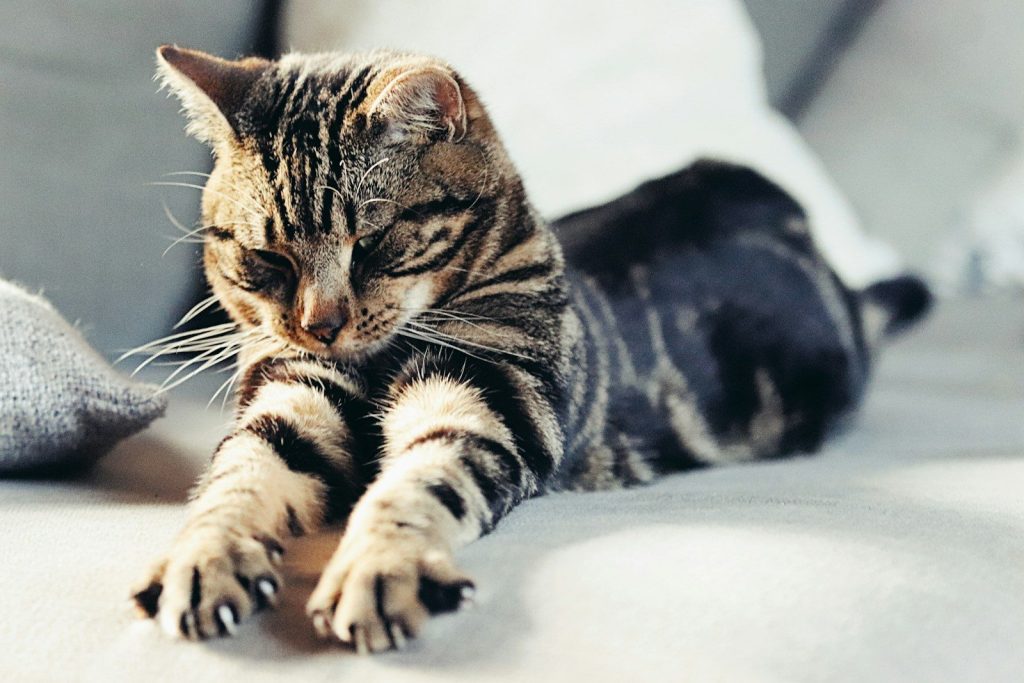
Many owners mistake an exposed belly as an invitation for a warm rub. This is a trap. The stomach is a highly vulnerable area containing vital organs. Touching it triggers wild defense instincts, causing them to grab your hand. They prefer scratches in much safer spots. There is a precise region where felines actually love to be groomed.
Targeting The Scent Glands
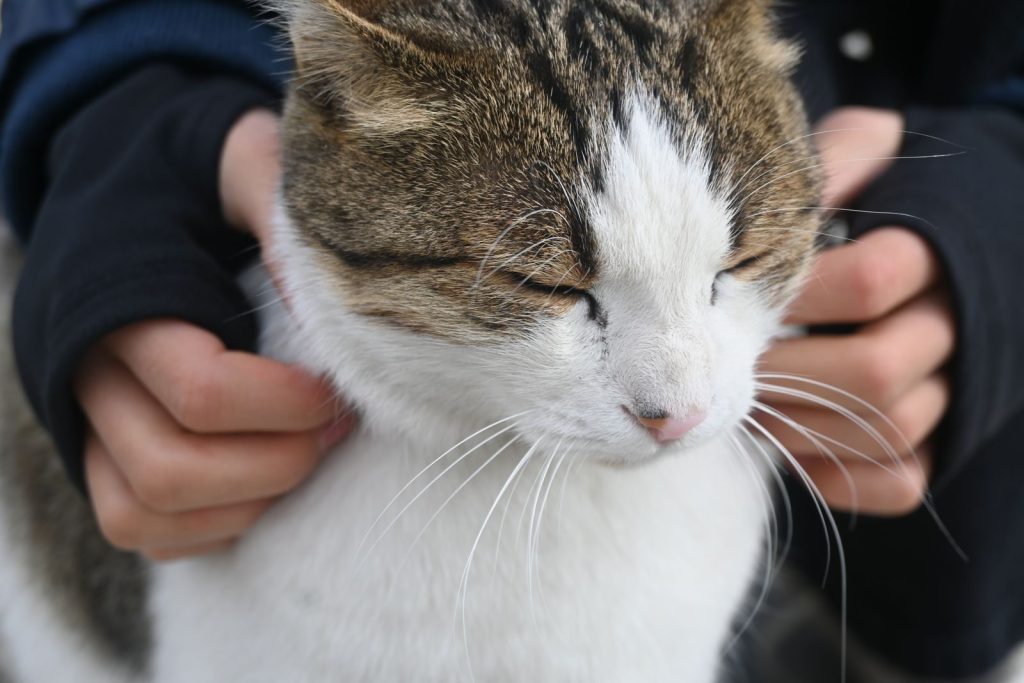
Cats love being scratched around their cheeks, chin, and ears because they have active scent glands there. It feels calming. Rubbing these spots allows them to deposit pheromones and mark you as family. Avoid touching their tail or back legs, which often causes immediate discomfort. Your pet will use silent body language to tell you when they want to be left alone.
Reading Silent Warning Signs
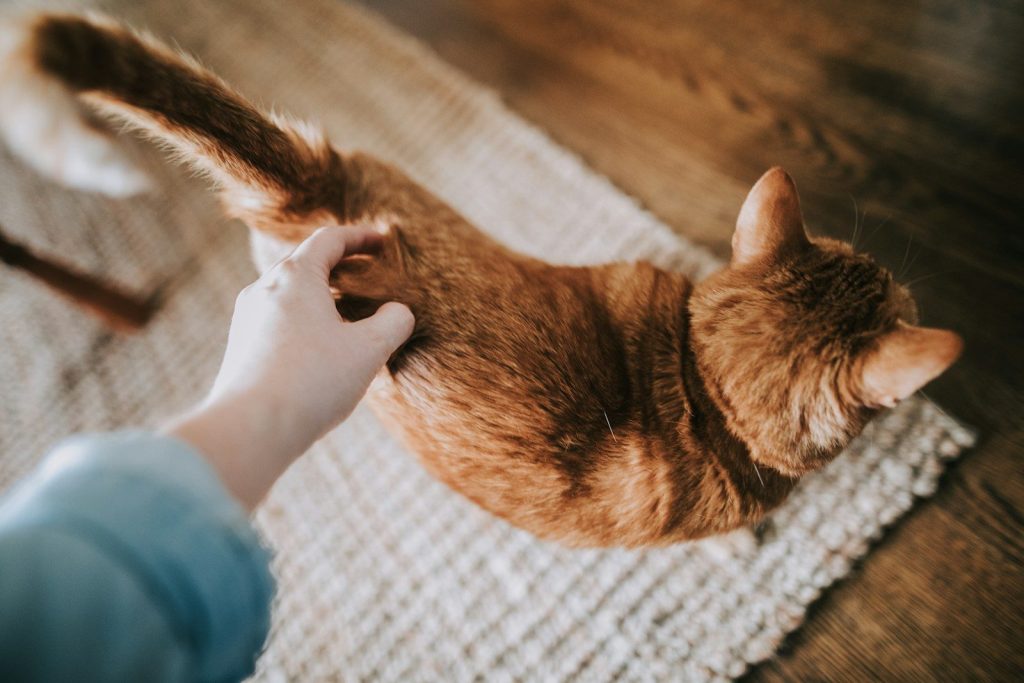
Watch your pet’s tail for any twitching or heavy thumping against the floor. This is critical. Flattened ears and dilated pupils also indicate growing frustration. If they freeze or growl softly, stop petting them immediately. According to the American Veterinary Medical Association, respecting these signals builds deep trust. But a sudden shift in behavior can sometimes warn of a much bigger problem.
Ruling Out Physical Pain
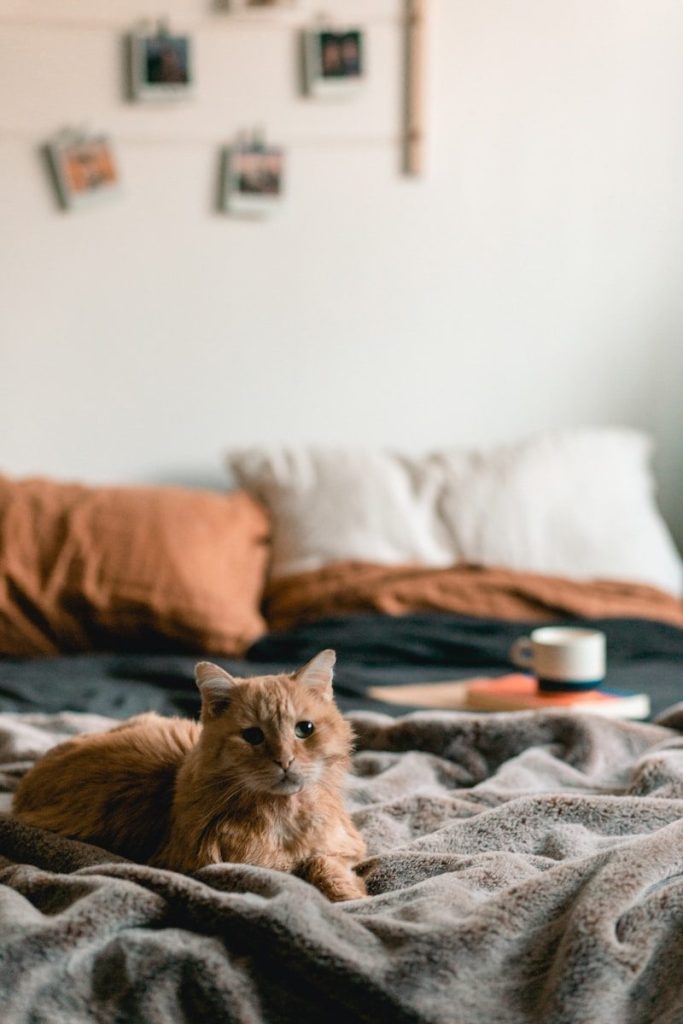
If your highly social cat suddenly hates touch, they might be hiding a painful injury or illness. They suffer silently. Underlying conditions like arthritis can make even gentle rubs highly painful. Schedule a quick wellness checkup with your family clinic to rule out medical issues. Once you ensure they are healthy, you can start building their trust using a simple technique.
Training With Gentle Rewards
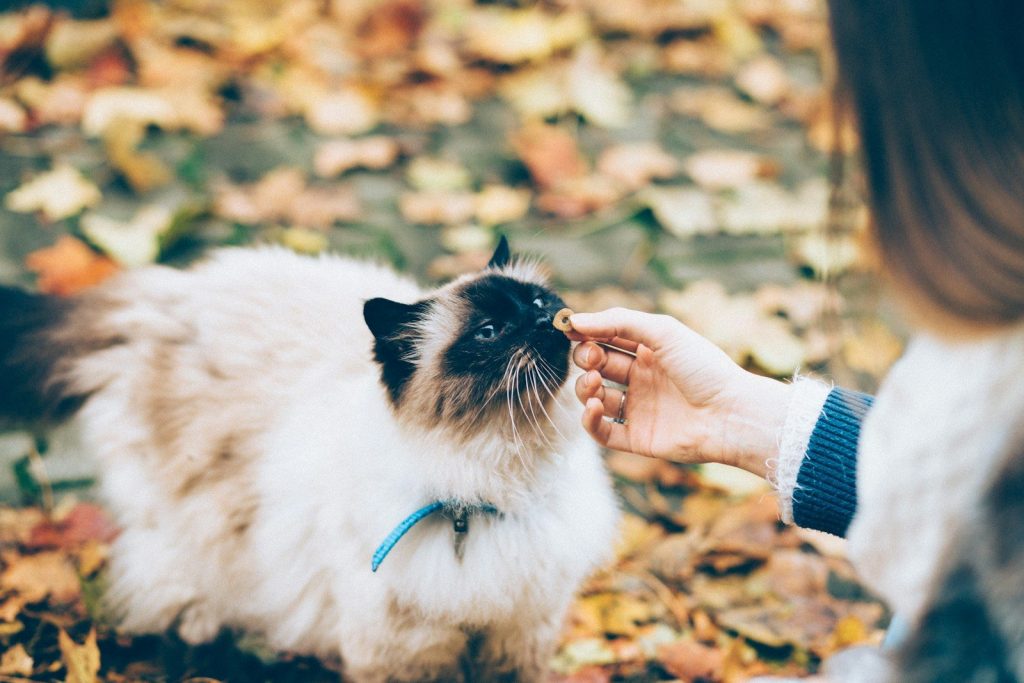
You can easily train your pet to enjoy cuddles using positive reinforcement methods. Keep touch sessions short and offer high-value treats afterward. Let your cat initiate the contact, allowing them to sniff your hand first. According to the Humane Society, this patient approach turns fearful felines into loving lap pets. There is one final rule to keep in mind to maintain your bond.
Respecting Feline Independence
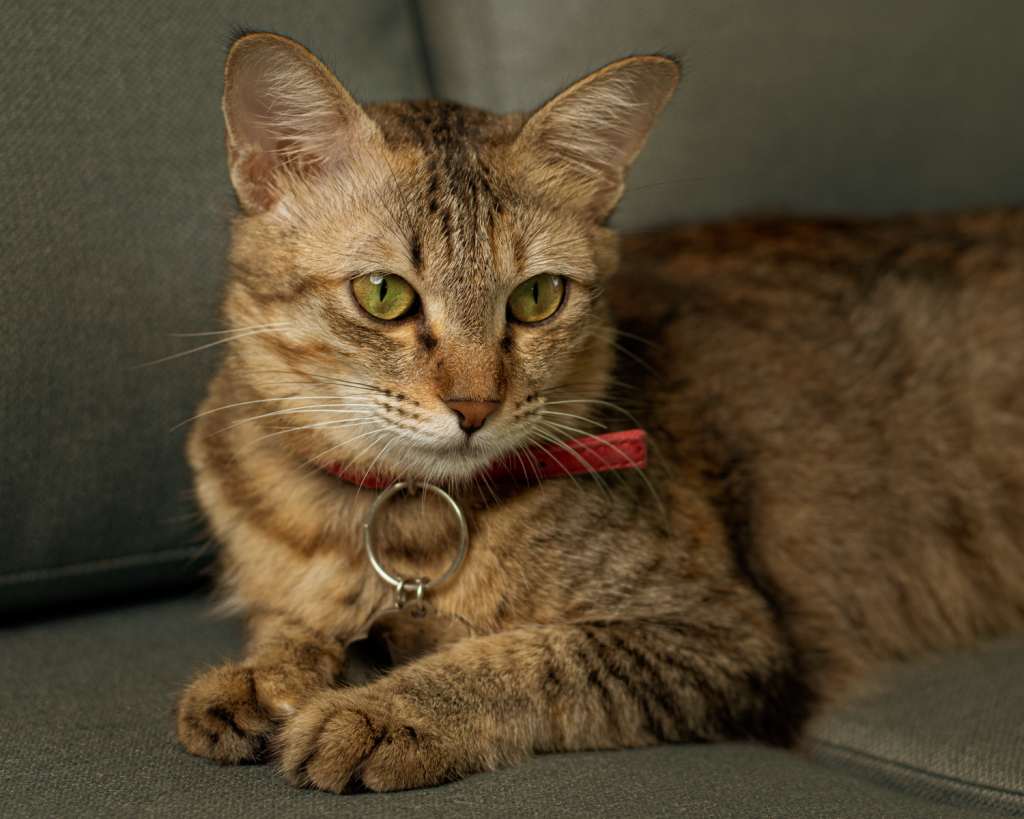
Every pet has a unique personality and different comfort levels with physical affection. Respect their choices. Giving your cat space ensures they feel secure and loved in their home. This article is for informational purposes only and does not constitute veterinary advice.