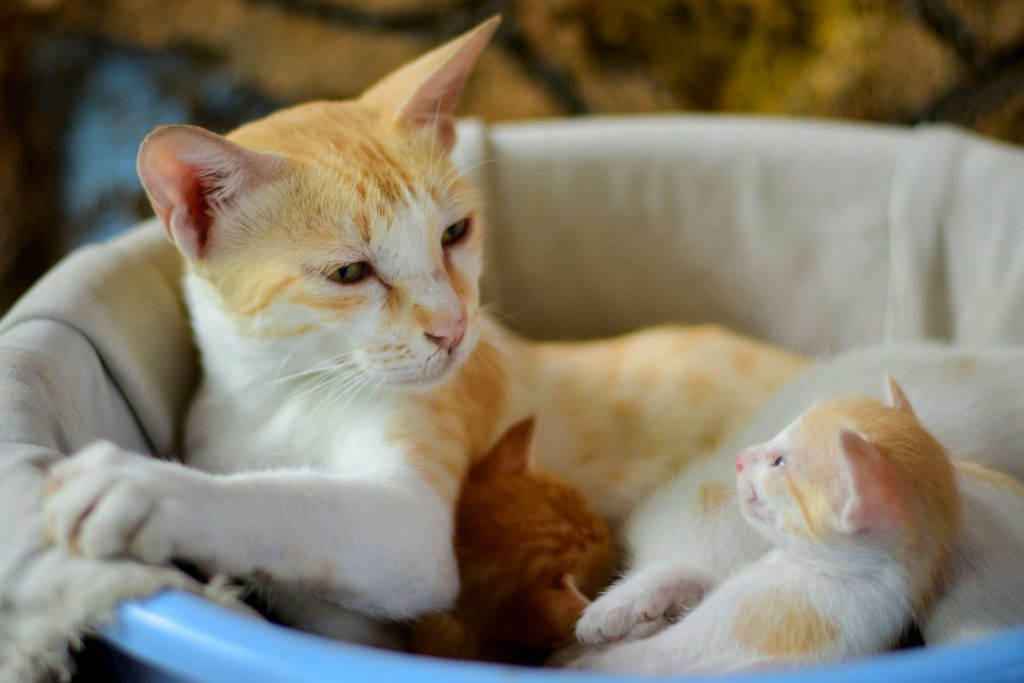

Finding your newborn kittens relocated to a dresser drawer can be incredibly shocking. You might worry about their physical safety.
But animal behaviorists suggest this bizarre move is actually driven by deep-seated wild instincts. Why does a mother cat select such an odd nursery?
The Search For Ultimate Nest Safety
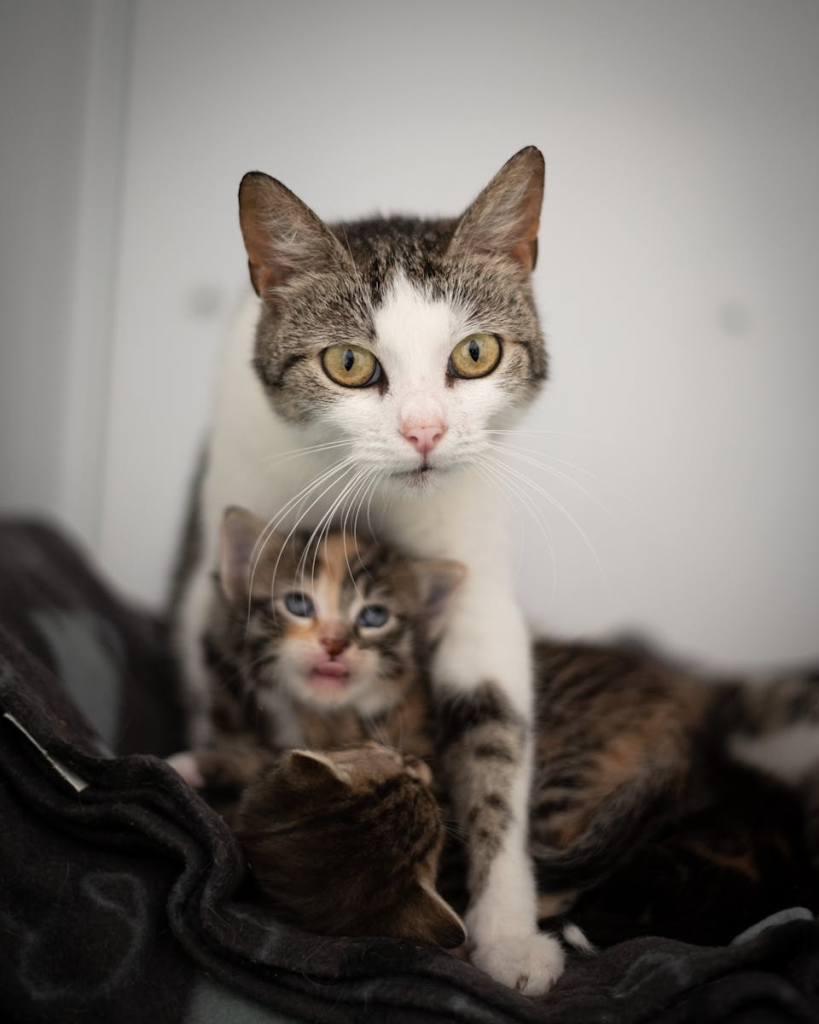
Mother cats seek dark and enclosed spaces to protect their vulnerable babies from potential predators. In the wild, open areas invite extreme danger. A dresser drawer mimics a safe underground burrow perfectly. This protective drive kicks in shortly after birth, prompting a sudden relocation. But choosing a drawer is not just about hiding from predators.
Keeping The Vulnerable Babies Warm
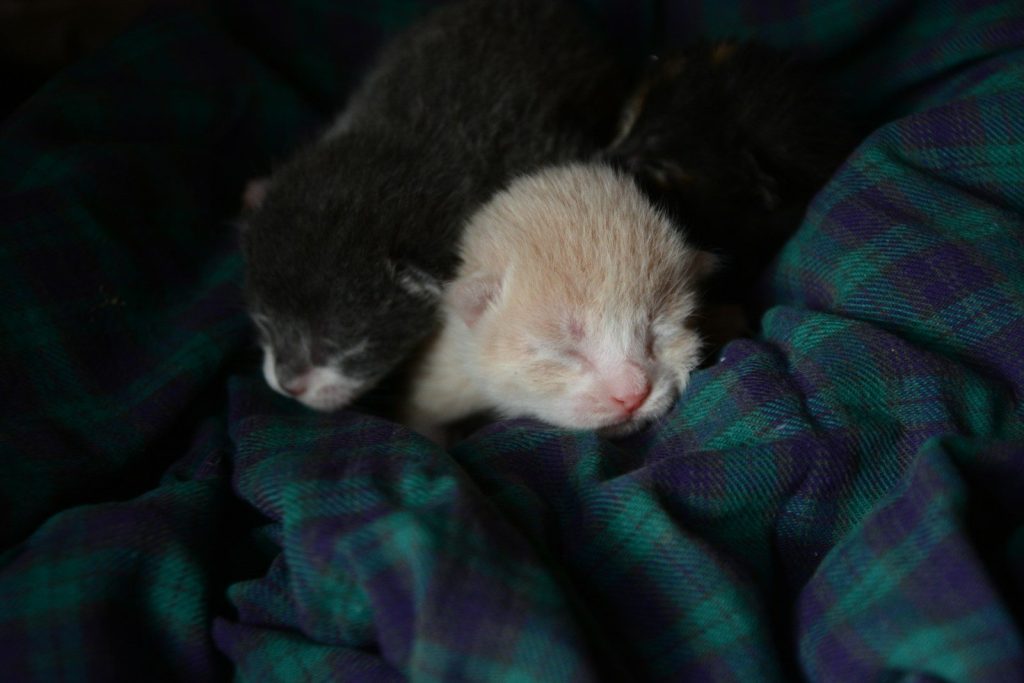
Newborn kittens cannot regulate their own body heat for the first three weeks of life. They easily freeze. A small, enclosed drawer traps warm air and holds the mother’s body heat beautifully. This snug setup ensures the family stays warm throughout chilly nights. However, mother cats also move their litters to escape a different household threat.
Seeking Shelter From Quiet Noise
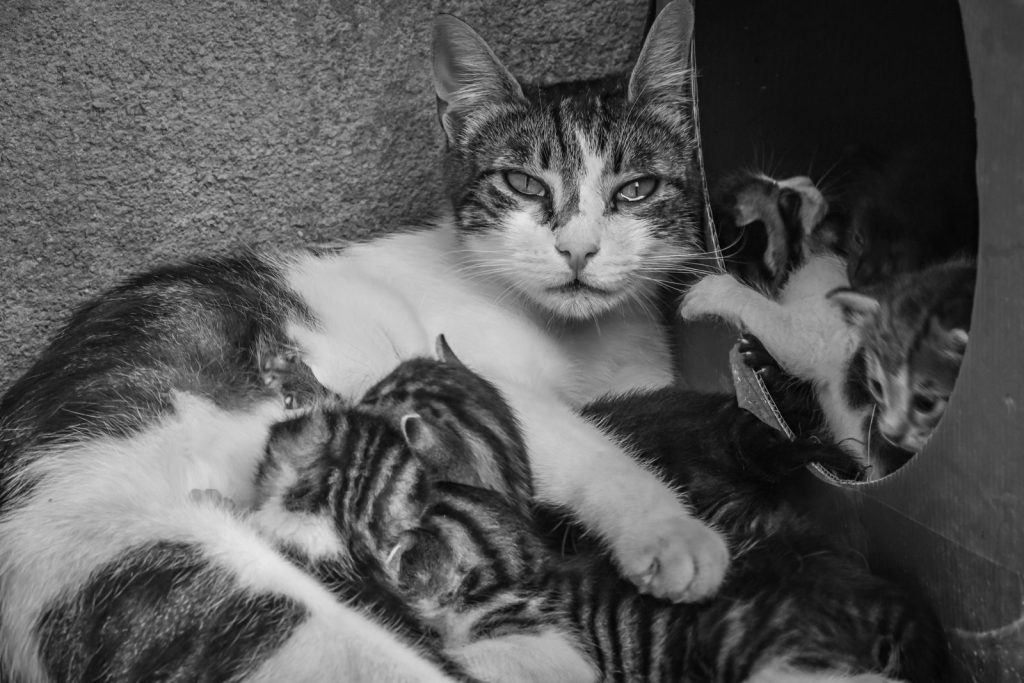
A busy living room can feel highly stressful for a nursing mother animal. She craves silence. Loud televisions, heavy footsteps, and talkative guests can easily trigger her anxiety. Relocating to a quiet closet drawer offers the peaceful sanctuary she needs to nurse in comfort. Yet, she might move them even if the house is completely quiet.
Preventing Scent Trails From Building
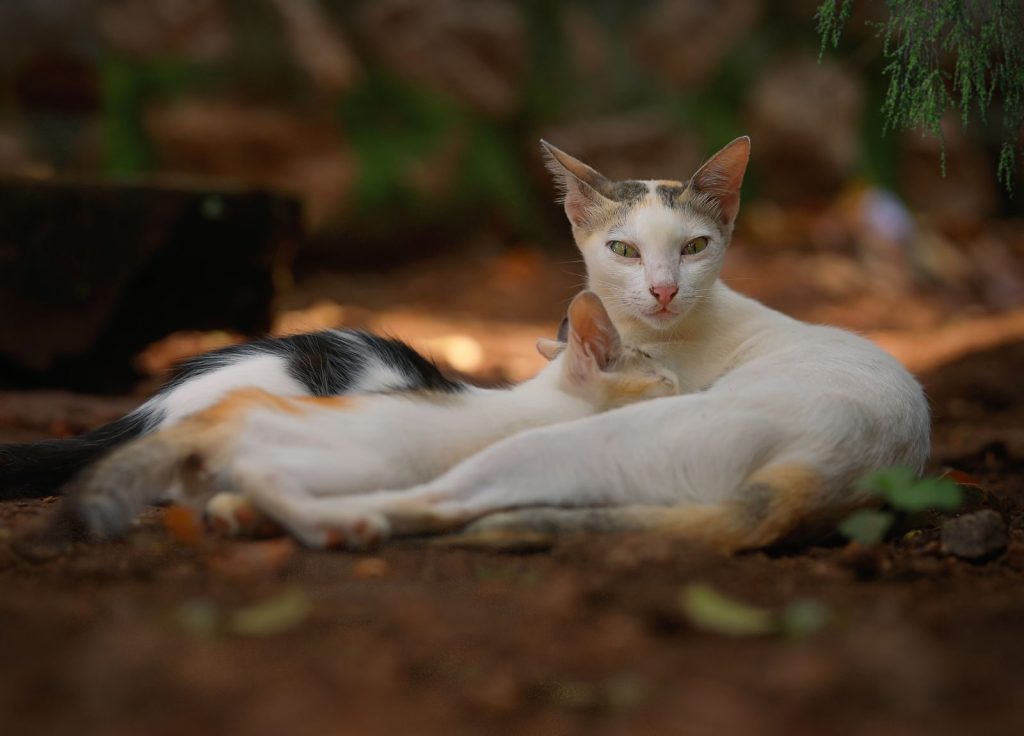
In nature, staying in one nesting spot for too long can leave a distinct scent trail. Predators track these odors. According to reports from the Cornell Feline Health Center, moving felines often rotate nest sites to keep their location a secret. This natural behavior keeps the kittens safe from trackers. But there is a very specific way you should react to these sudden moves.
Staying Calm During The Move
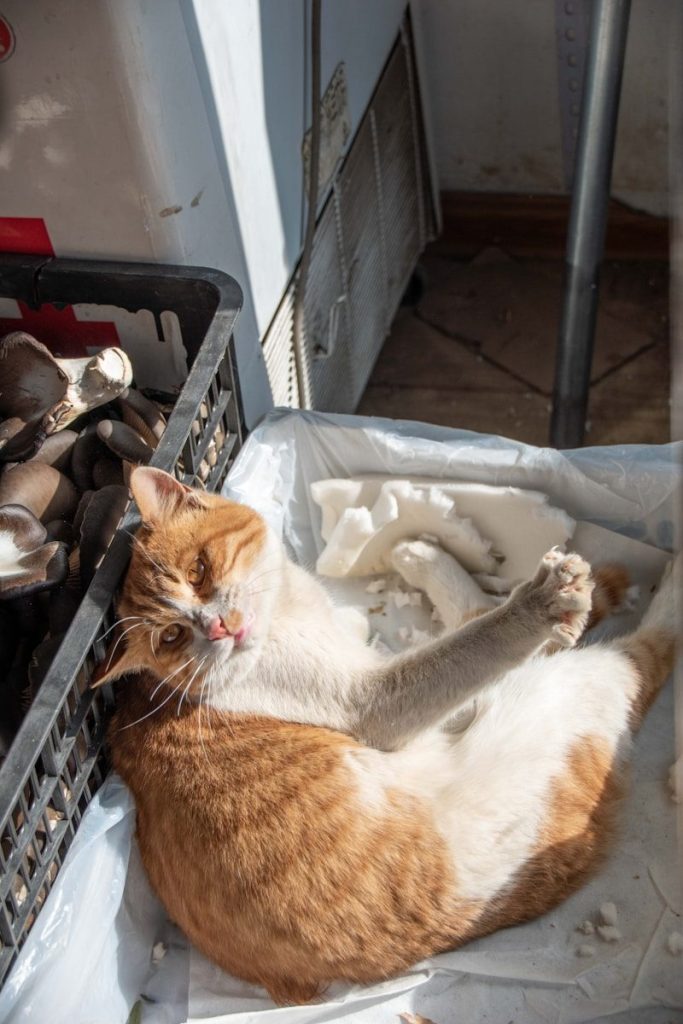
Do not panic or immediately block access to the new drawer. Your stress can easily agitate the mother, causing her to seek even more dangerous hiding spots. Instead, ensure the drawer is completely safe and free from heavy items that could slide. Keep a close eye on her routine. But you must also watch out for one critical nesting danger.
Creating A Safe Ground Nest
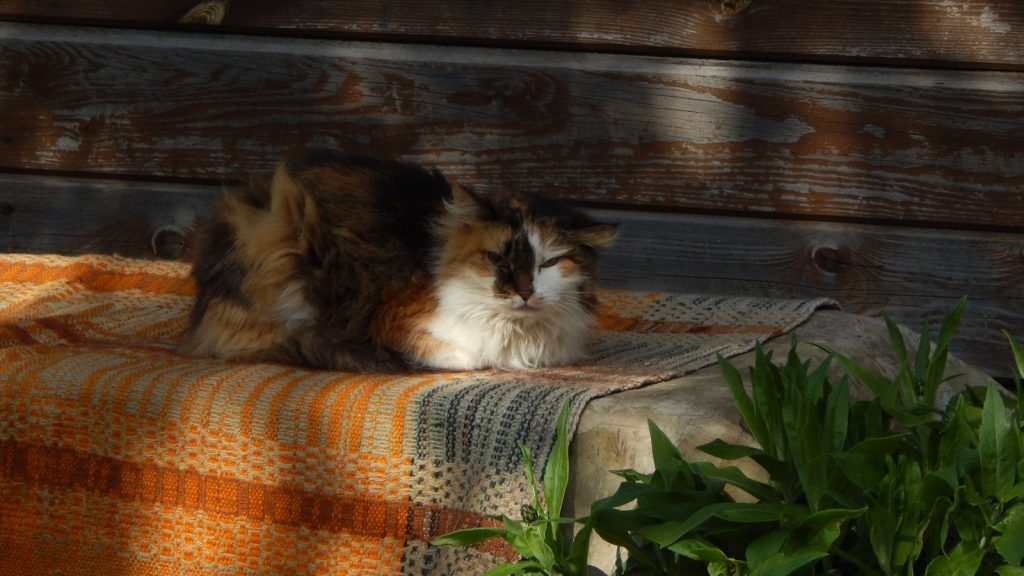
According to the American Veterinary Medical Association, high nesting spots pose a real fall risk for active babies. This is dangerous. If she chooses a top dresser drawer, gently set up a cozy covered box on the floor nearby. Line it with soft, familiar blankets to entice her downward. This simple switch ensures the babies stay perfectly safe as they grow.
Embracing Her Maternal Wisdom
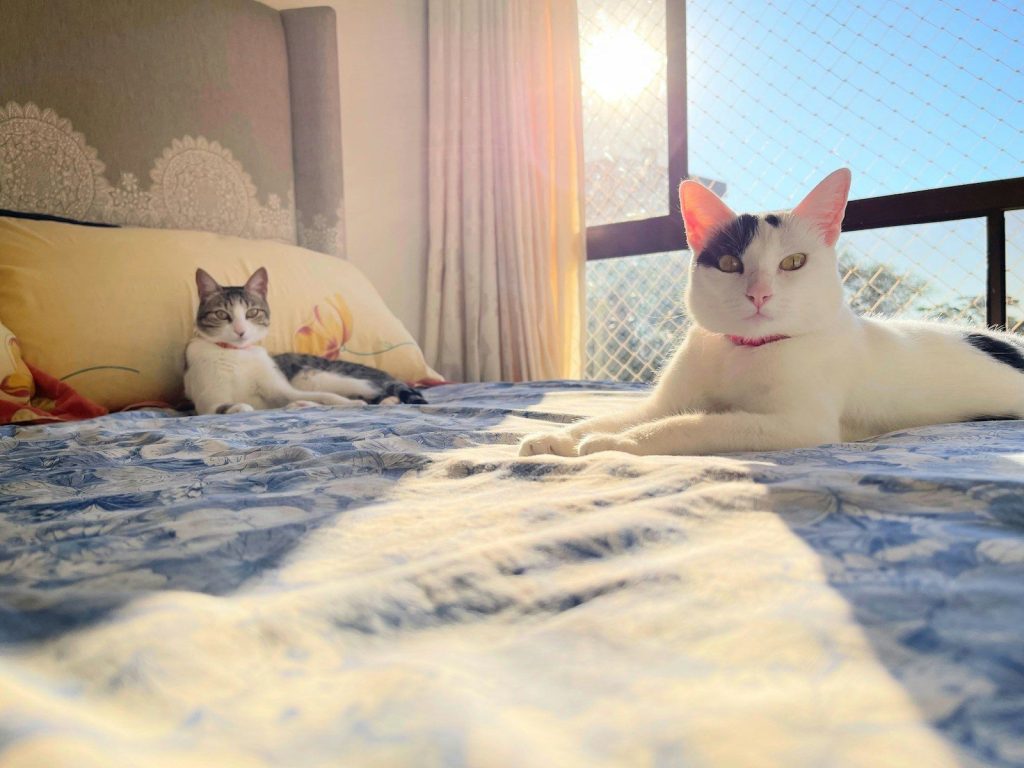
Trusting your pet’s maternal instincts is the best way to help her raise a healthy family. She knows best. This article is for informational purposes only and does not constitute veterinary advice. Keep her quiet, feed her high-quality meals, and enjoy watching her raise her beautiful babies.
Featured Image: Photo by Prasad Panchakshari on Unsplash