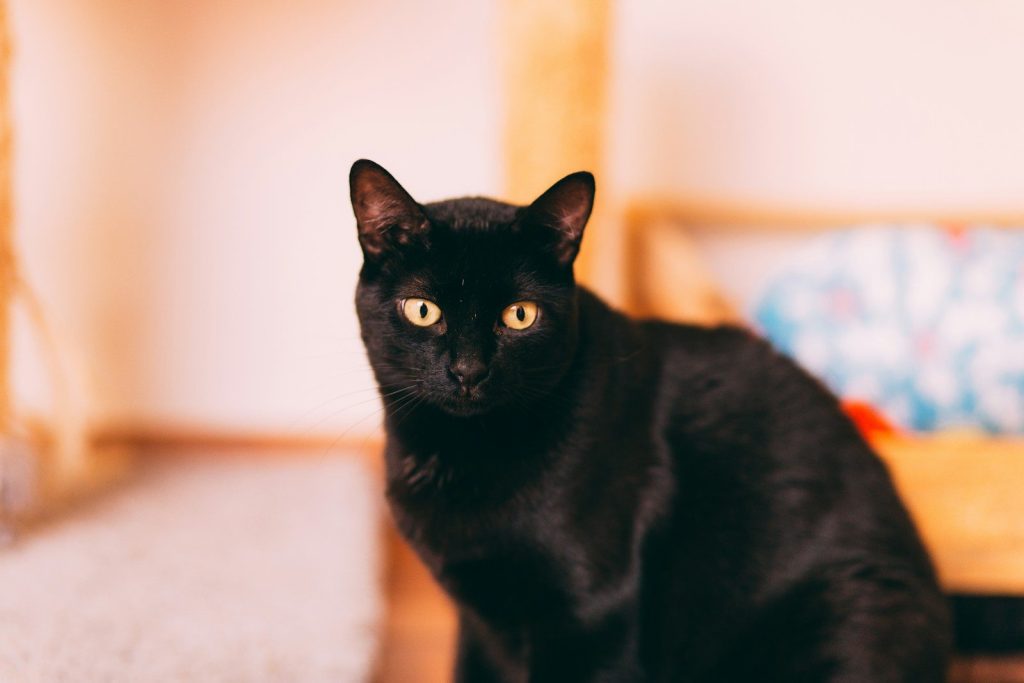

Many pet owners believe they will easily notice if their cat gets hurt. We expect them to cry out or limp when in pain.
But feline instincts actually force them to hide physical weakness from the world. You must learn to spot the silent signs of distress.
Natural Wild Instincts
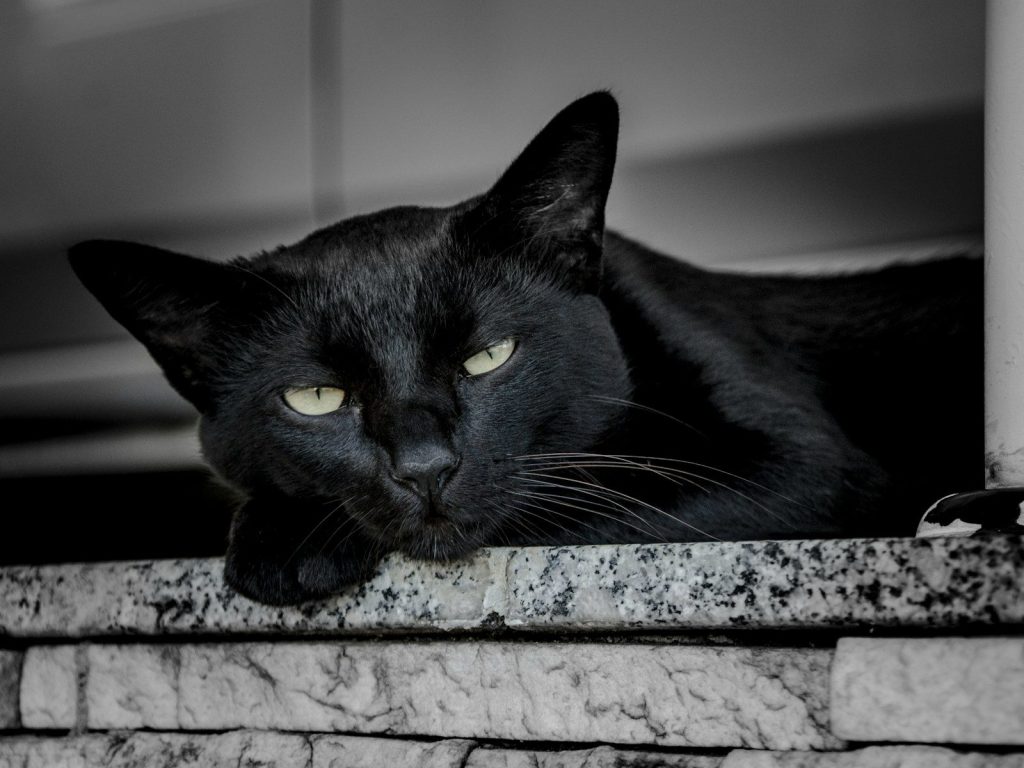
Domestic cats still carry the ancient evolutionary survival traits of their ancestors. Caution is survival. According to research from the National Institutes of Health, showing pain in the wild makes a mammal an easy target for larger predators. Your pet acts completely fine to stay safe. But this survival instinct makes diagnosing injuries highly difficult for owners.
Spotting Silent Signs
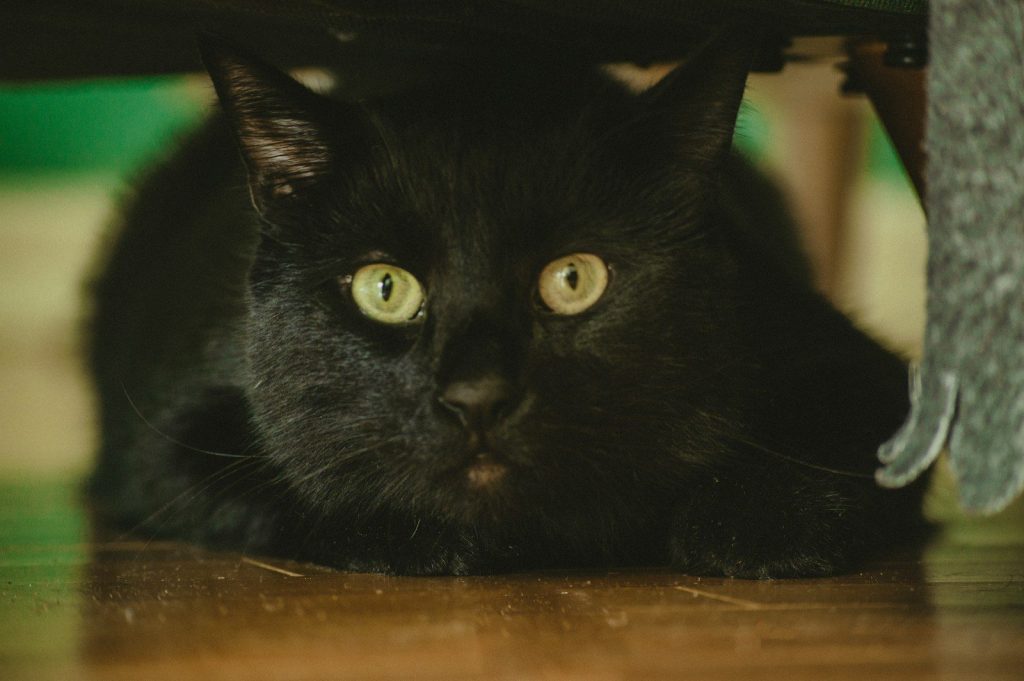
Subtle behavioral shifts are often the only clues that a cat is hurting. Behavior is language. According to guidelines from the American Association of Feline Practitioners, sudden hiding or avoiding favorite high shelves can indicate a joint injury. They are avoiding movements that cause pain. But their grooming routines can also reveal hidden discomfort.
Obsessive Fur Licking
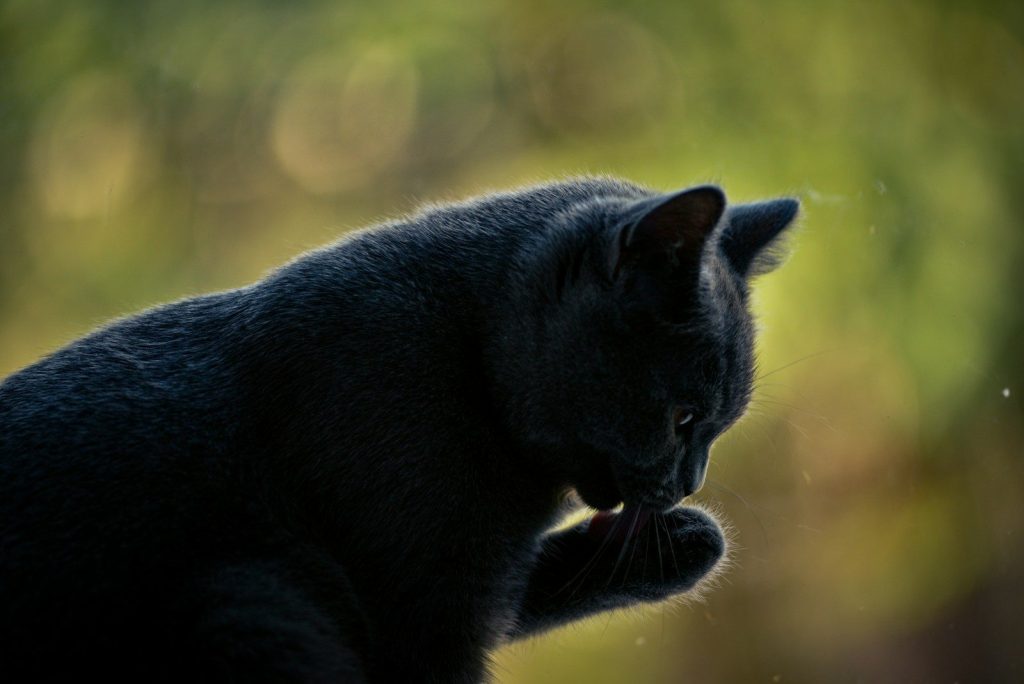
Over-grooming a specific spot on the body can point directly to a local injury. Licking brings comfort. According to reports from the Cornell Feline Health Center, felines lick painful areas to self-soothe and clean minor wounds. You might notice bald patches on their belly or legs. But their posture changes can be even more revealing.
The Hunched Posture
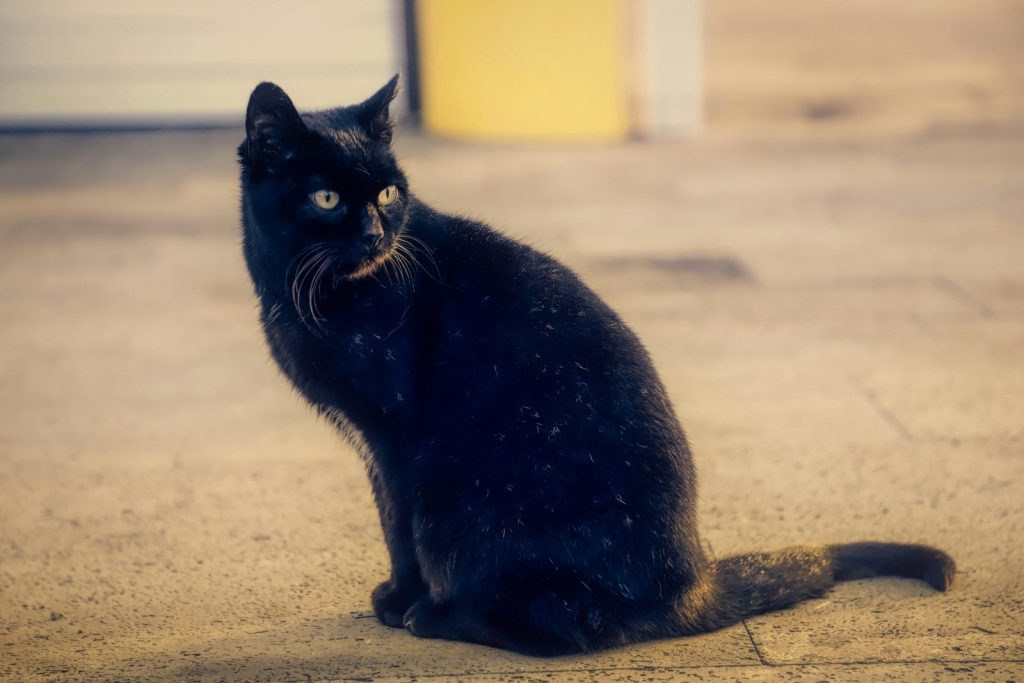
A cat experiencing abdominal or joint pain will often sit in a stiff position. Tension is clear. According to clinical guides from the San Diego Humane Society, a tucked chin and squinted eyes show extreme physical effort to remain still. They are trying to protect their fragile body. But sudden changes in mood are also common.
Sudden Moody Grumpiness
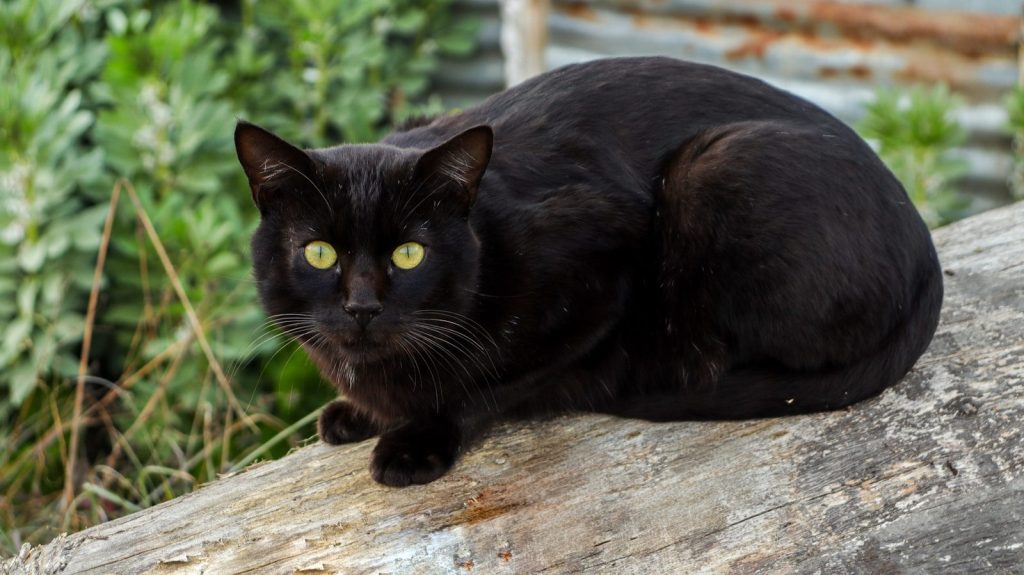
A sweet cat who suddenly swats or hisses during gentle petting is likely in distress. Pain ruins moods. According to behavioral studies from Oregon State University, physical discomfort drastically lowers a feline’s tolerance for touch. They are protecting themselves from further hurt. But managing their recovery requires a structured medical approach.
Seeking Veterinary Diagnosis
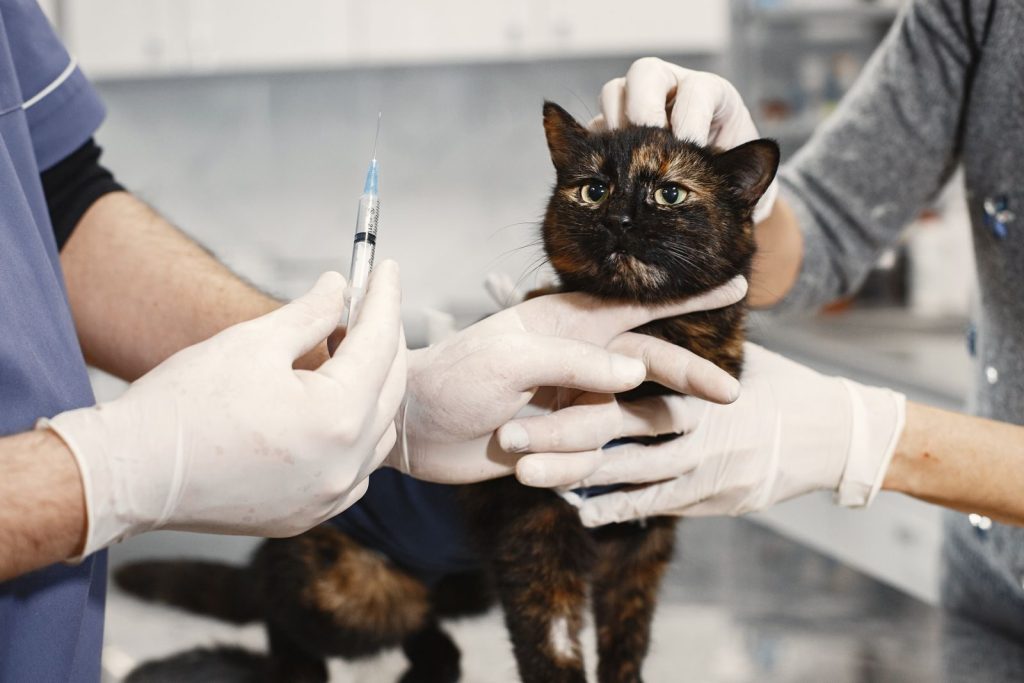
Never assume a minor limp or cut will just heal on its own. Prompt care matters. According to the American Veterinary Medical Association, getting a professional exam prevents simple muscle strains from turning into chronic joint conditions. Your vet can prescribe safe pain relief. But your gentle home care routine is what will help them heal fastest.
Healing In Comfort
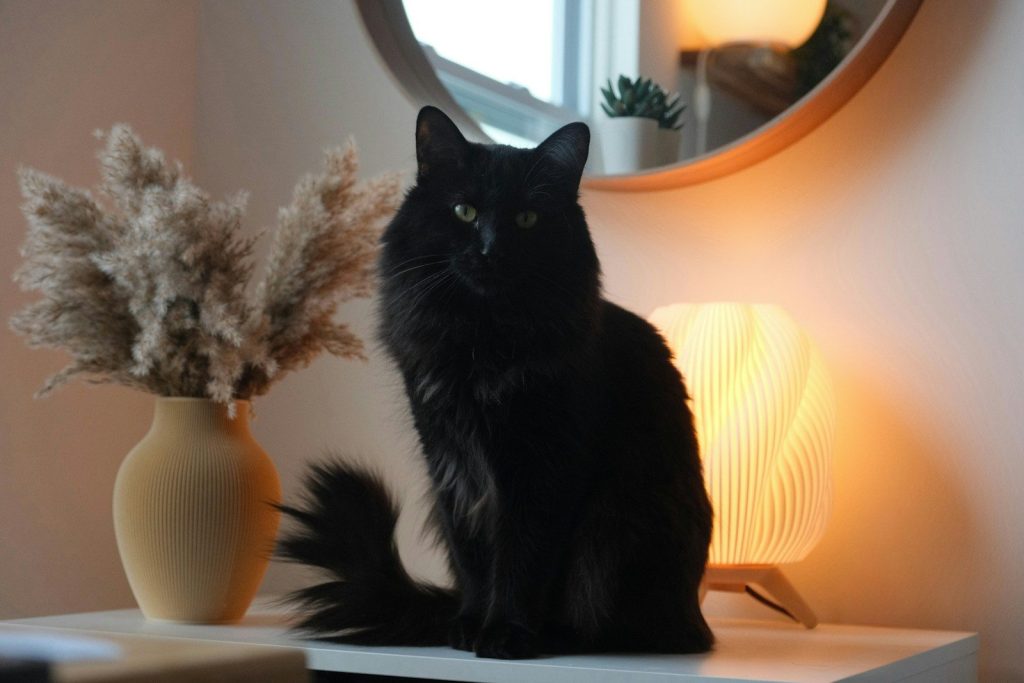
Creating a quiet, warm resting space helps your recovering companion feel safe during therapy. Sleep heals bodies. According to consensus guidelines from the American Veterinary Medical Association, peaceful environments reduce overall healing times. Your love and attention make a huge difference. This article is for informational purposes only and does not constitute veterinary or medical advice.
Featured Image: Photo by Helena Lopes on Unsplash