
You bring your sick cat home from a routine vet visit. Instead of a happy family reunion, your other cat starts growling and hissing instantly.
This sudden aggression between best friends can feel deeply heartbreaking to watch. But this behavior is not a random act of feline malice.
The invisible changes that happen at the clinic
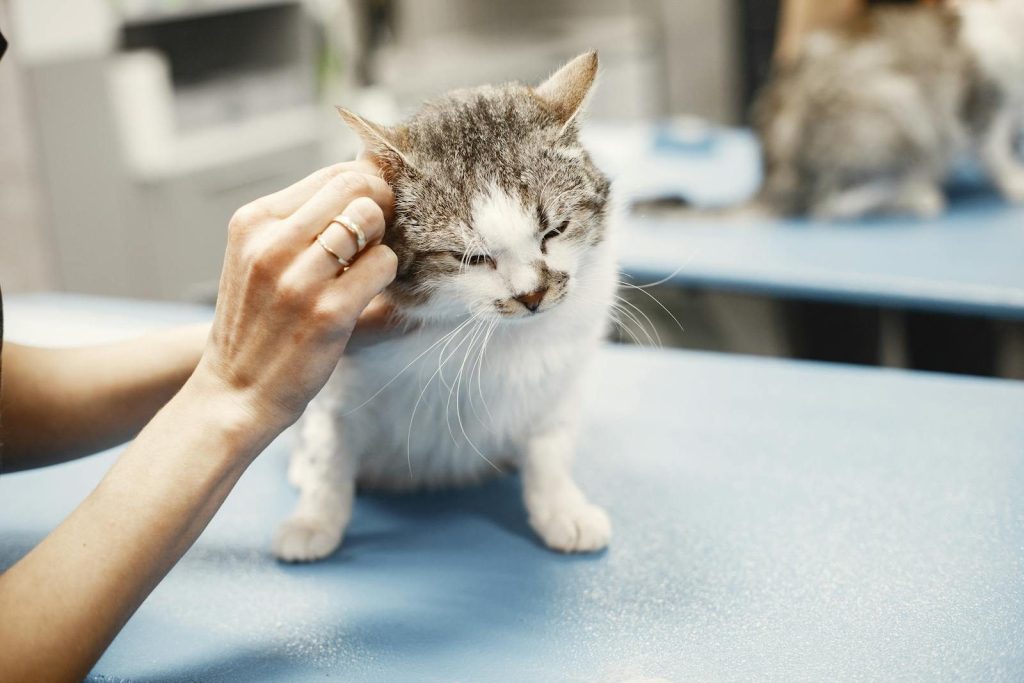
Cats rely almost entirely on scent to recognize their closest friends. When a cat visits a clinic, they are handled by strangers and placed on cold metal tables. They absorb the clinical odors of alcohol, disinfectants, and other stressed animals. According to the American Association of Feline Practitioners, your cat returns home smelling like a stranger. This scent anomaly triggers a severe reaction.
Understanding non-recognition aggression in feline families
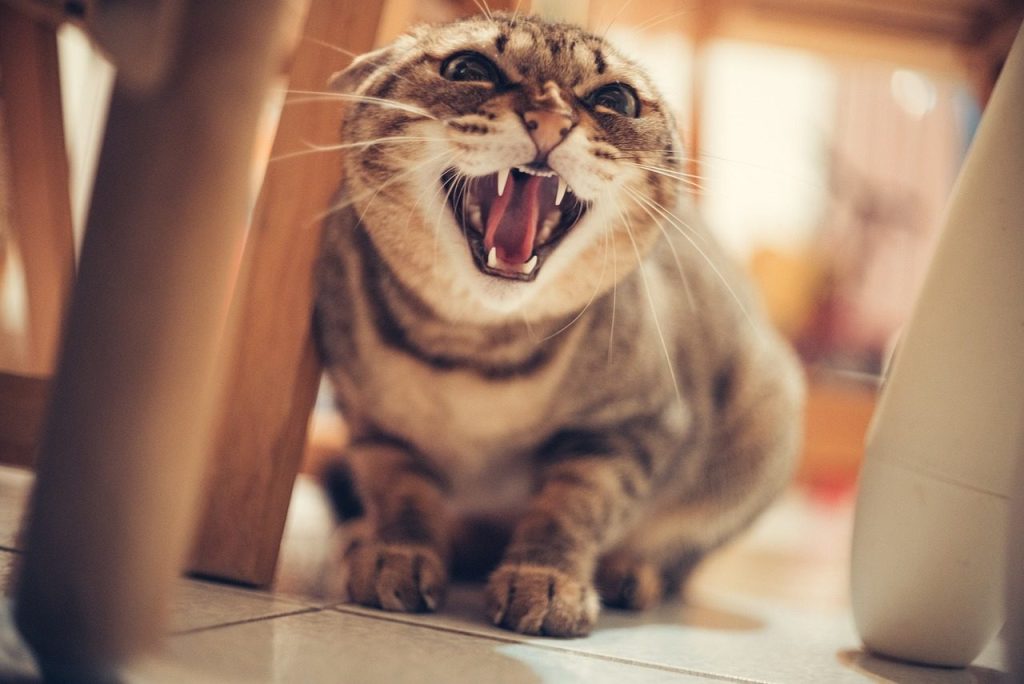
To the cat who stayed home, the returning pet smells like a threat. They do not recognize the visual look of their sibling because the scent is completely wrong. This biological misunderstanding triggers their defensive fight or flight response. The healthy cat reacts as if an intruder has suddenly entered their secure territory. Fortunately, you can prevent this drama with one simple mistake owners make.
Why rushing the reunion is a terrible idea
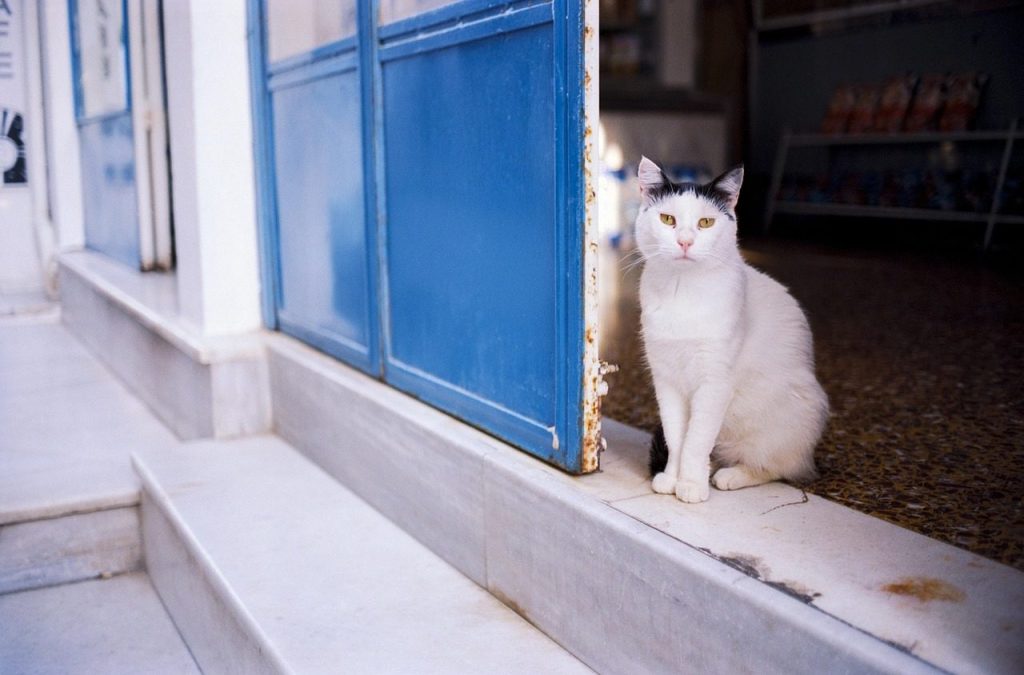
It is highly tempting to let your cats sniff each other immediately. But rushing them together while the clinical smell is still strong guarantees a fight. Once a physical battle occurs, rebuilding their bond becomes much harder. Dr. Radosta, speaking to PetMD, warns that early negative interactions can ruin their relationship for months. The key to success starts before you even open the carrier.
Setting up a safe isolation room for recovery
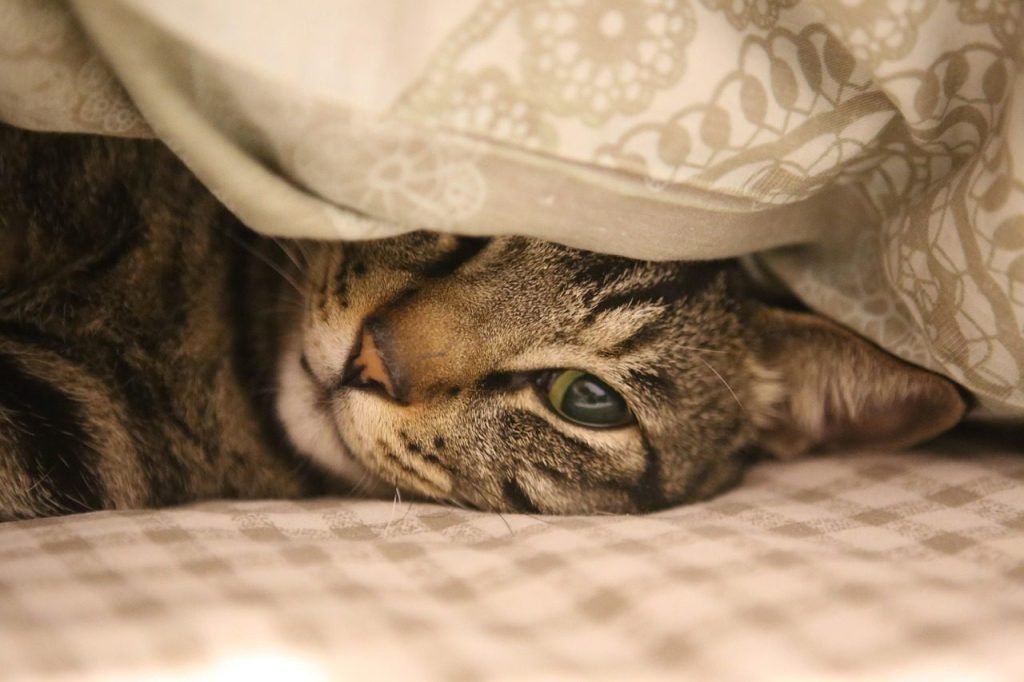
Place the returning cat in a separate quiet room with the door closed. This gives them time to groom themselves and remove the scary clinic smells. It also allows them to recover from any lingering anesthesia in peace. A groggy cat moves awkwardly, which can also frighten your other pets. But you can speed up the scent recovery process.
How to use scent swapping to restore family peace
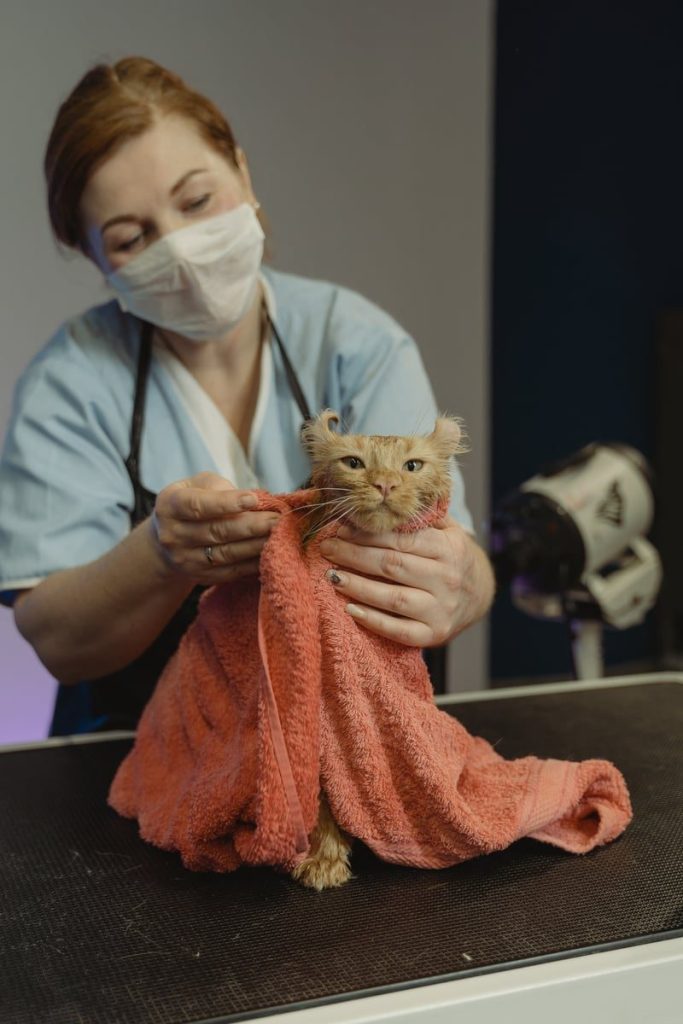
Take a clean towel or a pair of your worn socks and gently rub the healthy cat. Then rub the same towel on the recovering pet to transfer familiar household scents. This simple trick quickly masks the clinical odors. The ASPCA recommends repeating this process several times before any visual contact. But how do you know when they are ready to meet?
Watching for the silent signs of calm curiosity
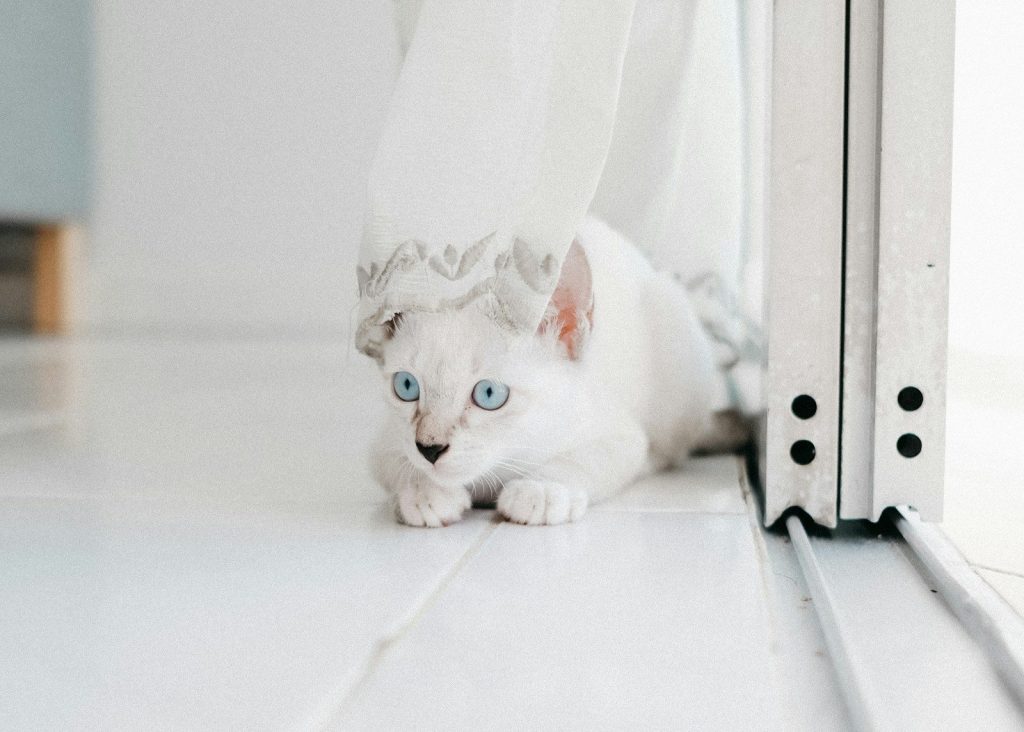
Keep the cats separated until both show relaxed body language. Look for sniffing under the closed door without any growling, hissing, or flat ears. If they sit quietly near the door, they are ready for a controlled visual meeting. This slow process requires serious patience from every owner. But the next step ensures a highly positive association.
Using tasty treats to reward them at their first meeting
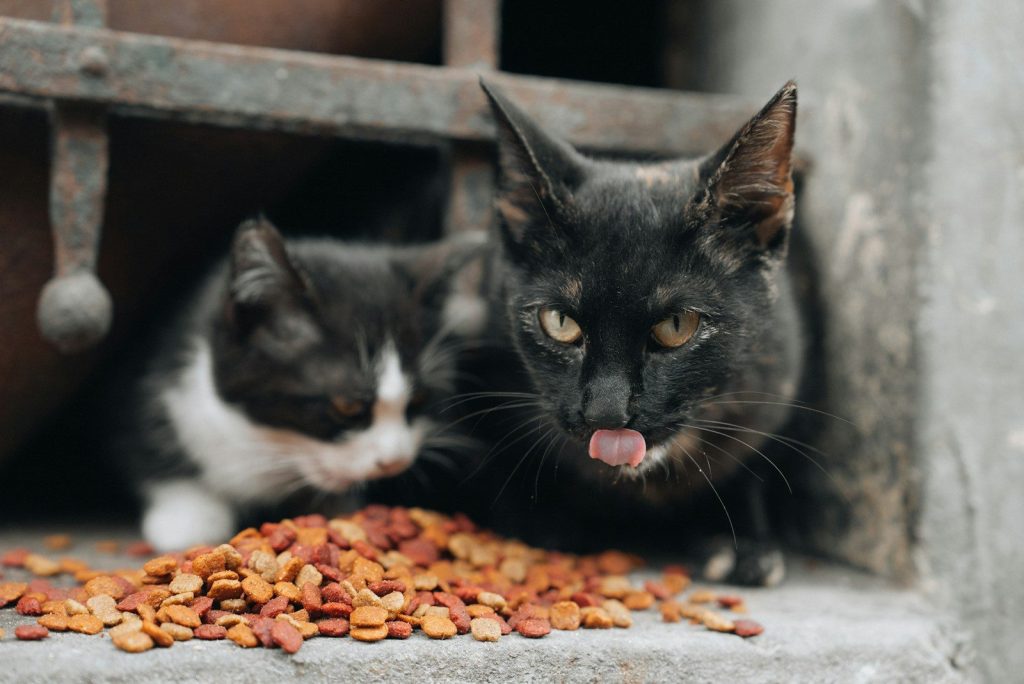
Open the door slightly or use a baby gate to let them see each other. Feed both cats their favorite treats at the same time on opposite sides of the barrier. This teaches them that seeing their sibling results in wonderful rewards. Dr. Katherine Houpt of Cornell University suggests keeping these early meetings brief. If things go well, you can finally take down the barrier.
Restoring the peaceful bond in your multi-cat home
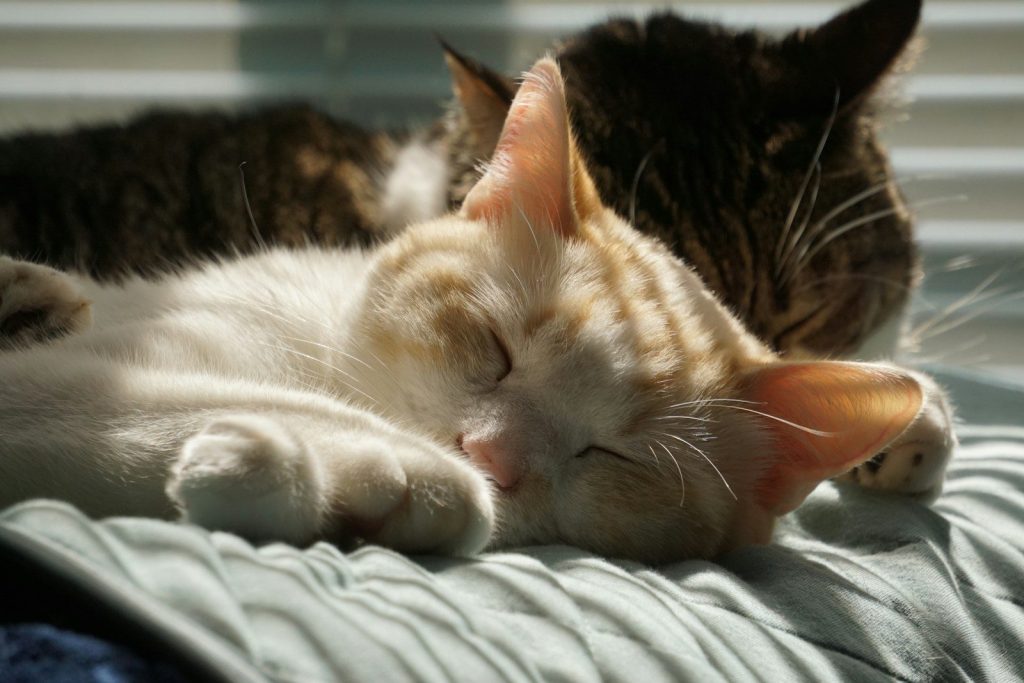
With time and careful planning, your cats will recognize each other and curl up together once again. This slow approach protects their lifelong friendship from sudden breaks. This article is for informational purposes only and does not represent veterinary advice. Patience is the ultimate tool for keeping your feline family happy.