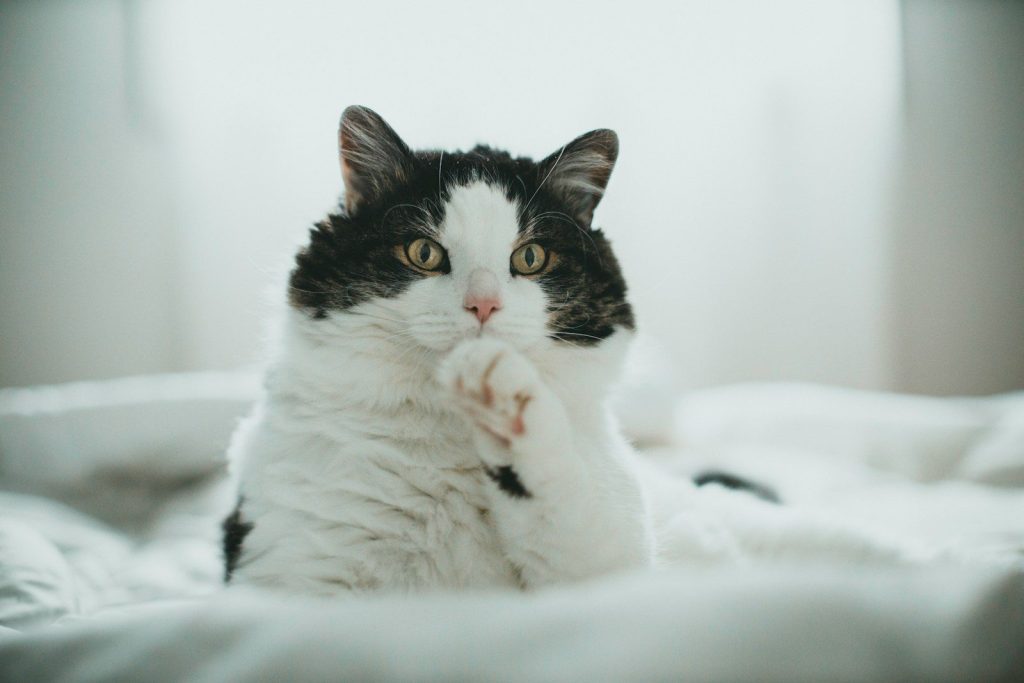

Living with an active cat means experiencing a highly persistent morning routine. A soft paw tapping your cheek is hard to ignore.
While this wake-up call is adorable, it actually reveals a lot about feline communication. Why does your pet refuse to let you sleep?
Enforcing Your Daily Alarm
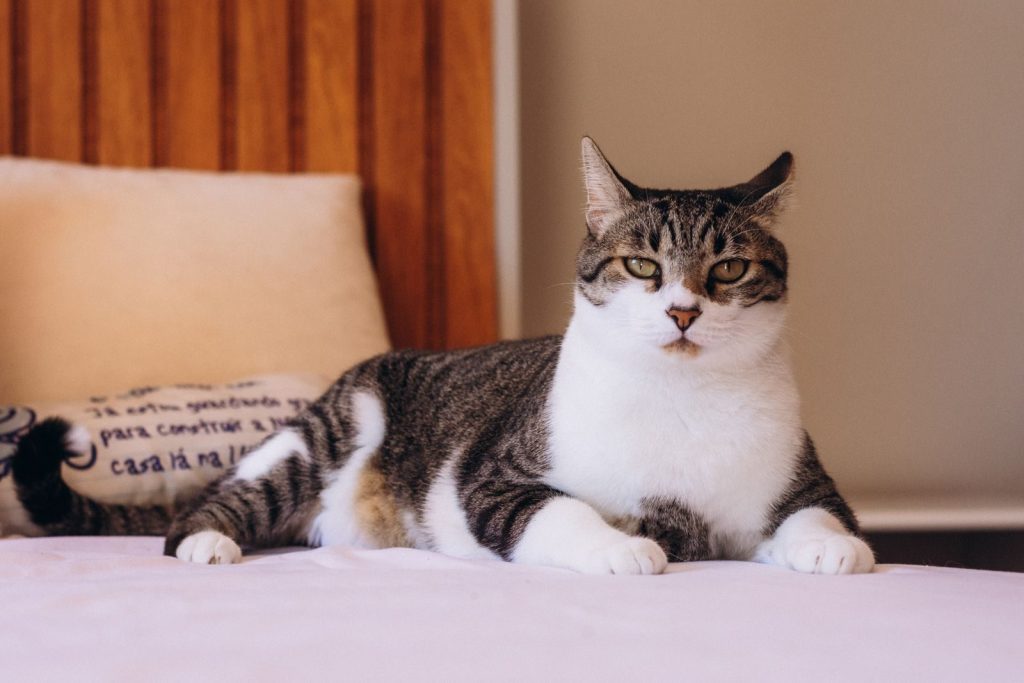
Felines are creatures of habit that track your schedule down to the minute. They are highly observant. If you normally wake up at six, your pet expects you to be active then. Tapping your face is their way of keeping you on task. But this daily hunger is not the only reason they demand your focus.
Demanding Fast Morning Meals
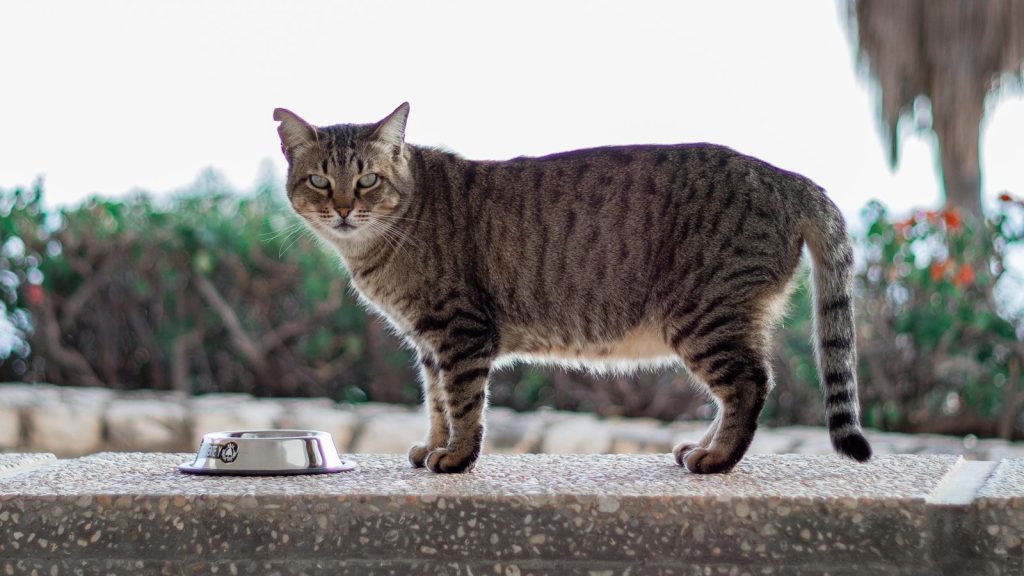
Appetite is the most powerful motivator for an active pet early in the day. They want breakfast. If you feed your cat immediately after waking, you are reinforcing this touching routine. According to reports from the Cornell Feline Health Center, cats learn through immediate association. But this routine can easily become a major challenge to your sleep.
Seeking Reassurance and Safety

Cats can feel lonely or insecure after spending several dark hours alone in a quiet house. They want a connection. Your strong personal scent makes them feel secure and reduces their daily anxiety levels. Tapping your face is a way to verify that your favorite human is safe and awake. The secret lies in changing how you react to their morning touches.
The Power of Ignoring
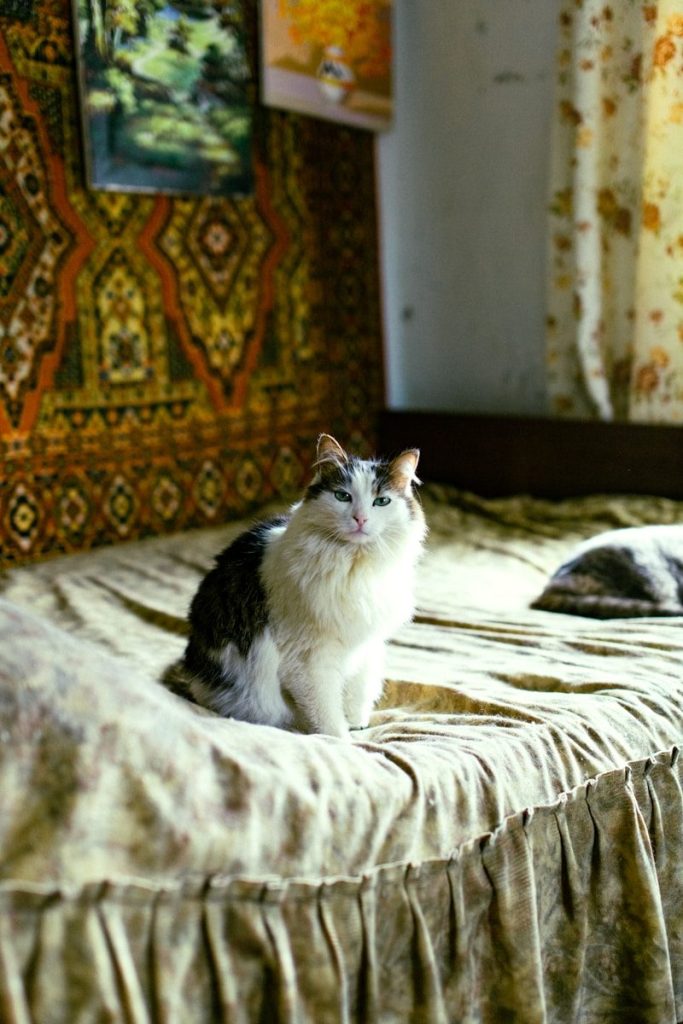
To stop this routine, you must completely ignore your pet’s taps. Do not speak or open your eyes when they touch you. Any response teaches them that the trick works. According to the American Veterinary Medical Association, ignoring unwanted behaviors is highly effective. This simple device can break the connection between waking up and food.
Using Automatic Pet Feeders
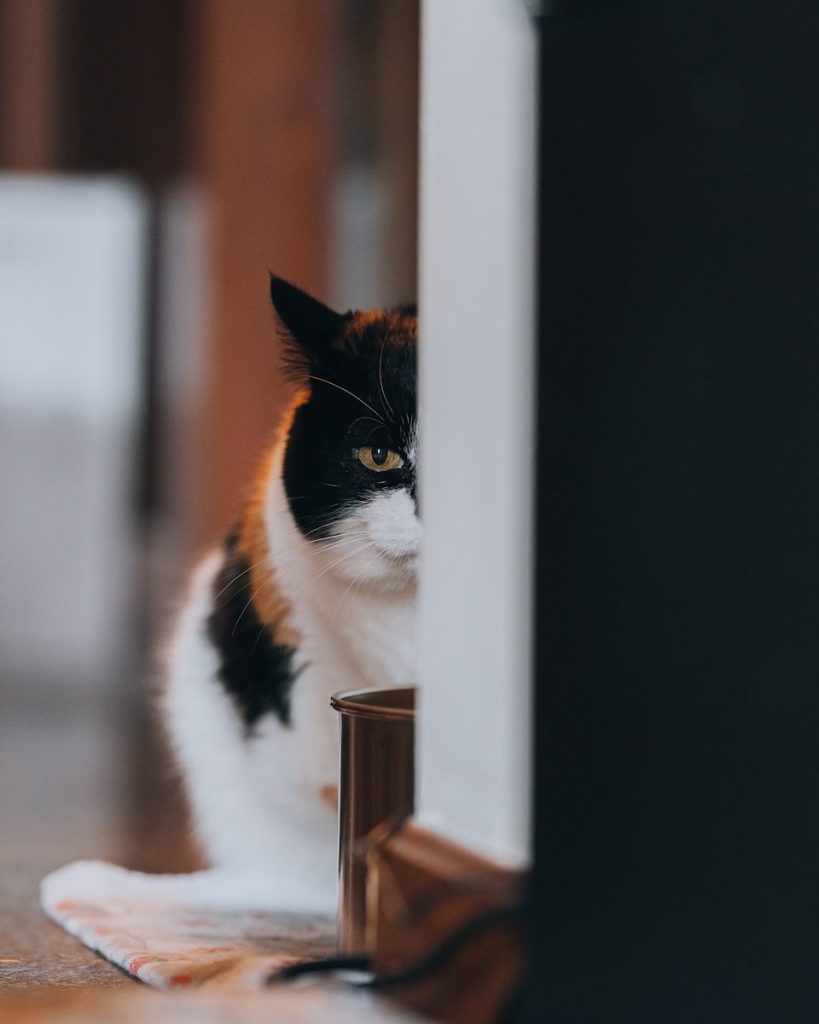
Install an automatic feeder to deliver breakfast before you even open your eyes. This simple upgrade works wonders. Your cat will start waiting by the machine rather than tapping your face in bed. This boundary keeps everyone rested and happy. Increasing their physical exercise can drastically improve their morning rest.
Offering Safe Daytime Play
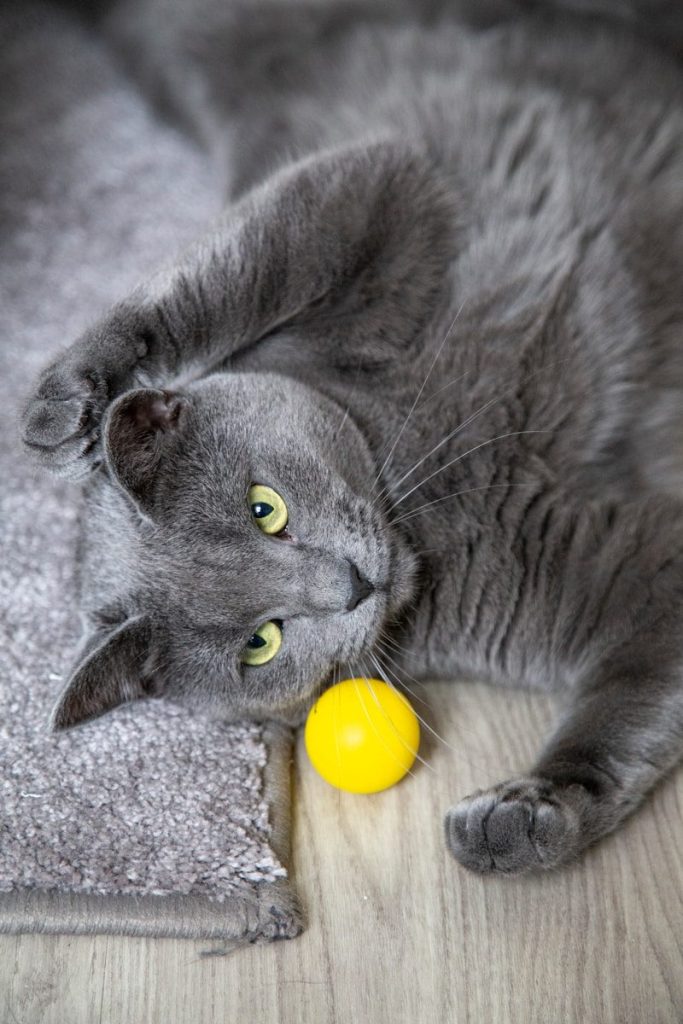
Spend fifteen minutes playing with your pet before you go to bed. This active play drains their excess energy safely. A tired cat is much more likely to sleep peacefully until your alarm sounds. According to reports from the Humane Society, interactive toys prevent attention-seeking habits. Checking their health with a specialist can rule out hidden medical issues.
A Restful Shared Bedroom
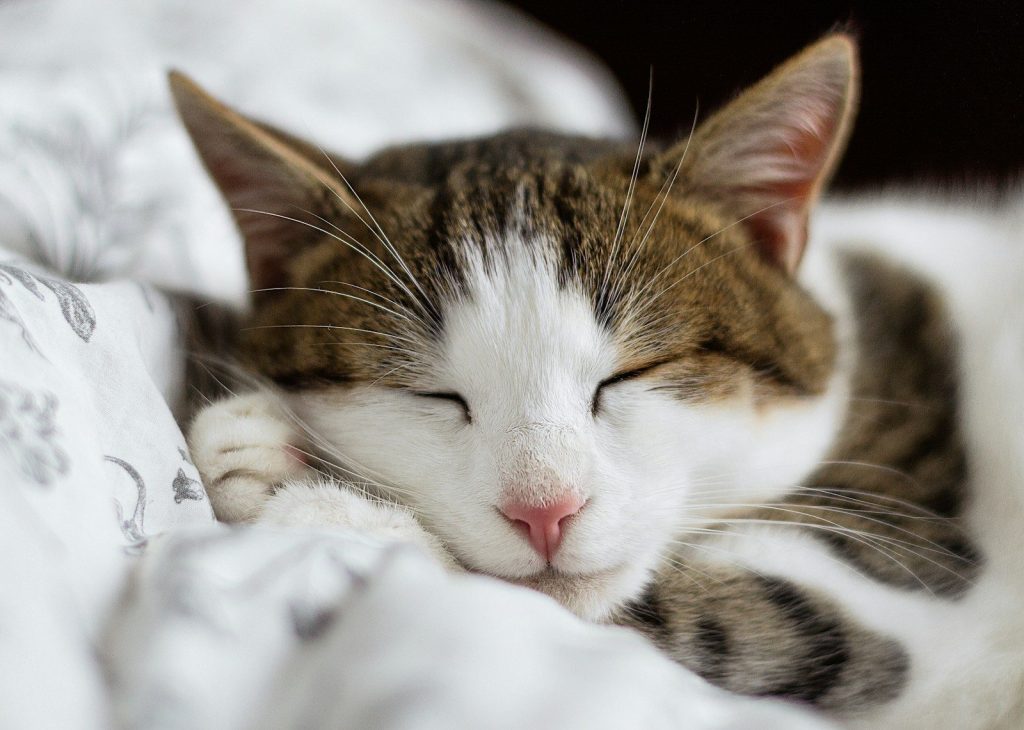
Always consult your family veterinarian if your pet shows sudden, extreme changes in their sleeping patterns. This article is for informational purposes only. With a little consistency and patience, you can enjoy a peaceful morning routine. Your companion will sleep quietly until you are ready to start the day.
Featured Image: Photo by Jonathan Cooper on Unsplash