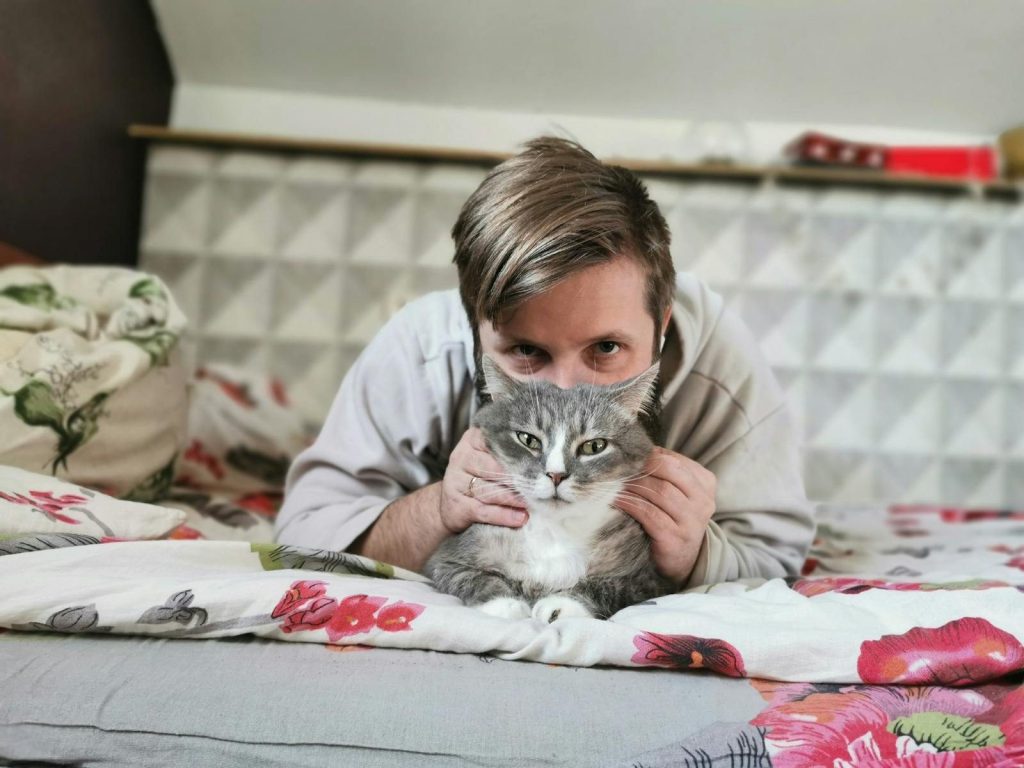

Many pet owners wake up to find their heavy cat resting right on their chest. It is a common habit that seems simple.
However, animal behavioral experts suggest there is a deeper meaning behind this nighttime behavior. Why does your pet choose your body over a soft bed?
Seeking Ultimate Comfort and Warmth
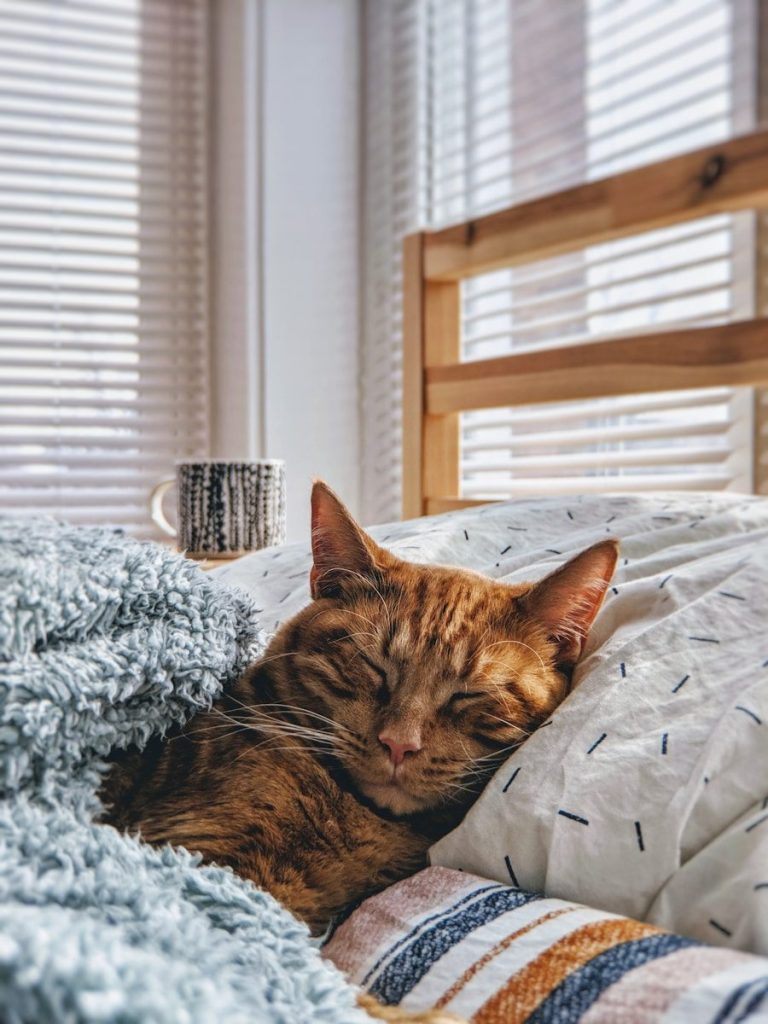
Felines love warmth and constantly search for the coziest spots in the house. Your body acts as a natural heater. According to researchers at the Cornell Feline Health Center, a cat’s normal body temperature is much higher than ours. This physical search for warmth has a massive impact on their sleep quality, but temperature is only part of the story.
The Search For Safety
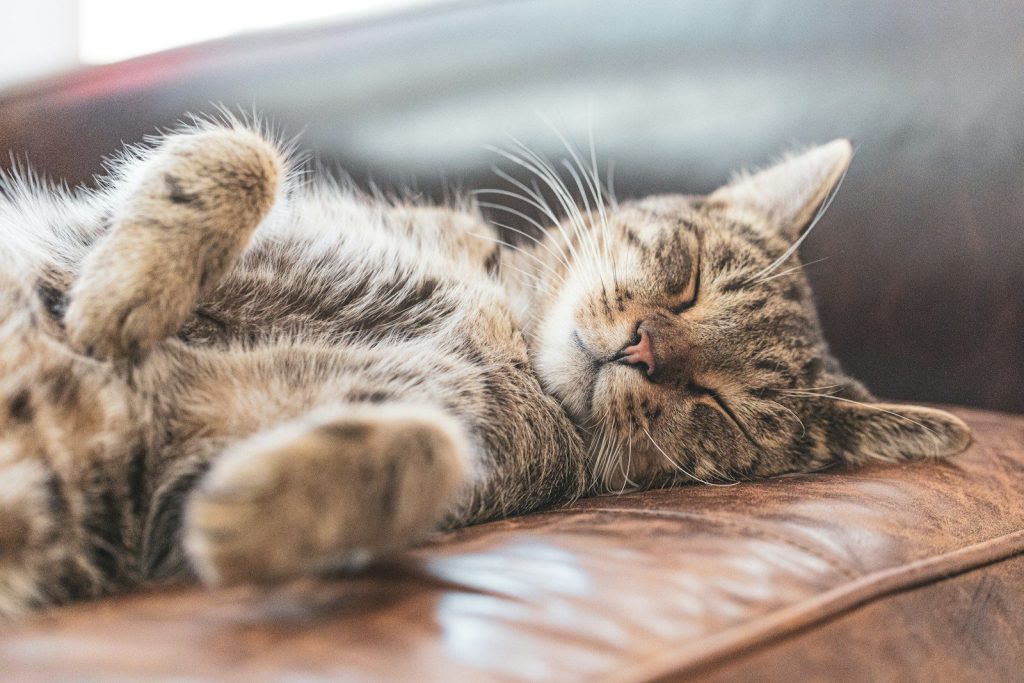
In the wild, sleeping animals are highly vulnerable to predators. Choosing to rest on you indicates trust. They feel safe in your presence, knowing you will keep them secure. It is the ultimate compliment a feline can give. Yet, this behavior also stems from their very first days of life.
Remembering Early Kitten Instincts

Kittens sleep in large piles with their mothers and littermates for security and comfort. This nesting behavior remains strong. Sleeping on you allows them to recreate that comforting, familiar feeling of family. They view you as a mother. But they are also doing something quite possessive.
Marking You As Territory
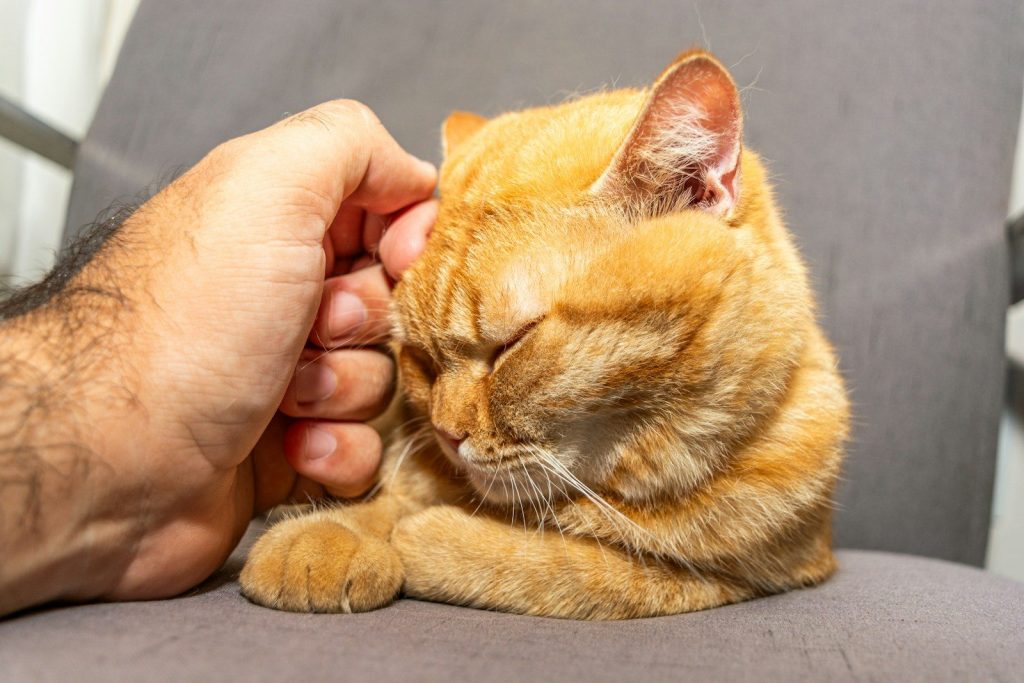
Felines have tiny scent glands located on their heads and paws. When they rub against you or sleep on your chest, they are depositing their scent. This marks you as safe territory. They are letting other animals know that you belong to them. However, sometimes this habit is driven by deep emotion.
Showing Pure Love and Affection
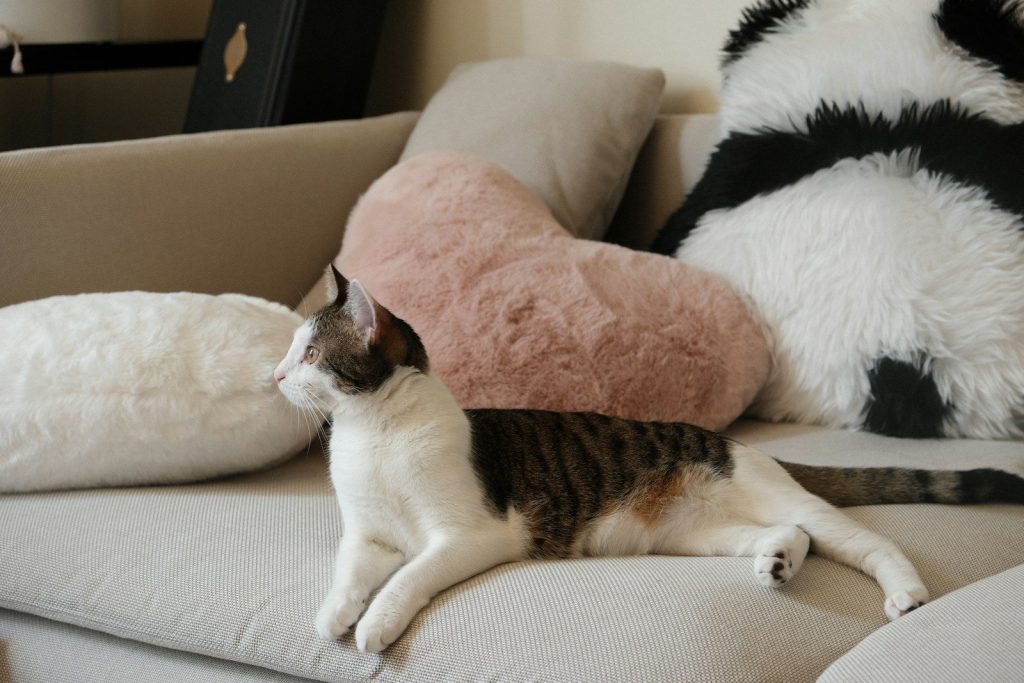
Despite their independent reputation, cats deeply crave human connection and love. They stay close. They want to hear your heartbeat and feel your breathing. It is a beautiful display of bonding. But you must look out for a sudden change in this behavior.
Watching For Sudden Behavioral Shifts

If your pet suddenly starts demanding constant physical contact, it could signal a problem. This indicates stress. Pay close attention to any other changes in their daily eating habits. Think about your own sleep comfort. There is a simple trick to solve this.
Setting Boundaries For Better Rest
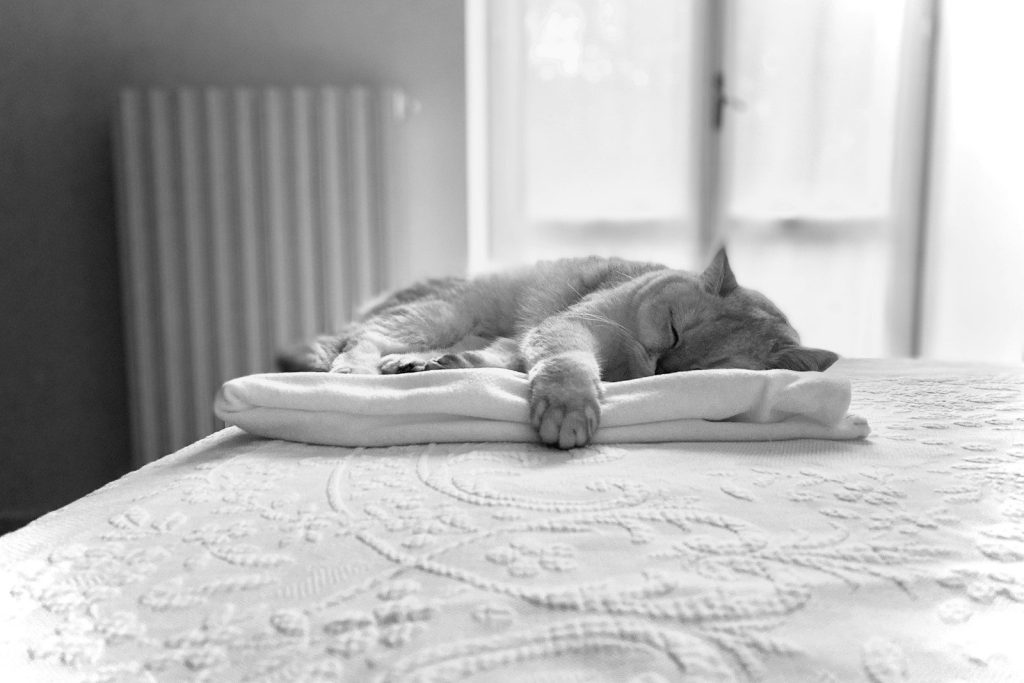
While cuddling is wonderful, sharing a bed can sometimes disrupt your own rest. This is easy to fix. If your pet is too heavy, try placing a warm heating pad near your feet. This simple adjustment keeps everyone comfortable. Always consult your veterinarian if you suspect your pet is acting clingy due to health issues. This article is for informational purposes only.
Featured Image: Photo by Andrew Kota on Pexels