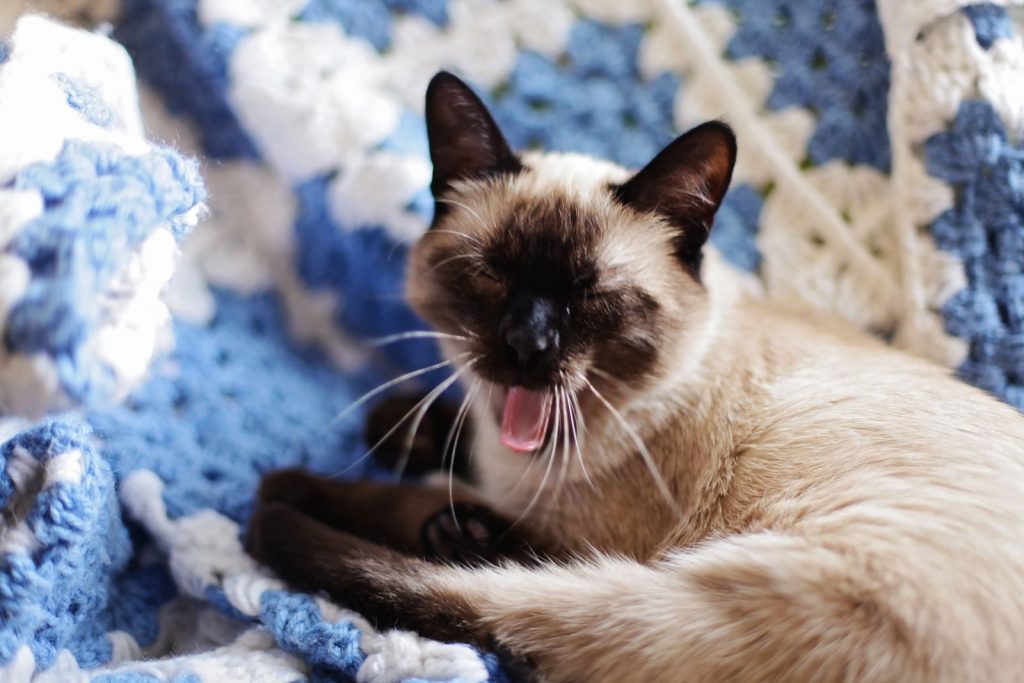

Most owners assume night kneading is just a cute habit. We think our pets are simply playing when they dig into our blankets.
But animal behaviorists revealed there is a deep emotional reason behind this nocturnal behavior. This funny nighttime massage actually connects directly to their earliest childhood memories.
Remembering Their Mother

Kneading starts when newborn kittens are still nursing. It is instinctual. According to the Cornell Feline Health Center, this pushing motion helps stimulate milk flow from the mother. Cats retain this physical memory into adulthood as a way to feel safe. But choosing your warm body as their target reveals something even deeper.
Marking You As Safe
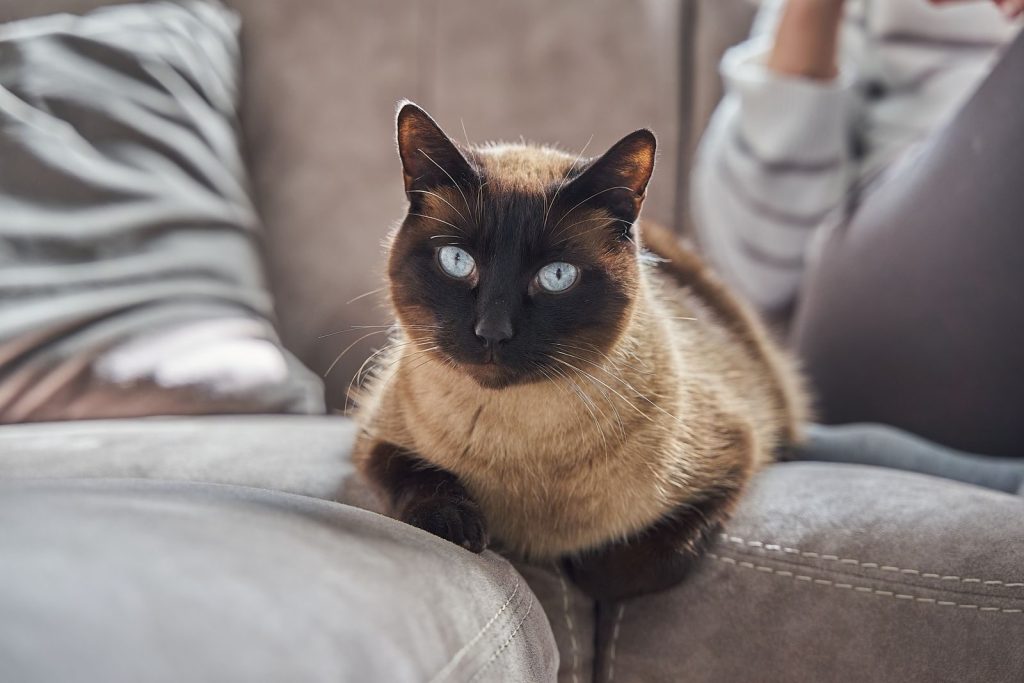
Scent glands in their paws release invisible chemical messages while they push. Love is a scent. According to studies from Oregon State University, cats use these secretions to claim their human partners as safe territory. They are wrapping you in their familiar scent to guarantee a secure night of sleep. Yet this comforting act actually changes their physical state too.
Relaxing The Feline Body
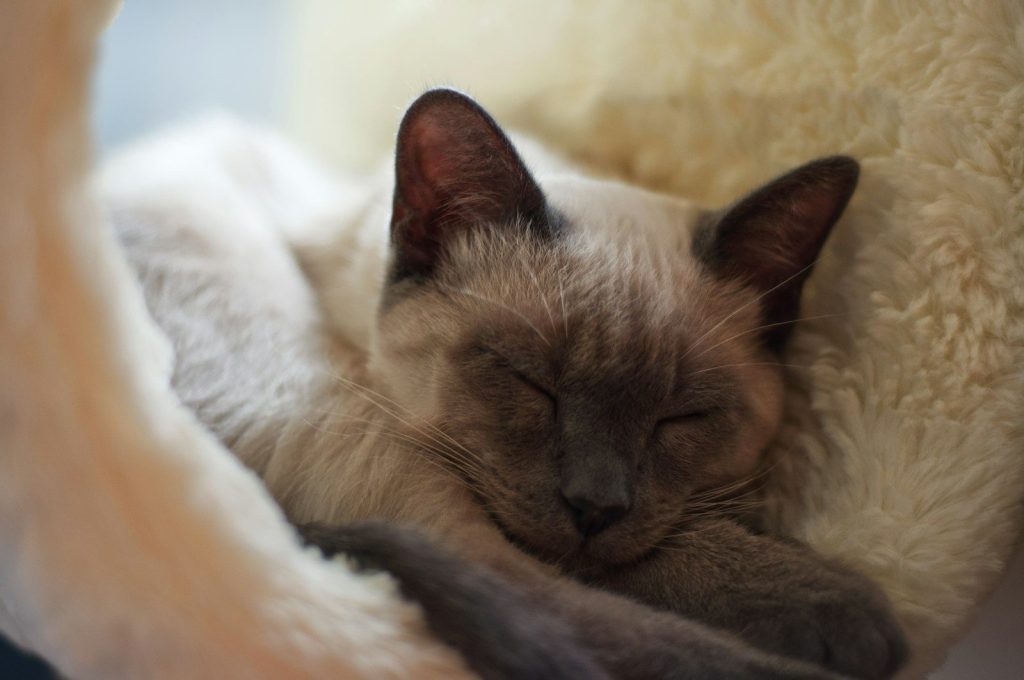
The slow rhythmic movement of their paws helps lower their heart rate. Calmness spreads fast. According to the American Veterinary Medical Association, kneading relaxes a cat’s tight muscles and eases lingering daytime tension. It is their favorite way to prepare for a deep rest. But their sudden choice of the middle of the night is not random.
Beating The Midnight Blues

House cats naturally feel a sudden surge of energy when the sun goes down. Night is their playtime. According to the American Association of Feline Practitioners, these instincts drive them to seek out close comfort when the house gets dark. They turn to their favorite person to burn off that extra emotional energy. However, this sweet behavior can sometimes feel a bit painful.
Handling The Sharp Claws

Sharp claws can turn a sweet midnight massage into a painful wake-up call. Ouch, that hurts. According to guidelines from the San Diego Humane Society, placing a thick blanket on your lap protects your skin. Regular claw trims also help make this behavior far more comfortable for everyone involved. But there is another simple trick to managing their nightly visits.
Training For Silent Nights

Gentle boundaries can help you get a full night of sleep without losing feline affection. Consistency is key. According to the ASPCA, redirecting your pet to a soft cat bed nearby teaches them where to settle down. Rewarding them with a tiny treat before bed also helps establish a calm routine. This simple training can lead to a beautiful balance.
Sharing Love In Silence
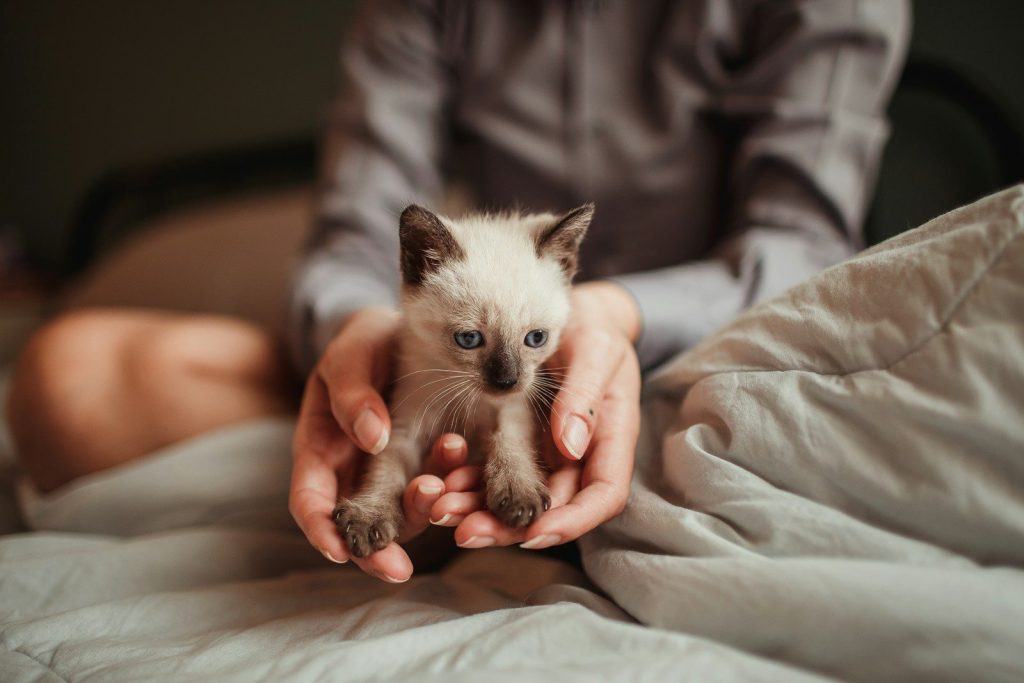
Accepting this behavior is a wonderful way to tell your pet they are welcome. Trust grows daily. According to reports from the National Institutes of Health, sharing sleeping spaces with pets can boost human mental wellness. It creates a safe pocket of peace in a hectic world. Yet this nighttime ritual holds one final truth for cat parents.
Welcoming The Warmth
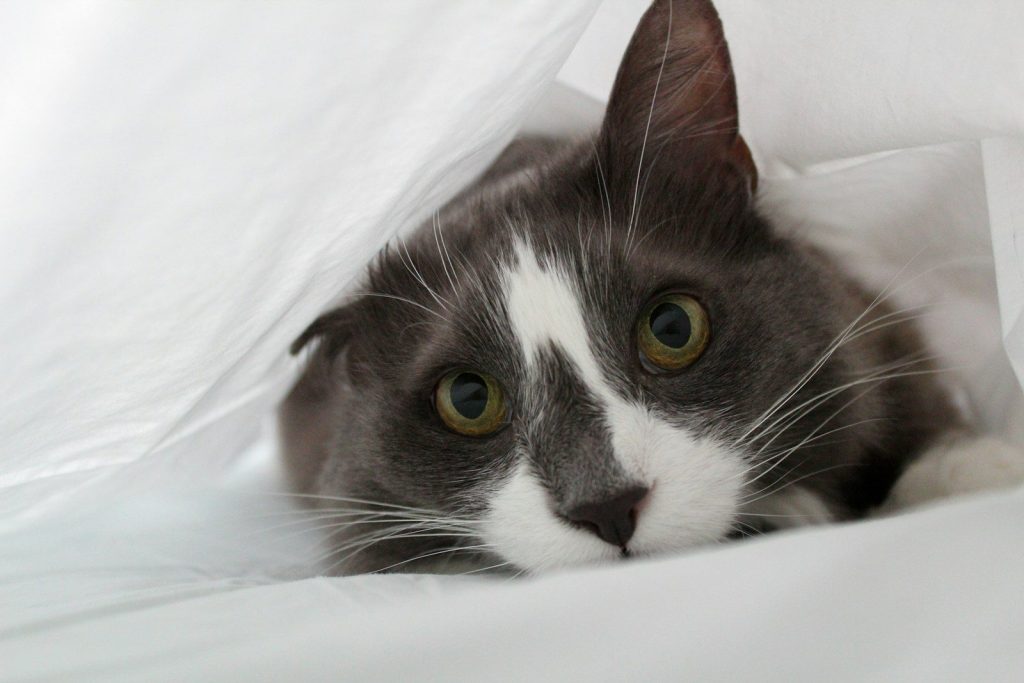
Midnight kneading is a beautiful sign of trust that few animals share. It is priceless. According to the American Veterinary Medical Association, keeping a happy and low-stress home environment benefits both pets and humans. Cherish these warm moments in the dark. This article is for informational purposes only and does not constitute veterinary advice.
Featured Image: Photo by Leah Newhouse on Pexels