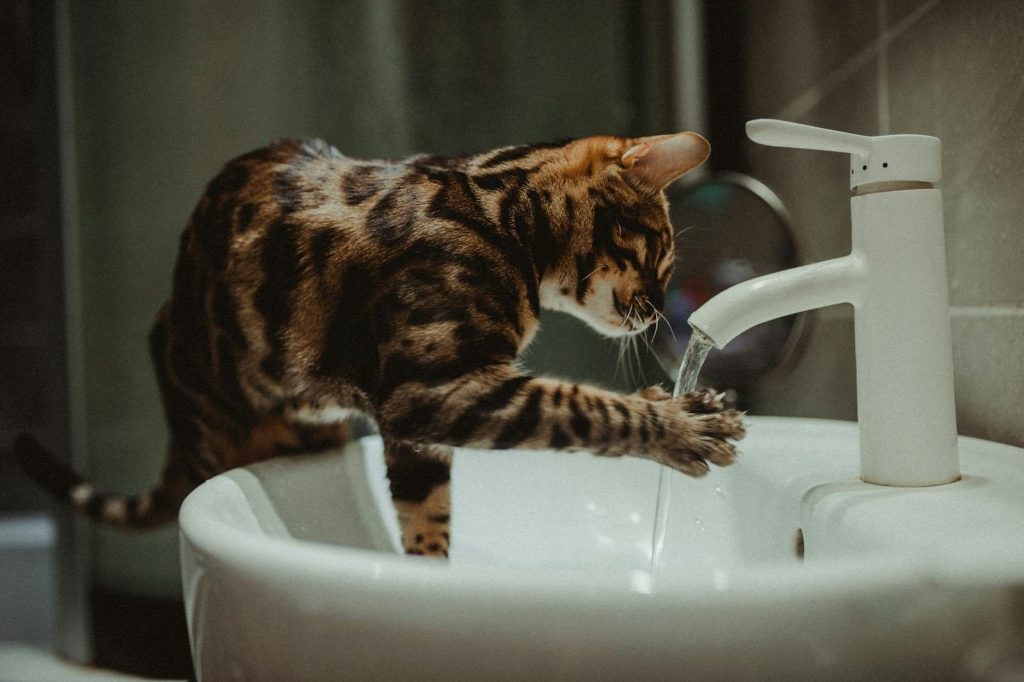

Many owners notice their cats dipping a paw into the water bowl instead of drinking directly. This unusual habit looks silly, but serves a real biological purpose.
Feline hydration is shaped by ancient wild instincts and surprising physical sensitivities. Understanding these hidden triggers can help you keep your pet healthy and happily hydrated.
The hidden pain of whisker fatigue
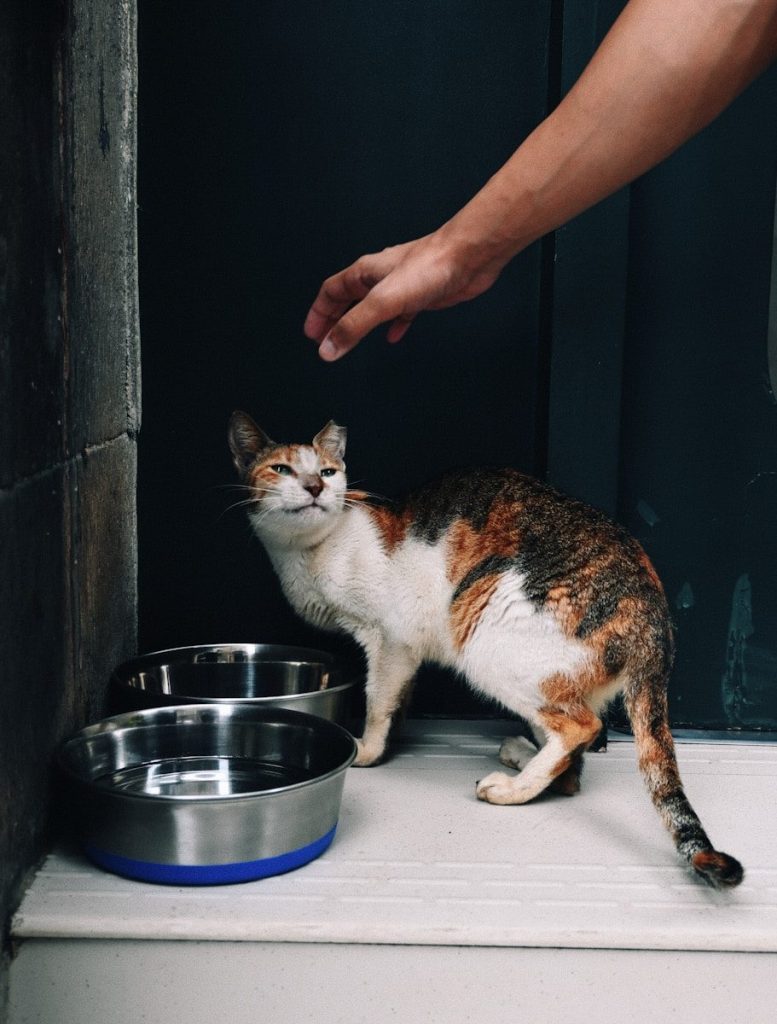
Whiskers are highly sensitive sensory organs packed with nerve endings. When a cat dips their face into a narrow water bowl, their whiskers rub against the sides. This constant friction causes a sensory overload known as whisker fatigue. To avoid this discomfort, cats will use their paws to scoop up water instead. But the bowl shape is only the first obstacle they face.
The struggle to see still water
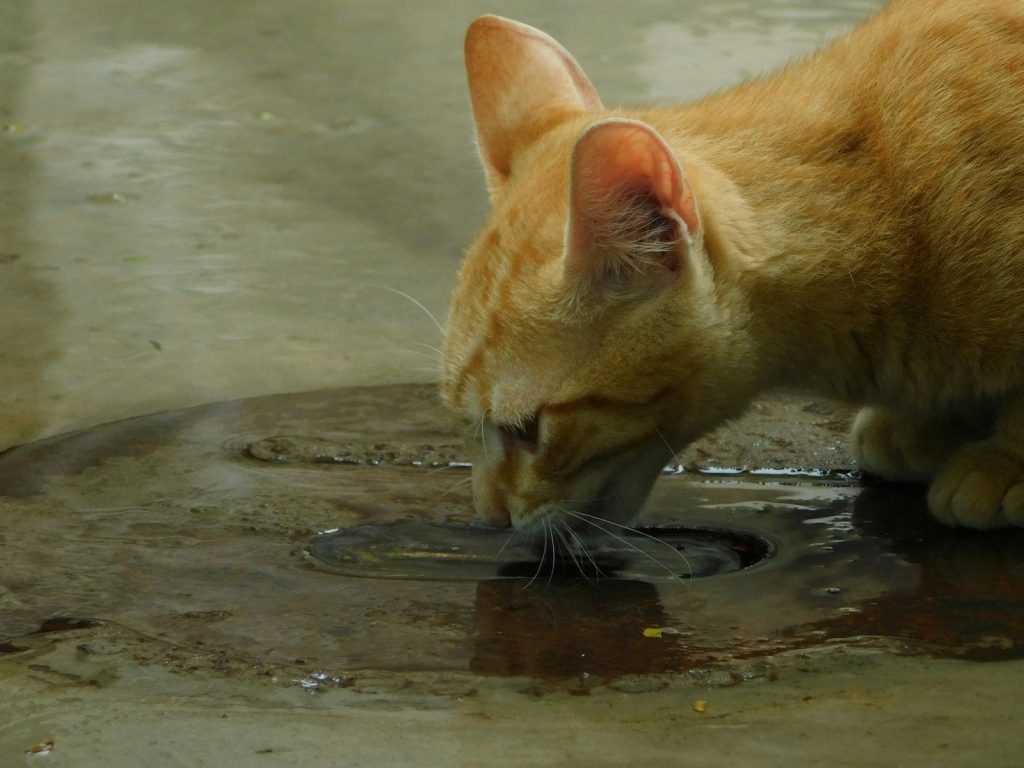
Cats possess incredible night vision but struggle with close-up depth perception. Still water in a bowl is nearly invisible to a cat’s eyes. They might splash the water with their paw first to create ripples. This movement helps them locate the water surface accurately before drinking. Yet, this visual struggle is deeply connected to ancient wild instincts.
Ancient warnings against stagnant water
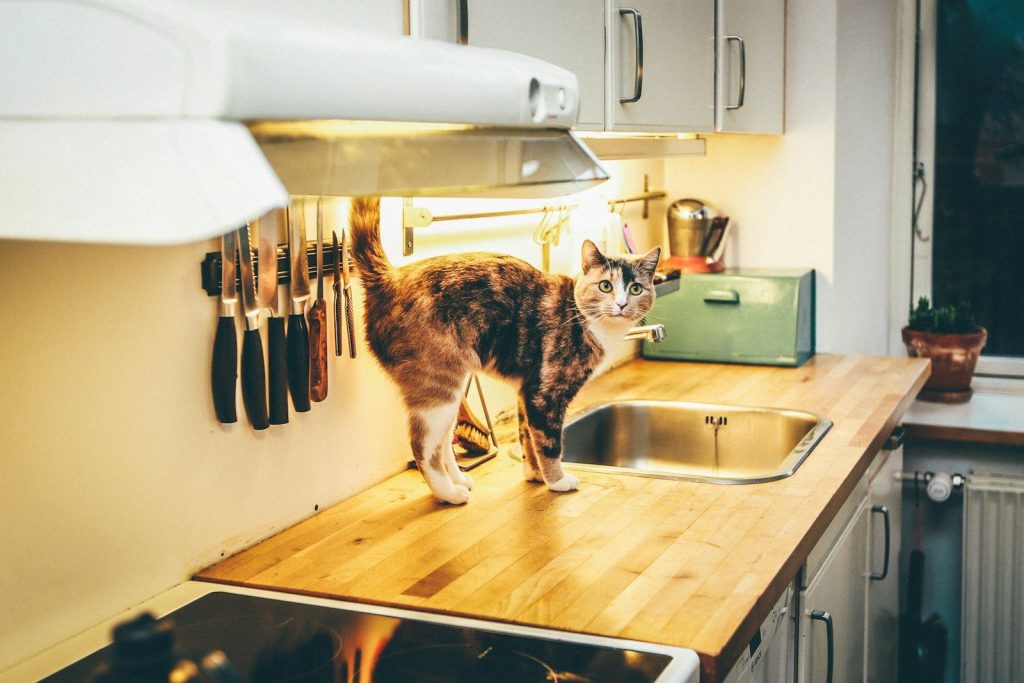
Wild feline ancestors learned that still water often harbors dangerous bacteria and parasites. Running streams were much safer to drink from. This deep instinct remains active in your domestic pet. It explains why they sprint to running faucets or drink from dripping sinks. Fortunately, modern technology offers a simple way to satisfy this wild drive.
Why water fountains improve hydration
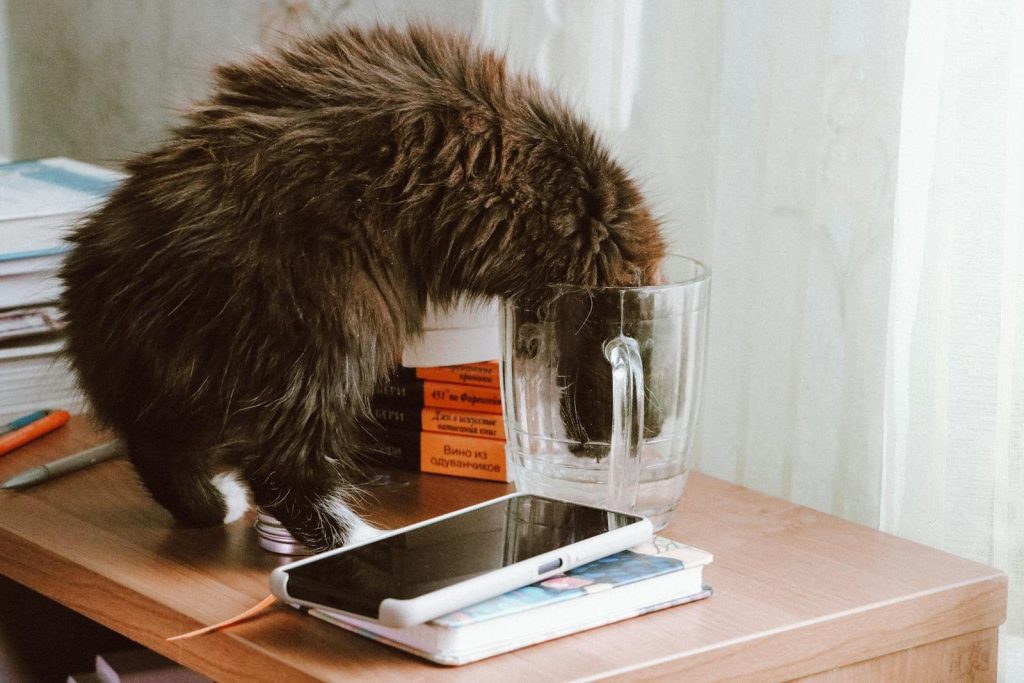
Feline water fountains keep water constantly moving and oxygenated. The gentle sound of running water naturally draws a cat’s attention. Moving water is easier to see and mimics a safe, wild stream. According to veterinary studies, fountains significantly increase daily water intake in house cats. However, where you place the water source is equally critical.
Keeping water far away from food
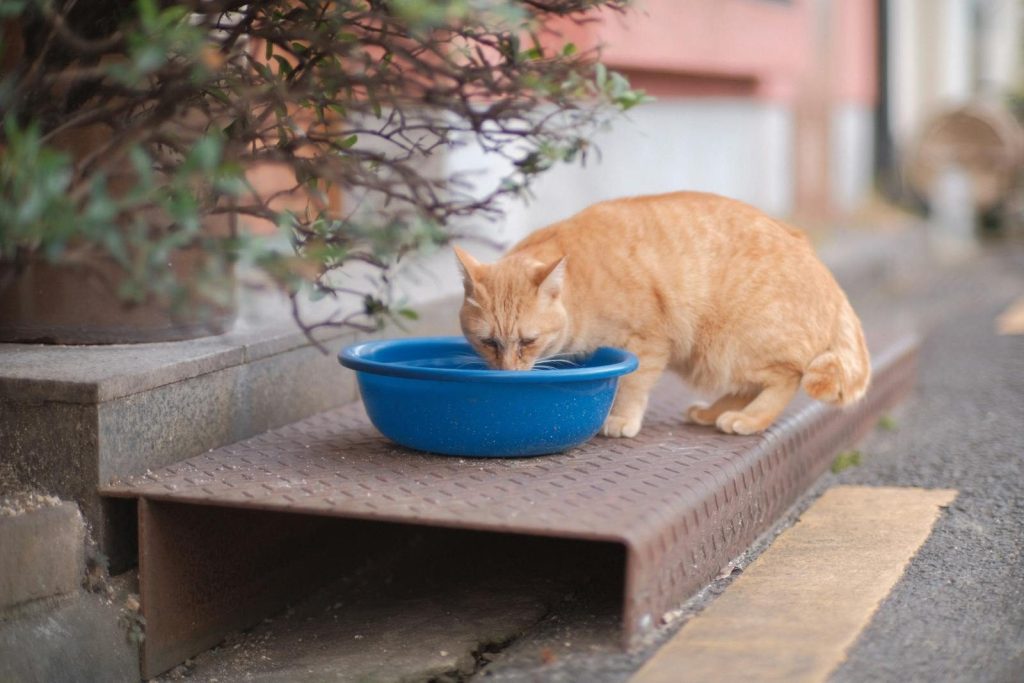
In nature, predators don’t drink near their fresh prey to avoid water contamination. Your cat still feels this instinctual urge. Placing their water bowl right next to their food dish can make them reject the water. Move the water station to a quiet, separate room to respect their natural boundaries. But you must also monitor sudden changes in hydration.
When strange drinking habits signal illness
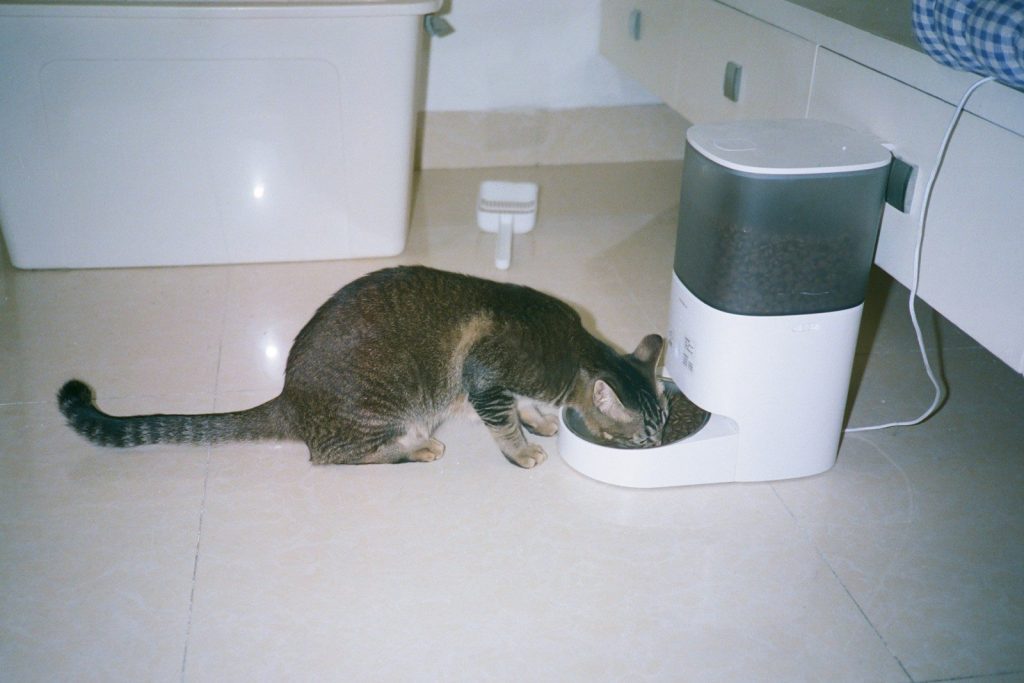
A sudden increase in water consumption can indicate an underlying medical issue. Conditions like kidney disease, diabetes, or hyperthyroidism often trigger extreme thirst in cats. The Cornell Feline Health Center advises consulting a veterinarian if your cat suddenly spends hours at the water bowl. This article is for informational purposes only and does not constitute veterinary advice. Still, minor adjustments can make a big difference.
Small changes for a happy, hydrated cat
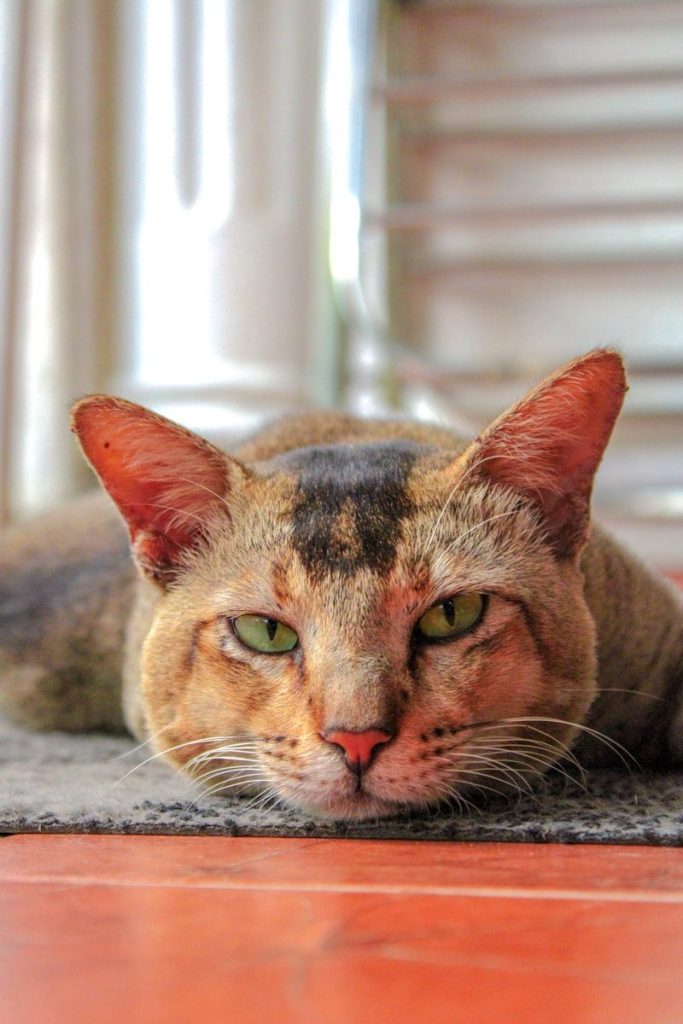
Switching to a wide, shallow metal or ceramic bowl is a great first step. This design protects sensitive whiskers and keeps the water fresh. Keeping multiple water stations around your home encourages regular sipping. By understanding their unique instincts, you can turn a confusing behavior into a perfect opportunity to support your furry companion’s health.
Featured Image: Photo by Helena Jankovičová Kováčová on Pexels