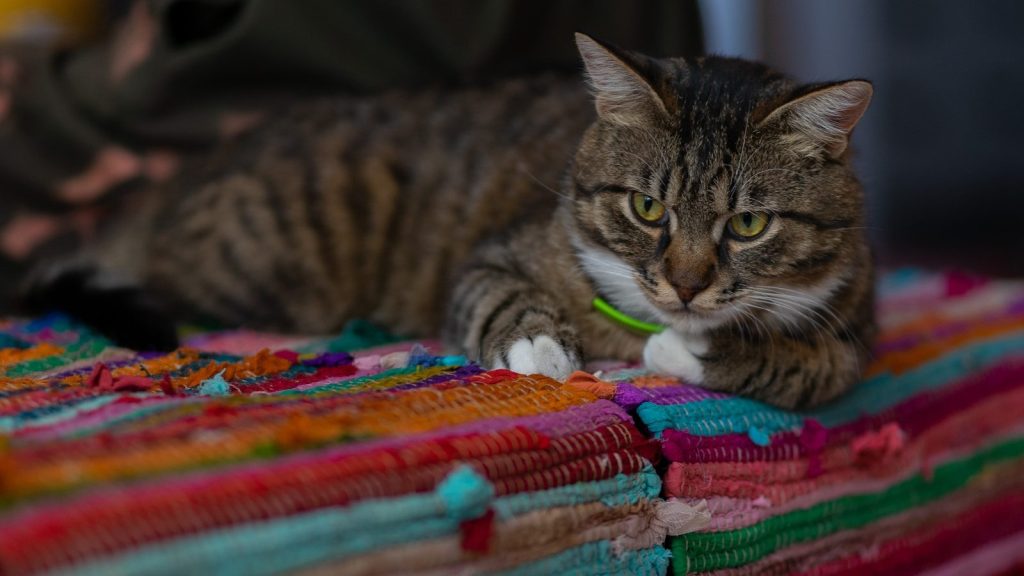

Settling down for a quiet game night with family is a wonderful way to relax. You expect a fun, peaceful evening of strategic moves.
But your cat has a different plan, immediately sitting on the board or batting away your game pieces. Why does your pet insist on ruining your fun?
Demanding Your Complete Focus
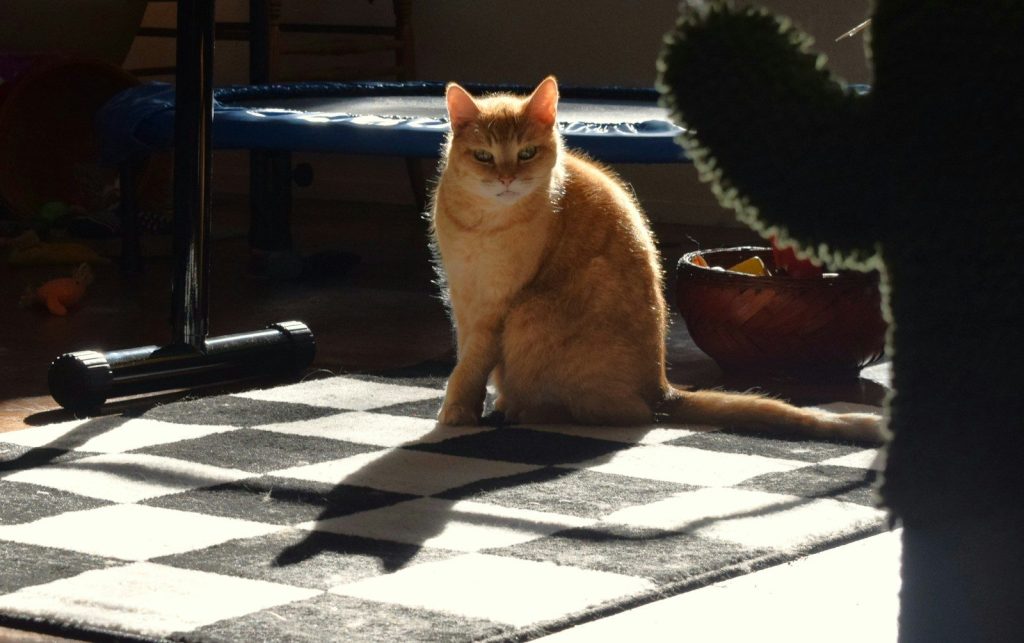
Your cat watches you stare intently at the colorful cardboard board for hours. They are highly observant. They quickly realize that this object is stealing your attention away from them. By sitting directly on the cards, they force you to interact with them immediately. This manipulative behavior is incredibly common. But attention is not the only reason they invade.
The Appeal of Board Games
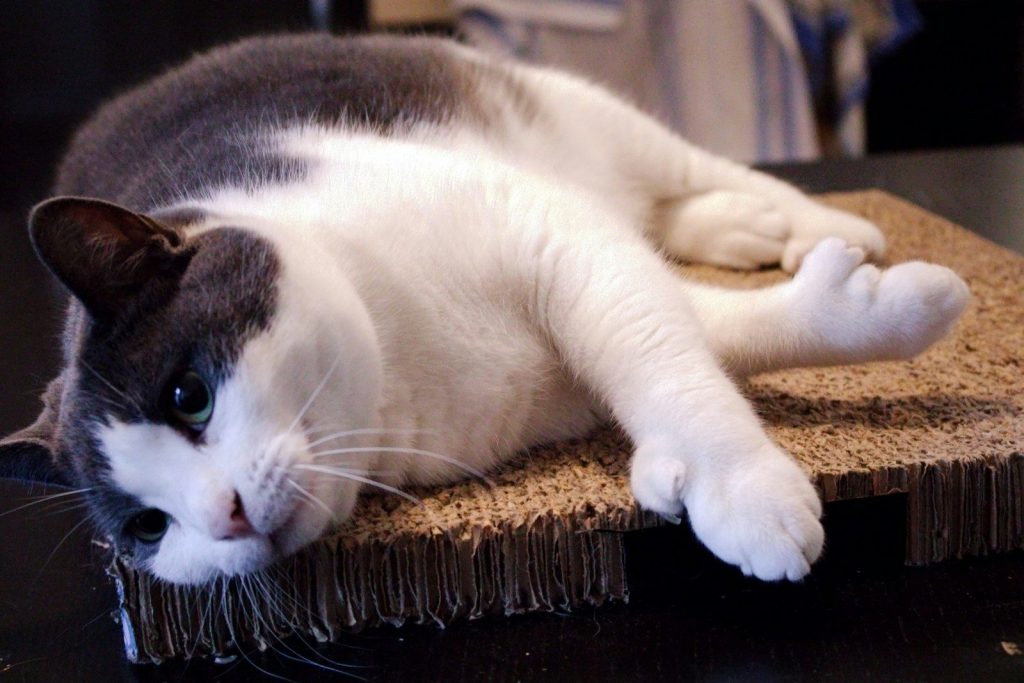
Game boards are made of thick, compressed cardboard, which is a fantastic insulator of body heat. Your pet loves warm spots. Sitting on the board allows them to stay cozy while remaining close to you. According to reports from the Cornell Feline Health Center, cats are naturally drawn to cardboard textures. This nesting instinct remains active.
Tracking Moving Game Pieces
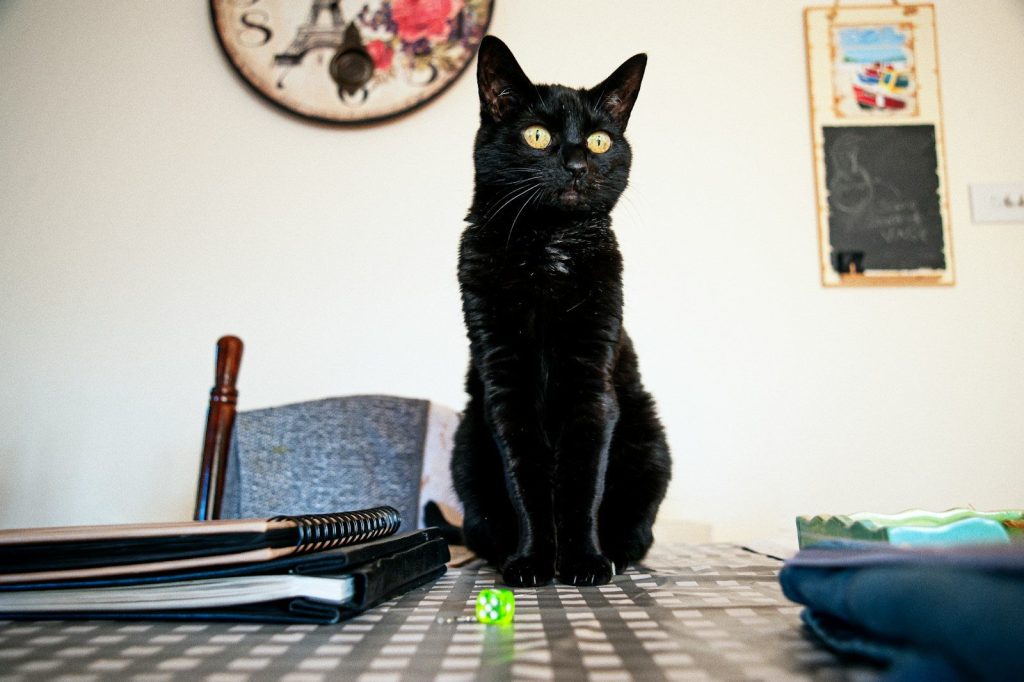
The slow, deliberate movement of small plastic pieces looks exactly like prey crawling in the wild. It triggers their hunting drive. Your cat instinctively wants to pounce on the moving object and bat it across the table. This visual stimulation can easily turn your quiet game night into a chaotic hunt. Fortunately, you can easily manage their behavior.
Claiming The Safe Territory
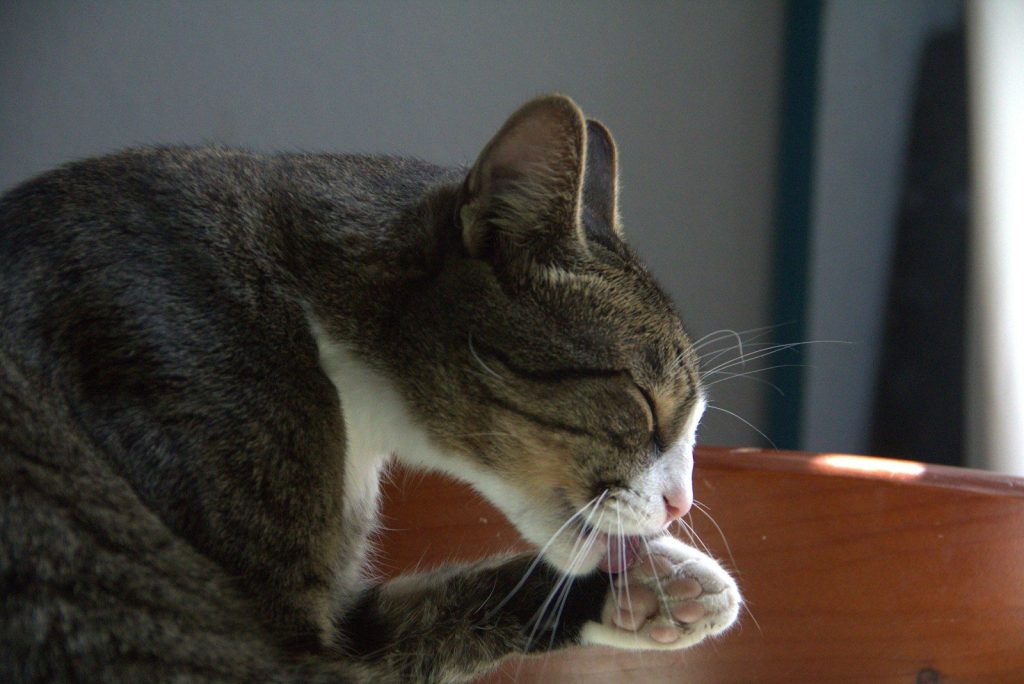
Board games are covered in your personal scent, making them highly attractive to your pet. They want to claim it. Felines have scent glands on their cheeks and will rub them against the cards. According to the American Veterinary Medical Association, this behavior marks the game as safe family territory. They want to ensure they remain your top priority.
Creating A Private Feline Spot
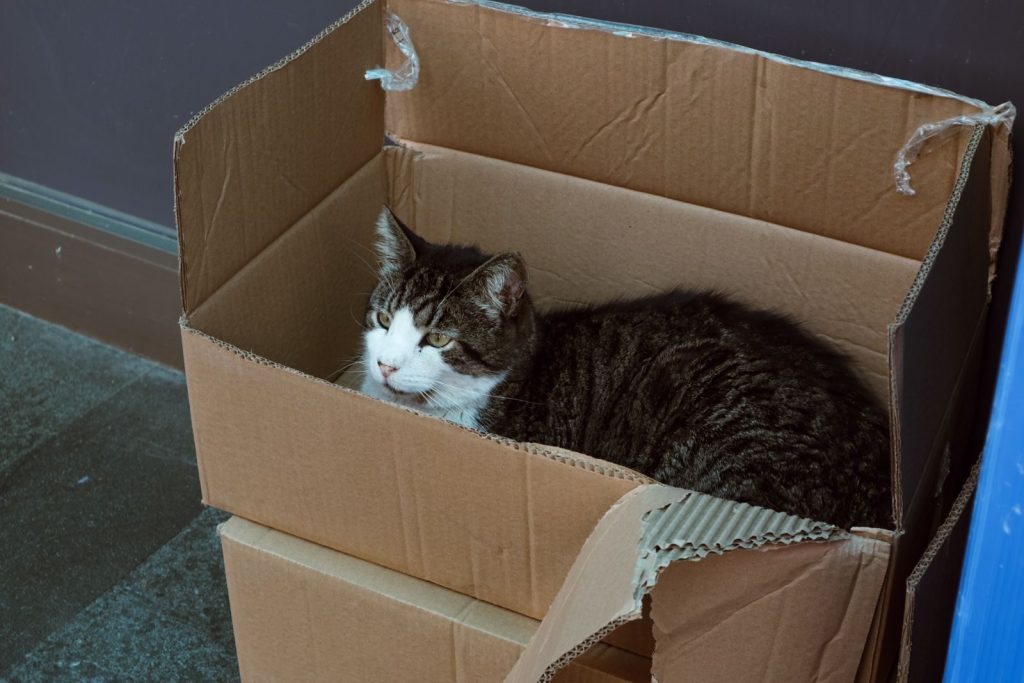
To keep your game board clear, set up a dedicated cat spot near the table. Use an empty cardboard lid. Placing a small box in the corner satisfies their nesting needs while keeping them close. According to reports from the Humane Society, this simple boundary redirects their nesting behavior. You can also use a simple play technique.
Playing Before Your Game Night
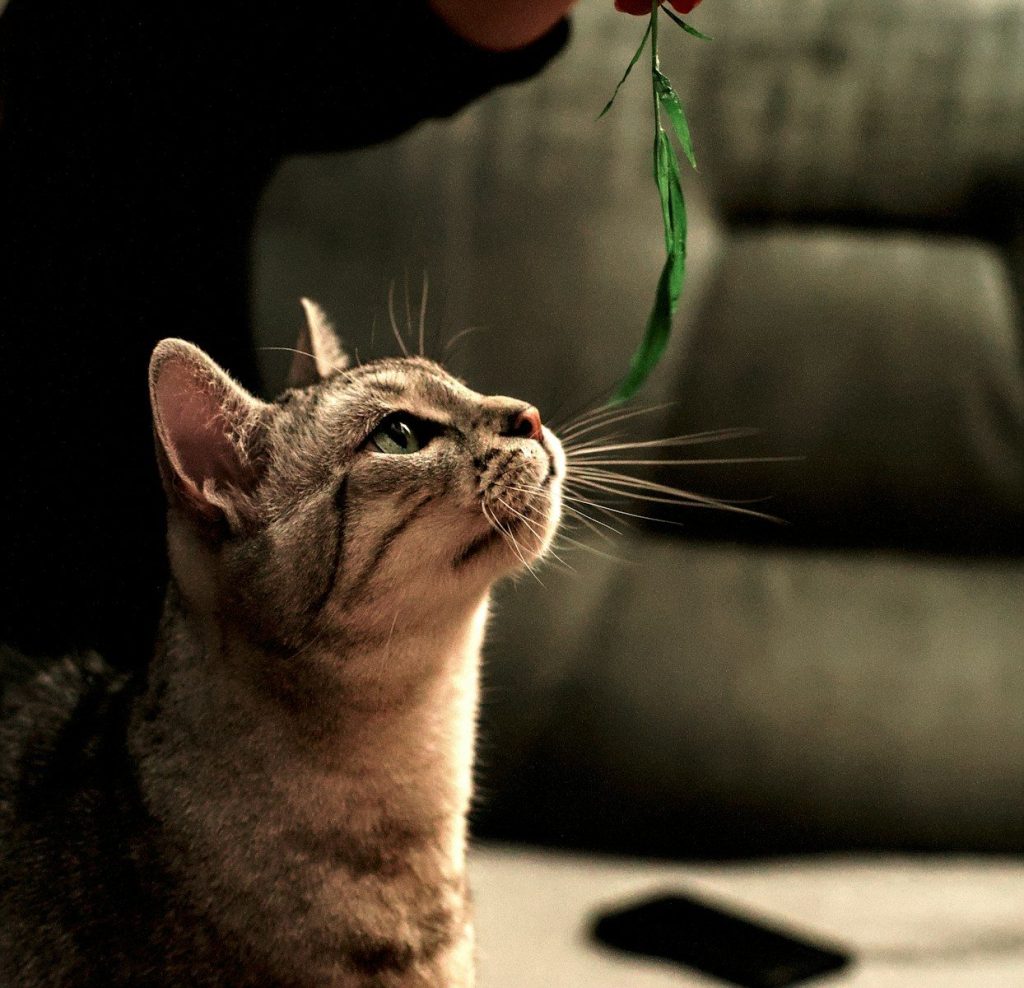
Spend ten minutes playing with your pet before you set up your board game. This burns their excess energy. A tired cat is much more likely to nap peacefully in their own bed while you play. Rewarding their quiet behavior with a small treat reinforces their good habits. There is another detail to keep in mind.
A Peaceful Shared Evening
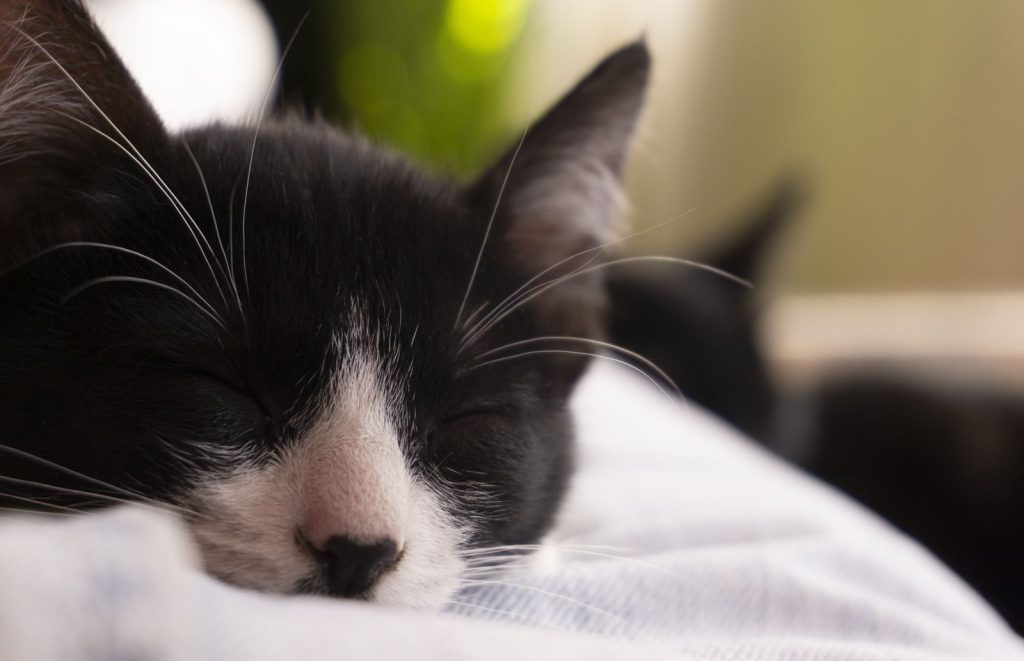
Being patient with your pet is the best way to maintain a happy household. They love you. With a cozy box and a structured play routine, you can play in peace while your companion rests happily nearby.
Featured Image: Photo by Eugene Chystiakov on Unsplash