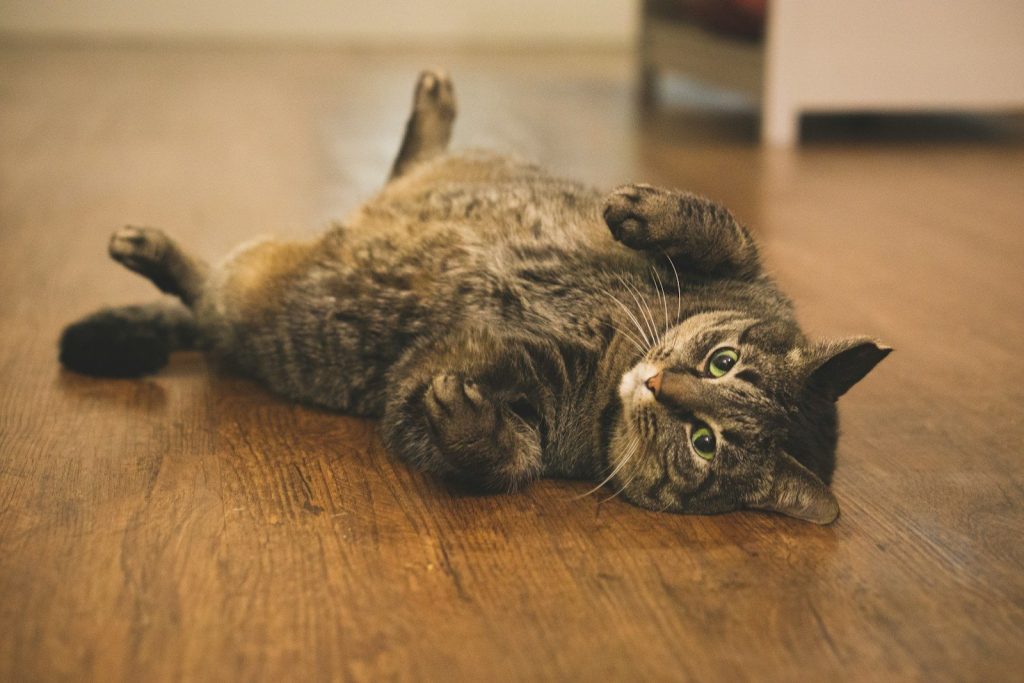

Watching your cat roll over onto their back is incredibly adorable. They look completely relaxed and invite you to reach down for a warm rub.
But veterinarians warn that this tempting, fluffy belly is often a dangerous trap. Touching it can trigger an immediate, painful reaction.
The Forbidden Fluffy Trap
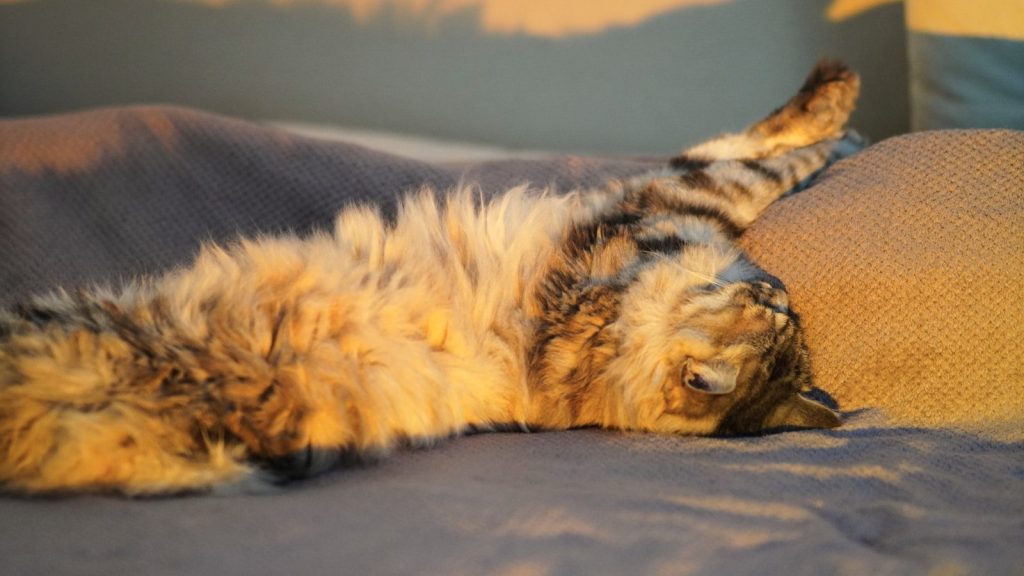
Many owners walk into the living room and find their cat stretched out. They look beautiful. The soft belly fur of a large breed like the Maine Coon looks irresistibly inviting. But the moment you reach down to pet them, they might quickly grab your hand with their claws. This sudden transition from peace to combat has a very deep biological explanation.
Protecting Their Most Vulnerable Area
A feline’s stomach is its most vulnerable physical region because it contains vital internal organs. In the wild, predators target this area during fights. When you touch their belly, you are triggering ancient defense instincts that force them to protect themselves. They view your hand as a threat rather than a source of comfort. But they are also trying to communicate something else.
Exposing The Tummy Shows Trust
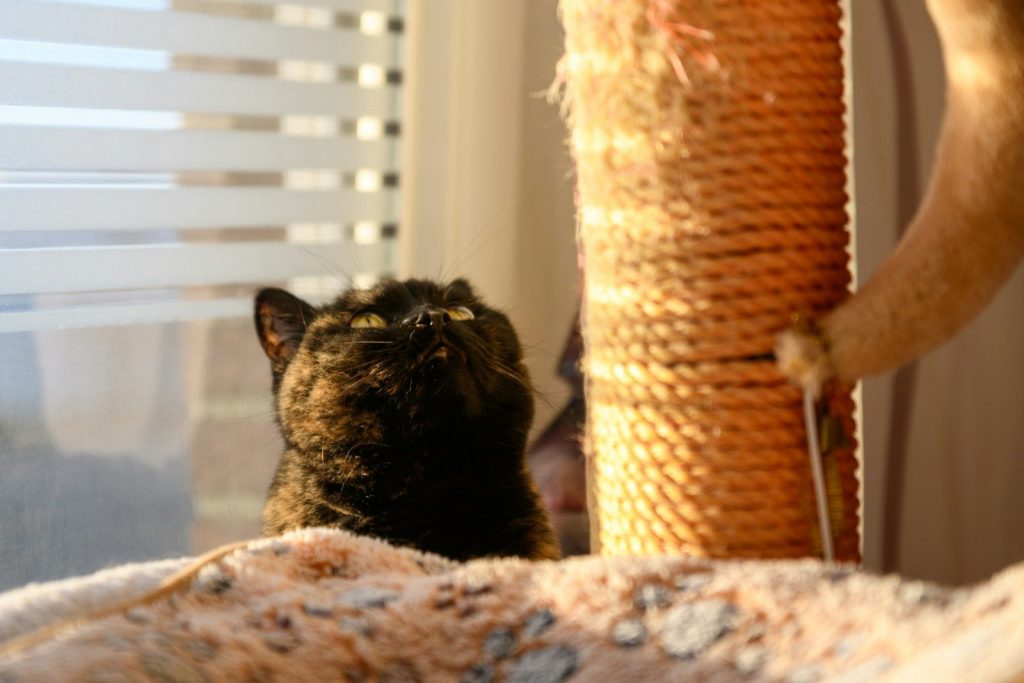
Rolling over to show their stomach is actually a major sign of trust, not a request for a massage. They feel safe. They are telling you that they feel perfectly secure in your home environment. Touching the area ruins this trust, making them feel cornered and defensive. Fortunately, your pet has other favorite spots where they actually love to be groomed.
Targeting The Facial Scent Glands
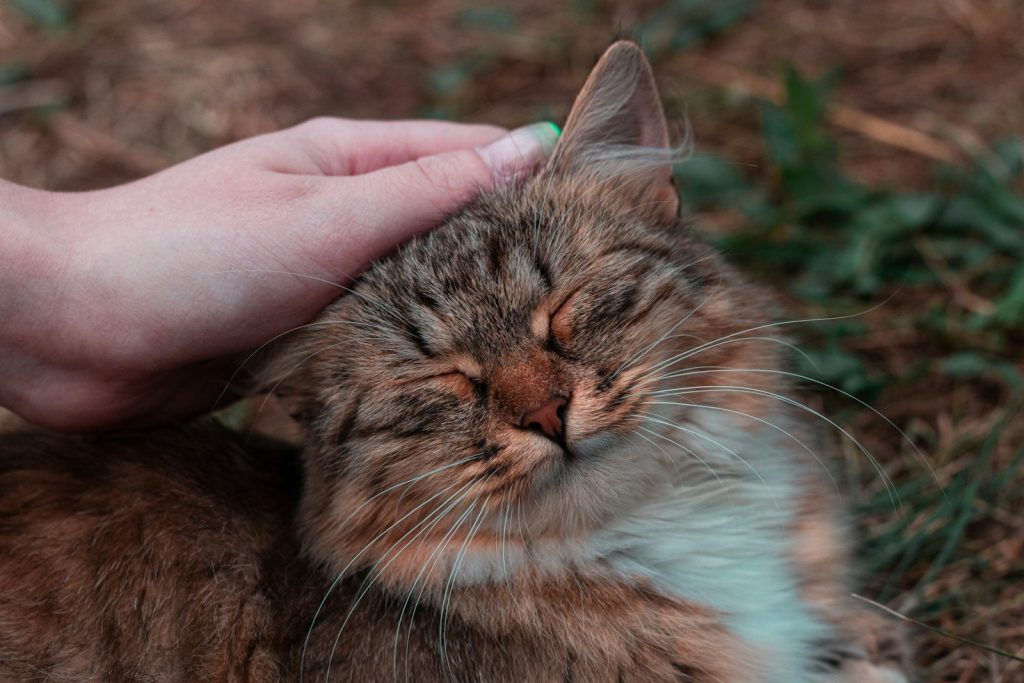
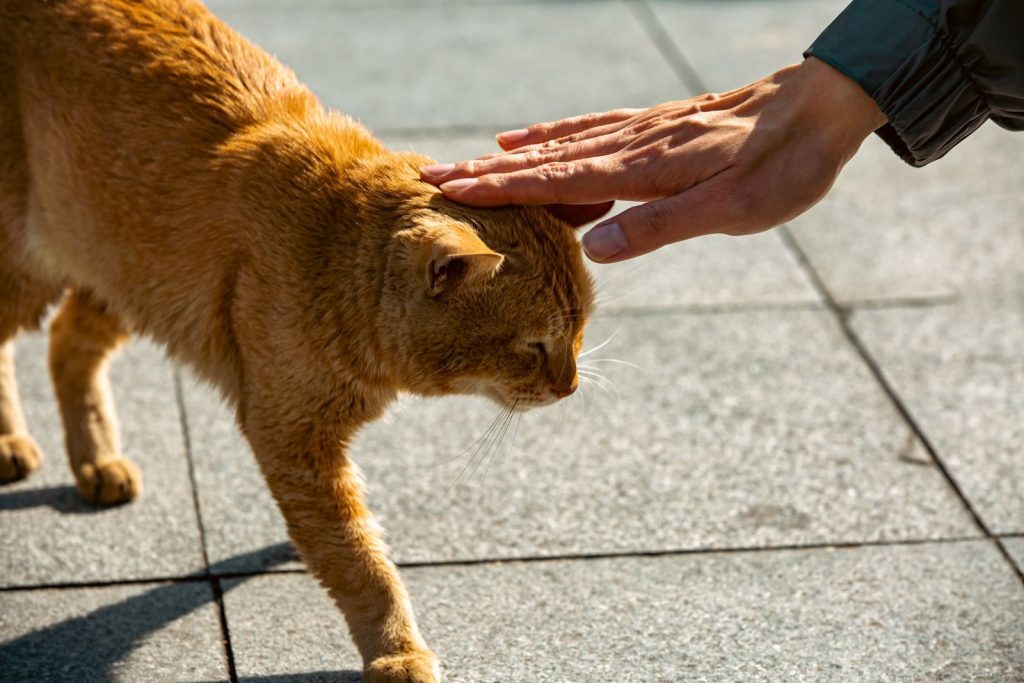
Felines love being scratched around their cheeks, chin, and ears because they have active scent glands there. It feels calming. Rubbing these spots allows them to deposit pheromones and mark you as family. According to reports from the Cornell Feline Health Center, head scratches release happy hormones in the brain. But you must watch their silent warning signs carefully.
Reading Feline Body Language
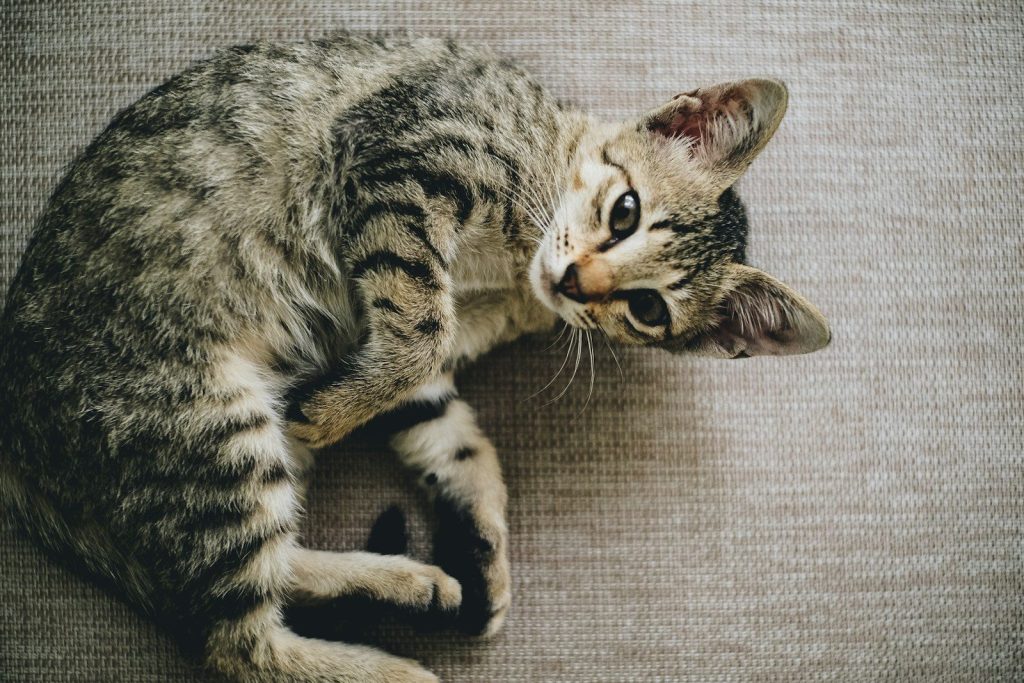
Your pet will use subtle body language cues to tell you when they are feeling overstimulated. Watch their tail closely. Heavy thumping or quick twitching means they are losing patience with your touch. According to the American Veterinary Medical Association, respecting these silent boundaries builds immense trust between you and your pet. This spatial respect is critical for a happy home.
Why Large Breeds Suffer More
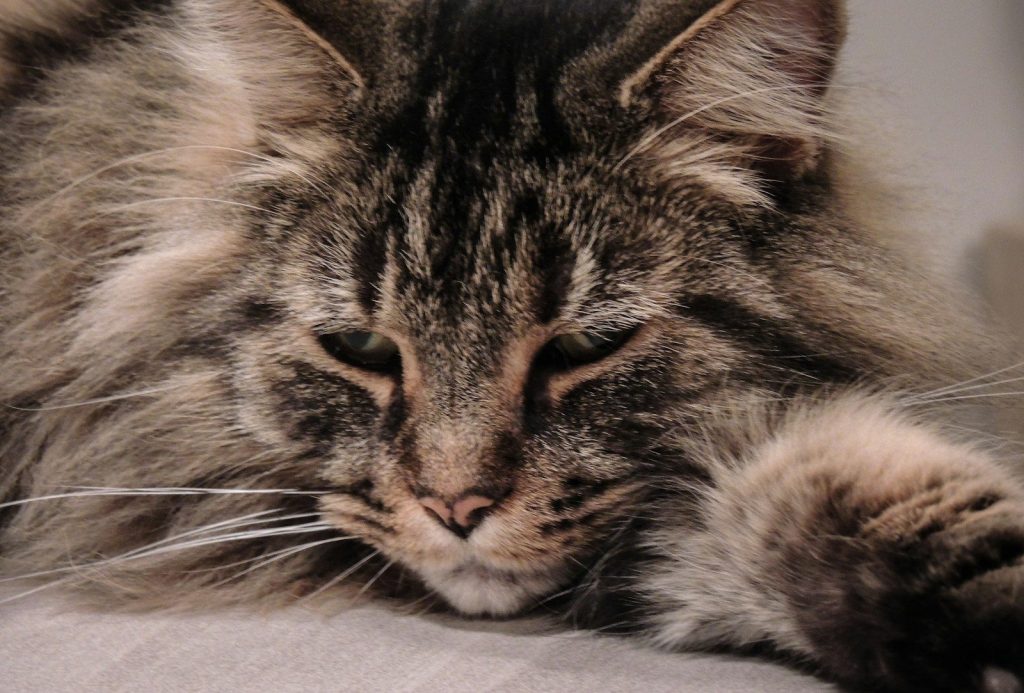
Giant breeds like the Maine Coon have highly sensitive skin under their thick double coats. They easily get overstimulated during long grooming sessions. According to breed experts, their massive size makes physical pressure feel much more intense. Always keep your petting sessions short and focused on their favorite areas to prevent sudden swipes. This careful handling is vital for another important reason.
Building A Bond of Respect
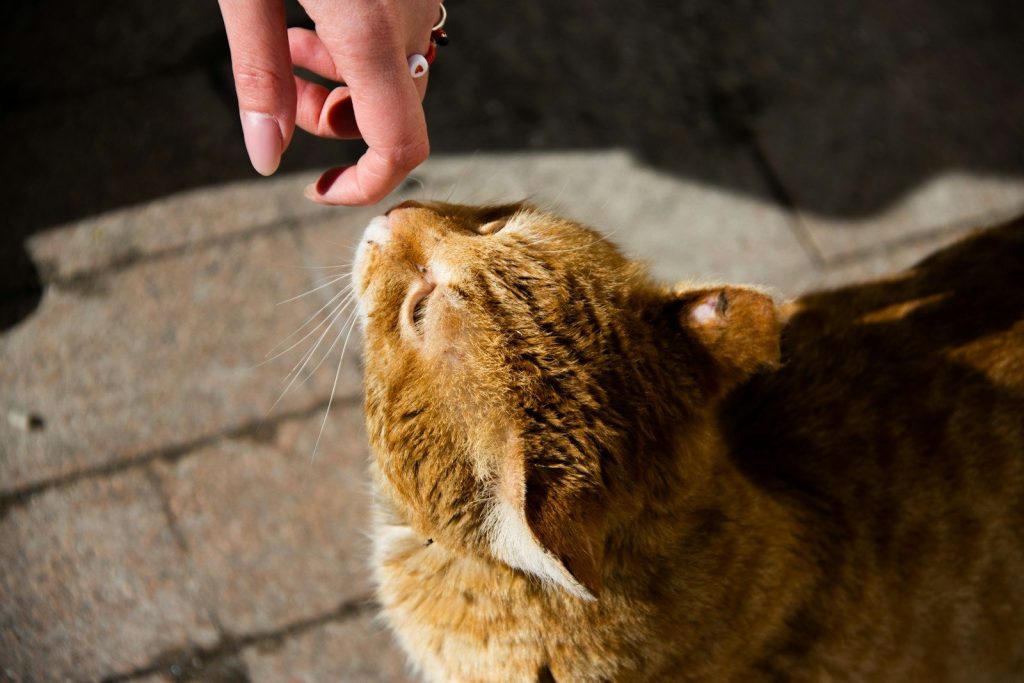
You can easily train your pet to enjoy gentle body scratches using positive reinforcement methods. Keep touch sessions brief and offer high-value treats afterward. Let your cat initiate the contact, allowing them to sniff your hand first. According to the Humane Society, this patient approach turns fearful felines into loving lap companions. There is one final rule to keep in mind tonight.
A Happy Balanced Relationship
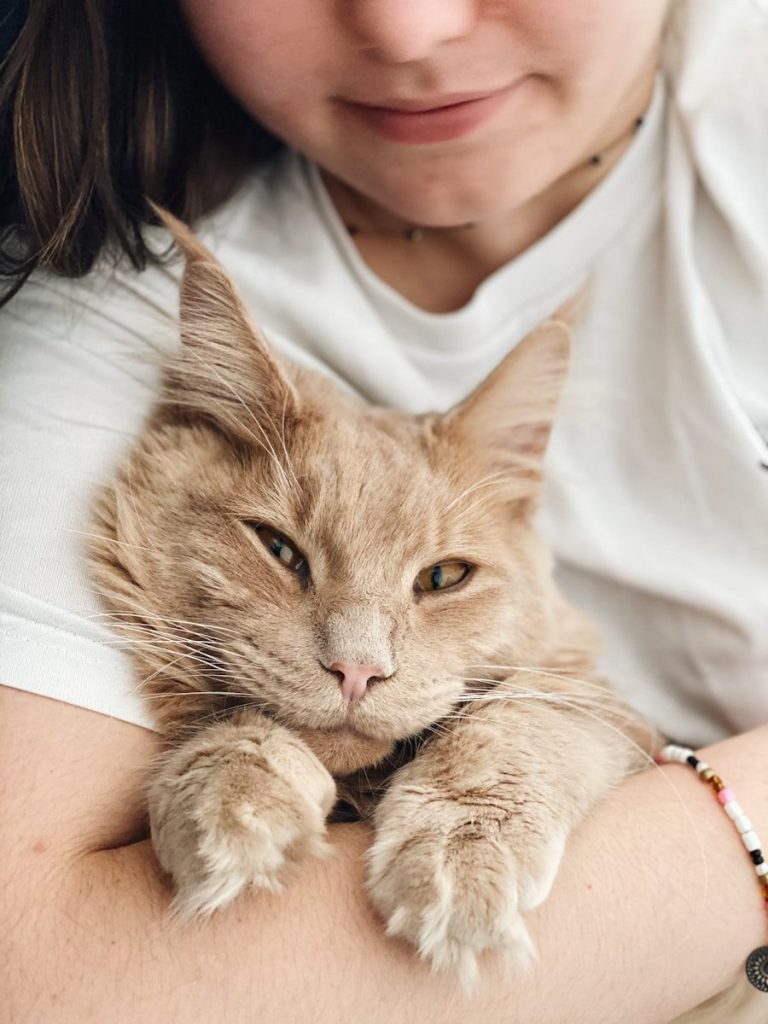
Enjoying those quirky roll-over moments from a safe distance ensures your companion feels secure and loved. Every pet is unique. This article is for informational purposes only and does not constitute veterinary advice. Keep offering gentle love and watch your bond thrive.
Featured Image: Photo by Gina Santangelo on Unsplash