

Feline vocalizations are a complex way for our pets to communicate their daily needs. We often expect soft purrs and quiet meows.
But when one loud cat began screaming like a human to call his owner, the footage went viral. Why do some felines develop such extreme vocal behaviors?
The Shocking Daily Morning Wakeup
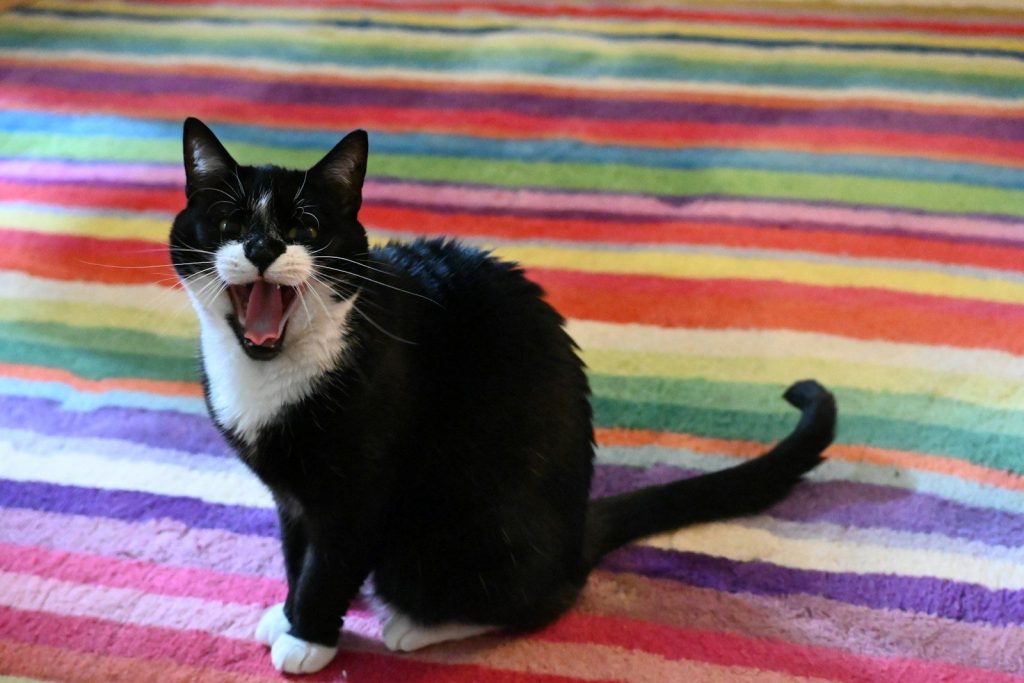
A handsome tuxedo cat named Barnaby recently stunned millions of viewers with his unique vocal style. He does not meow. Instead, he lets out a deep, dramatic yell that sounds exactly like a person calling for help. He uses this sound daily to summon his owner to the kitchen. But this hilarious behavior actually has a very logical explanation.
Humans Train Felines Unintentionally
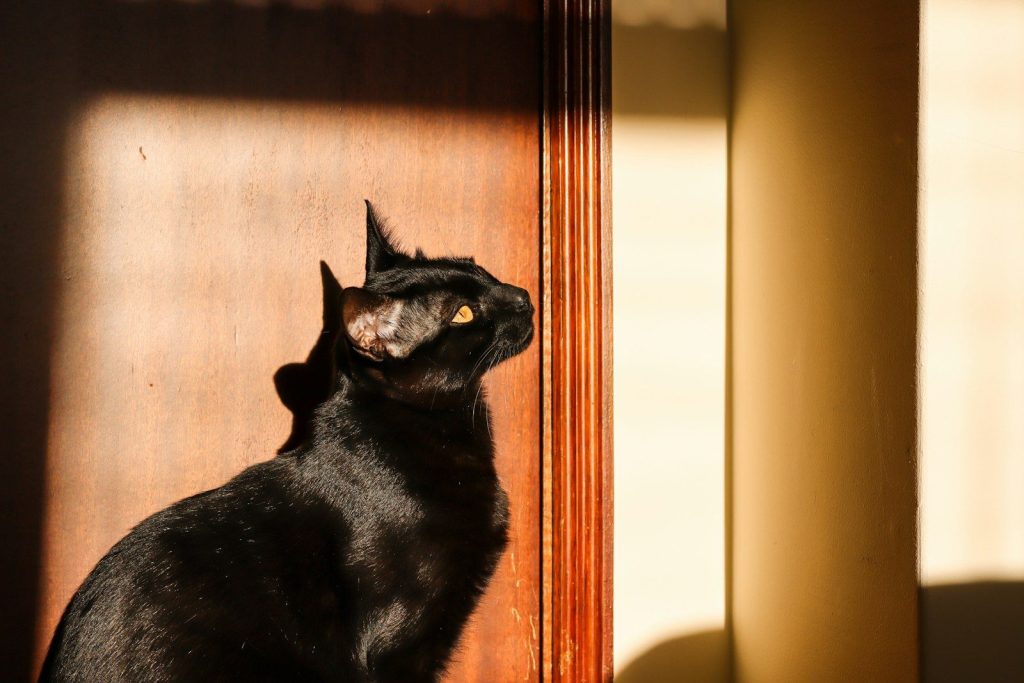
According to the American Veterinary Medical Association, felines rarely meow at other adult cats in the wild. They reserve this vocal communication almost entirely for their human companions. When a cat yells, and their owner runs to help, the pet learns a valuable lesson. They realize loud sounds bring immediate attention. In fact, they might be demanding something very specific.
Demanding Premium Morning Treats
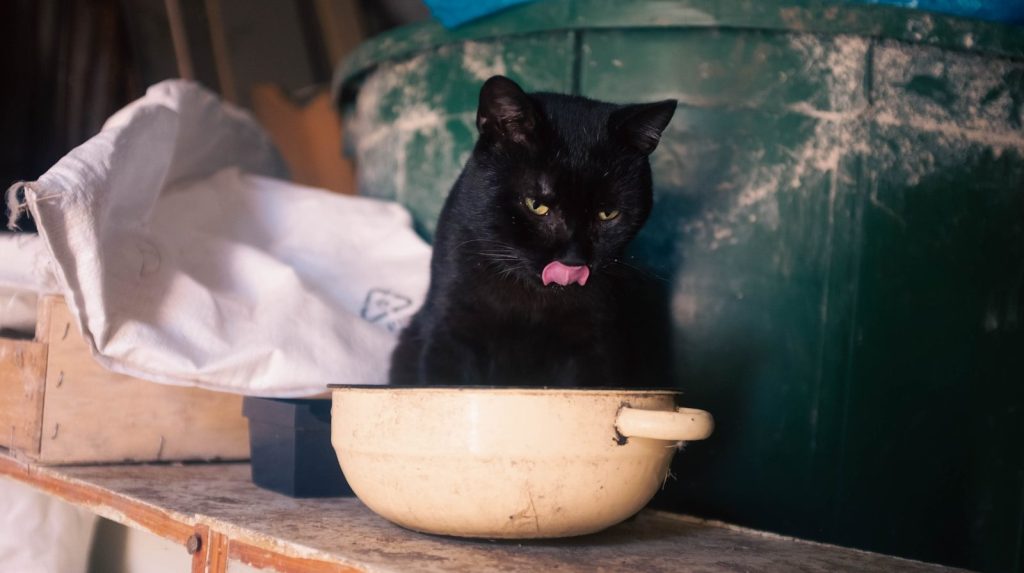
Hunger is the most common trigger for these dramatic vocal demands early in the morning. They want breakfast. If you feed your pet immediately after they meow, you are reinforcing the noisy behavior. They will continue to scream louder each day to ensure you wake up. However, there is another emotional reason behind their loud voice.
Craving Human Social Contact
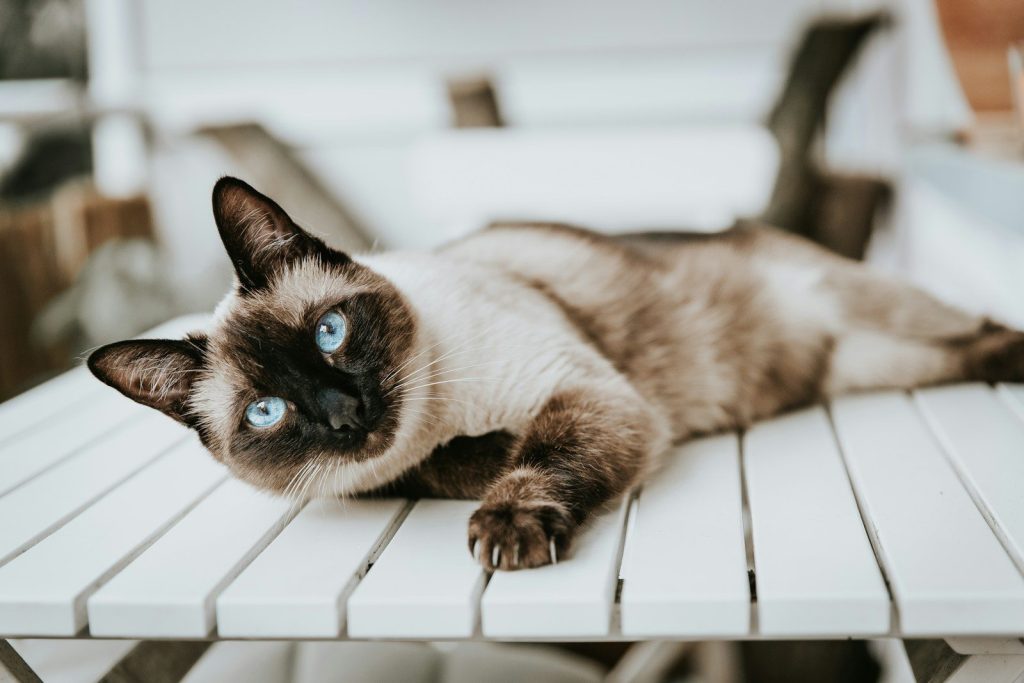
Some highly social breeds simply scream because they want your undivided attention and affection. They feel lonely. They want to hear your voice and feel your reassuring touch on their chin. This behavior is incredibly common in active breeds like the vocal Siamese. But you can easily train your pet to use a much quieter voice.
The Power of Ignoring Noise
To stop the daily screaming, you must completely ignore your pet when they make loud sounds. Do not look at them, talk to them, or offer treats. Wait for a brief moment of absolute silence before rewarding them with praise. According to reports from the Humane Society, positive reinforcement of quiet behavior is highly effective. But a sudden vocal shift requires immediate veterinary attention.
Checking For Underlying Illness
A sudden, unexplained increase in vocalization can sometimes signal a serious underlying health condition in older pets. They might be in pain. According to the Cornell Feline Health Center, thyroid issues or cognitive decline can trigger constant howling. This article is for informational purposes only. Always consult your family veterinarian if your pet’s voice changes suddenly.
Embracing A Quieter Morning Routine
Consistently practicing these steps will help you enjoy quiet mornings with your pet again. Be patient. Your pet will quickly adjust to the new, peaceful routine with time. This article is for informational purposes only and does not constitute veterinary advice.
Featured Image: Photo by Aleksandr Nadyojin on Pexels