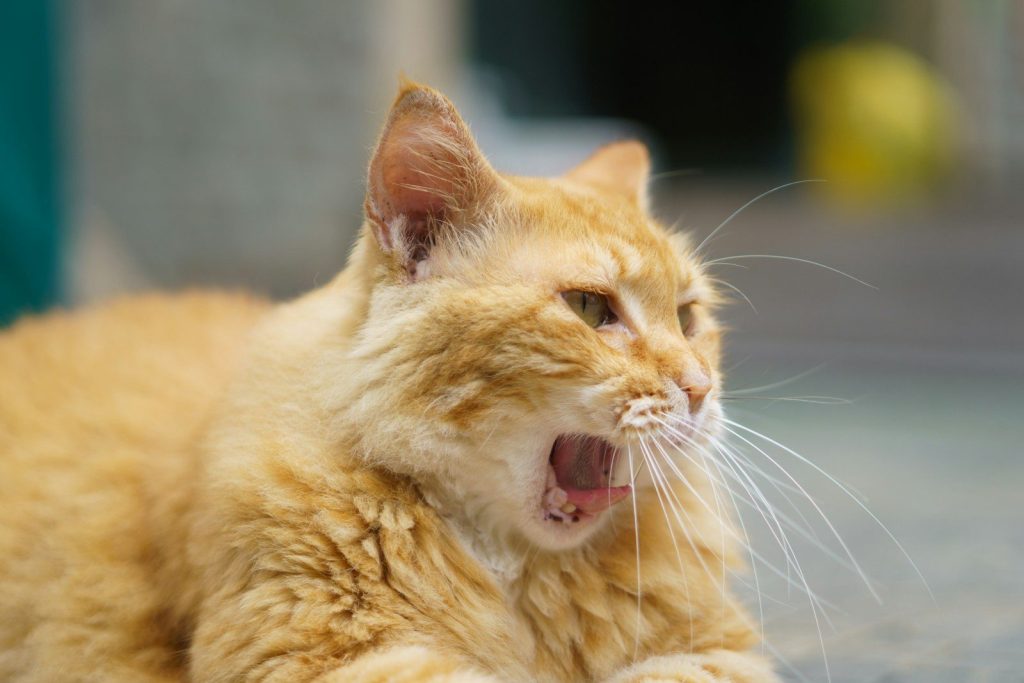

We love feeding our growing kittens and watching them enjoy their delicious daily meals. It is a sweet bonding routine.
But what happens when your little pet continues to scream for food immediately after eating a full bowl? One viral orange kitten with a hilarious milk beard is proving that greed is a very real feline trait.
The Hilarious Milk Beard Proof
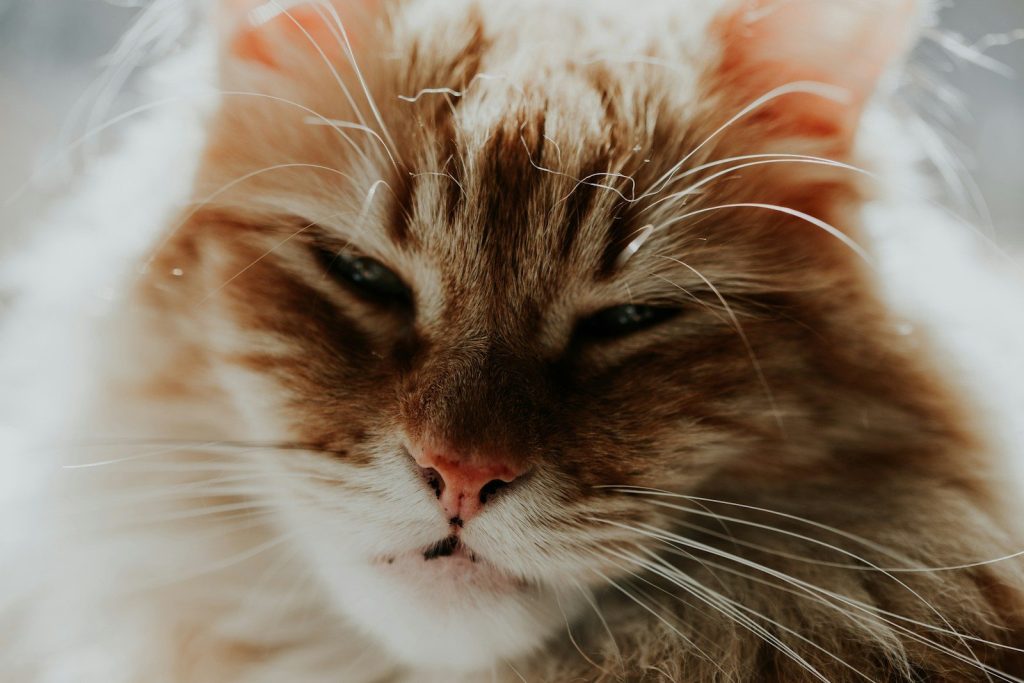
A tiny ginger Maine Coon named Rusty recently went viral after screaming for food. He looked hungry. But his owner noticed a highly obvious white milk beard covering his entire chin, proving he had just finished eating. This funny video captured a highly relatable behavior that many pet owners face daily. There is a deep biological reason why kittens act so hungry.
High Calorie Growth Spurt Drives
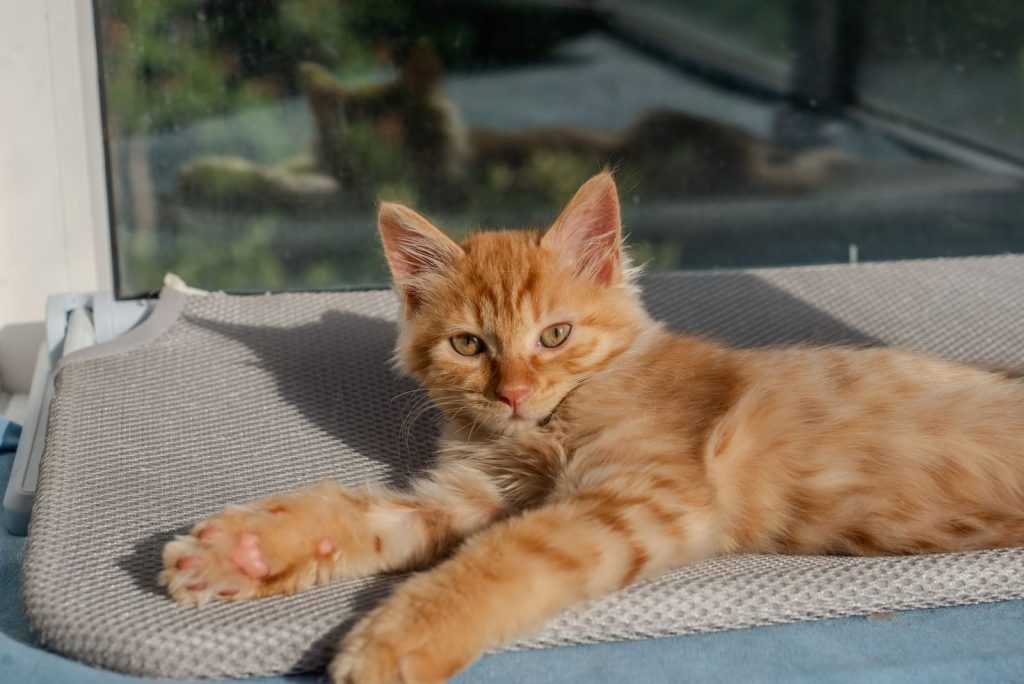
Growing kittens require up to three times more calories per pound than adult cats. They burn energy rapidly. According to reports from the Cornell Feline Health Center, their rapid development requires consistent, nutrient-dense meals. This high metabolic drive can make them feel constantly hungry even after a full feeding. But their wild ancestry also plays a major role.
The Opportunistic Hunter Instinct
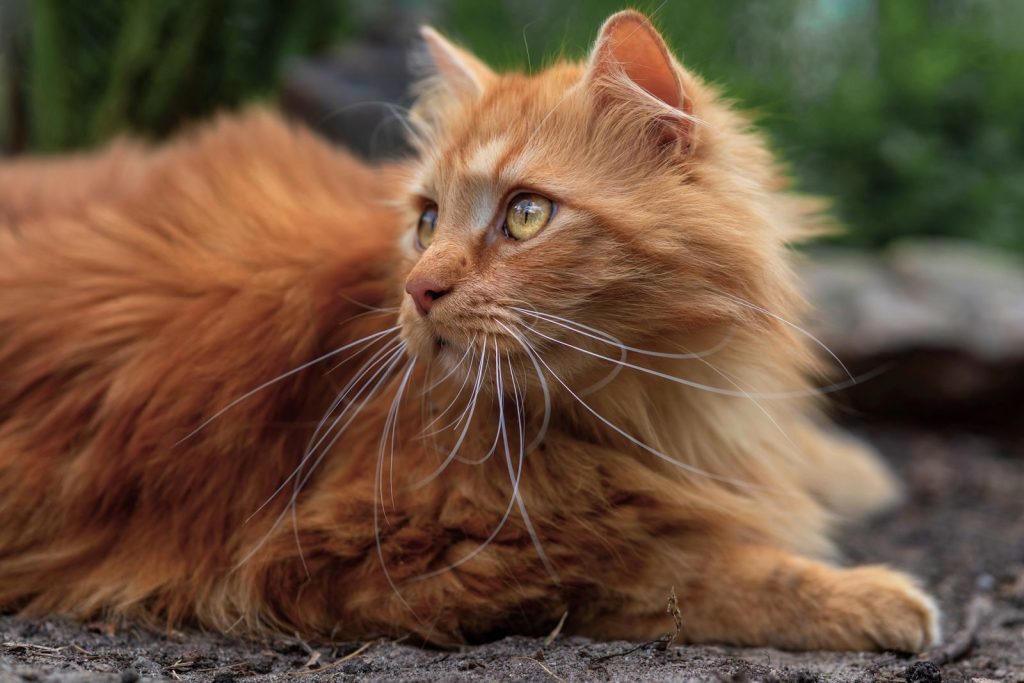
In the wild, food is highly unpredictable and hard to find daily. Felines evolved to eat whenever food is available, even if they are already full. This survival instinct remains highly active in your modern kitchen, prompting your pet to beg constantly. They view your cooking routine as a prime hunting opportunity. But you must be careful not to overfeed them.
The Danger of Extreme Weight Gain
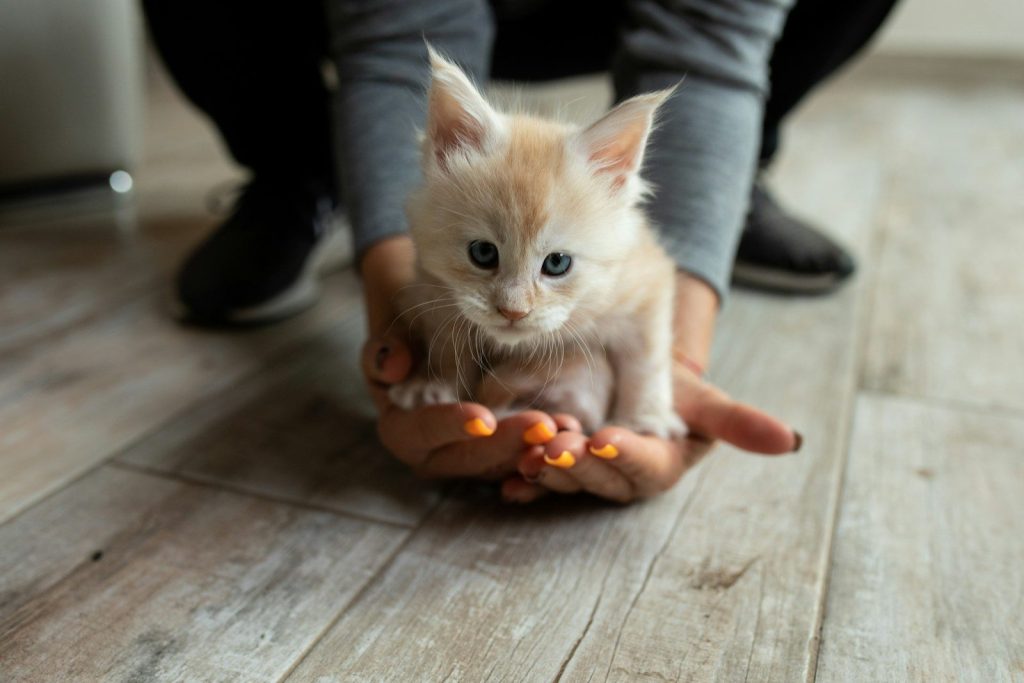
Giving in to every meow can quickly lead to severe pet obesity. This is a major health hazard. According to the American Veterinary Medical Association, excess weight puts strain on growing joints and can trigger diabetes. Keeping a strict feeding schedule is vital to protect their long-term health. Fortunately, there is a simple way to manage their hunger.
Using Interactive Puzzle Feeders
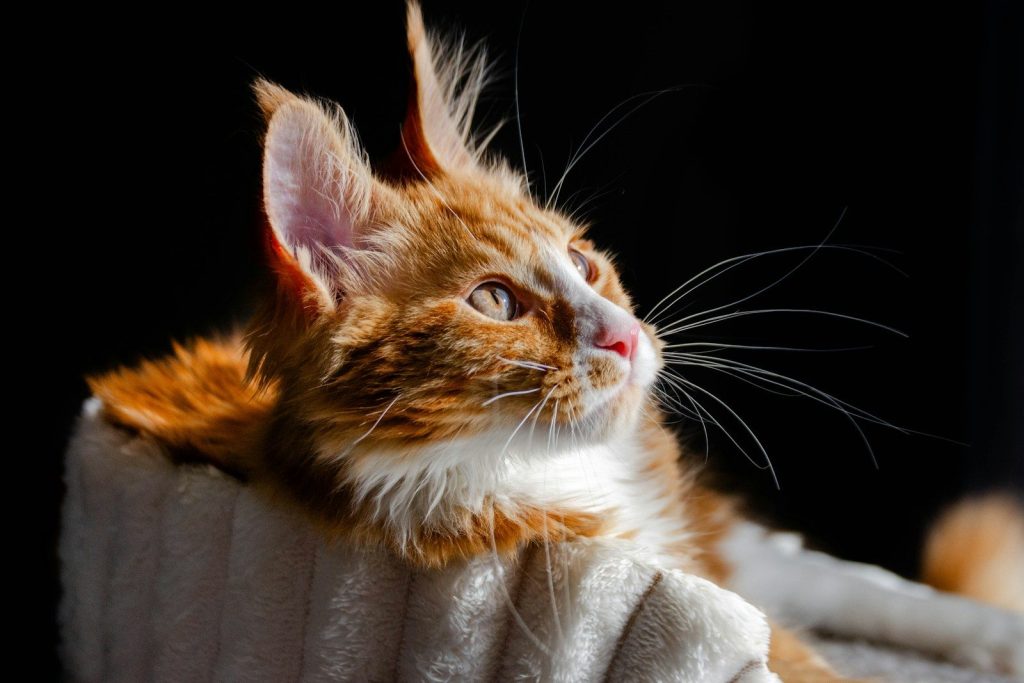
Slowing down their eating habits can help them feel full and satisfied for longer. Use puzzle toys. These feeders force your kitten to solve a physical challenge to release their food. This mental stimulation keeps their minds active and reduces the urge to beg immediately. There is another critical routine to establish tonight.
Setting A Strict Feeding Schedule
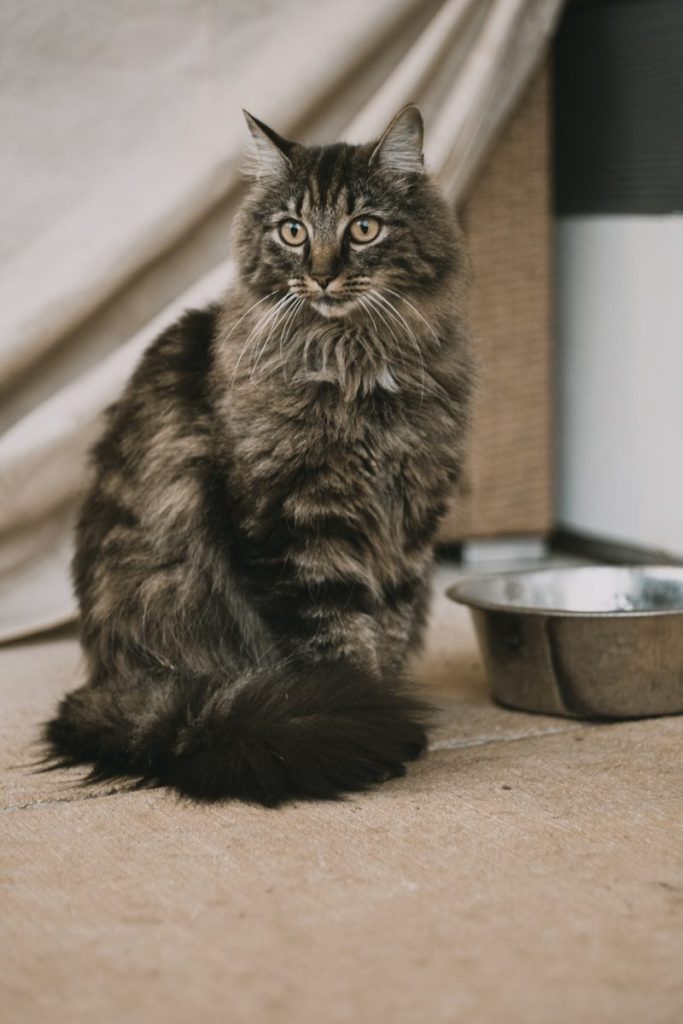
Cats are creatures of habit that thrive on a highly consistent daily routine. They love predictability. Feed them at the exact same times every day to reduce their food anxiety. A predictable environment ensures your young pet feels secure and relaxed between meals. There is one final check to make before changing their diet.
Consult Your Family Veterinarian
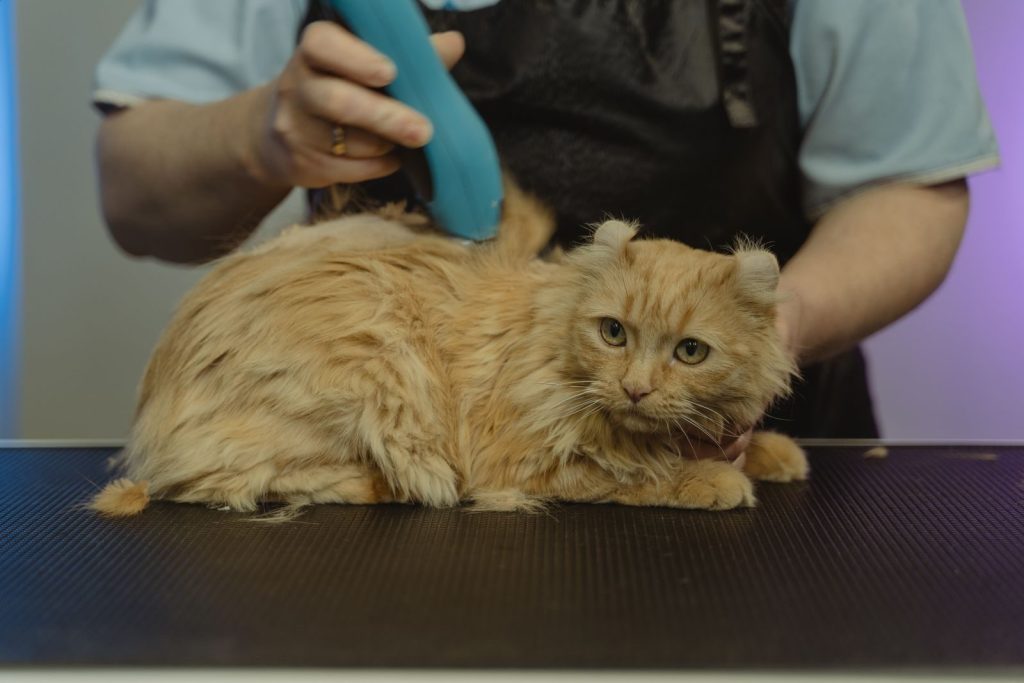
Always consult your family veterinarian if your kitten shows a sudden, unexplained change in appetite. This article is for informational purposes only and does not constitute veterinary advice. Your careful planning ensures a healthy, balanced life for your growing companion.
Featured Image: Photo by Shawn Rain on Unsplash