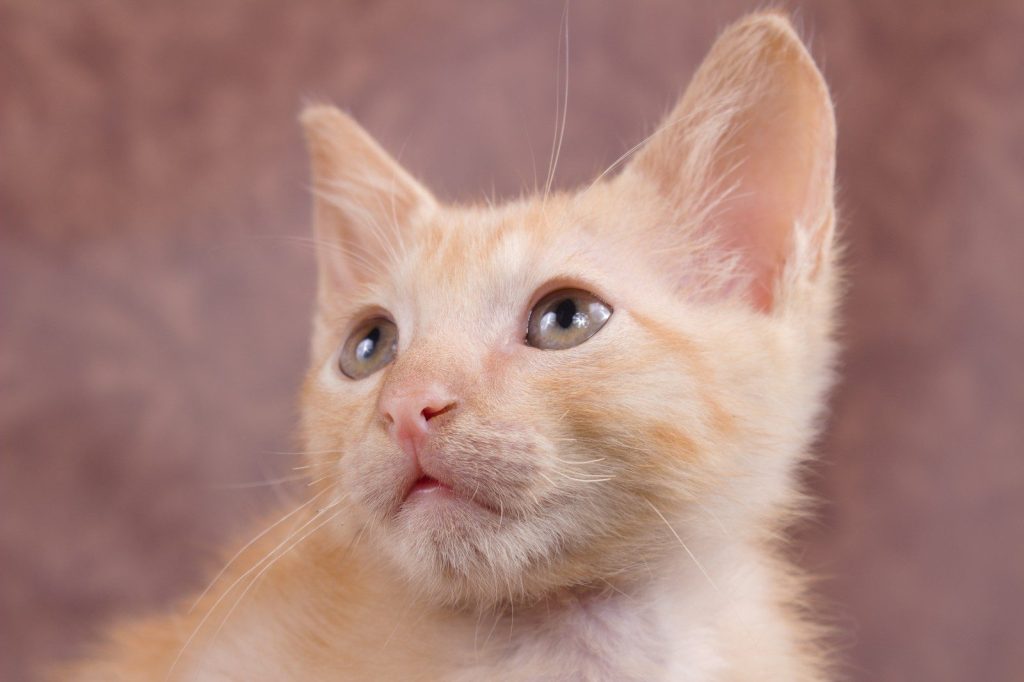

You promise yourself that you will only provide a temporary home for a few weeks. Then you look into those big kitten eyes.
Foster failing is an incredibly common phenomenon in the rescue community. Feline behaviorists reveal why some kittens are simply impossible to return to the shelter.
The emotional trap of early socialization
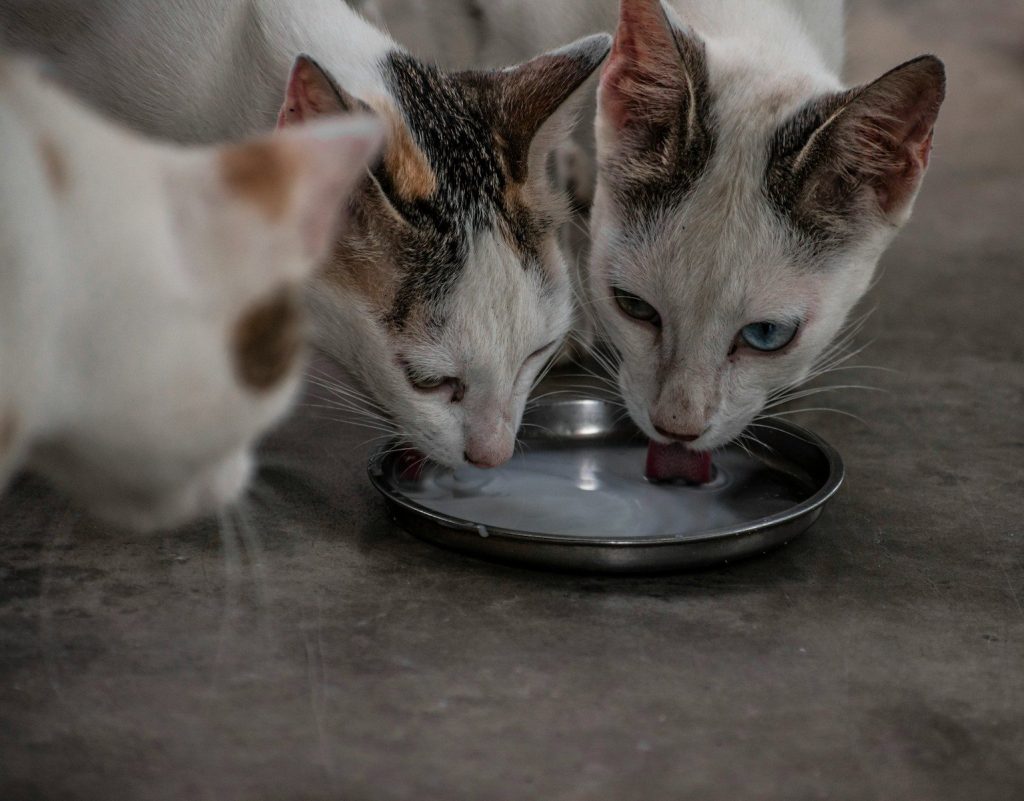
Caring for a fragile orphan kitten requires hours of bottle feeding, warming, and gentle cleaning. This intense daily contact creates a deep biological bond between the caregiver and the animal. According to the ASPCA, felines form their strongest social impressions during their first eight weeks of life. The kitten begins to view you as their actual mother. But this bond works both ways.
How humans fall for the vulnerable
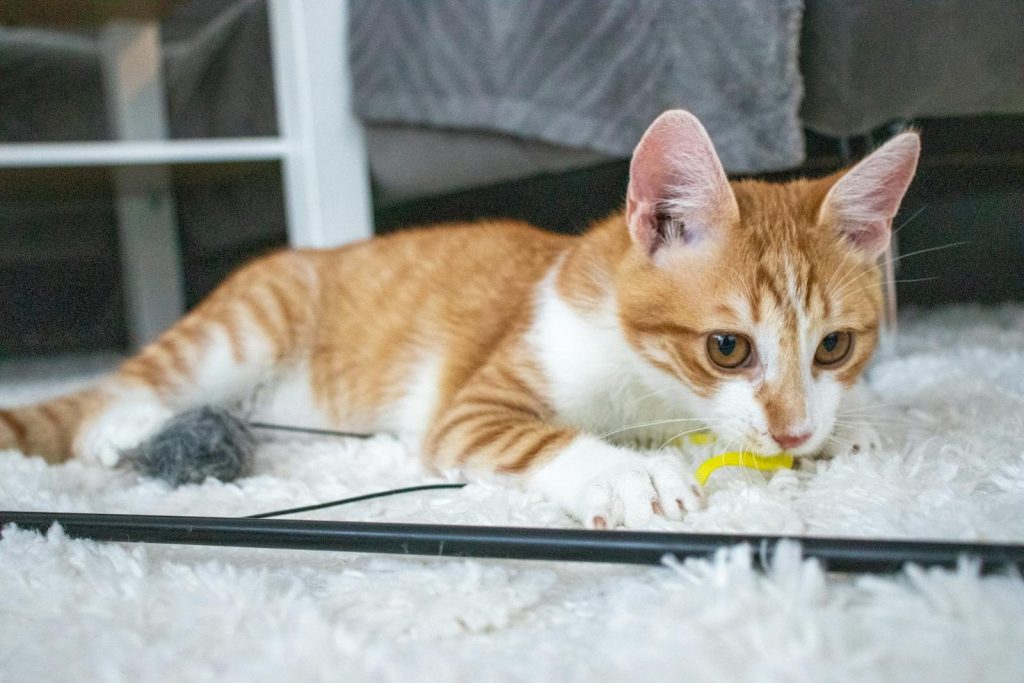
Watching a weak street kitten grow stronger under your care triggers a powerful reward system. You celebrate every gram of weight gained and every wobbly step they take. This shared survival journey creates an immense sense of accomplishment and emotional attachment. Saying goodbye feels like giving away a piece of your heart. But foster parents must still try to remain objective.
The initial plan to find adopters
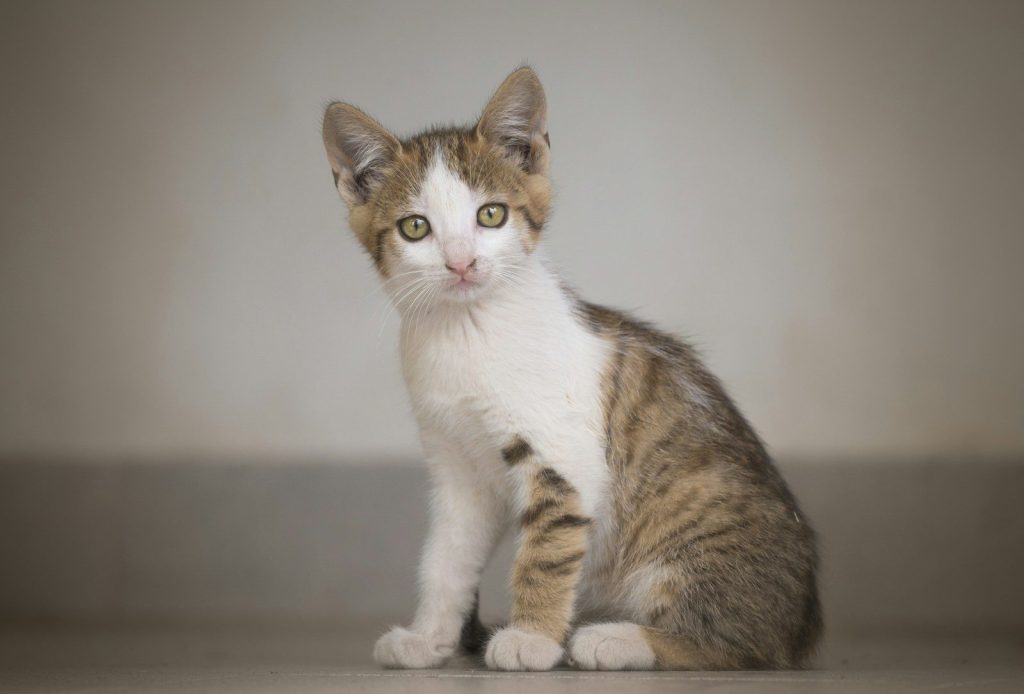
The foster mom prepared the kitten for the upcoming adoption event by taking cute photos and writing a lovely bio. She told herself that letting this one go would free up space to save another life. This logical approach is what keeps the rescue system running smoothly. However, the kitten had a completely different plan.
An unforgettable display of affection
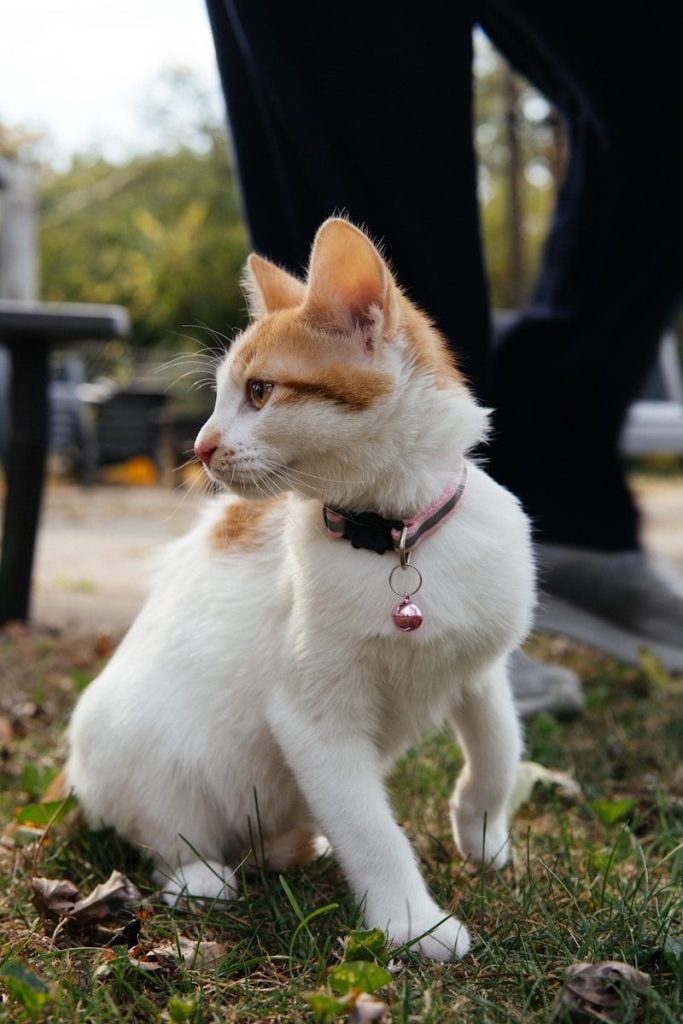
Every time a potential adopter approached the playpen, the kitten ran to the back corner and hid. But the moment the foster mom walked into the room, he sprinted forward and climbed up her jeans to curl around her neck. He chose his human companion with absolute clarity. This exclusive preference made the family hesitate. But they still had to consider their resident pets.
Winning over the grumpy resident cat
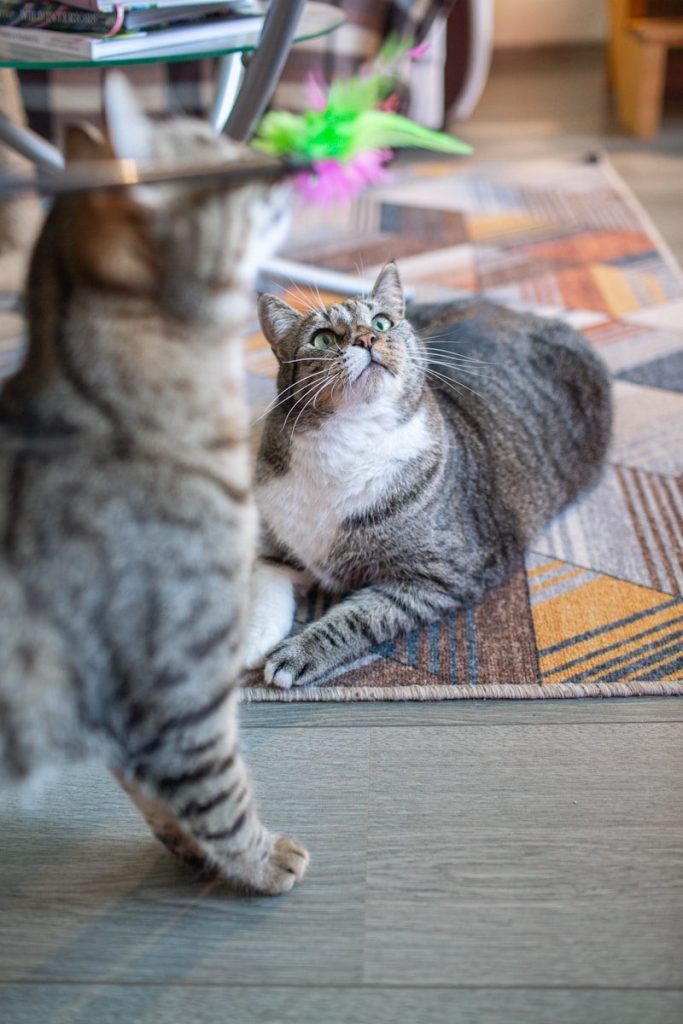
The home held an older cat who typically ignored all visitors and valued his quiet space. Surprisingly, the tiny foster kitten managed to slip past his defenses with persistent, gentle play invitations. Within a week, the two were grooming each other on the rug. The older cat had officially adopted the newcomer as his little brother. But the final decision was still looming.
Making the official foster fail choice
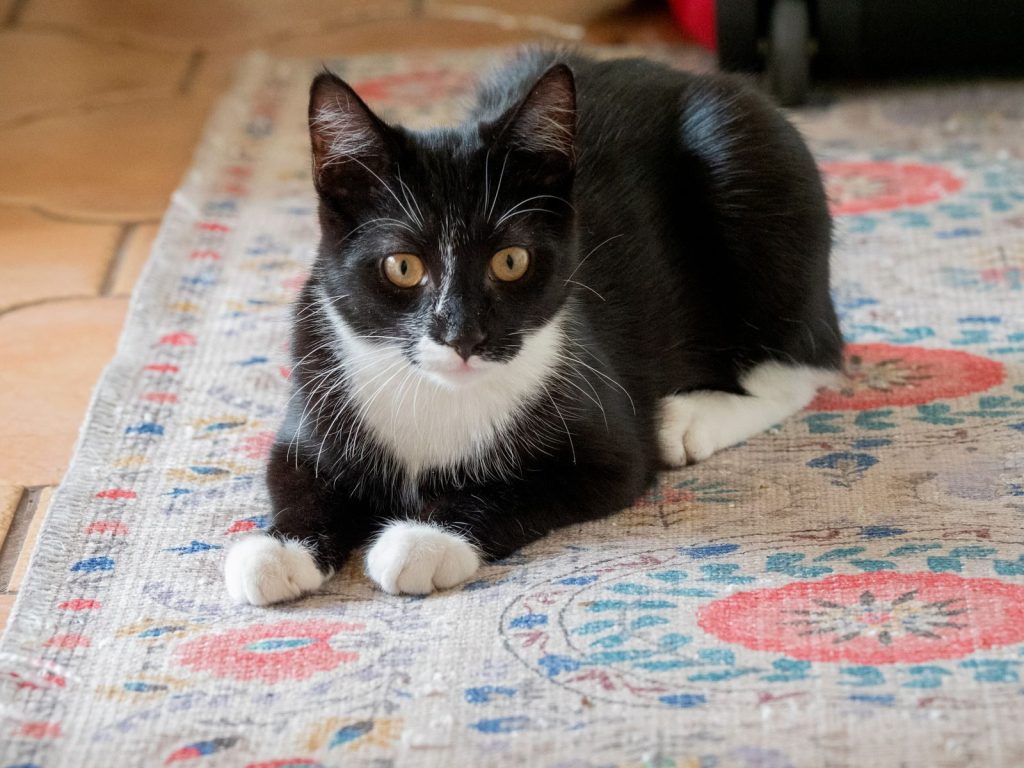
On the morning of the adoption event, the foster mom realized she could not put the kitten in the car. She called the shelter coordinator to submit the official adoption paperwork herself. This joyful defeat brought immense relief to the entire household. Dr. Jessica Vogelsang notes that foster failing can be a wonderful way to expand your family safely. But how did this choice affect her rescue work?
Continuing to help other animals in need
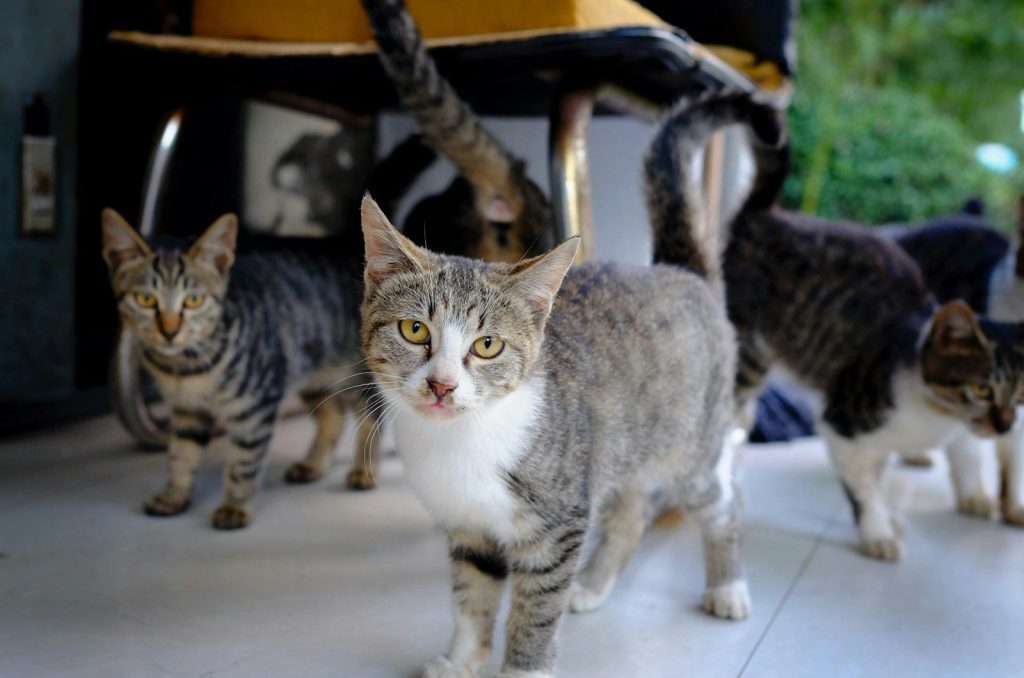
Many people worry that adopting their foster pet means they must stop rescue operations completely. However, foster failures often become excellent mentors for future homeless animals. They help teach new litters crucial socialization skills in a safe domestic environment. Your new pet can help you save more lives over time. But there is one final rule to keep in mind.
Enjoying a beautiful life together forever

Ensure you manage your home resources carefully so your pets stay completely healthy. This article is for informational purposes only and does not constitute veterinary advice. Enjoying a lifelong bond with a rescued companion is a beautiful reward. Your gentle decision to open your heart creates a wonderful future filled with endless love and happy memories.
Featured Image: Photo by GLADYSTONE FONSECA on Unsplash