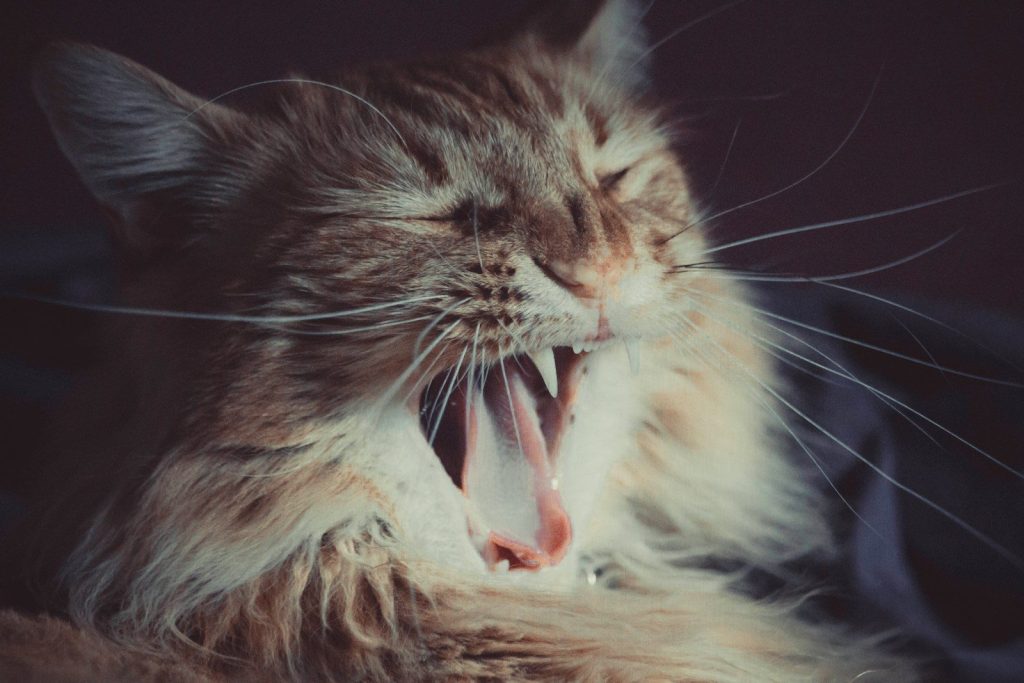

Maine Coons are famous for their giant bodies and wild lion looks. But their voices are often the most shocking thing about them.
A viral video of a massive cat having a clear daily chat with his owner left millions in awe. Science has finally decoded what these felines are trying to say.
The mismatched voice of a giant
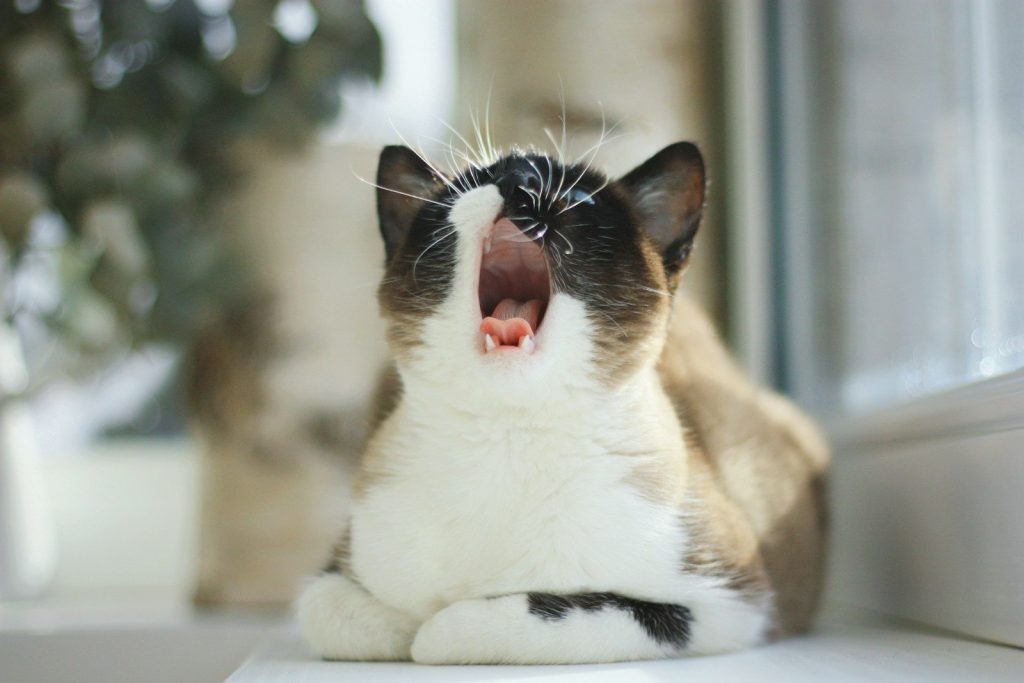
A full-grown Maine Coon can easily weigh over twenty pounds. Yet instead of a deep roar, they communicate with soft chirps and high trills. This acoustic mismatch is a signature trait of the breed. Owners often feel like they are speaking to a small songbird rather than a giant predator. But this vocal style has a fascinating history.
Evolving as busy northern farm workers
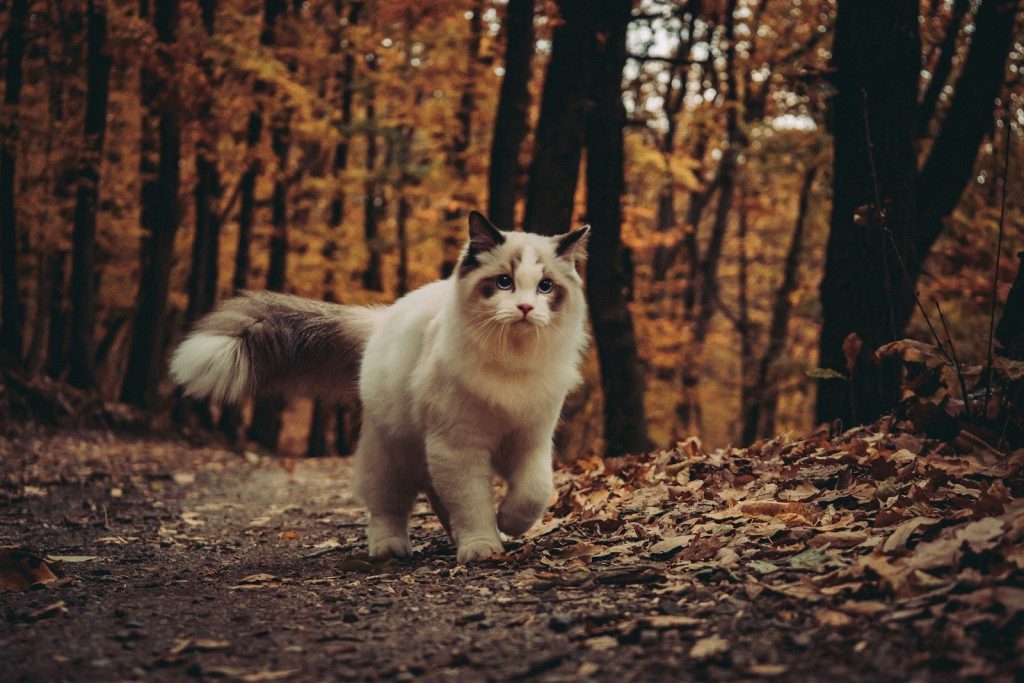
These cats originated in cold climates where they worked as outdoor mousers. Standard meows can carry too far, alerting prey to their presence. Their soft chirps allowed them to coordinate hunting movements without making a sound. According to historical breed data, they retained these unique vocalizations as they transitioned indoors. But why do they talk so much to humans?
The smart art of human manipulation
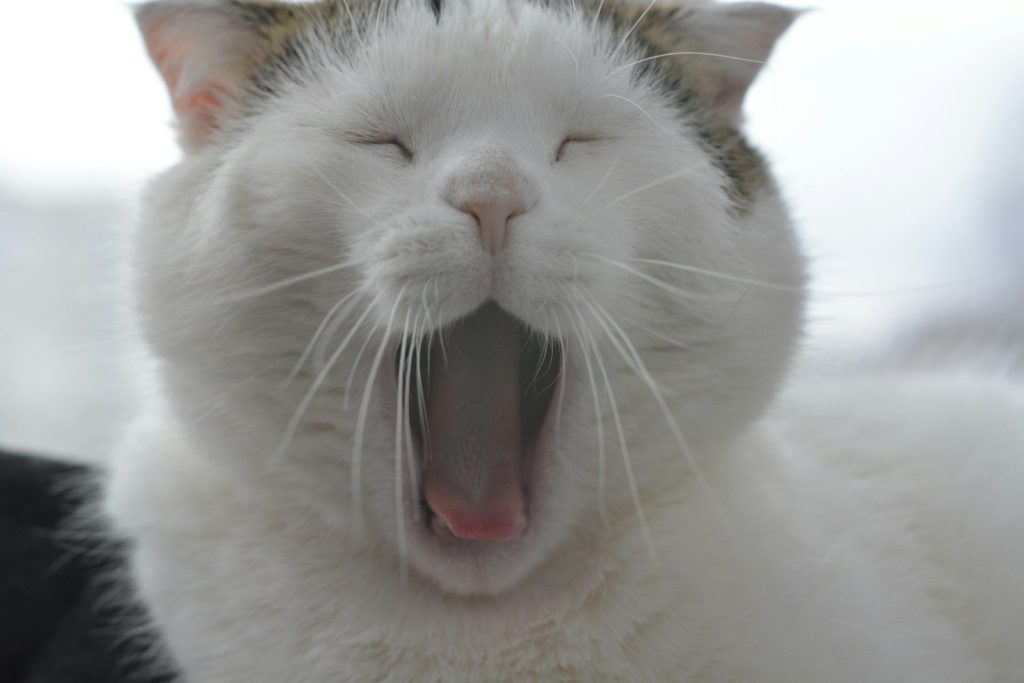
Felines quickly learn which sounds get their owners to open the food cabinet. They alter their pitch to sound more like a human baby, triggering our natural caregiving instincts. According to a study from the University of Sussex, felines embed a high-frequency cry within their pleasant purrs. This clever tactic makes their demands impossible to ignore. But there is another reason they speak.
Reading the tail during vocal sessions
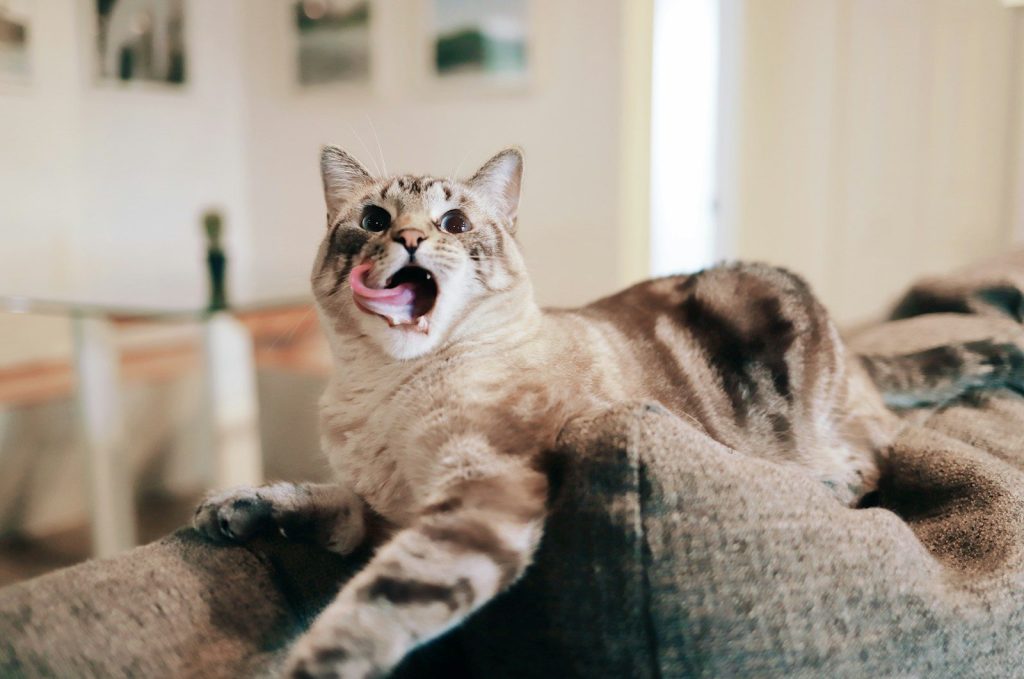
A talkative cat is often a happy and engaged companion. But if their tail thumps heavily while they chirp, they might be feeling overstimulated. Respecting these physical boundaries keeps your relationship peaceful and secure. Learning to read these dual messages is the key to deep trust. Yet some vocal changes require a quick trip to the clinic.
A sudden quiet spell can point to a hidden medical issue

If your chatty feline suddenly becomes silent, monitor their behavior closely. A sudden loss of volume can indicate a sore throat or a respiratory infection. According to the Cornell Feline Health Center, changes in vocal habits warrant a professional examination to rule out illness. Fortunately, most quiet spells are just normal rest. But you can actually encourage them to speak.
How to talk back to your cat

You can build a fun vocal relationship by mimicking their soft chirps. Rewarding their vocalizations with high-value treats teaches them to keep responding to your voice. This playful training keeps their active brains stimulated throughout the quiet afternoon. It turns a routine day into an interactive game. But physical health plays a massive role in their speech.
Hydration keeps their voices clear and strong

Cats need plenty of water to keep their throat tissues healthy. Offering wet food or a moving water fountain encourages them to drink more daily. According to the American Veterinary Medical Association, proper hydration prevents chronic kidney issues in aging felines. A healthy cat is a happy and vocal companion. But what is the ultimate benefit of these daily chats?
The relaxing power of a chatty companion
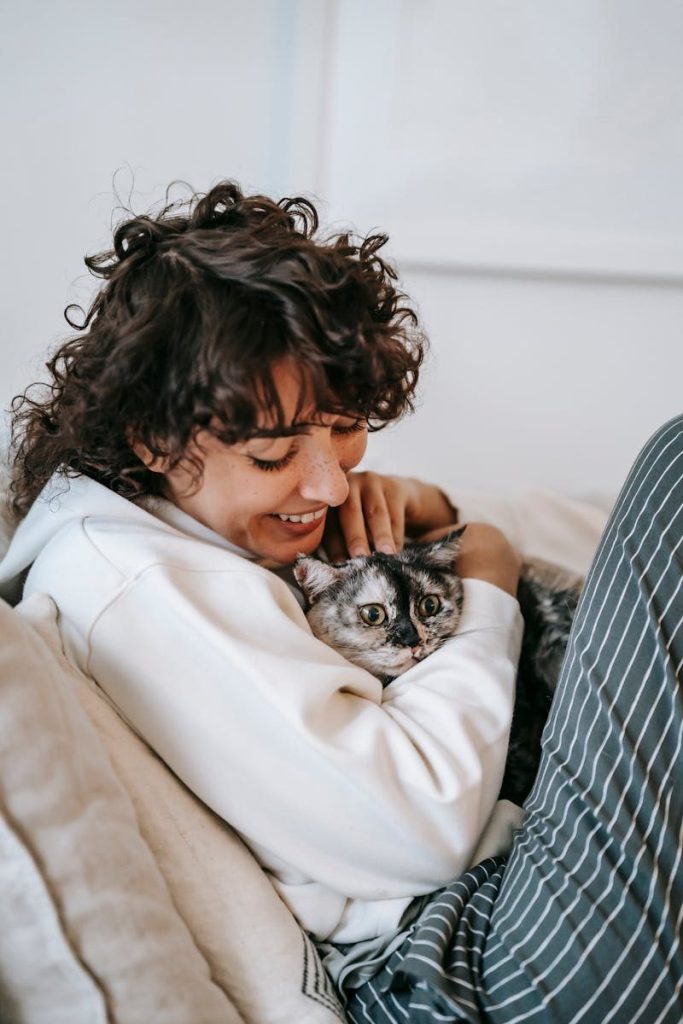
Living with a talkative pet brings immense joy and daily laughter to the home. Listening to their soft responses lowers human blood pressure and reduces stress. This article is for informational purposes only and does not constitute veterinary advice. Embracing their unique sounds builds a beautiful bond of mutual love.
Featured Image: Photo by Alexis Gethin on Unsplash