
Felines are highly intelligent creatures that observe our daily movements with intense curiosity. They track our habits closely.
When one clever cat learned to bypass closed doors, his owners were completely shocked. Why did this persistent pet refuse to stay locked out of their bedrooms?
The Persistent Tabby Invader
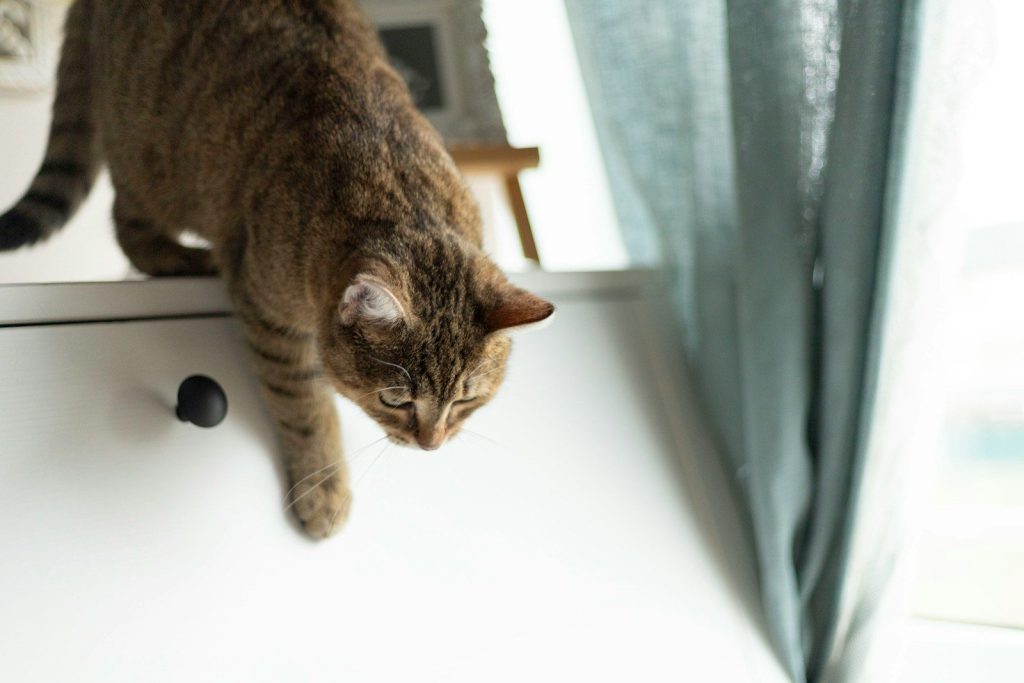
A handsome tabby named Oliver has charmed millions of viewers with his unique problem-solving skills. He was persistent. Whenever his owners closed a door, Oliver would jump up, grab the metal handle with his paws, and pull it down. This calculated movement allowed him to explore any room in the house.
What Feline Intelligence Explains
According to reports from the American Veterinary Medical Association, cats often mimic human actions to bond with them. Oliver had spent months watching his owners turn handles to enter rooms. He realized that this specific physical action resulted in open doors. But his motivation went far beyond simple curiosity.
Demanding Constant Family Closeness
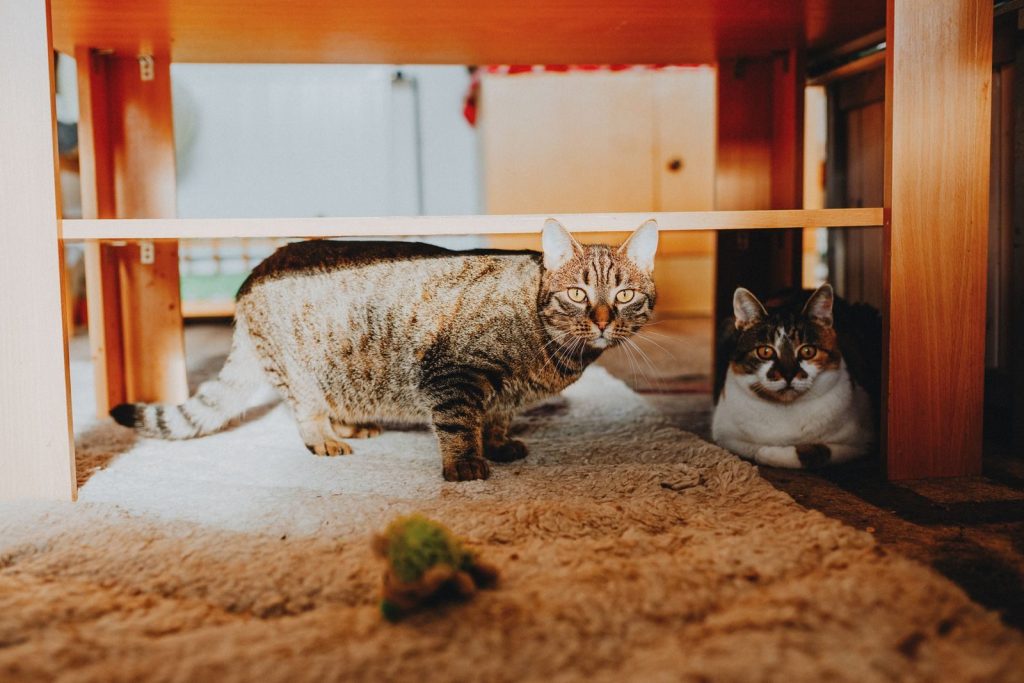
Oliver hated being separated from his favorite human family members during the day. He wanted close contact. He would use his door-opening trick to sneak into the home office while his owner was on busy calls. This persistent search for closeness is incredibly common in active breeds. But his owners had to manage this habit.
Troubleshooting The Handles
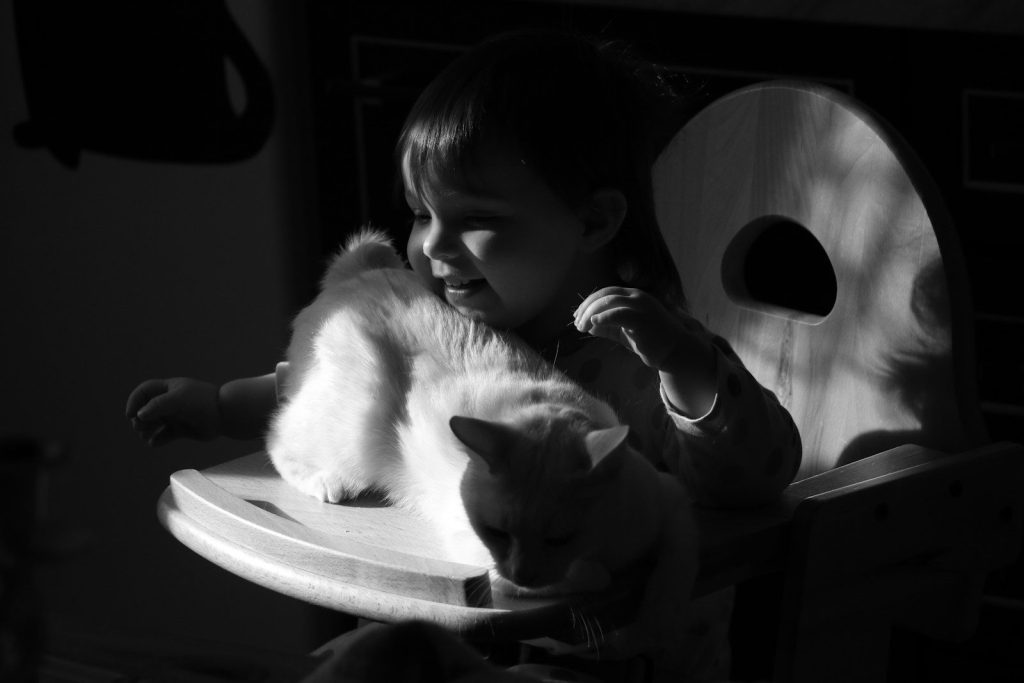
To keep their workspace quiet, they tried installing standard child-proof locks on the handles. It failed. Oliver quickly figured out how to slide the plastic latches aside with his nose. His intelligence was proving to be a major challenge for the household. They decided to consult a professional behavioral expert for advice.
Offering Safe Mental Challenges
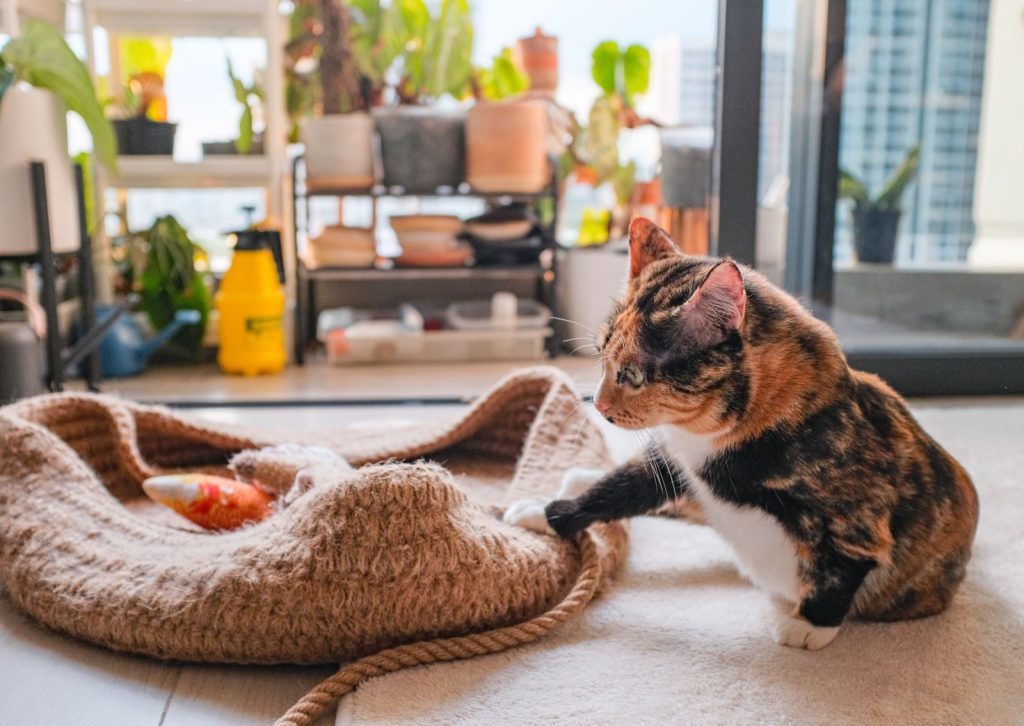
Dr. Sarah Miller, speaking to Whiskers Tales, noted that mental enrichment is vital for intelligent indoor felines. They get bored easily. If they have no active puzzles, they will focus their energy on household fixtures. To solve the issue, his owners began redirecting his cognitive skills toward safe games.
Shifting Energy To Puzzles
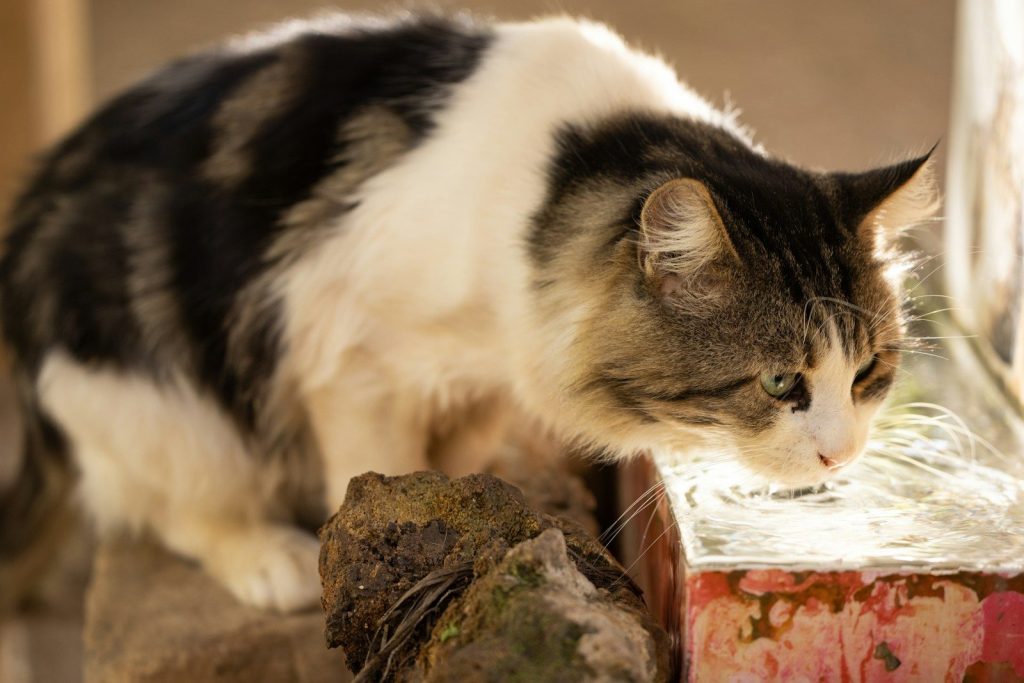
They hid food puzzles around the living room and offered sturdy climbing trees near sunny windows. This strategy worked. Oliver spent his mornings solving challenges to get his dry kibble, which drained his mental energy safely. He was much less likely to target door handles when his mind was occupied.
A Peaceful, Restful Home
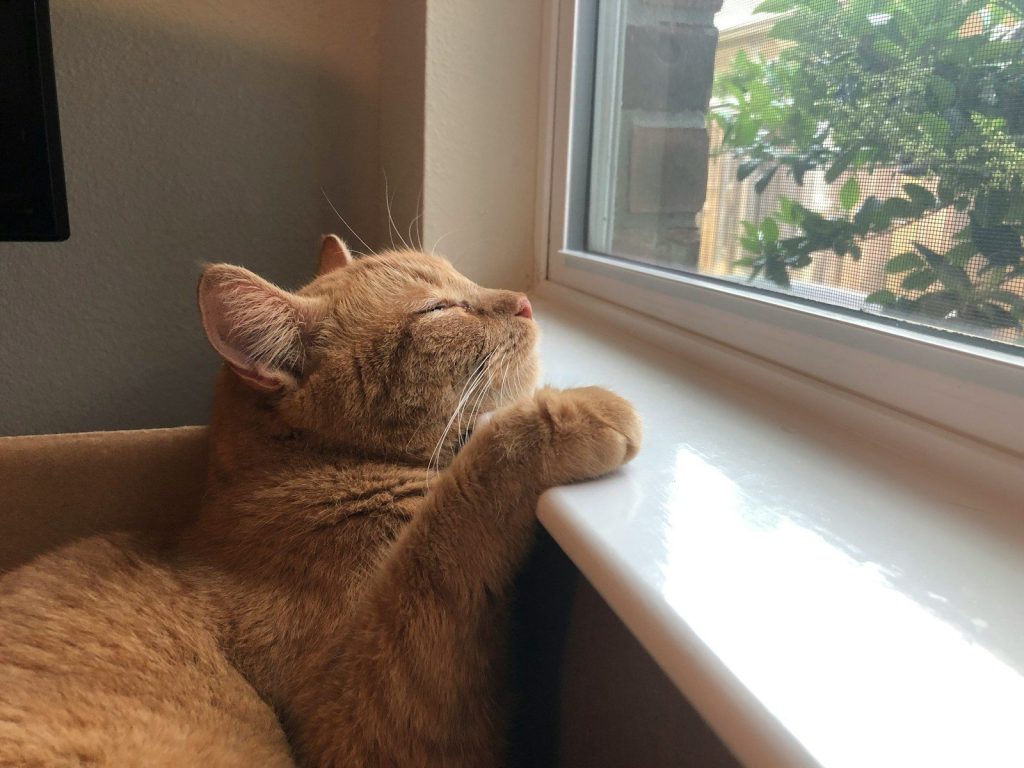
Today, Oliver still knows how to open doors, but he prefers napping in his sunny window perch. He is relaxed. Keeping his active mind happy has restored peace and quiet to the household. Understanding your pet’s sharp mind is the ultimate key to a happy home.
Featured Image: Photo by Arina Krasnikova on Pexels