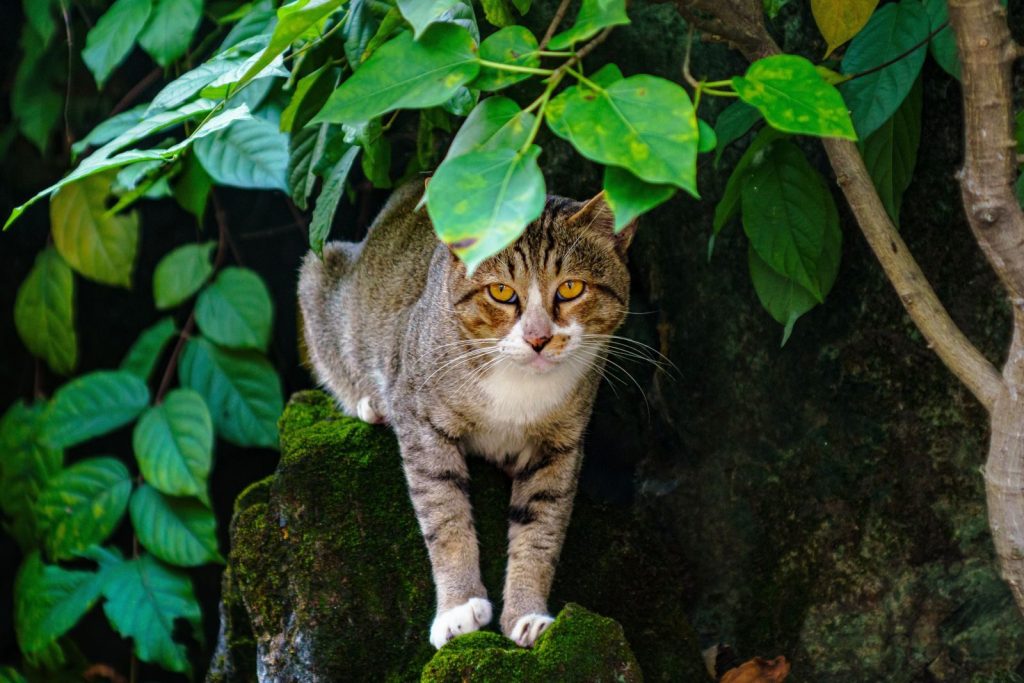

Hidden deep within the cold highland forests lives a beautiful and secretive hunter. Most animal lovers have never seen one of these stunning creatures.
But local experts warn that this unique species is on the absolute edge of extinction. Only about fifty of them are left in their natural habitat today.
The Hidden Highland Tiger
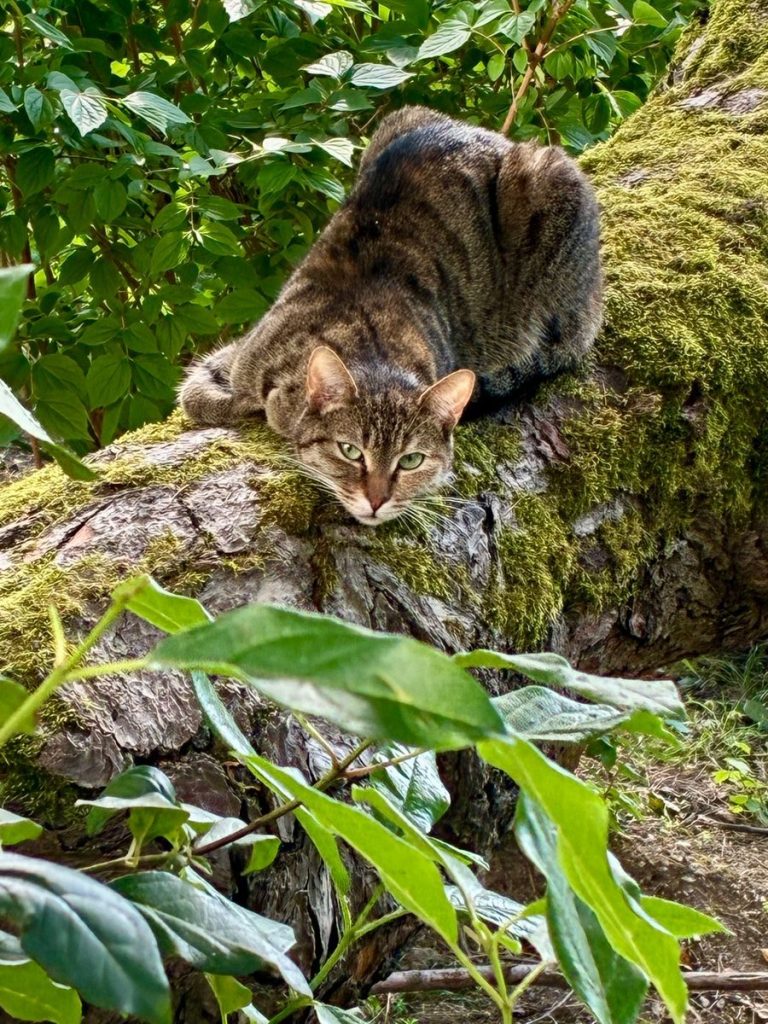
The Scottish wildcat is often called the Highland Tiger because of its fierce and independent nature. They look remarkably similar to large tabby cats. According to the Scottish Wildcat Association, these animals are completely wild and cannot be domesticated. They rely on deep forest habitats to survive. But these secure woodlands are shrinking at an alarming rate.
Shrinking Forest Boundaries
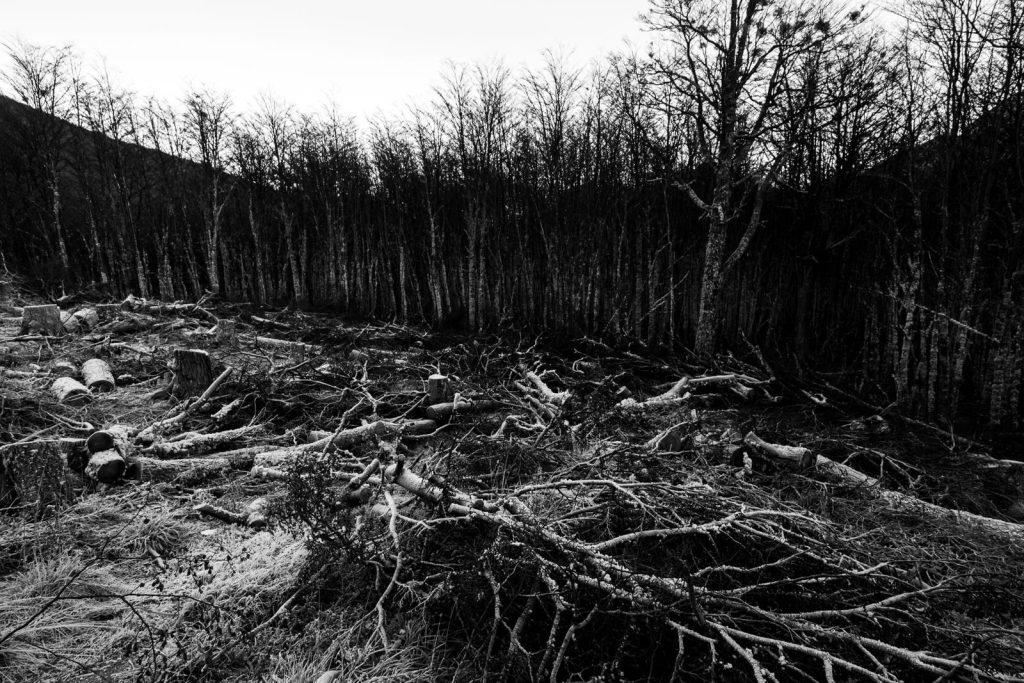
Human expansion continues to destroy the ancient trees these wild felines call home. Sub-zero winters make finding shelter and food extremely difficult without the protection of dense forest cover. According to the International Union for Conservation of Nature, habitat loss is a primary driver of their rapid decline. But a different threat is quietly rewriting their genetic history.
The Genetic Dilution Threat
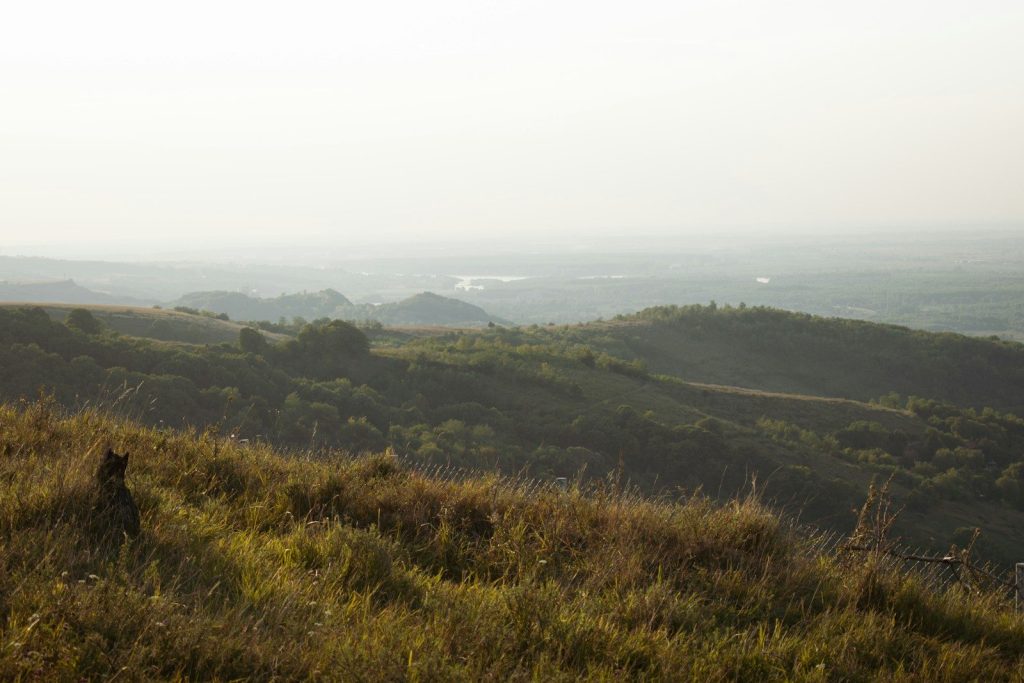
Wildcats frequently mate with local domestic feral cats that wander into the highlands. This cross-breeding dilutes their pure genetic line over generations. According to a study published by researchers at the University of Aberdeen, very few genetically pure wildcats remain. This hybridization is making it harder for the species to survive. But scientists have discovered another serious challenge.
The Rise of Feline Diseases
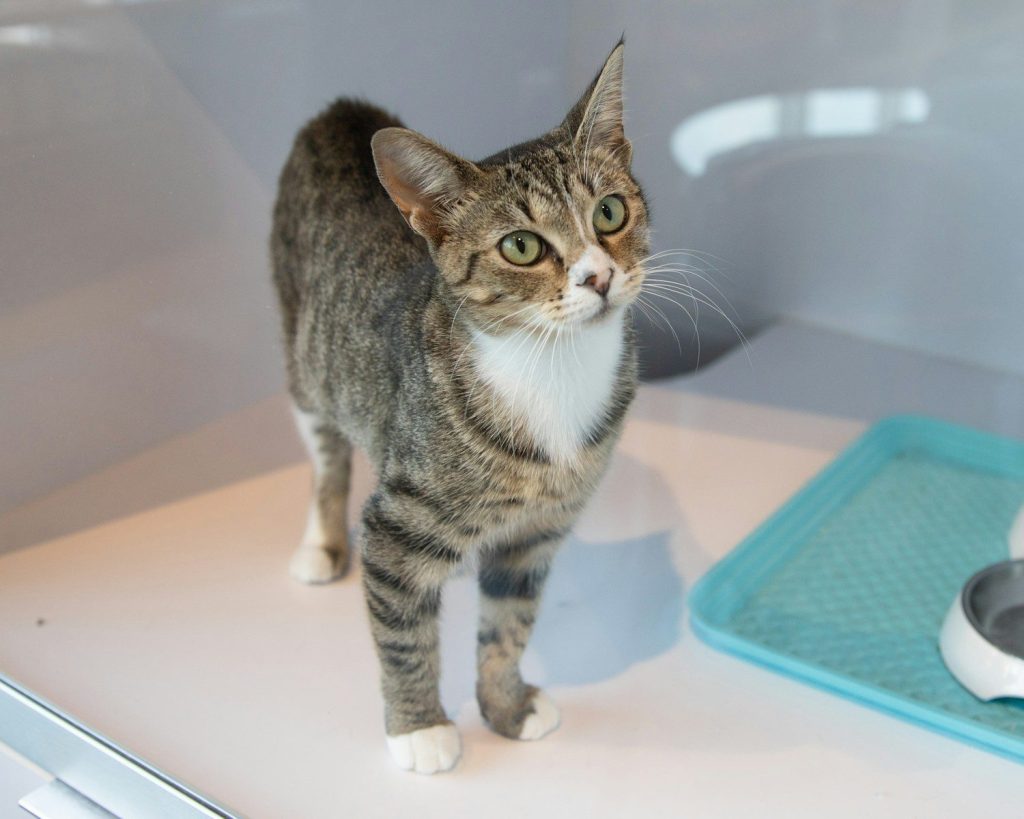
Feral domestic cats often transmit deadly viruses to the vulnerable wild population. Common feline diseases like leukemia can easily sweep through the small and isolated groups. According to reports from the Cornell Feline Health Center, these viruses can cause rapid population declines. This article is for informational purposes only. But local conservationists are launching a bold rescue plan.
Breeding in Safe Havens
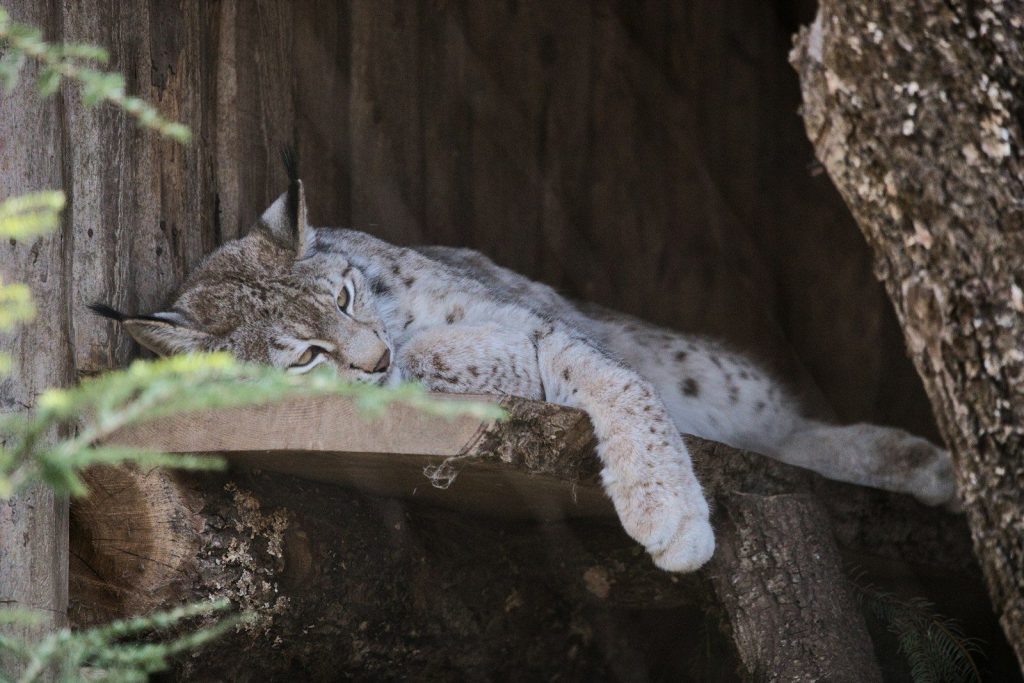
Dedicated wildlife centers have started specialized captive breeding programs to preserve the species. They raise young kittens in secure enclosures that mimic their natural environment. According to reports from Saving Wildcats, early nutrition and natural socialization are vital for their future release. The team monitors their health closely. But preparing these animals for the wild is an uphill battle.
Preparing for Reintroduction
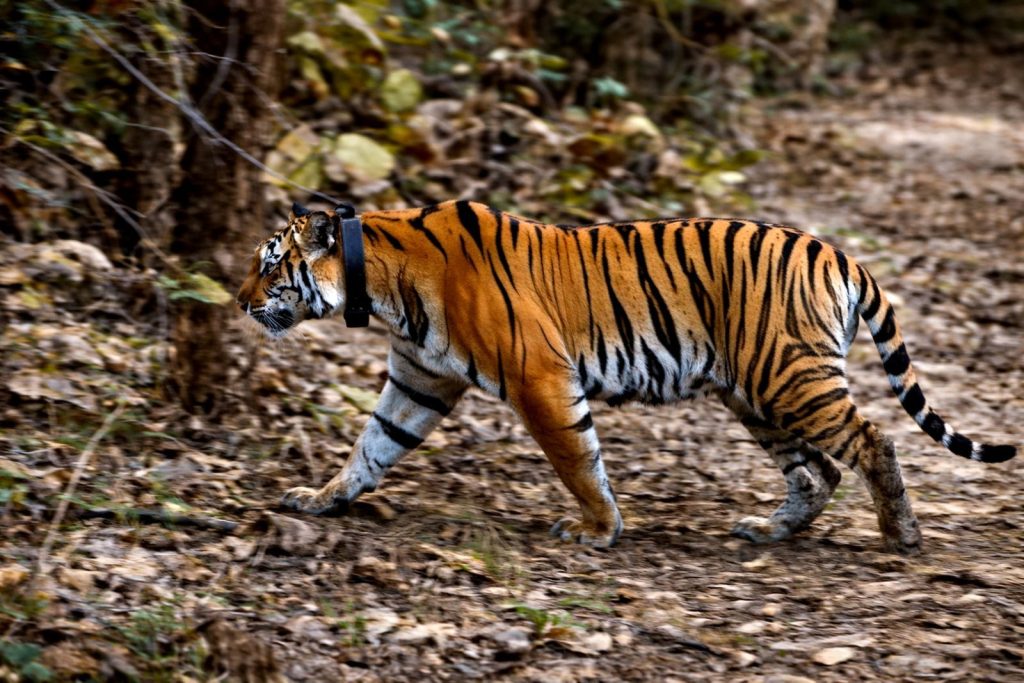
Reintroducing captive-born cats to the highlands requires teaching them how to hunt live prey. They must learn to avoid roads and human settlements to stay safe. According to the American Veterinary Medical Association, tracking devices help scientists monitor their movements after release. This careful tracking ensures they adapt. But the success of these programs relies heavily on local communities.
Creating Safe Forest Corridors

Local land owners are working to establish large protected zones where these cats can roam freely. They are planting native trees to rebuild the ancient forest corridors. According to reports from the Humane Society, community involvement is the key to successful wildlife conservation. This shared effort offers a final glimmer of hope. But the ultimate survival of the species remains uncertain.
Supporting the Highland Tiger

Saving the world’s rarest wildcat requires constant global support and awareness. We can help protect their future by supporting native forest restoration and responsible pet ownership in nearby towns. Together, we can ensure these beautiful Highland Tigers continue to hunt in the wild.
Featured Image: Photo by Pexels User on Pexels