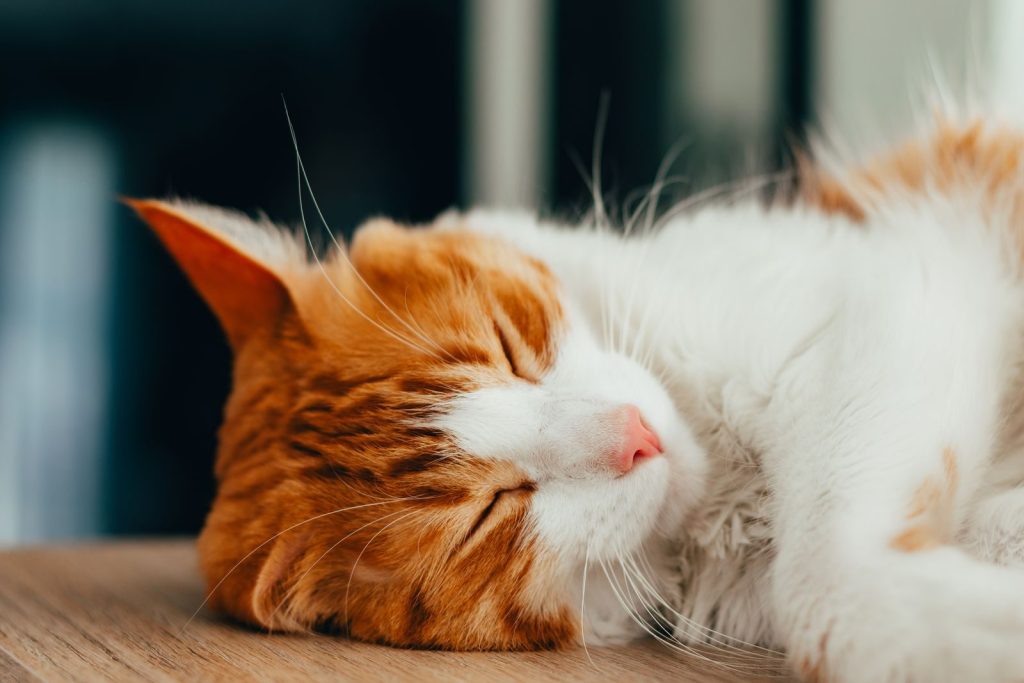

A cat asleep on its back with all four paws pointing upward can look ridiculous, comfortable and strangely human at the same time.
The position often appears when a cat feels relaxed in its surroundings, although body language and context matter more than any single sleeping pose.
The Belly Is Vulnerable

A cat’s abdomen protects important internal organs and is naturally a sensitive part of the body. Exposing it while resting can therefore be associated with feeling secure enough not to remain tightly curled or guarded.
Paws-Up Can Show Relaxation
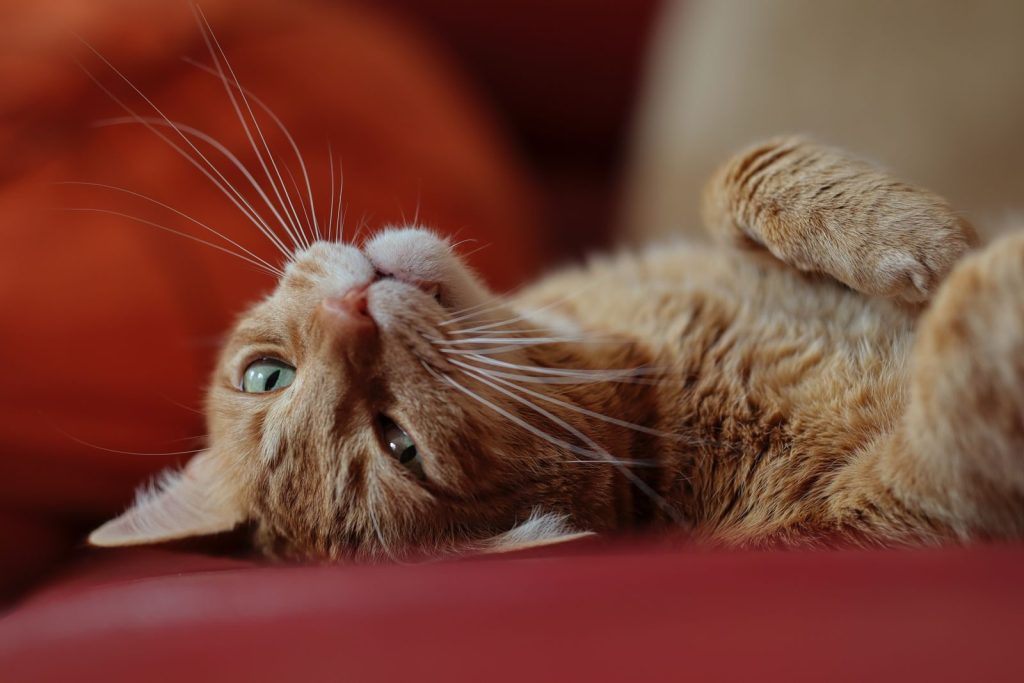
Cats Protection notes that cats commonly roll onto their backs and put their paws in the air around favorite humans. In an awake cat, the behavior may accompany a relaxed greeting or a request for attention.
It Can Become a Sleeping Position
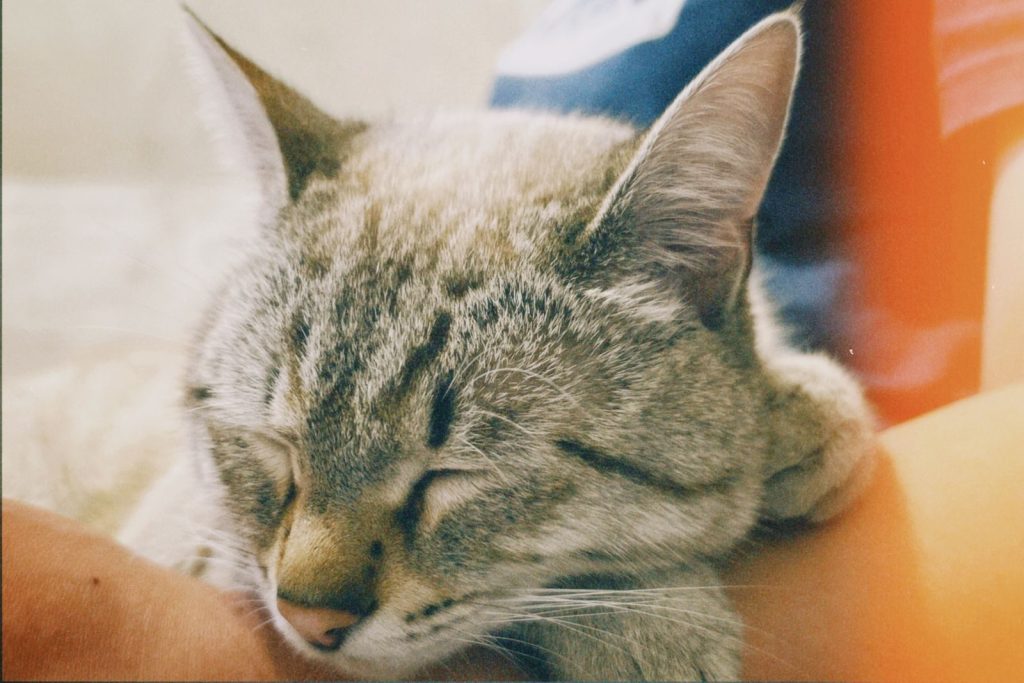
Some cats remain in that relaxed posture after settling down and eventually fall asleep. Individual sleeping preferences vary, so one cat may regularly sleep belly-up while another almost never chooses the position.
Showing Belly Means Trust

Cats Protection explains that exposing the belly often indicates a cat feels comfortable around the person nearby. That makes a relaxed upside-down pose particularly common in homes where the cat feels secure.
It Is Not Always a Belly-Rub Request
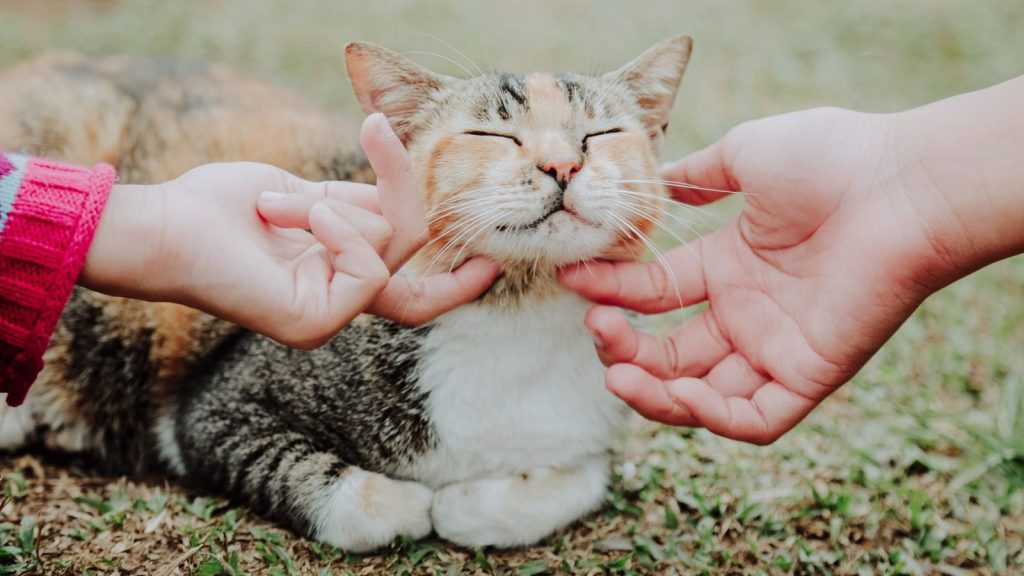
A displayed stomach can tempt owners to reach straight for it, but many cats dislike having this vulnerable area touched. Head or cheek strokes may be better received unless the individual cat clearly enjoys belly contact.
Cats Change Positions Often

Healthy cats may stretch, curl, sprawl and flip between numerous positions during a long sleep. Warmth, furniture shape, sunlight and simple personal preference can all influence where their paws end up.
Watch the Whole Cat

Loose muscles, normal breathing and a peaceful expression support the idea that the cat is comfortable. A strange posture combined with labored breathing, obvious pain or an inability to settle deserves much more attention.
Let Sleeping Cats Relax

If a cat looks comfortable belly-up, there is usually no reason to reposition it. Providing quiet sleeping locations where the animal can choose its own posture is one of the simplest ways to support normal feline rest.
Featured Image: Photo by Camilo Ospina on Pexels