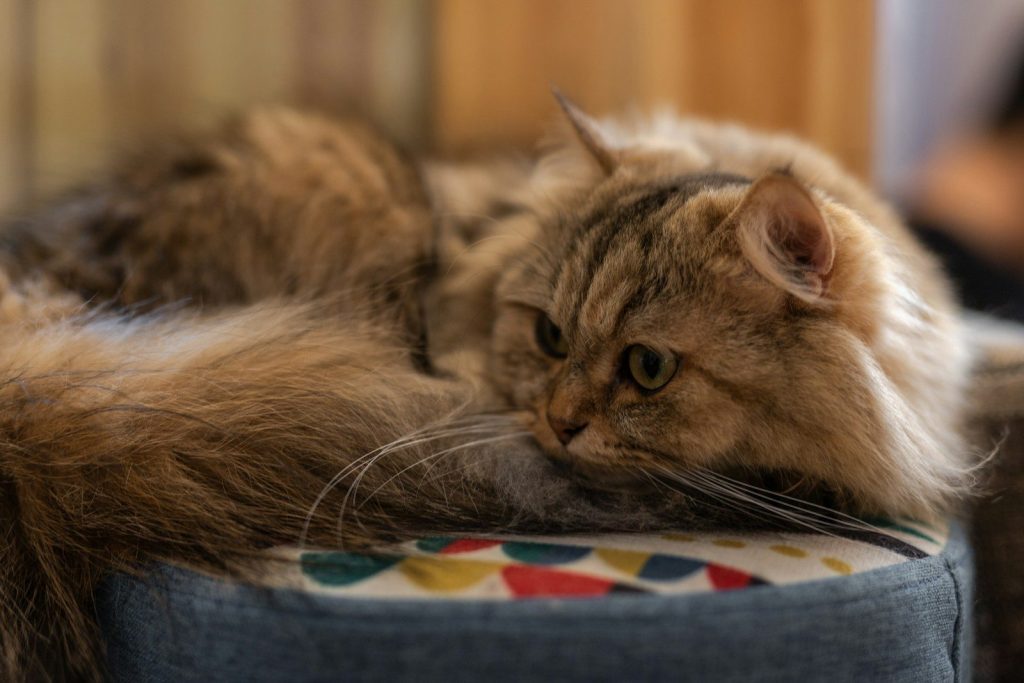

Many pet owners assume their dreaming cats are simply cold when they shiver or move. We think these quiet twitches are just random muscle spasms.
But when your sleepy cat makes chewing motions, they are actually experiencing a deep biological sleep state. This funny behavior reveals a lot about their wild instincts.
Exploring Feline Dream States
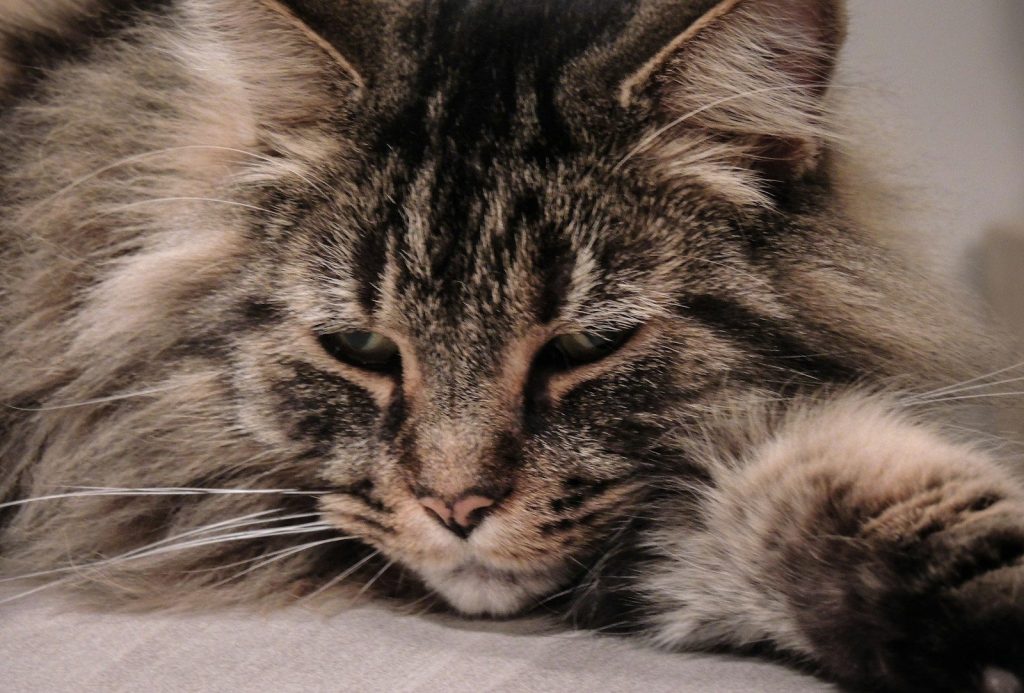
Cats experience deep sleep cycles just like human beings do. Dreams are active. According to the Cornell Feline Health Center, felines spend a significant portion of their resting hours in rapid eye movement sleep. During this active stage, their brains process memories of chasing toys and running outdoors. But this mental activity soon triggers a highly visible physical reaction.
Triggering The Predatory Instinct
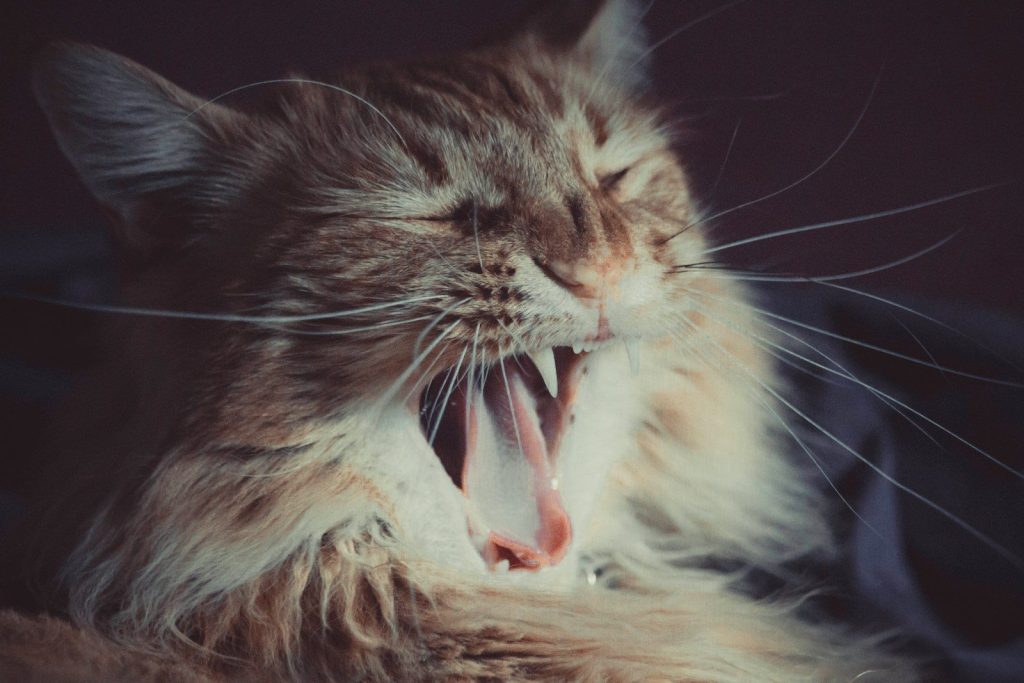
Dreaming of hunting can cause a cat to mimic eating movements. Nature is smart. According to reports from the ASPCA, the physical memory of catching prey is deeply wired into feline biology. Even a pampered indoor cat will mentally chase mice while they snooze. Yet their bodies have a special system to keep them safe during these dreams.
Understanding Muscle Paralysis
Healthy feline brains usually block large movements during deep sleep. Boundaries are kept. According to studies from Oregon State University, a natural chemical block prevents sleeping animals from actually running or jumping. However, tiny twitches in the paws and mouth can still slip through this safety barrier. But there is another common reason for this quiet chewing.
Nursing Habits From Childhood
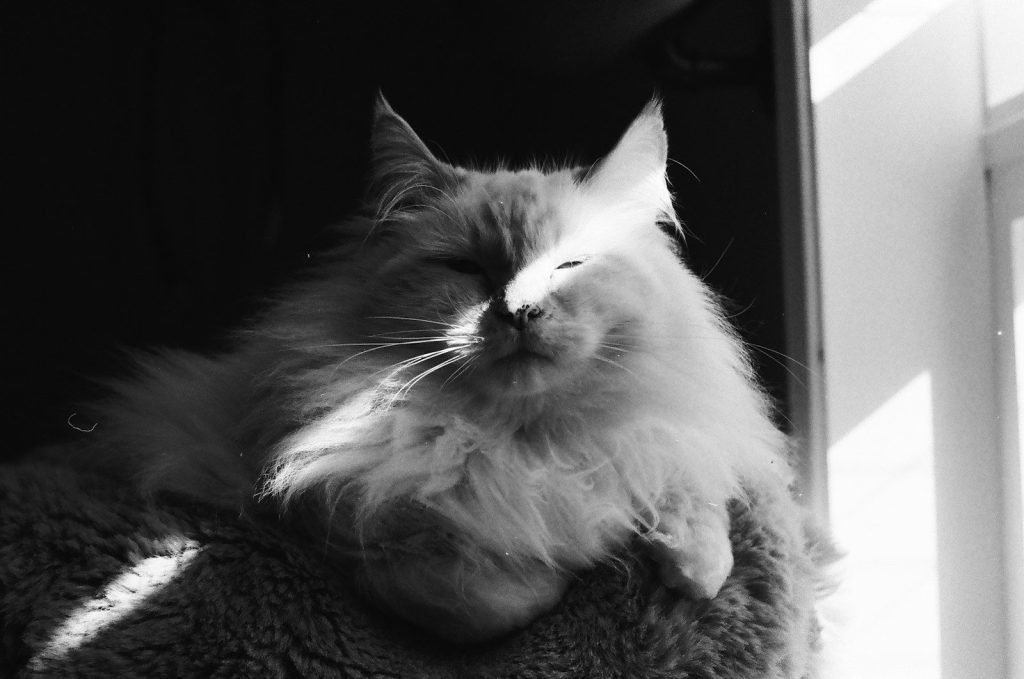
Suckling movements are very common in cats that were rescued early. Memories run deep. According to guidelines from the San Diego Humane Society, older cats often revert to comforting infant behaviors when they feel completely safe. Moving their jaw slowly mimics the sweet act of nursing. But owners should observe these sleeping habits closely for other reasons.
Monitoring Dental Health Issues
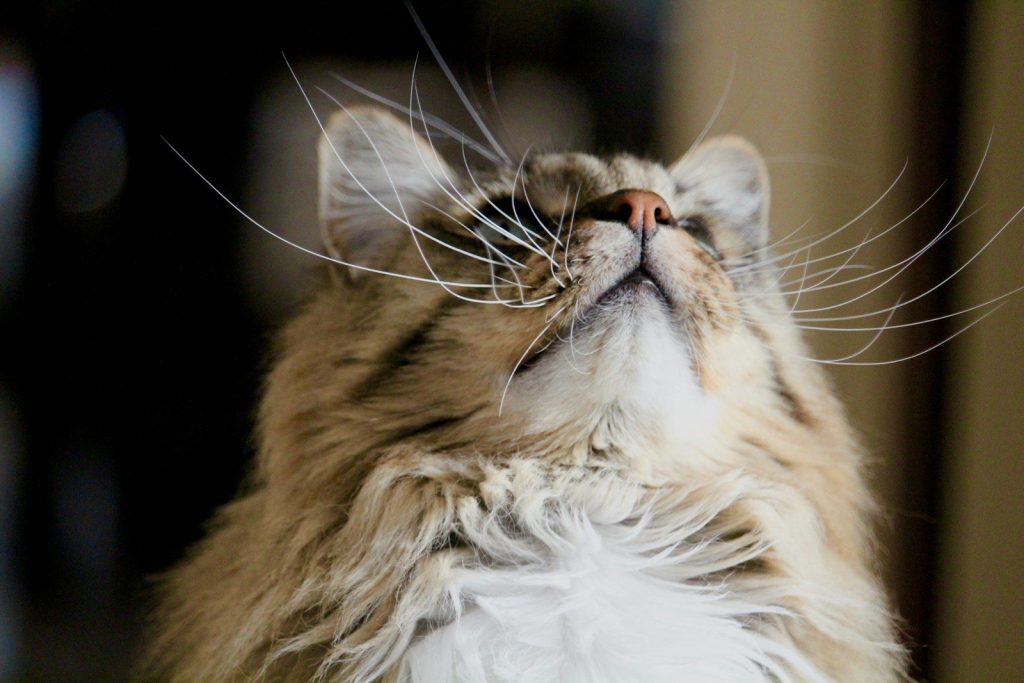
Sometimes mouth movements during sleep can point to physical discomfort. Health comes first. According to the American Veterinary Medical Association, painful teeth or sore gums can cause cats to smack their lips even while resting. A quick check of their mouth can help you rule out silent dental issues. But knowing when to seek professional help is critical.
Consulting Your Local Clinic
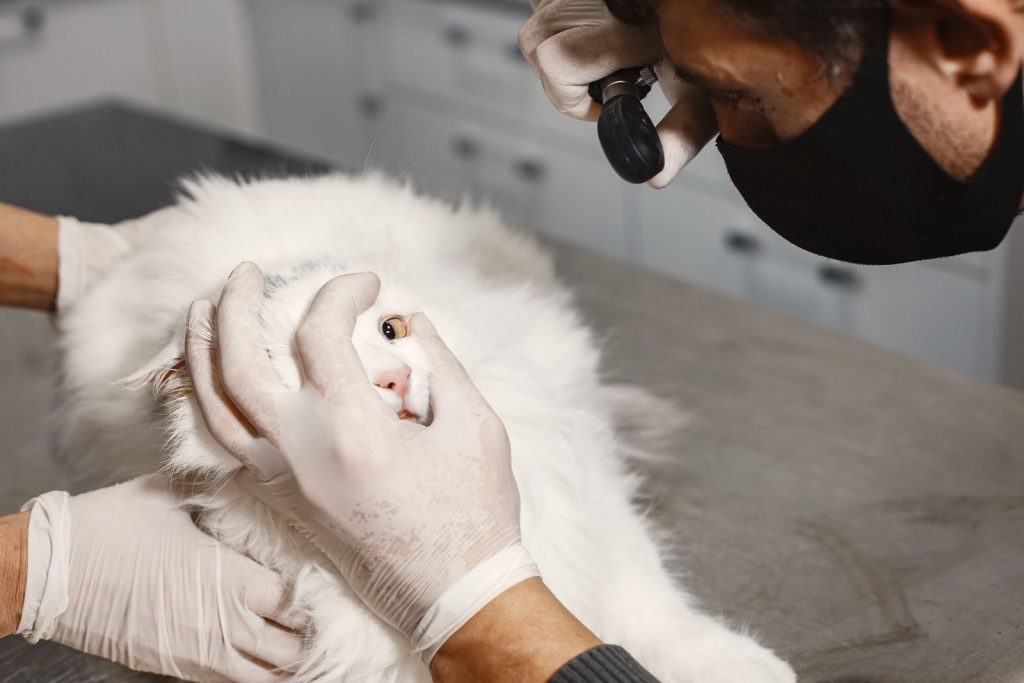
Schedule a vet check if you notice sudden changes in how your cat sleeps. Action is vital. According to the American Association of Feline Practitioners, increased drooling or constant hard chewing motions require professional evaluation. Your veterinarian can easily identify and treat hidden issues to restore comfort. But simple observations are usually enough to keep them happy.
Providing Quiet Resting Spaces
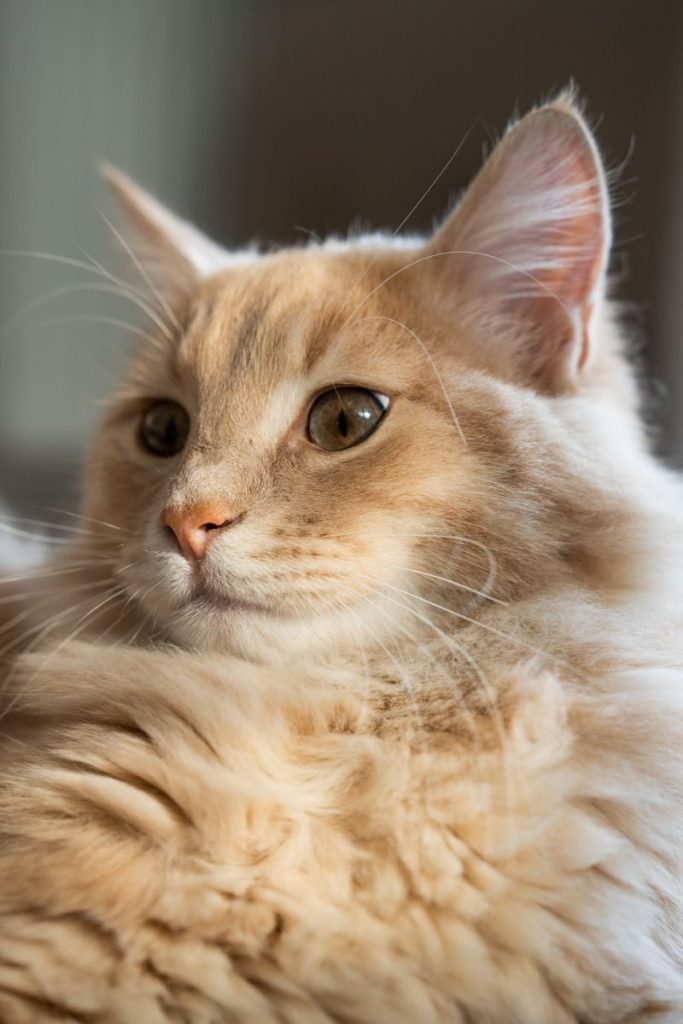
Supporting your cat’s deep sleep cycles is essential for their long-term health. Peace is earned. According to the American Veterinary Medical Association, healthy felines require up to fifteen hours of restful sleep daily to maintain strong immune systems. Ensure they have a warm and quiet spot to dream safely. This article is for informational purposes only and does not constitute veterinary advice.
Featured Image: Photo by Dong Cheng on Unsplash