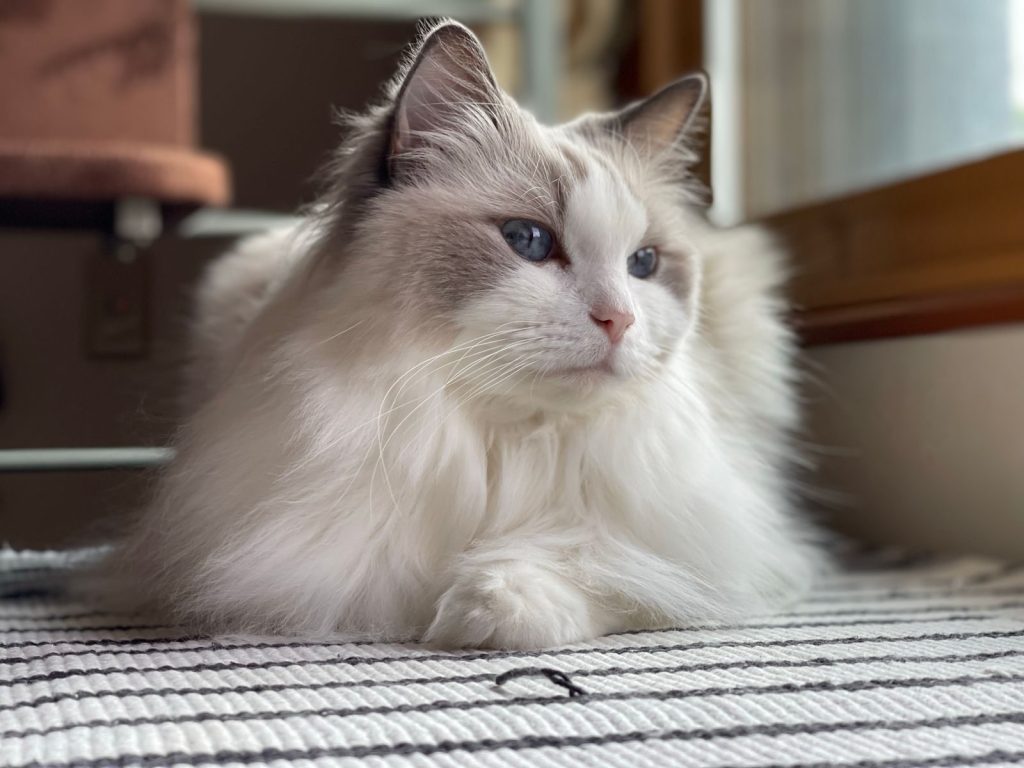

Many pet owners assume that young kittens naturally know how to find secure hiding spots during scary moments. We believe this survival skill is entirely automatic.
But mother cats actually play a crucial role in teaching their babies how to stay safe. Their protective lessons shape how kittens navigate the world.
The Protective Mother Ragdoll
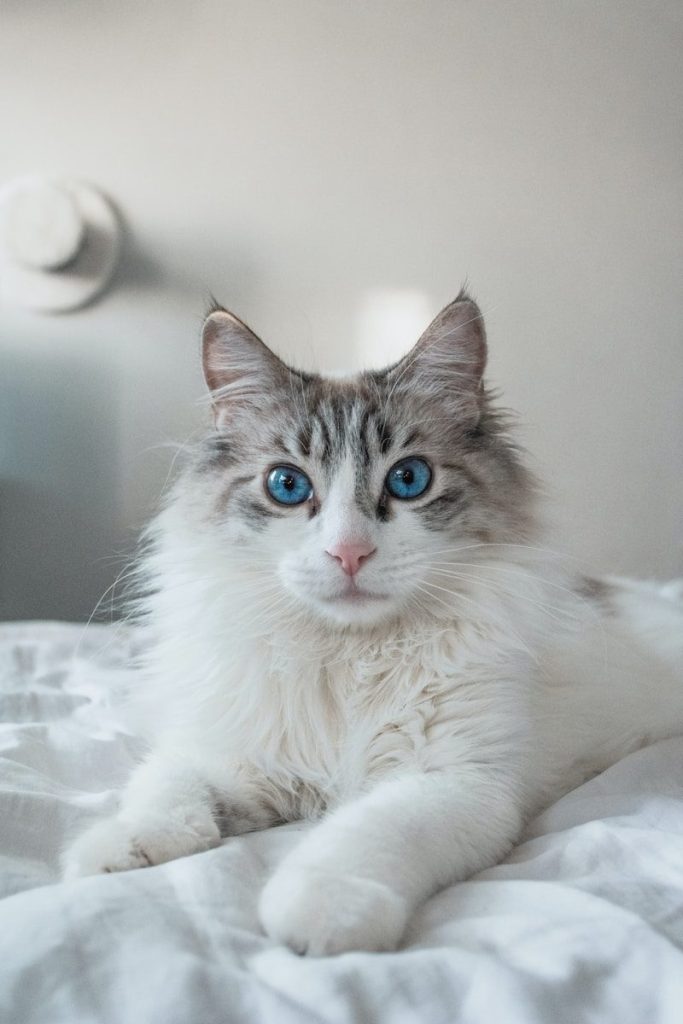
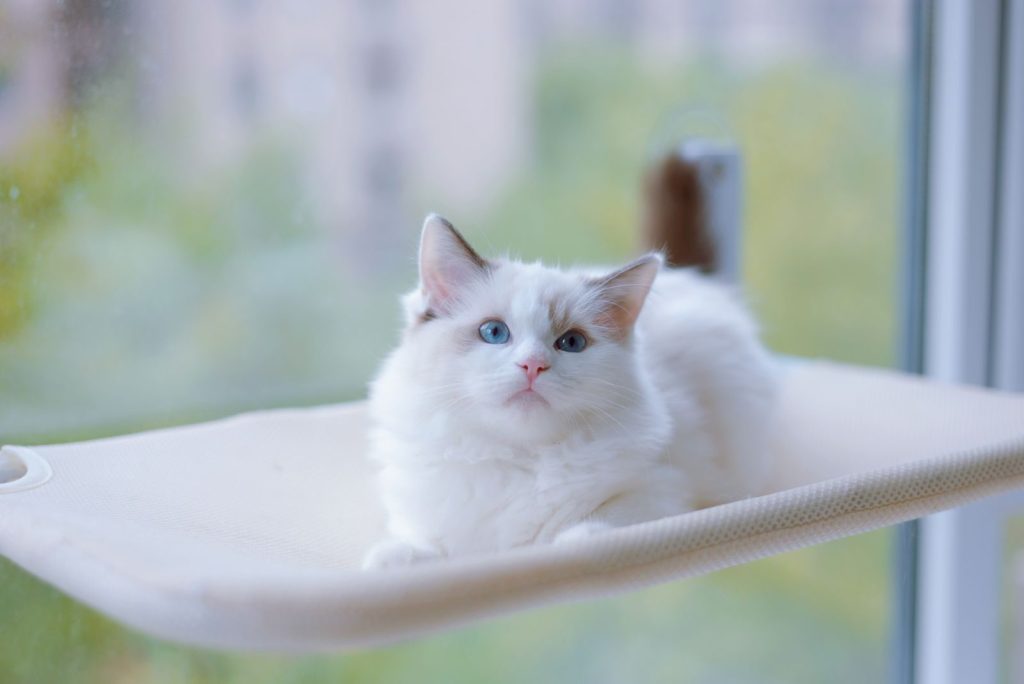
A fluffy Ragdoll cat named Bella recently gave birth to four beautiful blue-eyed kittens in a quiet home. She was watchful. According to breed standards from the Cat Fanciers Association, Ragdolls are known for their gentle temperament and deep devotion to their offspring. Bella spent her days keeping a close eye on her exploring babies. But she was preparing to show them her favorite hidden retreat.
Choosing The Nesting Spot
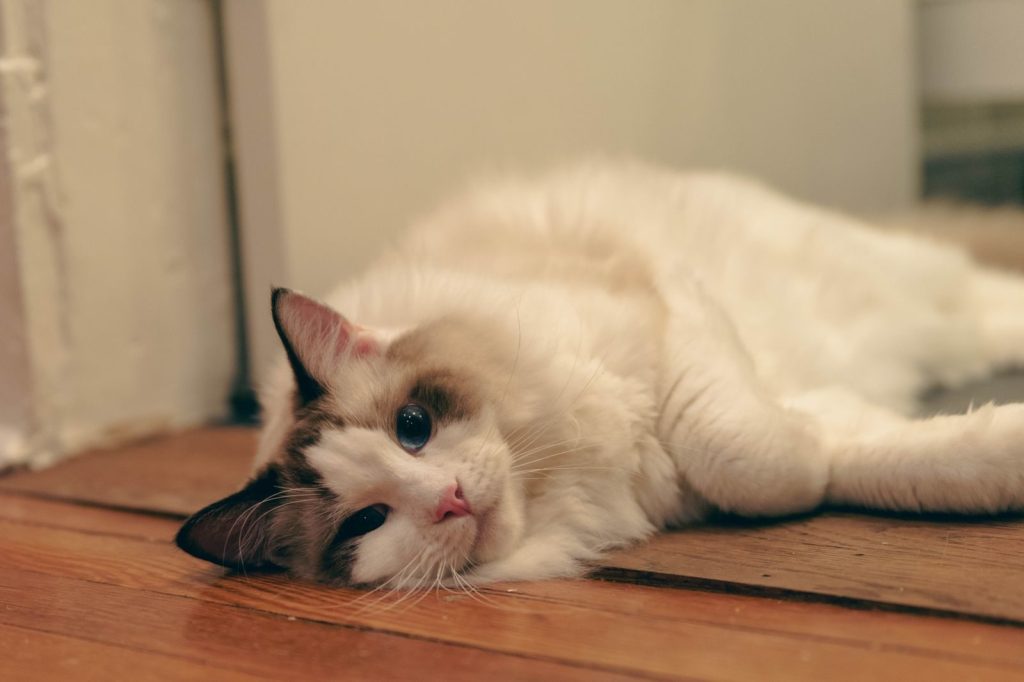
Feline mothers are highly selective when choosing a location to raise their vulnerable newborns. Comfort is critical. According to research from the National Institutes of Health, mother cats seek out dark, low-traffic areas to minimize potential threats. Bella selected a cozy space behind the master bedroom closet for her initial nest. But she knew she would eventually need to move them.
The First Moving Lesson
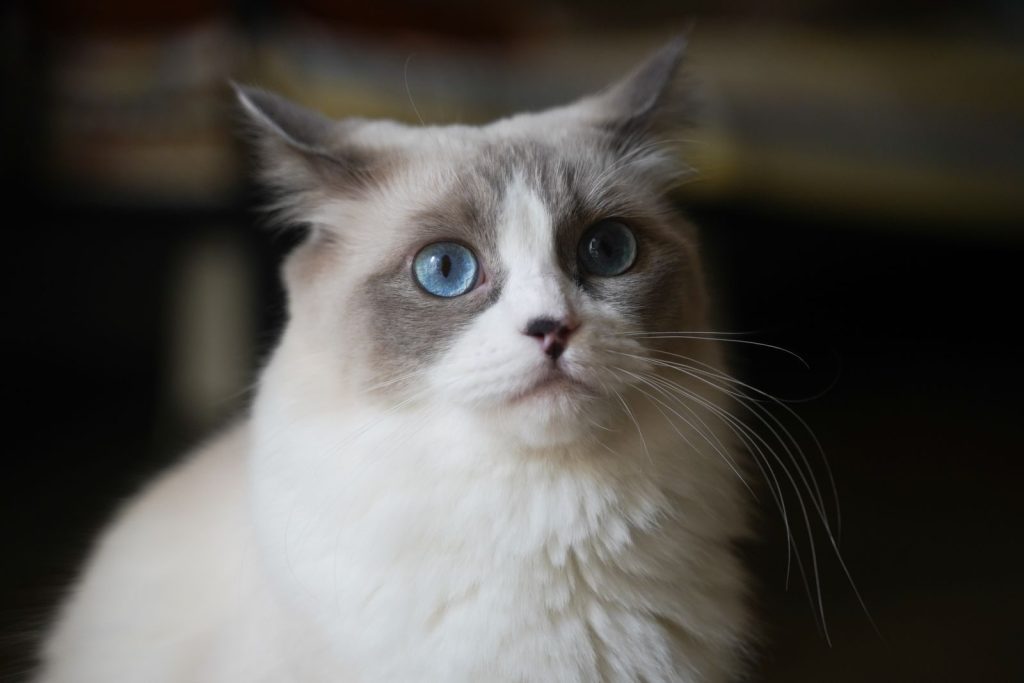
When the kittens turned three weeks old, Bella decided it was time to teach them about secondary safe spots. She was careful. According to guidelines from the American Association of Feline Practitioners, mother cats naturally migrate their litters to prevent scent buildup from attracting predators. Bella carried each kitten by the scruff to a high cardboard box. But the babies were confused by the sudden journey.
Demonstrating Calm Behavior
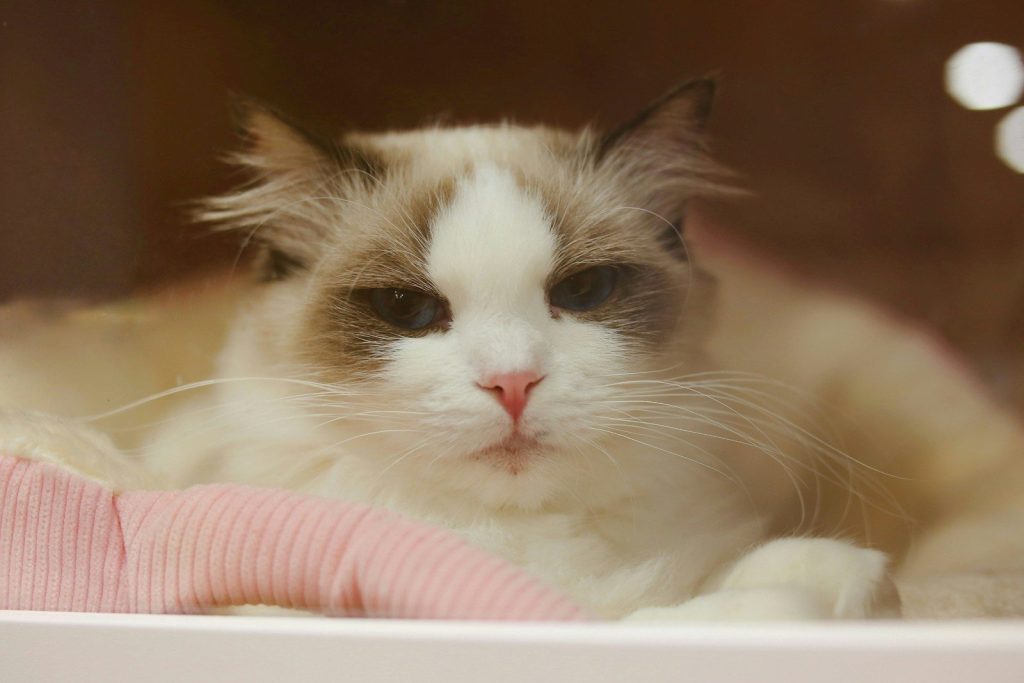
Bella sat quietly inside the new box to show her kittens that the area was entirely secure. Trust was earned. According to behavioral studies from Oregon State University, young kittens mirror their mother’s emotional reactions to new environments. By remaining relaxed, Bella taught her babies to feel confident in the high space. But their education was about to include some defensive training.
Learning The Warning Signals
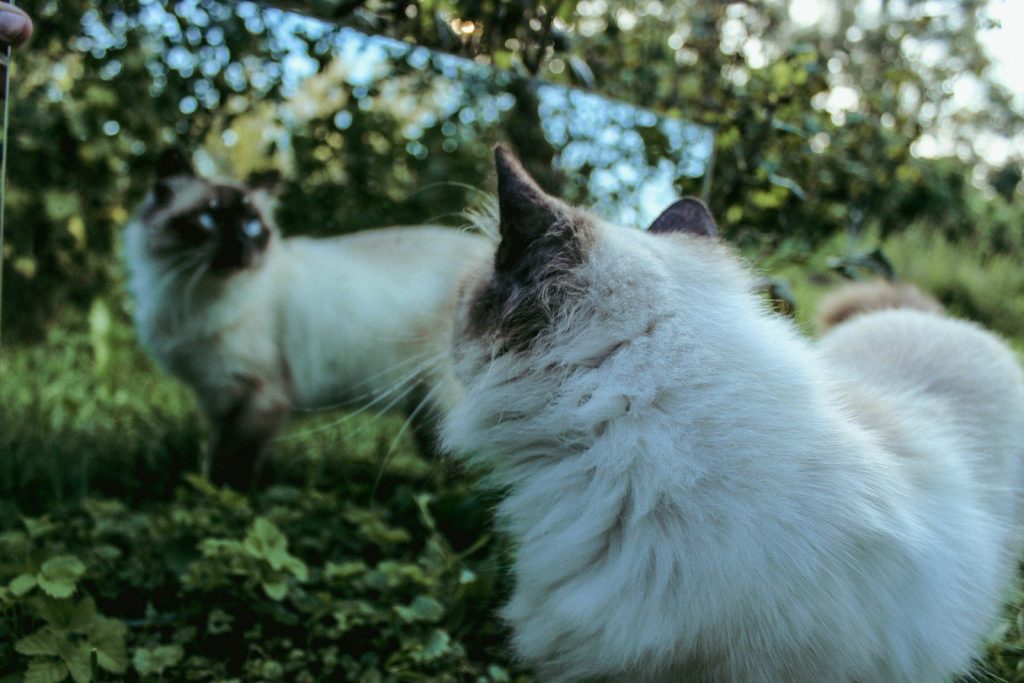
Mother cats use specific vocalizations to warn their kittens of approaching strangers or loud household noises. Sounds are powerful. According to research from the Cornell Feline Health Center, a low growl or a sharp chirp from a mother cat instructs kittens to freeze instantly. Bella practiced these signals whenever the vacuum cleaner started up nearby. But the kittens soon mastered the art of hiding quickly.
Creating Safe Home Zones
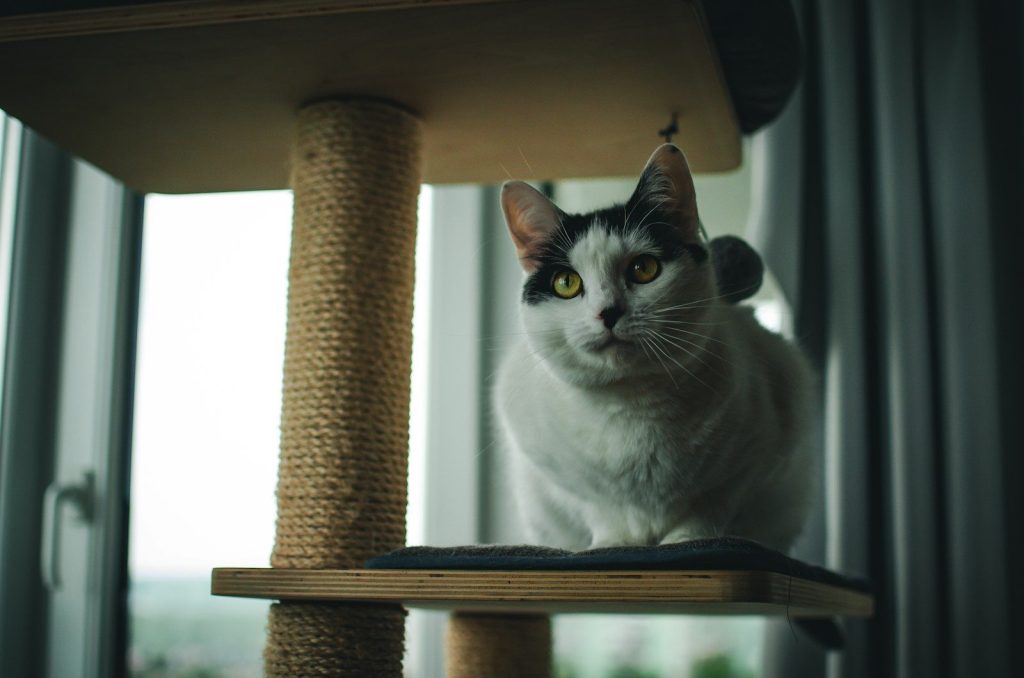
Owners can assist feline mothers by providing plenty of secure hiding spots throughout the house. Spaces bring peace. According to guidelines from the San Diego Humane Society, covered cat beds and tall scratching posts mimic natural wild shelters. Bella appreciated having multiple safe retreats to choose from as her kittens grew more active. But their maternal lessons would leave a permanent mark on their personalities.
Growing Into Confident Cats
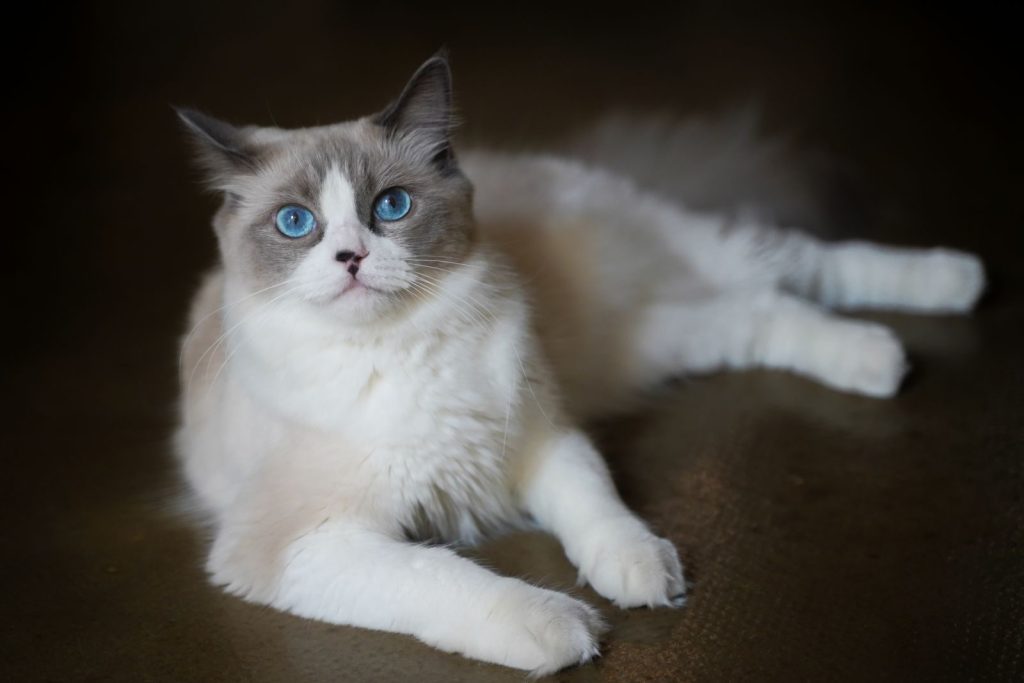
The kittens raised by attentive mothers grow up to be much more adaptable and relaxed adult pets. Progress was clear. According to studies from the ASPCA, early maternal socialization prevents chronic anxiety and fear-based behaviors in domestic felines. Bella’s kittens began exploring the main living spaces with high, happy tails. But their mother still kept a watchful eye on their adventures.
Respecting Maternal Wisdom
Understanding how mother cats protect and educate their litters helps owners build better home environments. Patience brings success. According to the American Veterinary Medical Association, respecting a mother cat’s space during the weaning process is vital for healthy kitten development. Enjoy watching their quiet family lessons and support their natural instincts. This article is for informational purposes only and does not constitute veterinary advice.