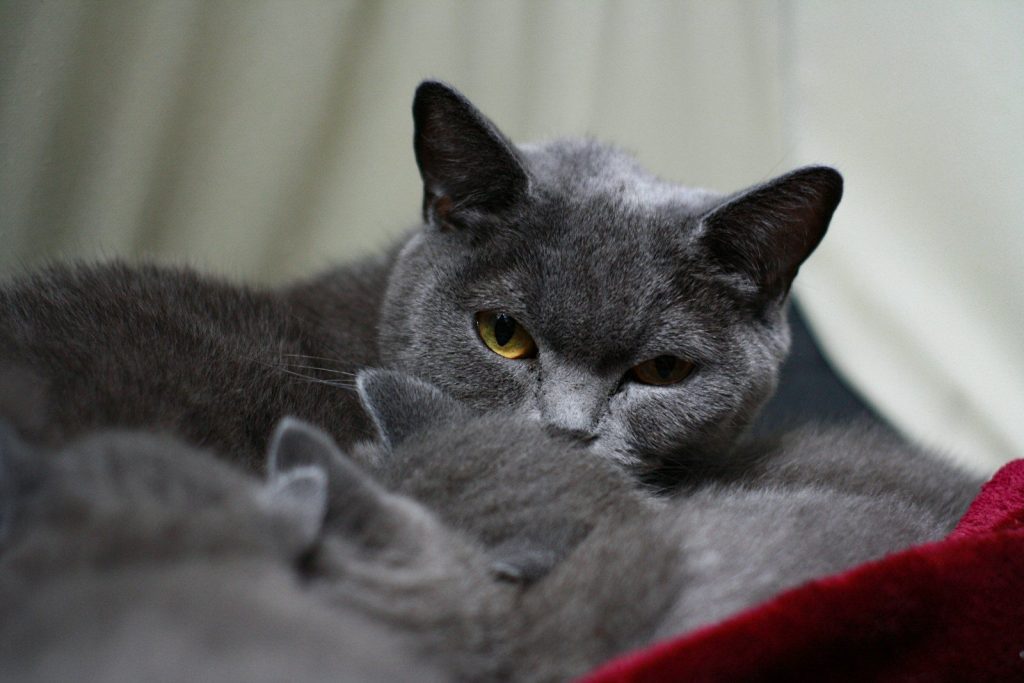

Watch a mother cat with her newborn litter, and you will notice a strict routine. She constantly sniffs, licks, and nudges her babies.
While it looks like simple affection, these physical checks are actually vital survival operations. There is a deep biological reason for this constant inspection.
The intense power of a maternal scent check
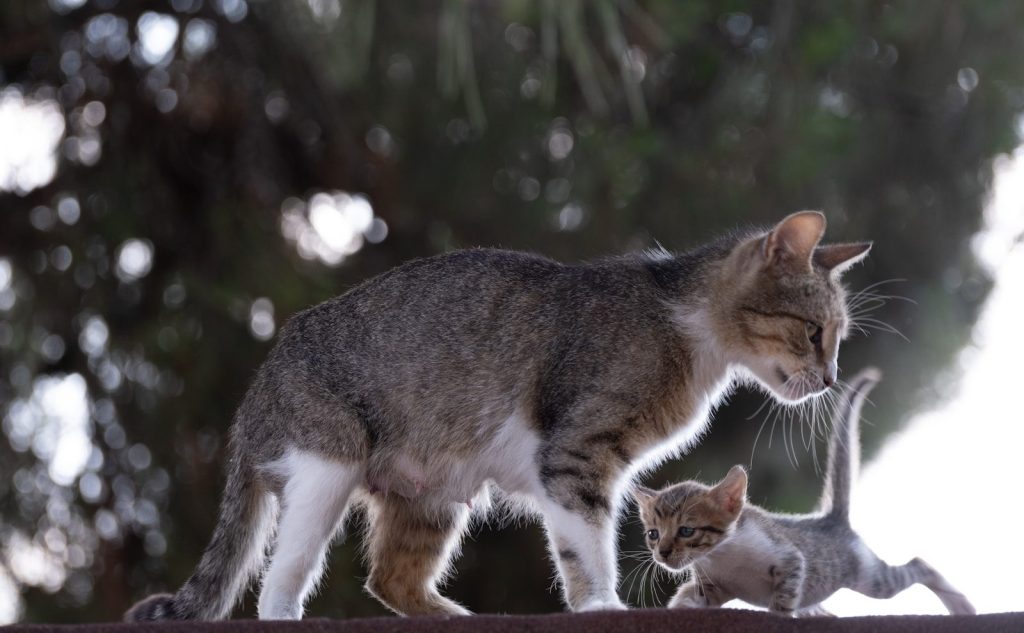
Newborn kittens cannot see or hear during their first weeks of life. They rely entirely on touch and smell to navigate their tiny world. When a mother cat licks her kittens, she is transferring her unique pheromones onto their fur. This creates a sensory map that keeps the family bonded. But this scent-marking serves an even more critical security purpose.
Protecting the nest from unseen outdoor predators
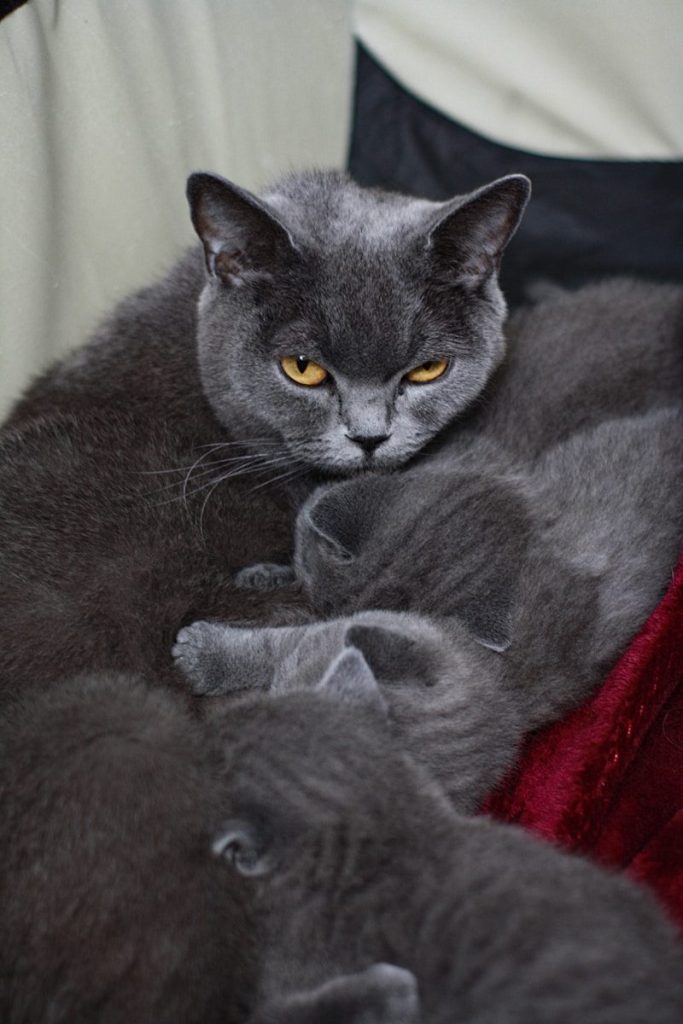
In the wild, lingering smells invite danger to a nesting area. Mother cats meticulously groom their babies to eliminate any trace of food or foreign odors. According to veterinary behavior experts, this cleaning keeps the nursery scent-free and safe from larger hunters. However, this regular licking does far more than just hide the kittens.
Jumpstarting a baby kitten’s bodily systems
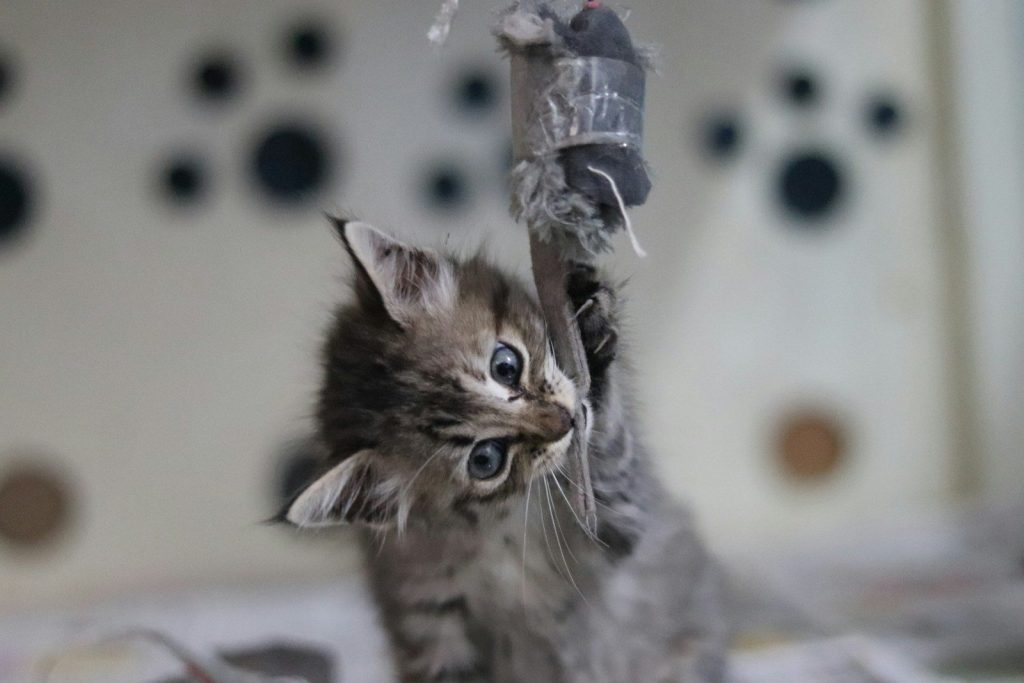
Tiny kittens cannot actually digest food or relieve themselves on their own. The mother’s rough tongue acts as a mechanical trigger to stimulate their digestion. Without this physical stimulation, newborn kittens cannot survive. She must perform this duty dozens of times every single day. Yet, her close inspections also reveal something about their physical health.
Monitoring body temperature in the nest
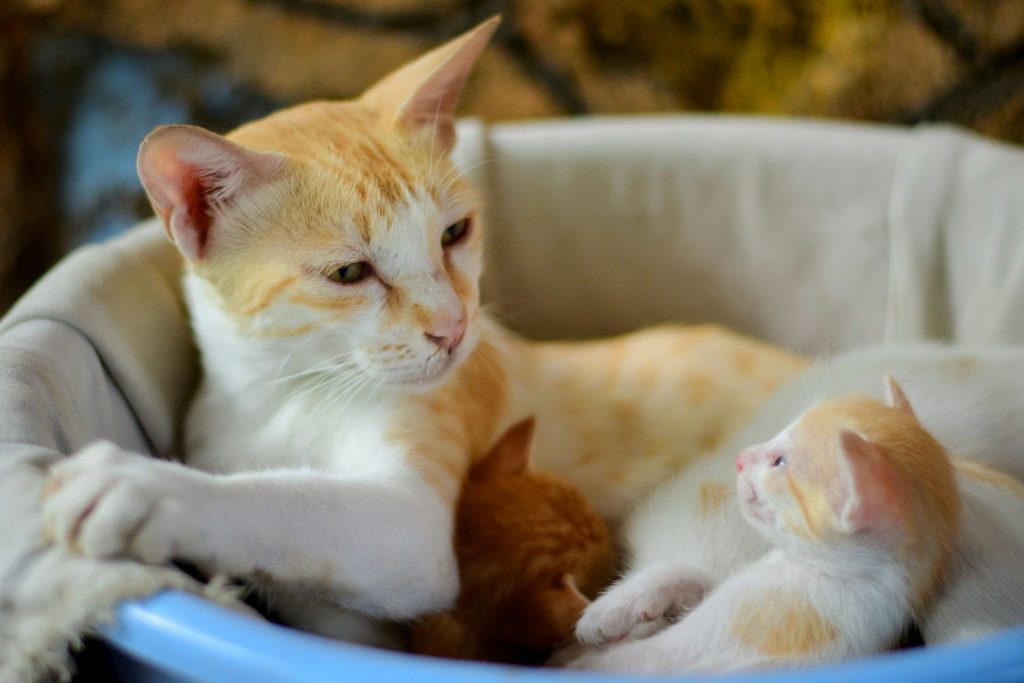
Young kittens cannot regulate their own body temperature. A mother cat uses her sensitive nose and lips to check if her babies are getting too cold. If a kitten’s temperature drops, she will immediately nudge them back into the center of the warm pile. Still, these constant checks involve another surprising sensory tool.
The soothing sound that calms the nursery
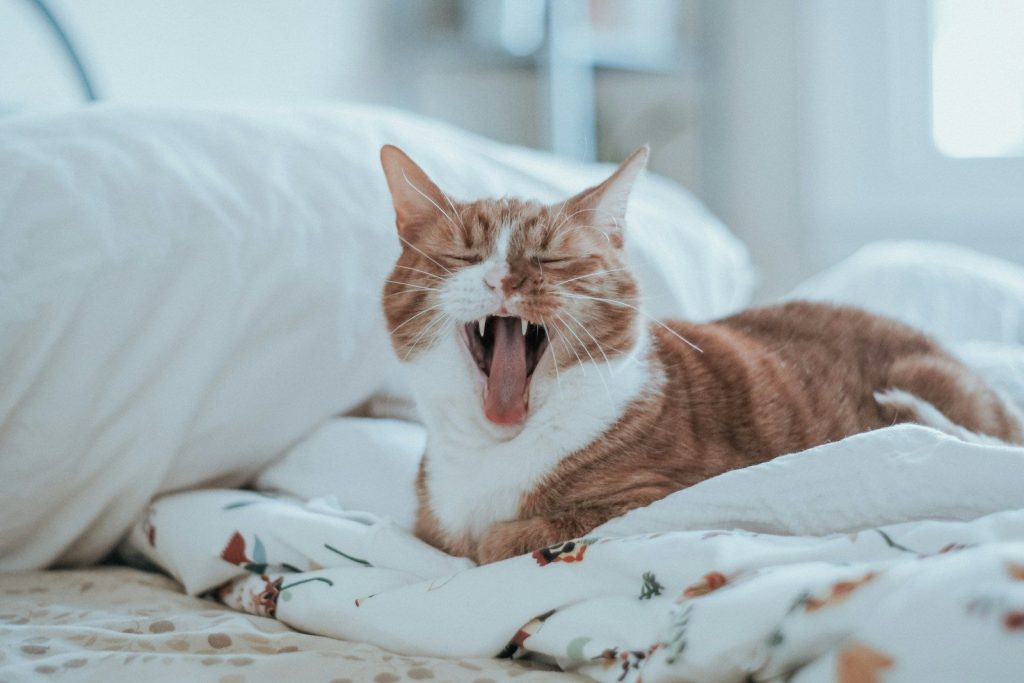
While inspecting her litter, a mother cat constantly purrs at a low frequency. Researchers at the University of Sussex found that this vibration acts as a natural homing beacon for blind kittens. It relaxes the babies and lowers their heart rates during stressful moments. But does this intense inspection habit ever change as they grow?
Teaching the rules of feline social life
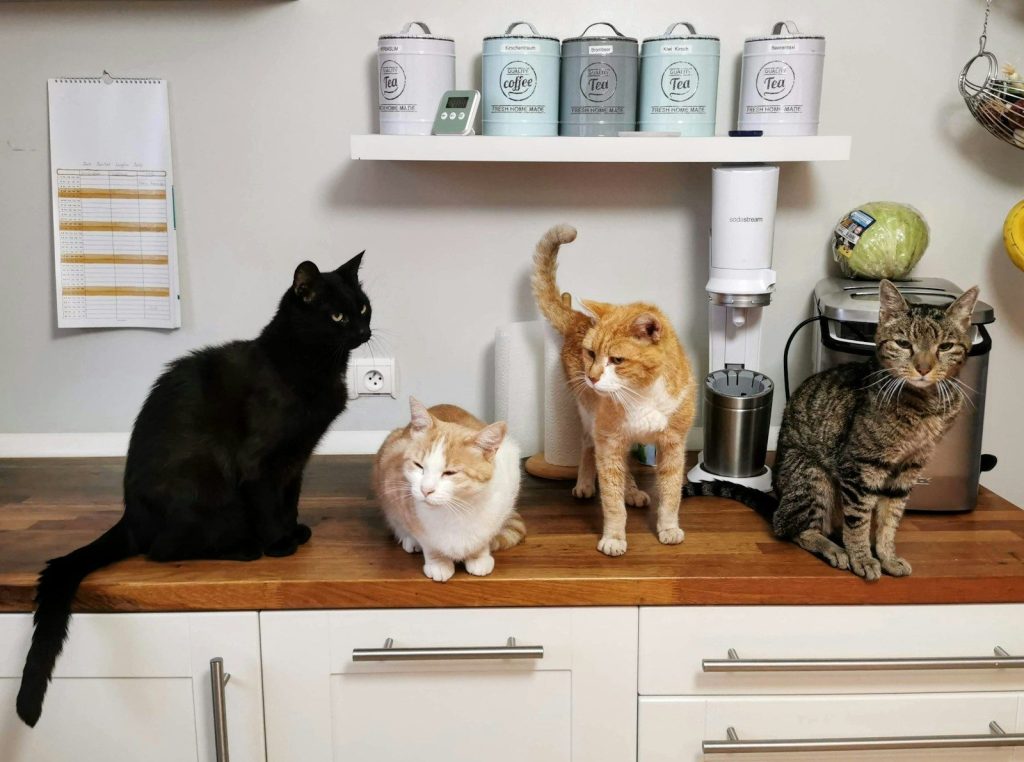
As kittens grow older, the mother’s inspections shift from survival to education. She uses gentle nips and paw taps to teach them boundary limits. This teaches them how to play without causing real harm. This early phase is vital for preventing behavioral issues later in life. But how can human owners replicate this special bond?
How to perform your own gentle checks
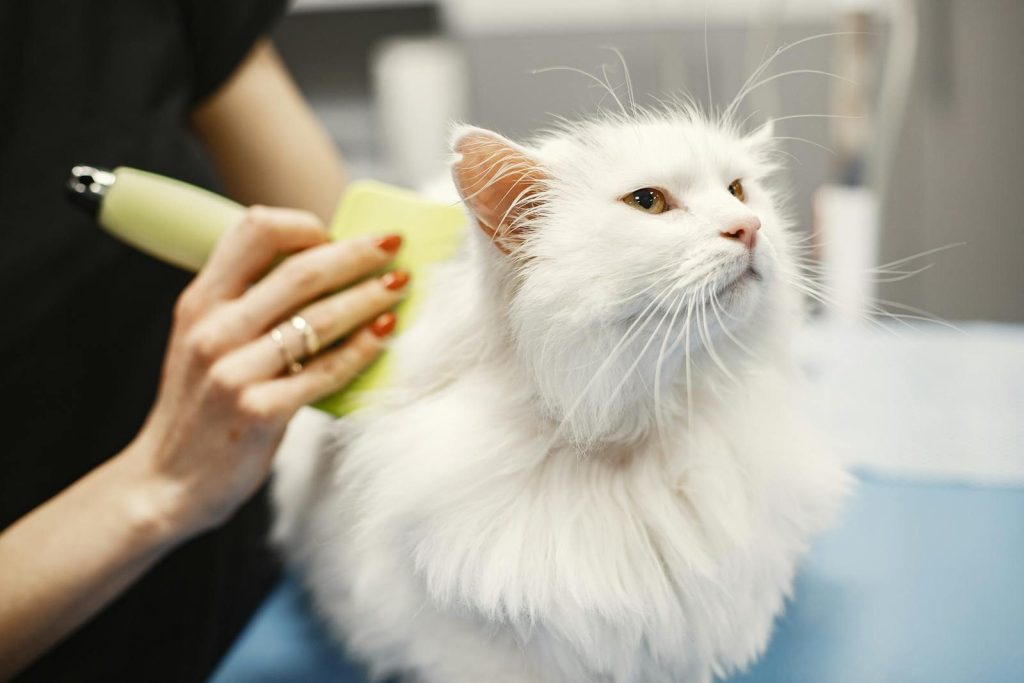
You can build a similar bond by gently brushing your cat and checking their ears, paws, and teeth. Regular handling keeps them comfortable with veterinary visits. This article is for informational purposes only and does not constitute veterinary advice. Paying close attention to your pet’s daily health keeps them safe and happy for years to come.