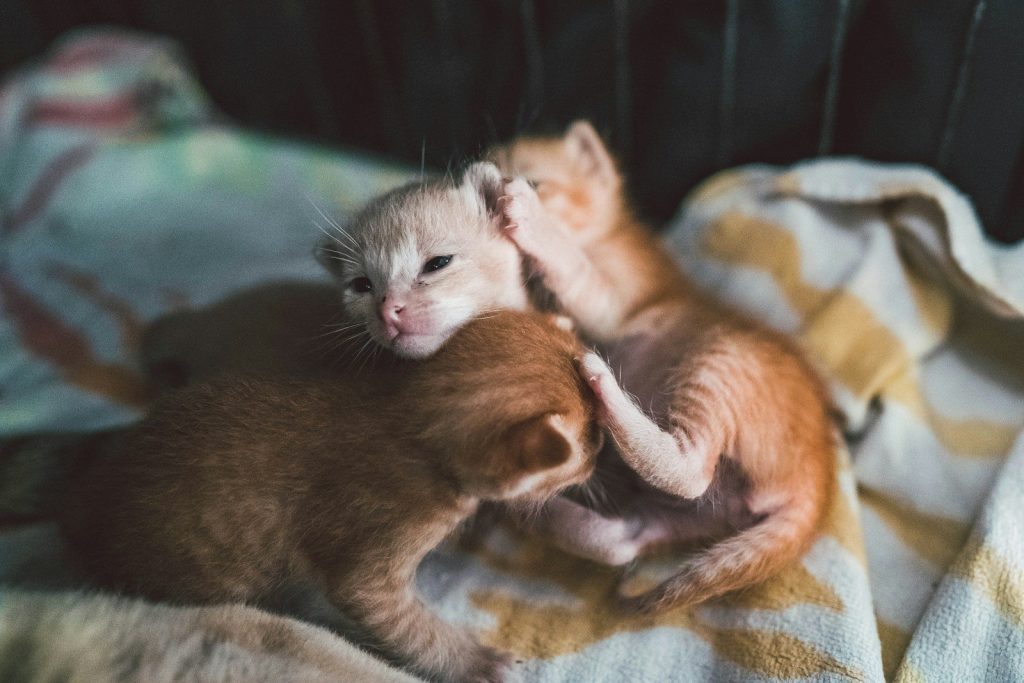

Many people think browsing animal pictures is just a temporary distraction. We assume that looking at sweet pets is simply a waste of work hours.
But scientific studies show that viewing these pictures actually improves our mental focus. This pleasant habit offers several surprising psychological benefits.
Boosting Human Brain Focus
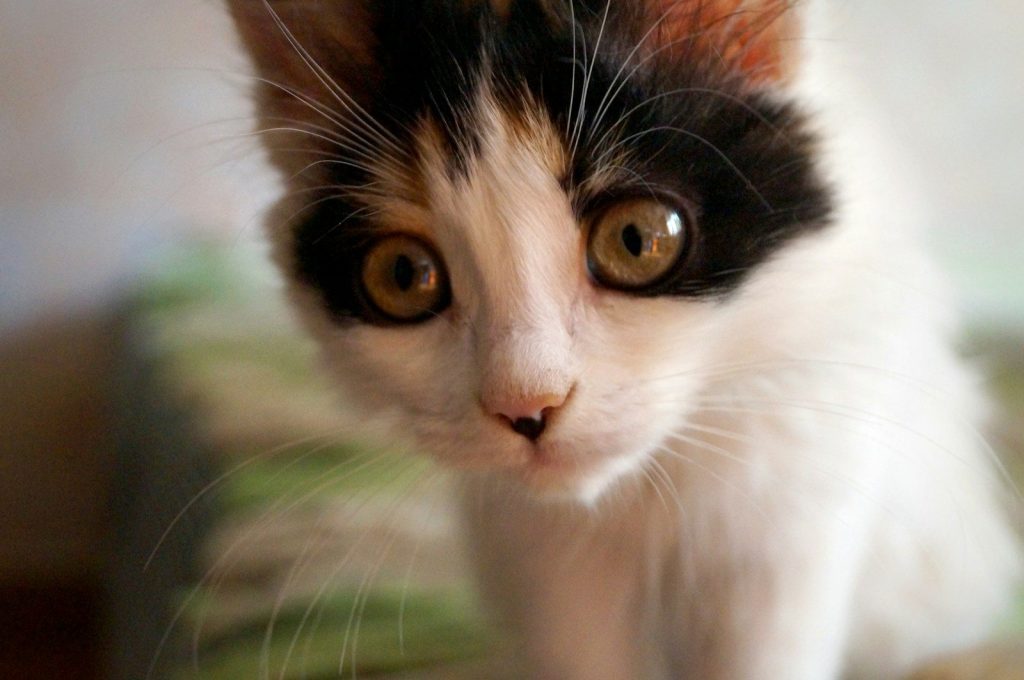
Most people assume cute media makes us lazy. According to a study from Hiroshima University, looking at cute animal photos actually improves subsequent performance on tasks requiring high concentration. This is helpful. Our minds naturally become much more careful and attentive after viewing sweet faces. But the science behind this physical response is even more unexpected.
Lowering Daily Stress Levels
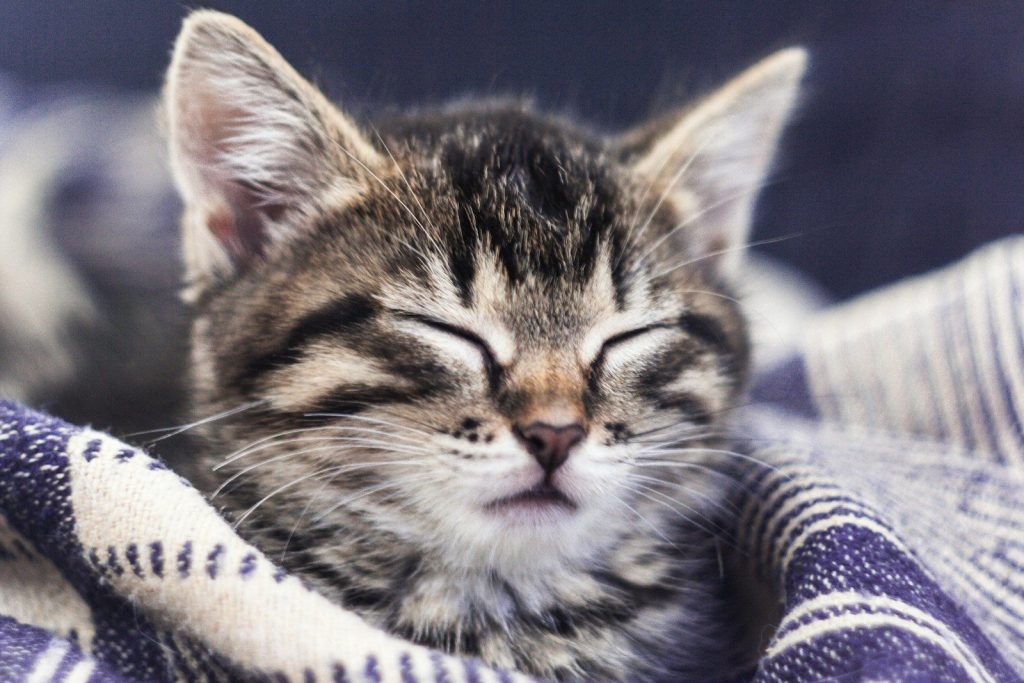
Stress can build up quickly during a busy workday. According to the American Heart Association, brief positive distractions can lower blood pressure and reduce heart rate and anxiety. Heart rate slows. Even a quick view of a tiny paw helps quiet a racing mind. However, these sweet visual triggers are doing more than just calming your nerves.
Activating Our Nurturing Instincts
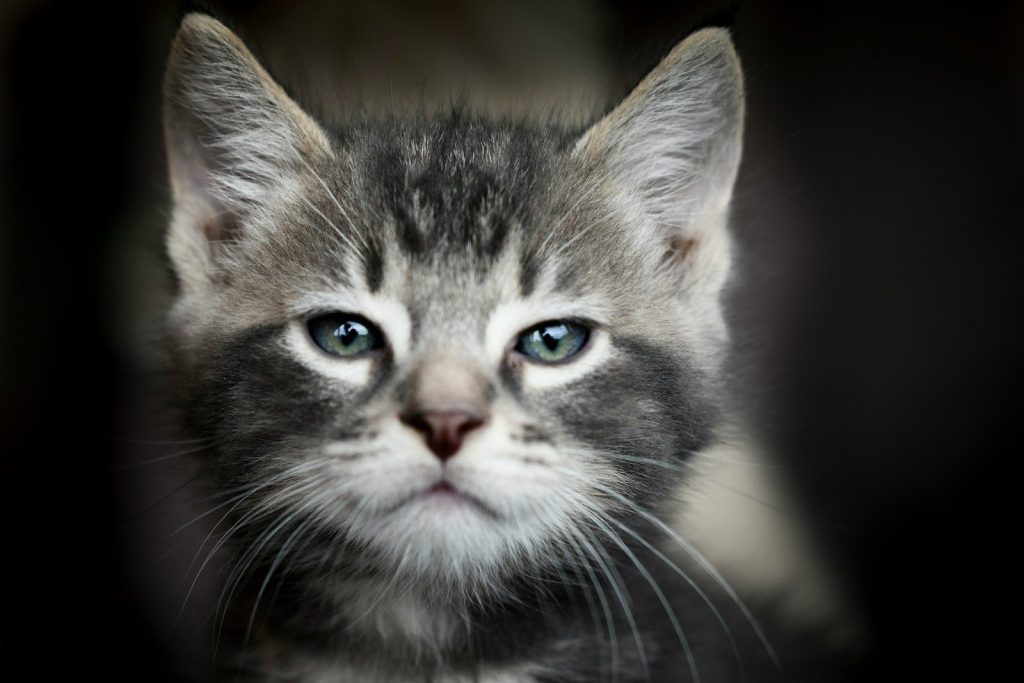
Humans are programmed to respond to baby features like large eyes and round heads. Nature is smart. According to reports from Oxford University, these juvenile traits trigger a rapid emotional response in our brains that encourages gentle behavior. We instantly want to protect the helpless creature. Yet this biological urge actually alters how we interact with other humans too.
Improving Social Connections
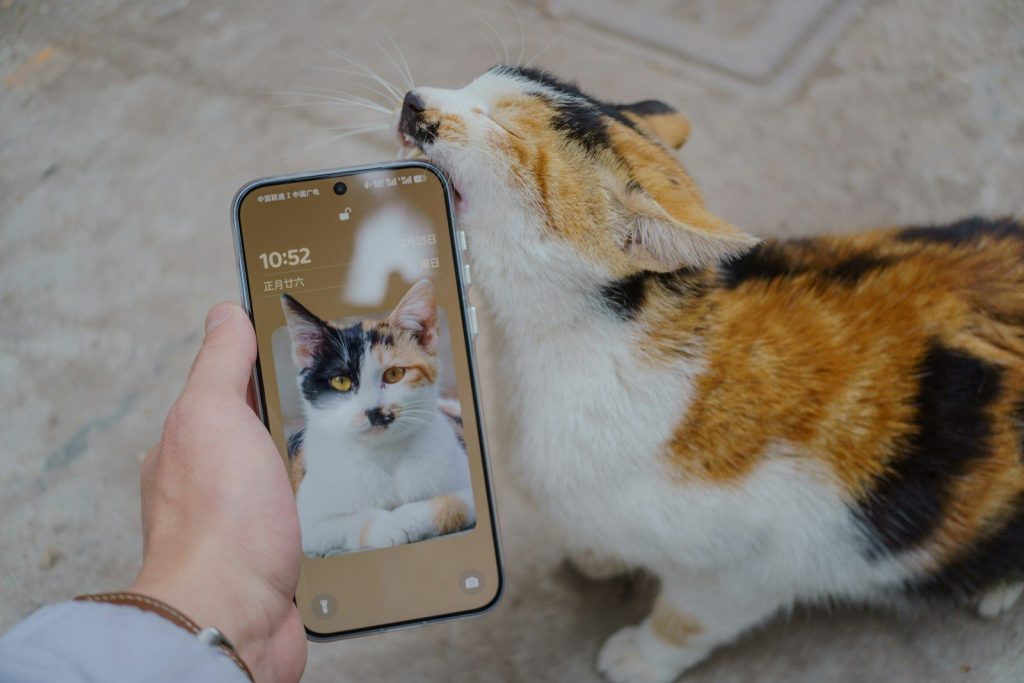
Sharing animal pictures online is a massive global phenomenon. According to a study from Virginia Commonwealth University, sending cute cat images to friends strengthens social bonds and increases workplace cooperation. Relationships improve quickly. It creates a shared moment of joy that lightens the mood of any chat group. But the chemical changes inside your body tell an even deeper story.
Releasing Feel-Good Hormones
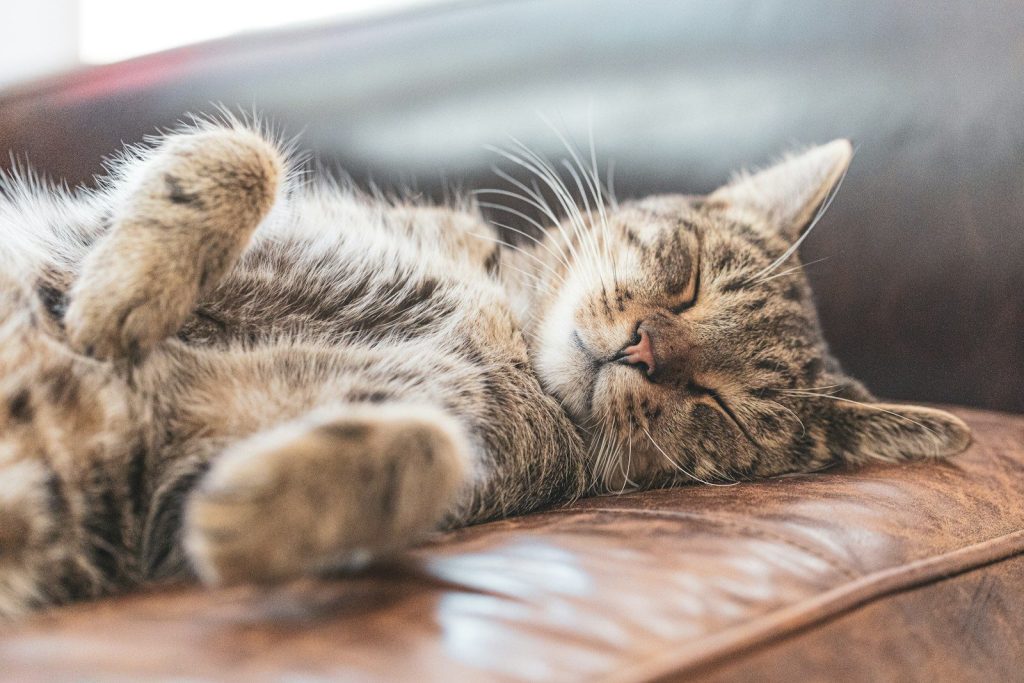
Staring at a beautiful kitten triggers a physical change in your system. Science explains why. According to reports from the National Institutes of Health, looking at lovely animals increases the release of dopamine and oxytocin in our brains. These are powerful chemicals. They naturally elevate your daily mood and bring a sense of comfort. But this chemical reaction can have a lasting impact on your physical well-being.
Encouraging Daily Physical Movement
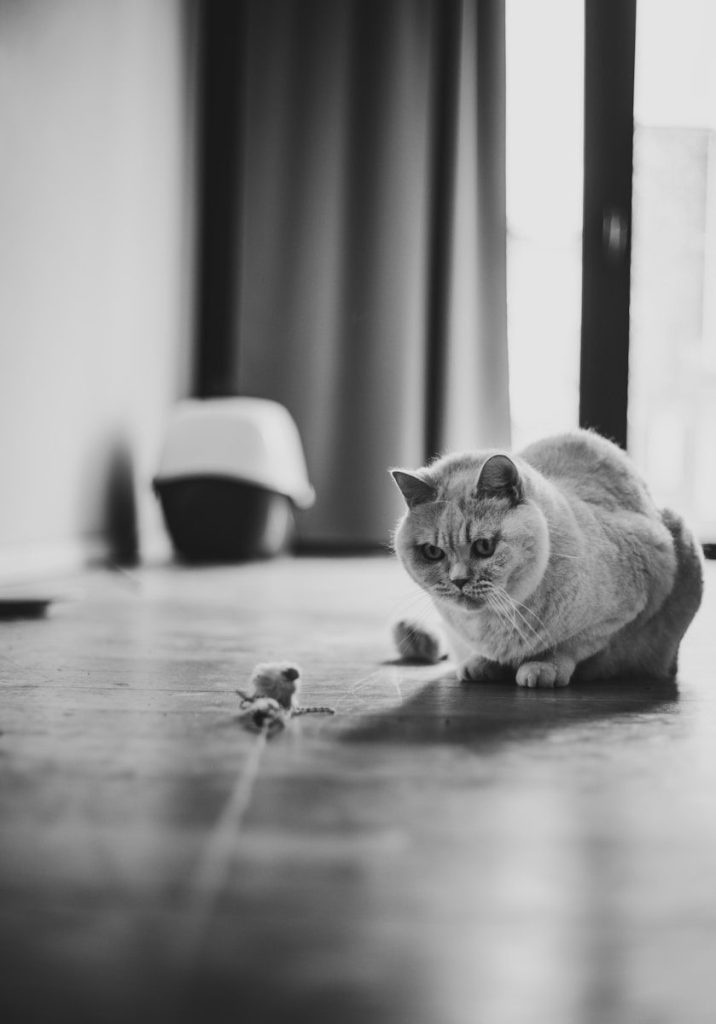
Happy feelings often lead to better habits. According to the American Veterinary Medical Association, people who look at pet media regularly are more likely to seek out real-world animal interactions. They walk more. This positive cycle keeps both pet parents and their animals moving throughout the day. But there is a wonderful final truth to keep in mind about this habit.
Enjoying The Sweet Benefits
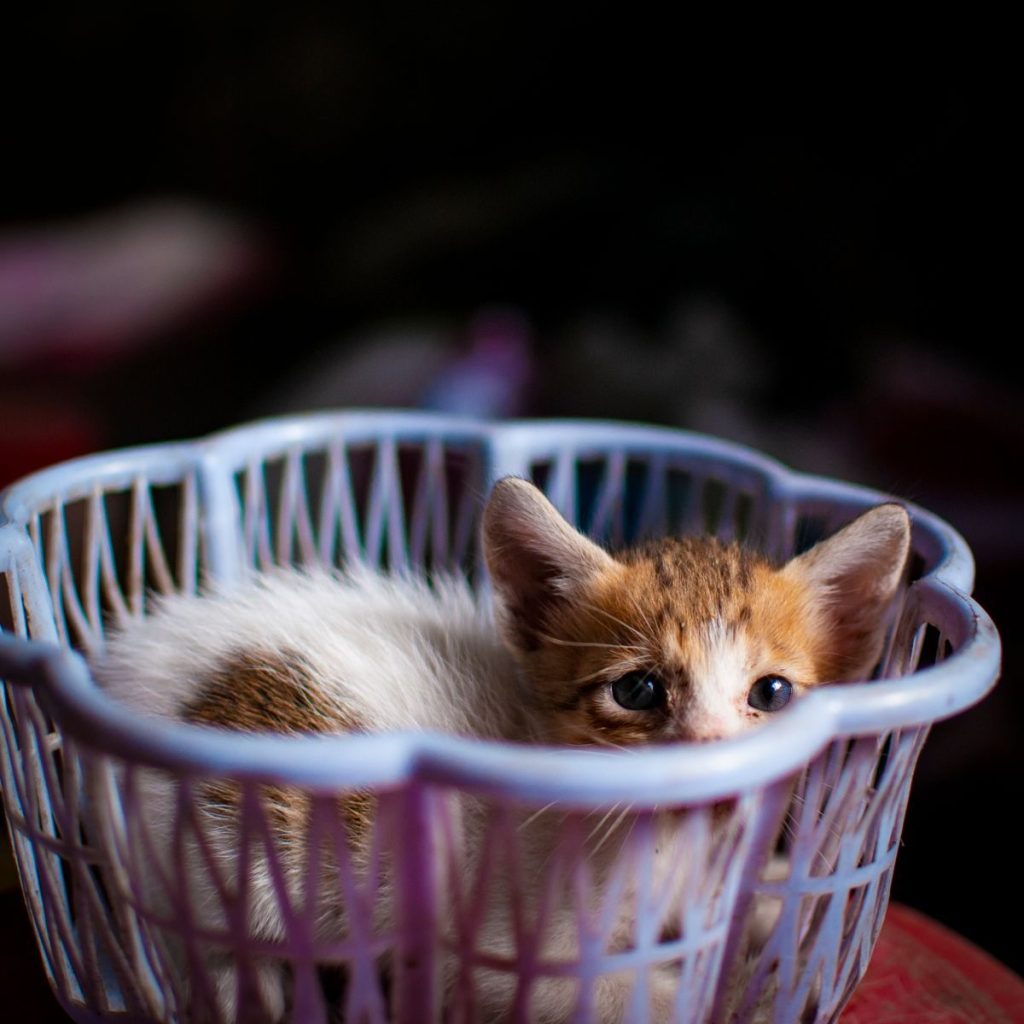
Spending a few minutes looking at sweet animals is a great way to boost your daily wellness. It is simple. According to the American Veterinary Medical Association, keeping a happy and calm mind is essential for a healthy lifestyle. Enjoy those beautiful pet pictures whenever you need a quick boost. This article is for informational purposes only and does not constitute medical advice.