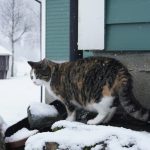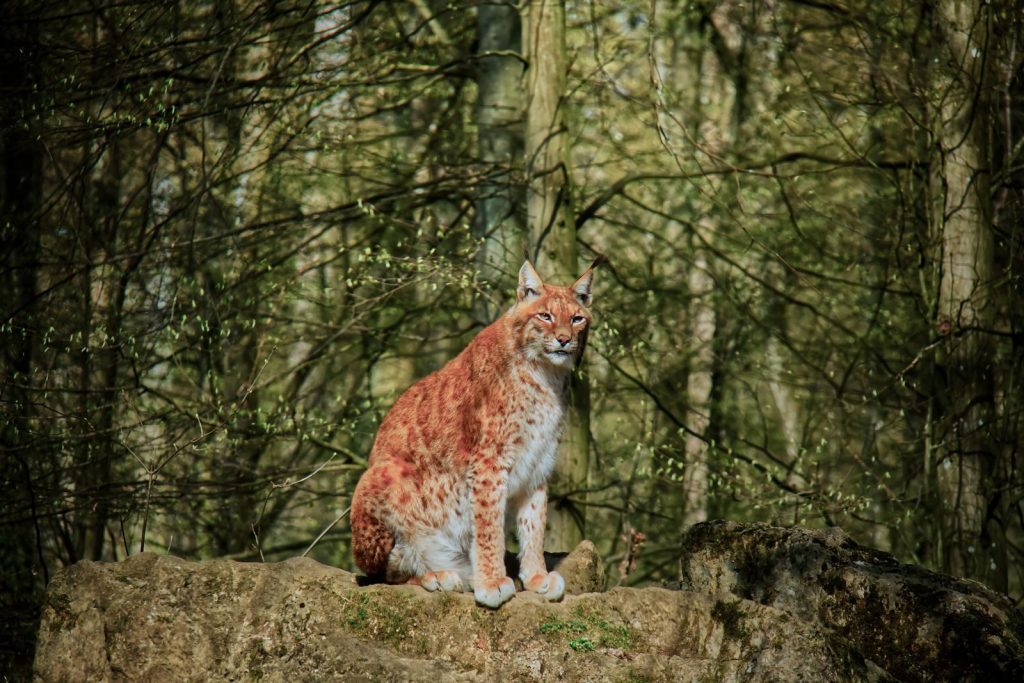

Many exotic animal lovers dream of owning a majestic wild cat. They think a beautiful forest predator can adapt to a quiet home.
But keeping a wild feline in a suburban neighborhood often ends in disaster. A recent wildcat incident has triggered a serious warning.
A Sudden Neighborhood Nightmare
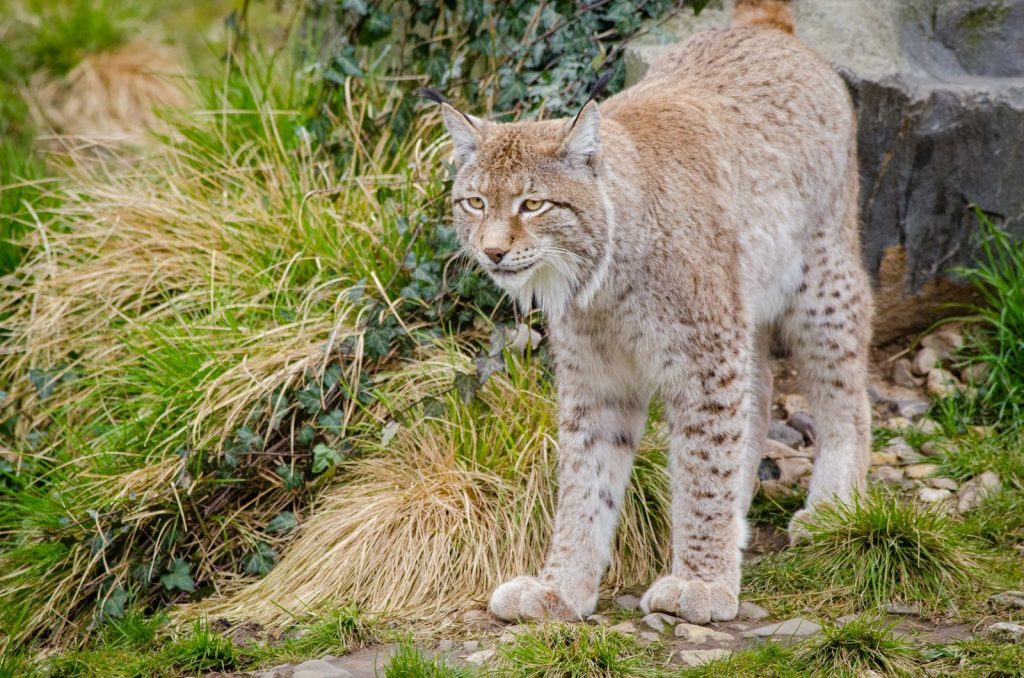
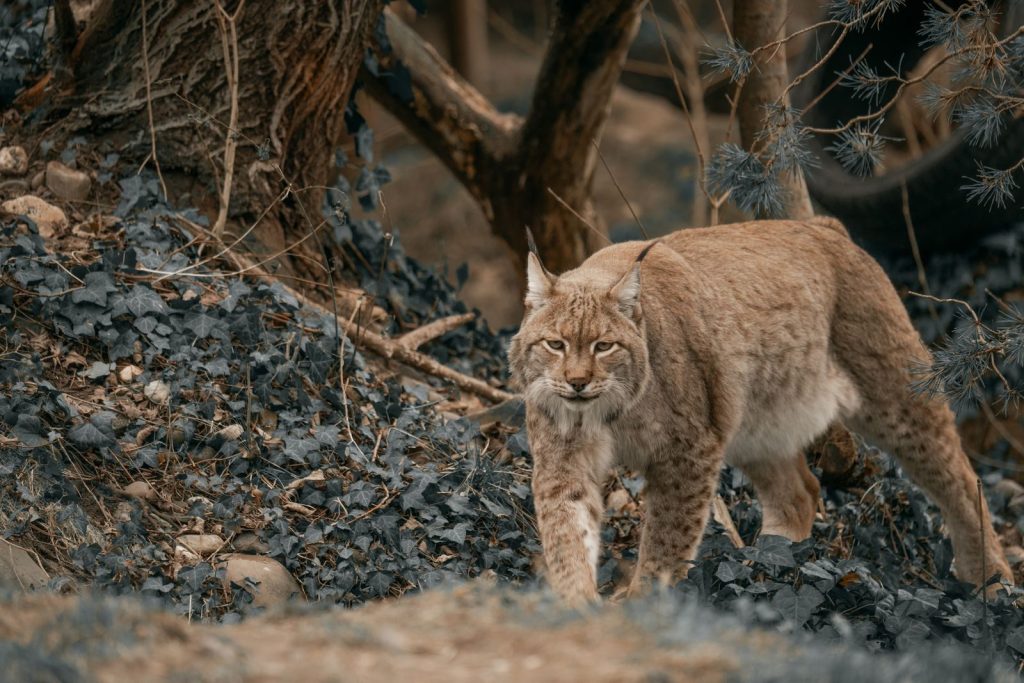
A man in Georgia decided to raise a young forest lynx inside his home. He treated the wild animal like a normal household pet. But as the feline matured, its powerful wild instincts began to surface. One morning, the massive predator slipped through an open door and entered a neighbor’s yard, starting a terrifying confrontation.
Understanding Wild Instincts
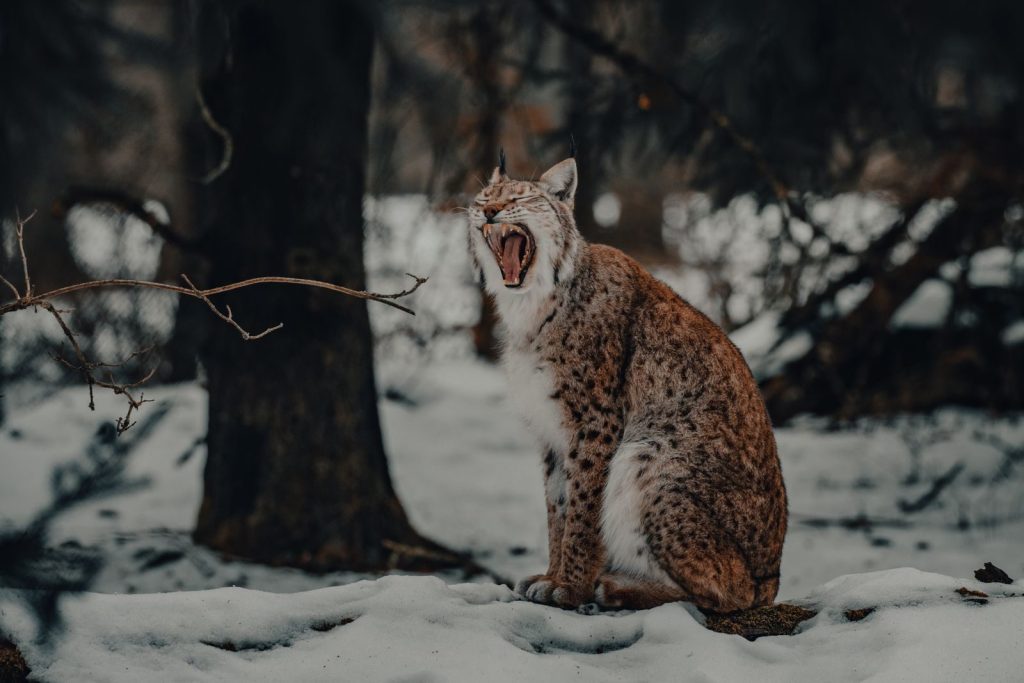
According to the American Veterinary Medical Association, wild animals possess unpredictable behaviors that cannot be trained away. They are not domestic companions. A forest predator relies heavily on territorial defense and hunting drives to survive. These deep instincts remain active even if the animal is raised by loving humans from birth.
The Risk of Extreme Strength
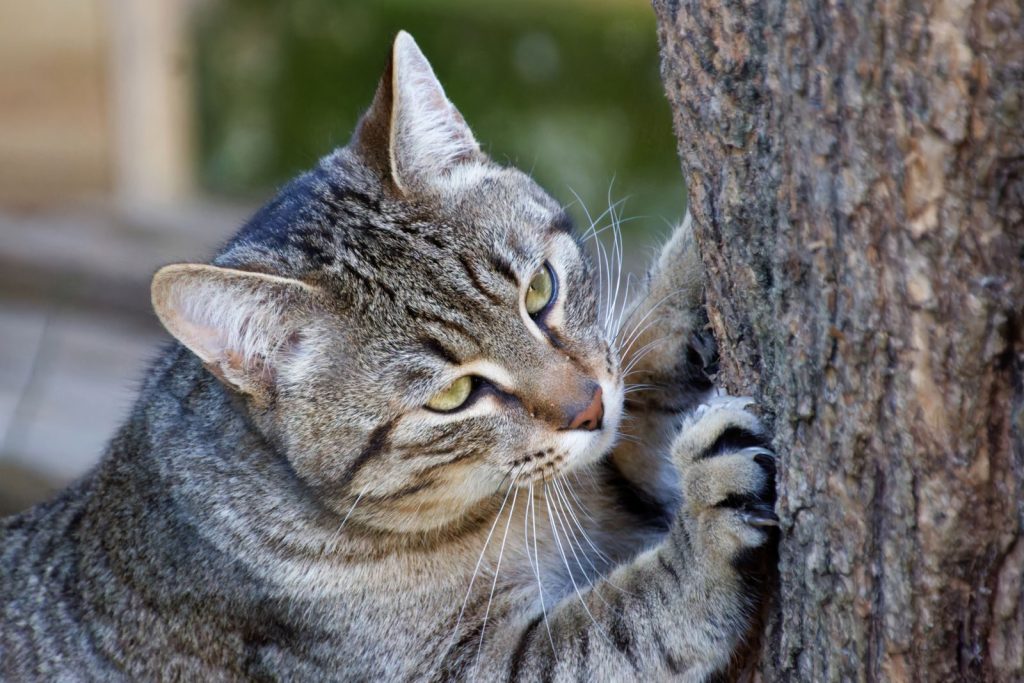
Wild felines have incredibly powerful muscles, sharp claws, and intense bite forces. They can cause severe physical harm in a fraction of a second. Even a playful swat from a mature lynx can easily injure a person or another pet. This physical power makes keeping them in suburban areas a massive hazard.
Lacking Safe Home Boundaries
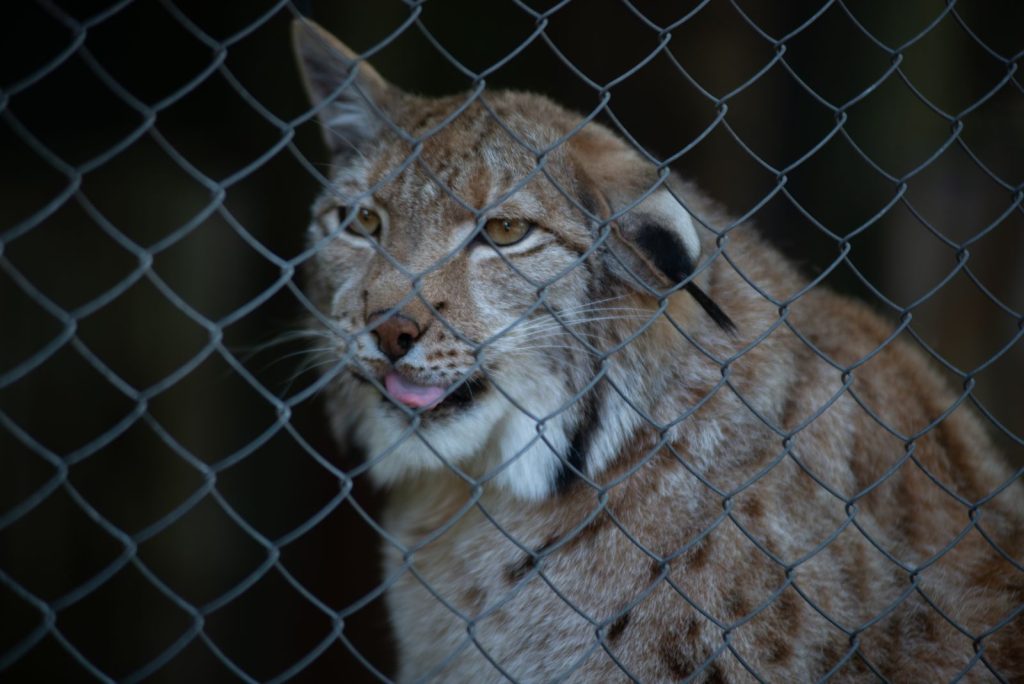
Standard indoor spaces and fenced backyards are simply too small for active wild predators. They get stressed. A confined environment can cause high anxiety, leading to sudden bursts of aggression. When these animals feel trapped, they will look for any opportunity to break out.
Sourcing Factual Veterinary Advice
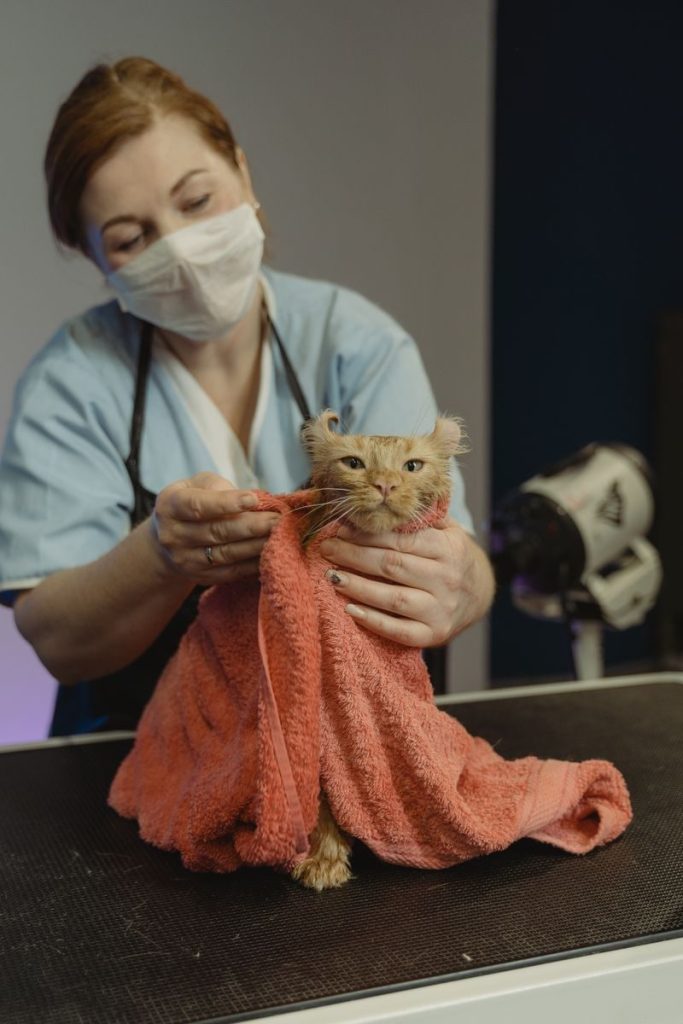
Veterinary experts warn that wild cats require highly specialized diets and medical care that average clinics cannot provide. They suffer. Feeding them standard cat food can lead to painful bone diseases and severe organ failure. This lack of proper care can quickly turn a quiet pet into a suffering, aggressive animal.
Choosing Safe Exotic Alternatives
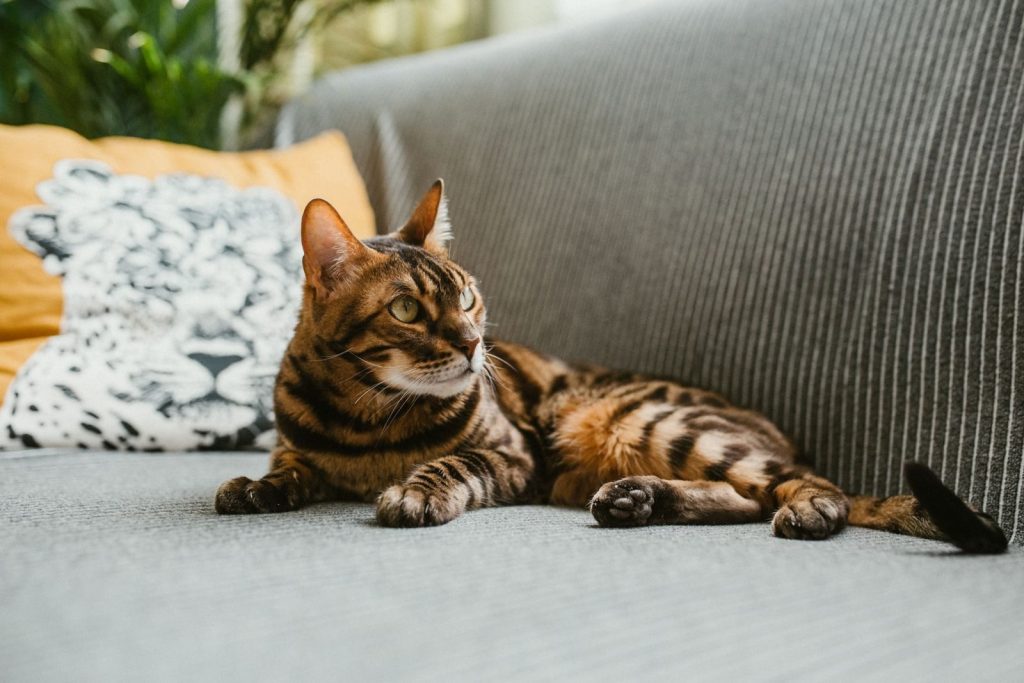
If you love the wild look, certain domestic breeds offer a safe alternative. Consider a majestic Maine Coon or a spotted Bengal cat. These breeds have been domesticated for generations, ensuring they are safe, loving, and happy inside your home.
Respecting Forest Wild Neighbors
Wild predators belong in their natural habitats where they can roam free. They need space. This article is for informational purposes only. Supporting local conservation groups is the best way to protect these beautiful creatures and keep our neighborhoods safe.
Featured Image: Photo by Image Noise on Pexels