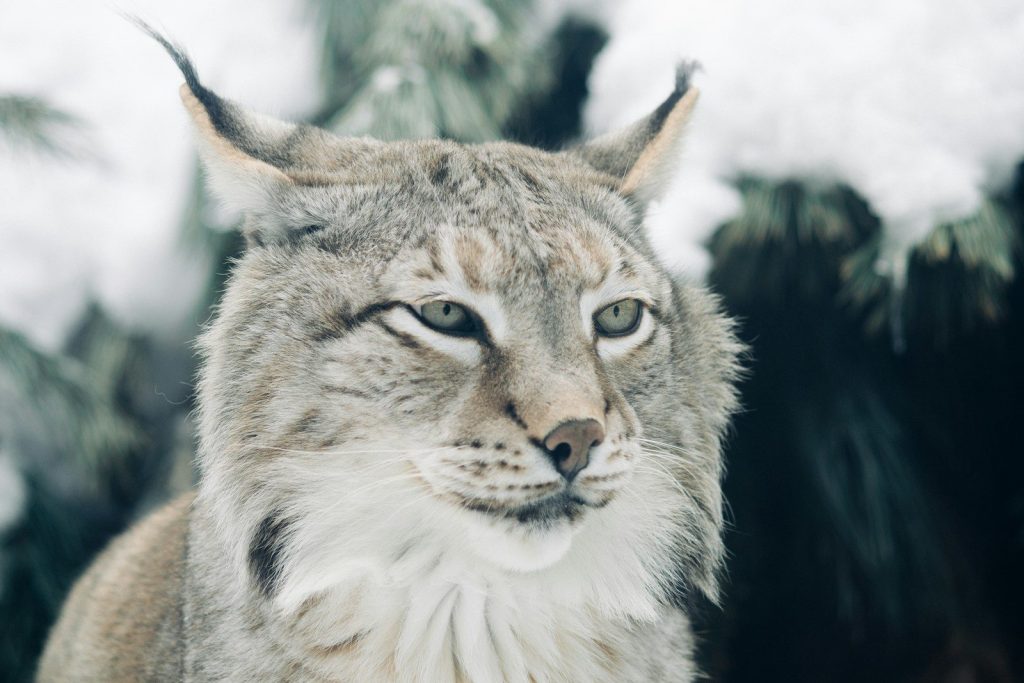

We think of wild forest predators as completely different from our sweet domestic pets. They seem worlds apart.
However, evolutionary biology reveals that massive wild cats share nearly identical instincts with your pampered companion. Why do these giant hunters behave just like a house cat?
The Obsession With Cardboard Boxes
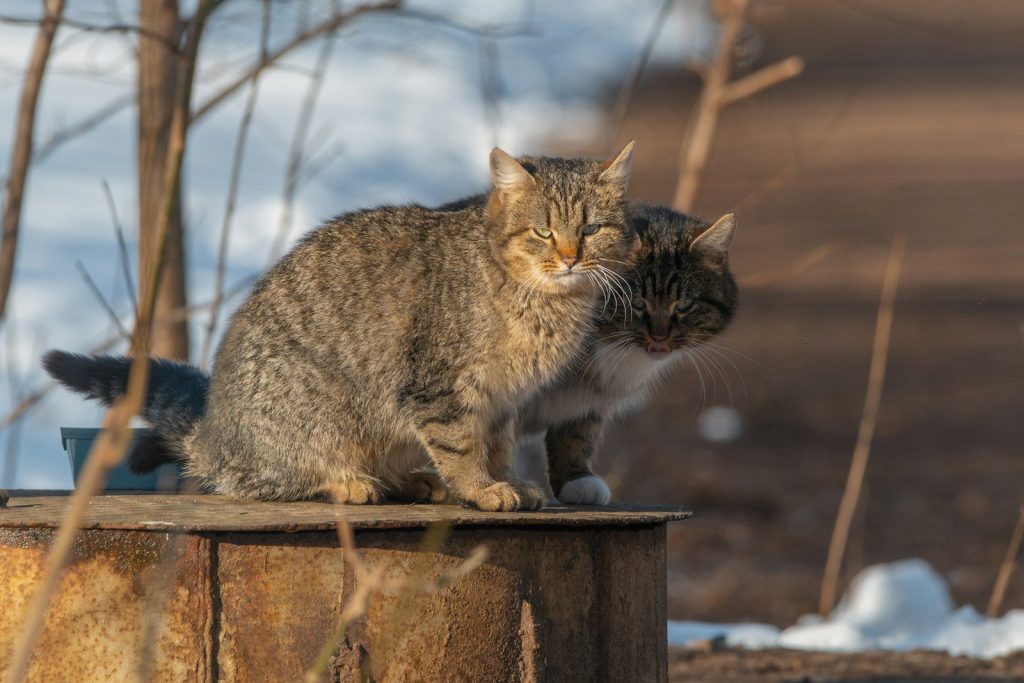
Give a forest predator a large cardboard box, and they will immediately climb inside it. It is hilarious. According to research from the University of Utrecht, tight spaces reduce stress levels across all feline species. This enclosed sanctuary helps wild lynx cats feel safe and protected in their environments. But there is another common behavior that they share with your pet.
Making Biscuits On Soft Moss
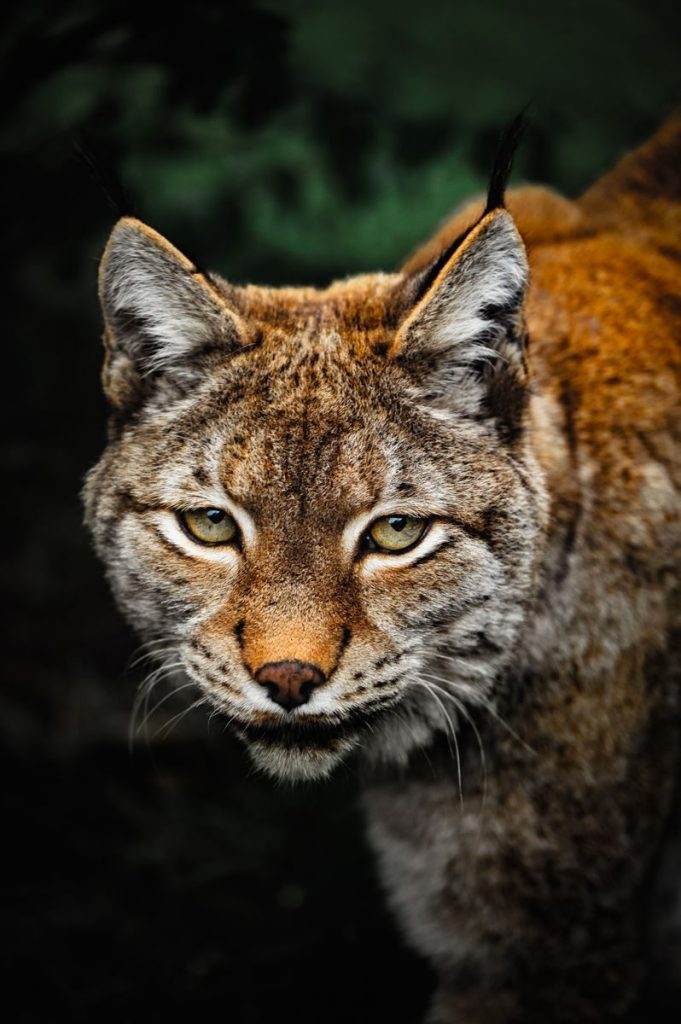
House cats knead soft blankets when they feel completely relaxed and secure. Wild lynx cats display the exact same rhythmic paw movement on forest moss or soft dirt. Wildlife researchers state that this instinct stems from their early nursing days with their mother. This behavior is a universal sign of feline comfort. They also communicate using a highly specific facial expression.
The Funny Flehmen Smell Response
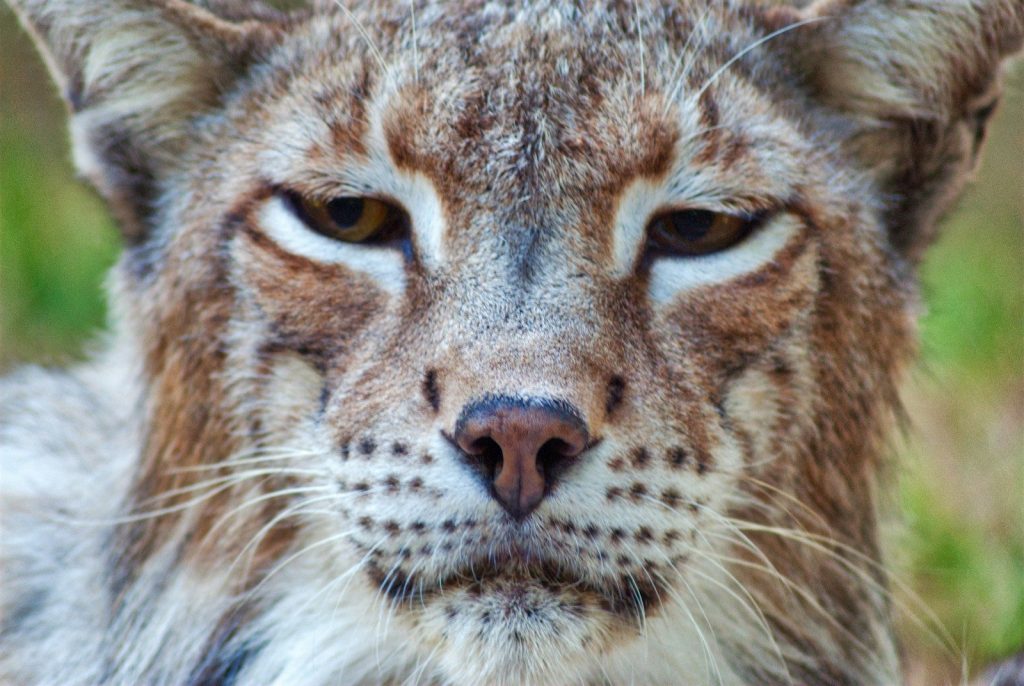
Felines often curl their top lip and open their mouths after smelling something highly unusual. It looks very silly. This unique reaction is the Flehmen response, which directs scents to a specialized organ in their mouth. Both domestic tabbies and wild lynx cats use this sensory tool to analyze nearby territory. This shared biology helps them track a very specific scent.
Climbing To The Highest Peak
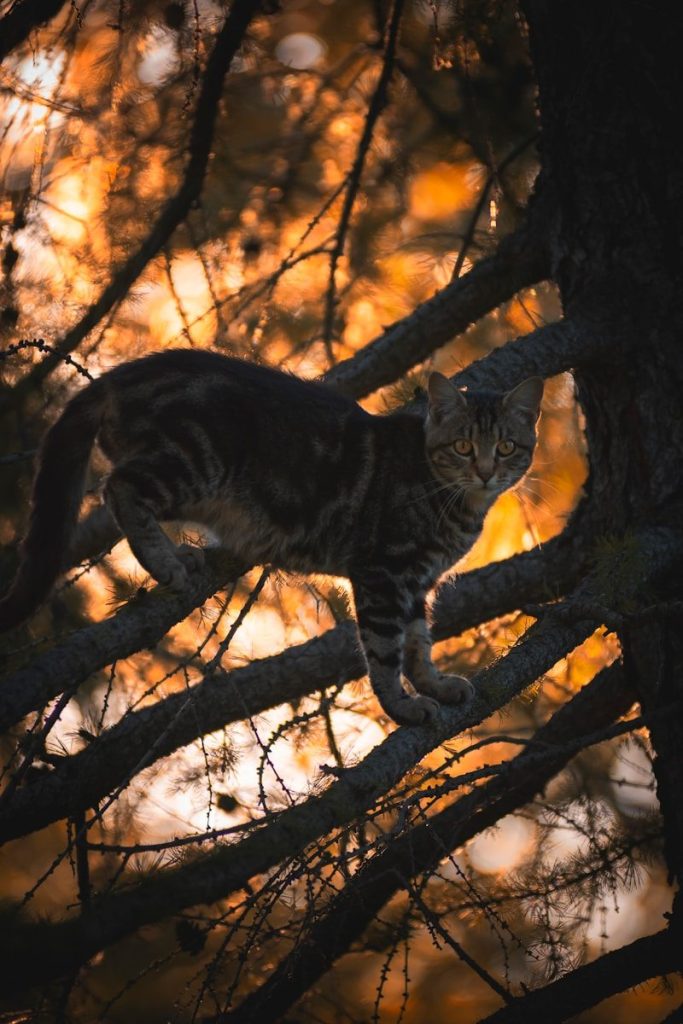
Your pet loves to sit on the top of tall bookshelves to observe the living room. In the wild, lynx cats climb high tree branches to spy on their territory. These elevated positions offer a safe, strategic view of their surroundings. This vertical climbing instinct remains fully active in your quiet home. But they also share a very lazy daily routine.
Sleeping Most Of The Day
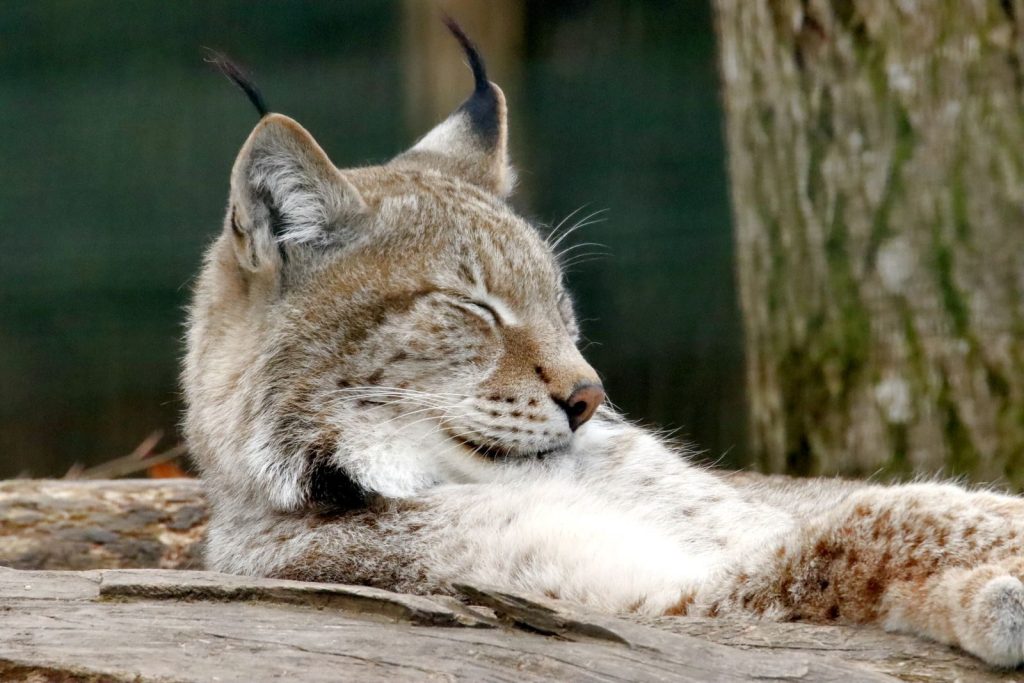
These active predators spend up to sixteen hours a day napping in warm sunny spots. They conserve their physical energy. In the wild forest, lynx cats sleep during the hot midday hours to prepare for night hunting. This efficient sleeping pattern is a highly successful tool shared by all feline breeds. But their hunting style is also remarkably similar.
The Classic Slow Butt Wiggle
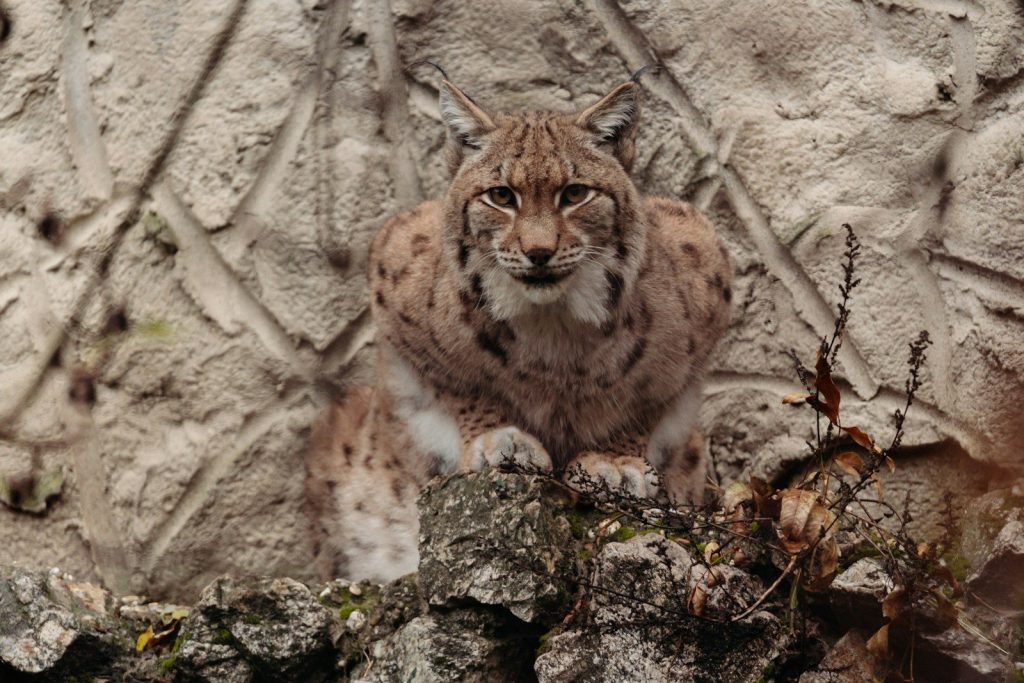
Watch your house cat prepare to pounce on a toy mouse in the living room. They wiggle their hips. Giant wild cats perform the exact same slow butt wiggle before launching a stealthy attack. According to the American Veterinary Medical Association, this movement helps them calibrate their back legs for maximum leaping power. This calculated hunting precision serves another vital role.
Rubbing Cheeks to Mark Territory
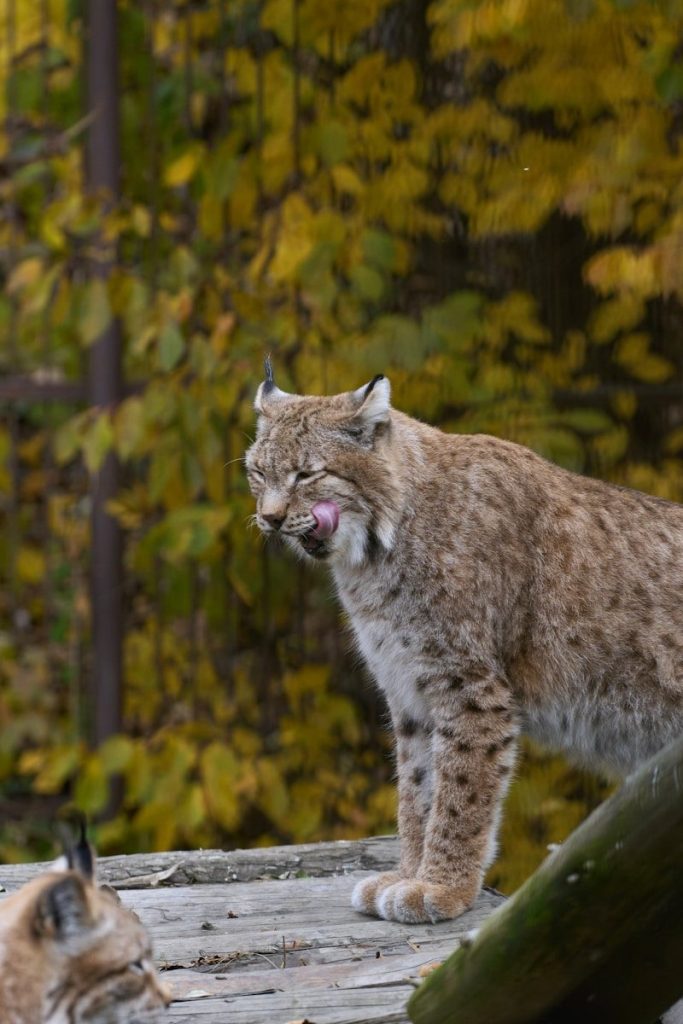
Felines have specialized scent glands on their faces that release personal pheromones. When they rub against trees or walls, they are claiming the territory as their own. Wild lynx cats use this chemical communication to warn other predators to stay away from their forest borders. But these wild animals currently face a very real threat to their survival.
Protecting Our Wild Neighbors
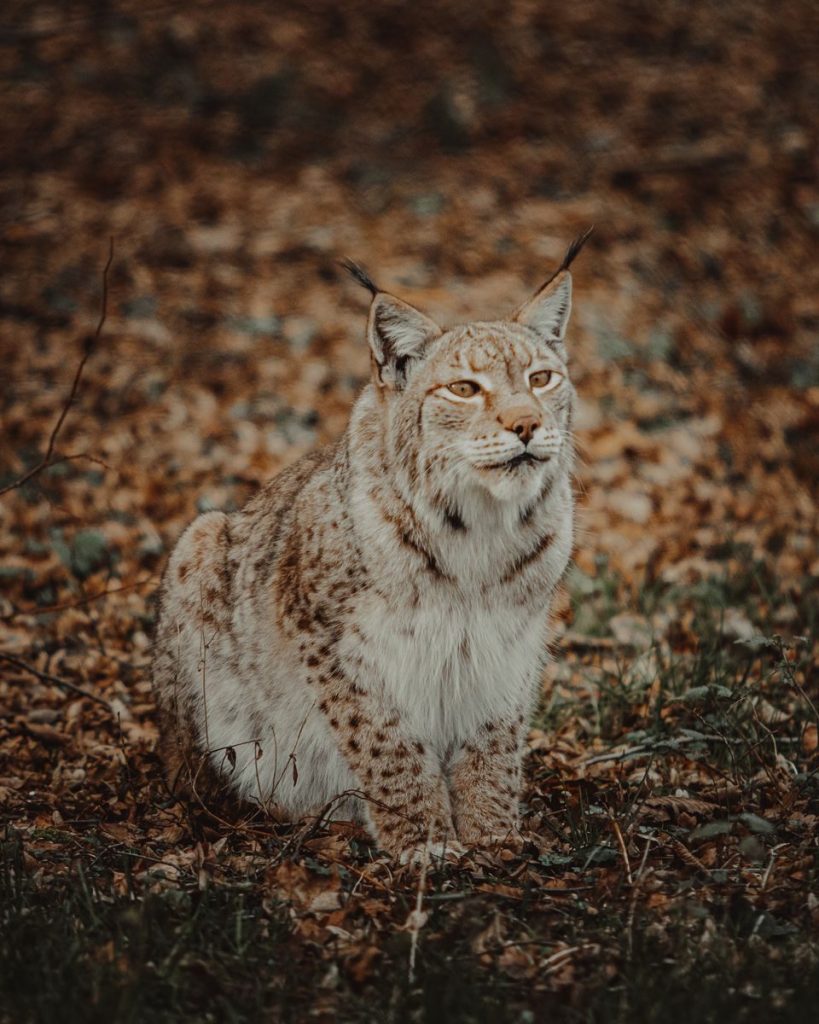
Wild lynx populations are declining due to habitat loss and human expansion. They need our protection. Supporting local conservation groups helps ensure these beautiful creatures can roam free in their natural homes. Understanding our pets helps us appreciate the magnificent predators that share our world.
Featured Image: Photo by Oleh Morhun on Unsplash