
We view our domestic felines as gentle companions that are completely different from wild predators. They seem worlds apart.
However, evolutionary science reveals that lions, tigers, and house cats share nearly identical behavioral instincts. Why do giant wild cats act like your pet?
The Unbelievable Love For Cardboard Boxes
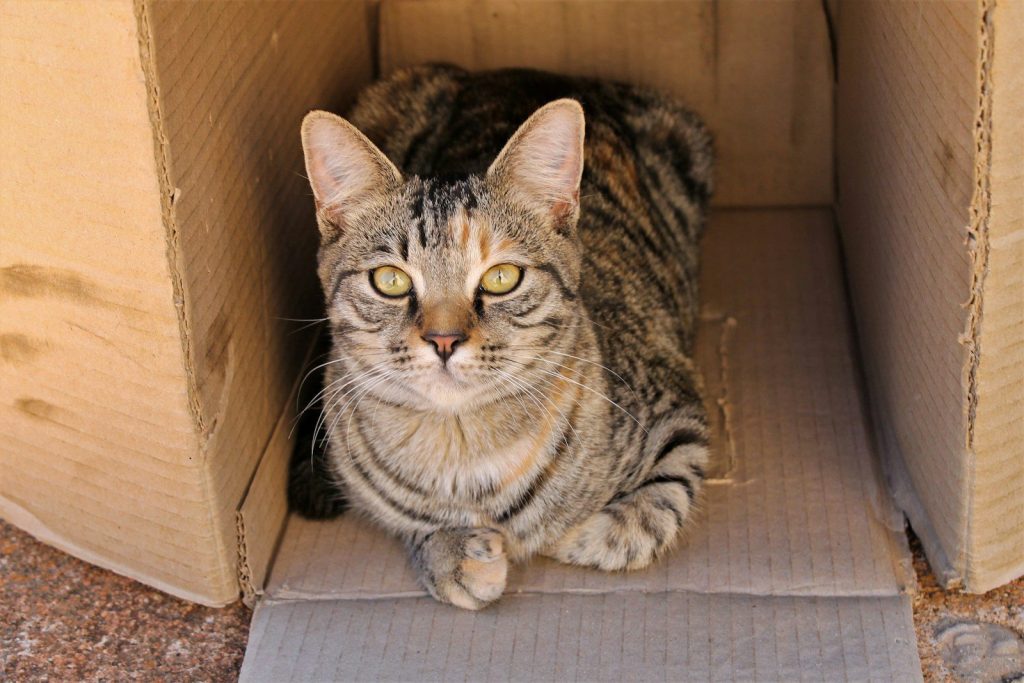
Give your house cat an expensive toy, and they will still play with the shipping box. It is hilarious. But wildlife researchers have observed giant lions and tigers squeezing into cardboard boxes, too. According to a study by the University of Utrecht, boxes reduce stress levels across all feline species. The enclosed walls offer a safe zone. This instinct is active in every size.
The Rhythmic Paw Kneading Motion
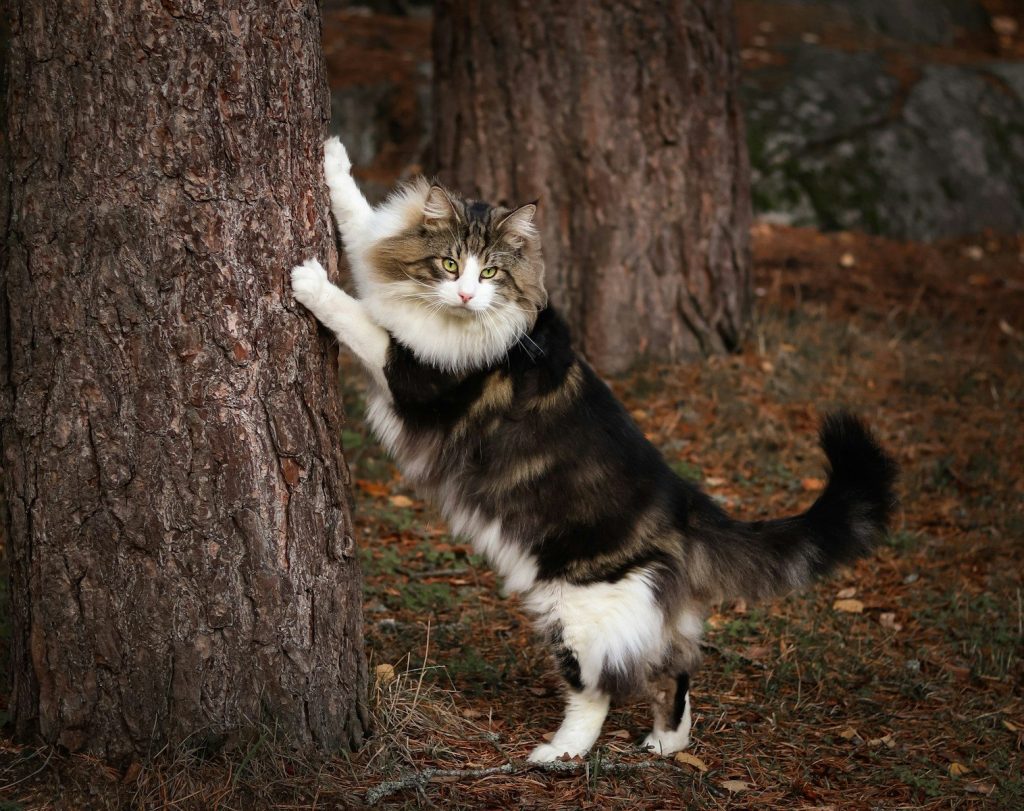
House cats make biscuits on soft blankets when they feel completely safe and relaxed. This is adorable. Interestingly, giant wild cats also perform this rhythmic kneading motion on grass or trees. According to reports from wildlife behaviorists, this instinct stems from their early nursing days. It is a universal display of feline comfort. But their hunting style is also identical.
The Classic Slow Butt Wiggle
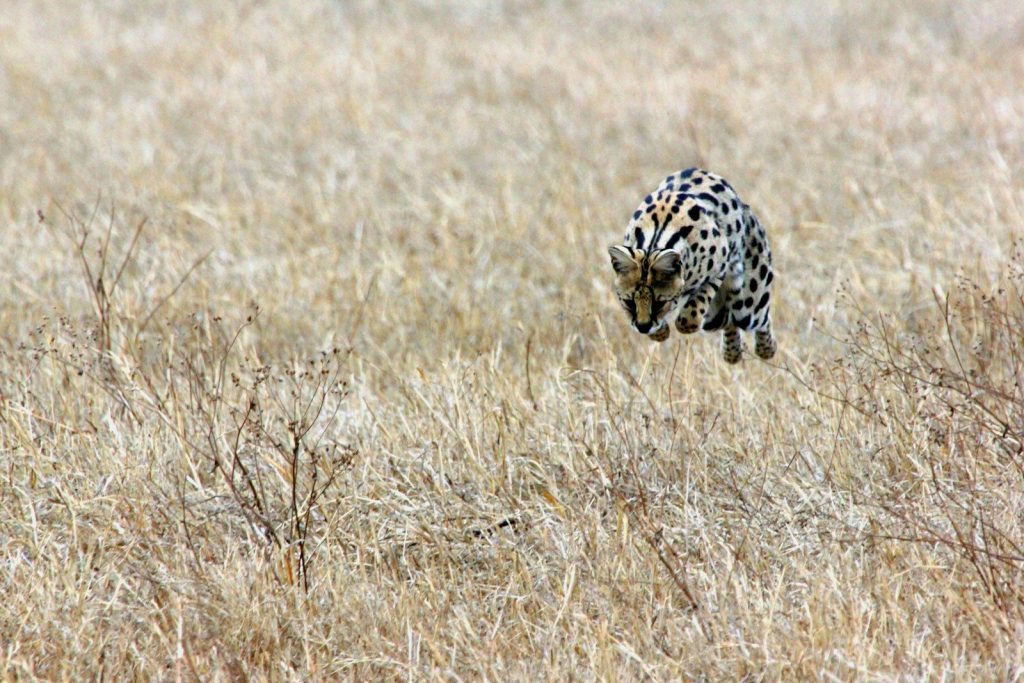
Watch your house cat prepare to pounce on a toy mouse in the living room. They wiggle their hips. Giant panthers and leopards perform the exact same slow butt wiggle before launching a wild attack. According to the American Veterinary Medical Association, this movement helps felines calibrate their back leg springs for maximum power. This biological precision is highly effective.
Rubbing Cheeks To Mark Territory
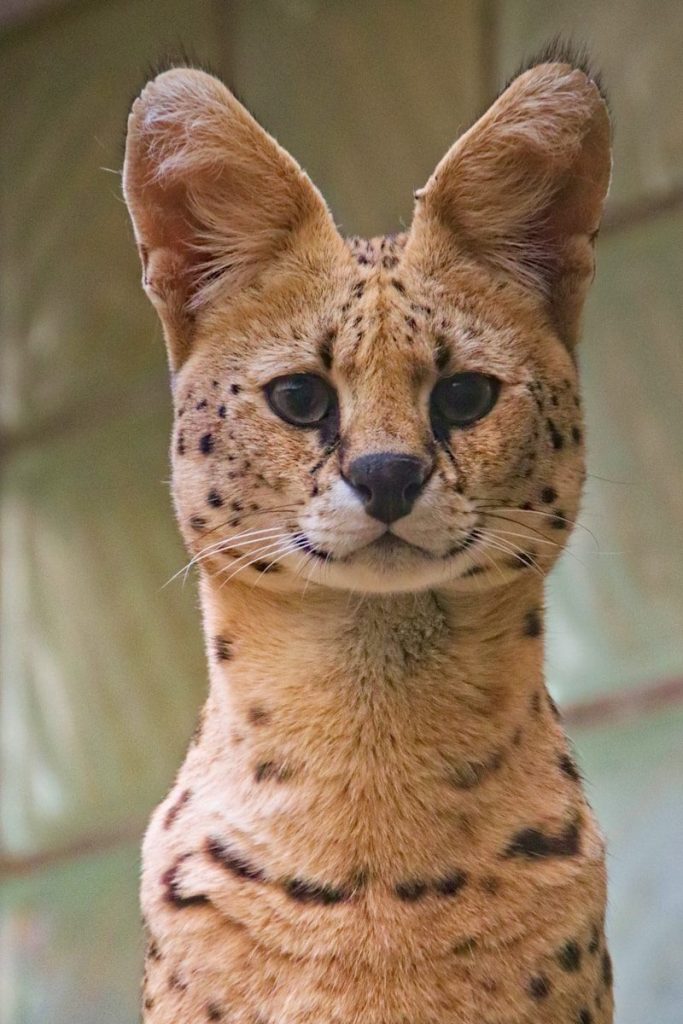
Your pet rubs their face against your hand to show affection and deposit scent. They are marking you. Huge wild tigers rub their cheeks against forest trees to claim territory in the exact same way. According to the Cornell Feline Health Center, felines possess specialized scent glands on their faces. This chemical communication is a core part of feline survival. But they also share a love for high spots.
The Obsession With High Spots
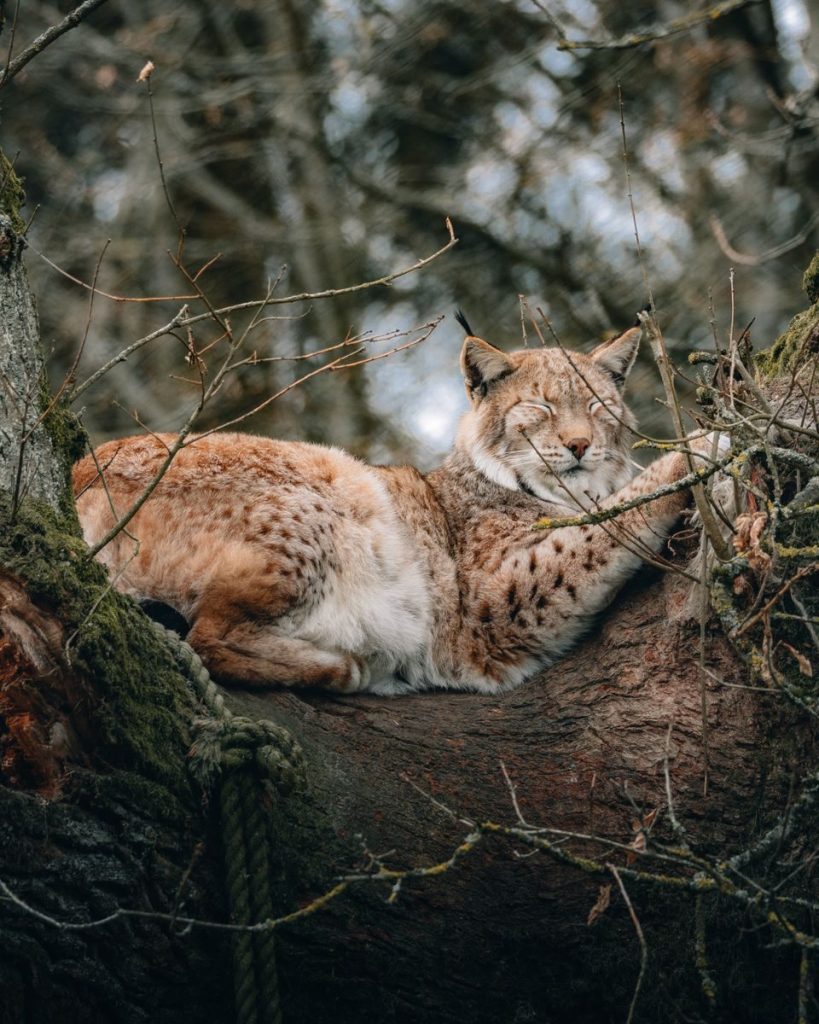
Cats love to climb to the top of tall bookshelves to observe the room below. It is instinctive. In the wild, leopards spend their afternoons lounging in high tree branches to spy on prey. These elevated positions offer a safe, strategic view of their entire territory. This climbing instinct remains fully active in your domestic living room. But they also sleep identically.
Sleeping Most Of The Day
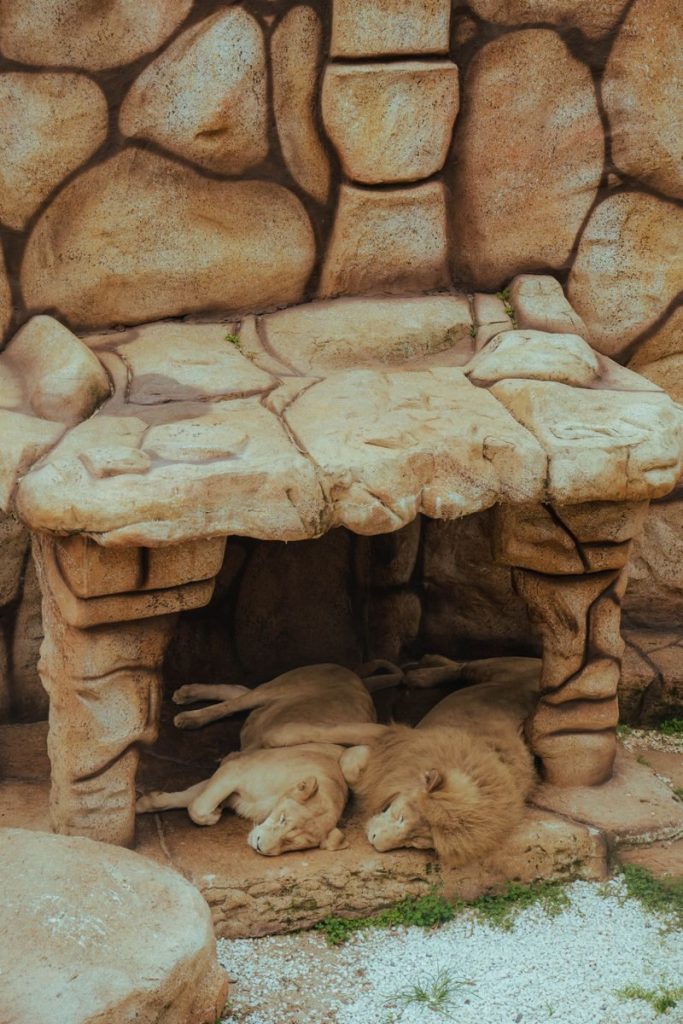
These active animals spend up to sixteen hours a day sleeping in warm sunny spots. They are lazy. In the African savannah, wild lions sleep up to twenty hours to conserve energy for hunting. This sleeping pattern is a highly efficient evolutionary tool shared by all feline species. But there is another strange, identical physical reaction.
The Strange Flehmen Response Face
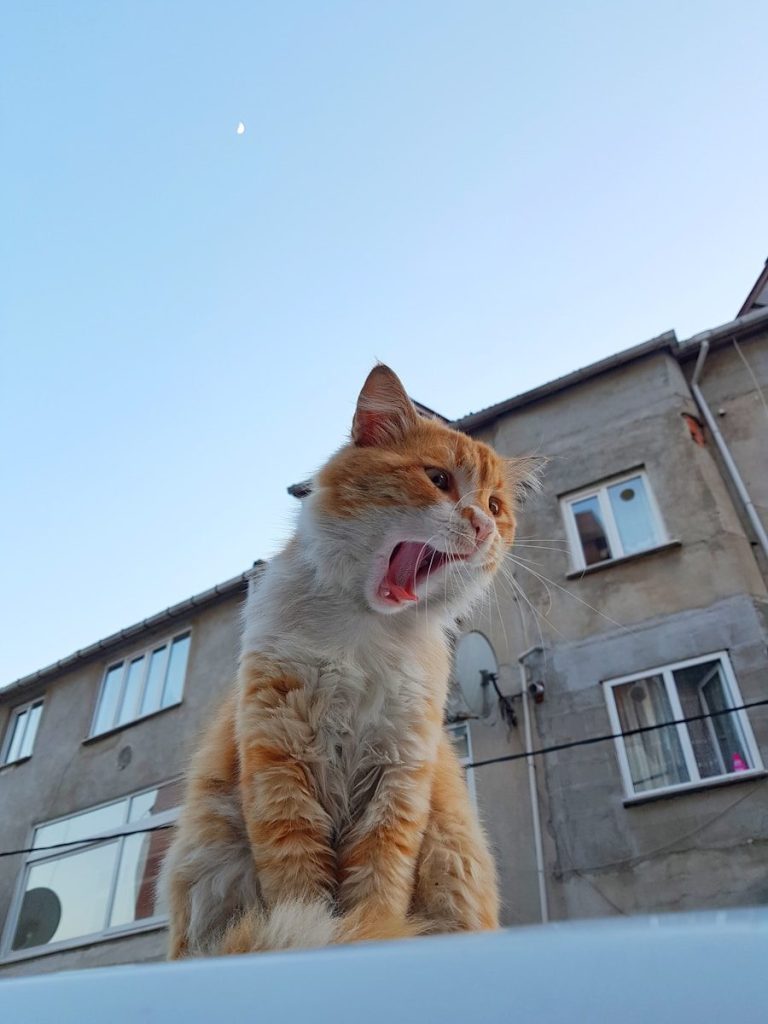
Felines often curl their top lip and open their mouths after smelling something unusual. It looks funny. This physical reaction is known as the Flehmen response, which directs scents to a specialized organ in the roof of their mouth. Lions and domestic cats use this tool to analyze chemical signals in their environment. This shared biology is truly amazing.
Celebrating The Wild Side
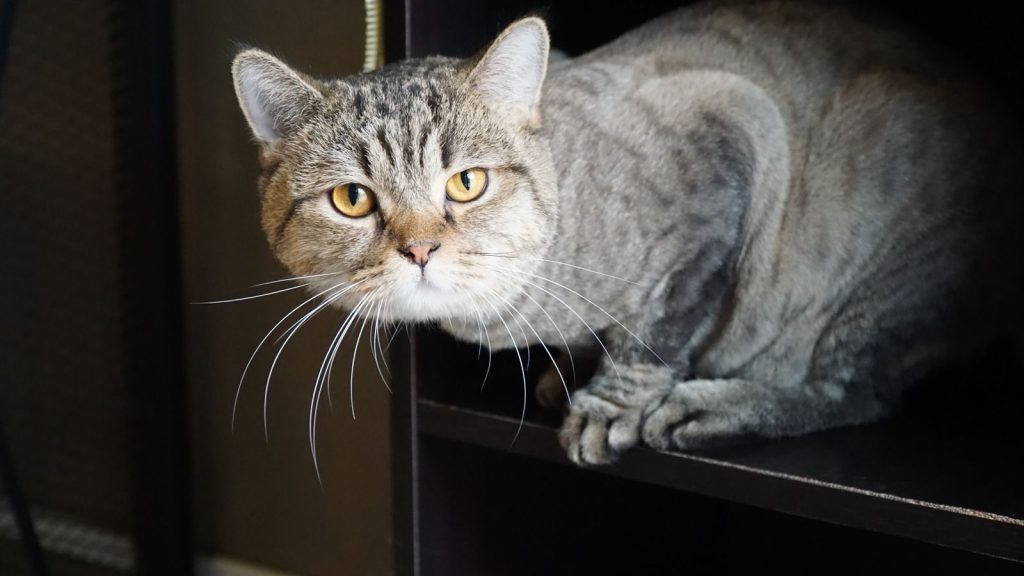
Understanding these shared traits helps us appreciate the magnificent predator living right in our homes. They are incredible. Provide plenty of vertical shelves and active play to keep your pet’s inner wild cat happy and healthy.
Featured Image: Photo by Timothy Barrett on Unsplash