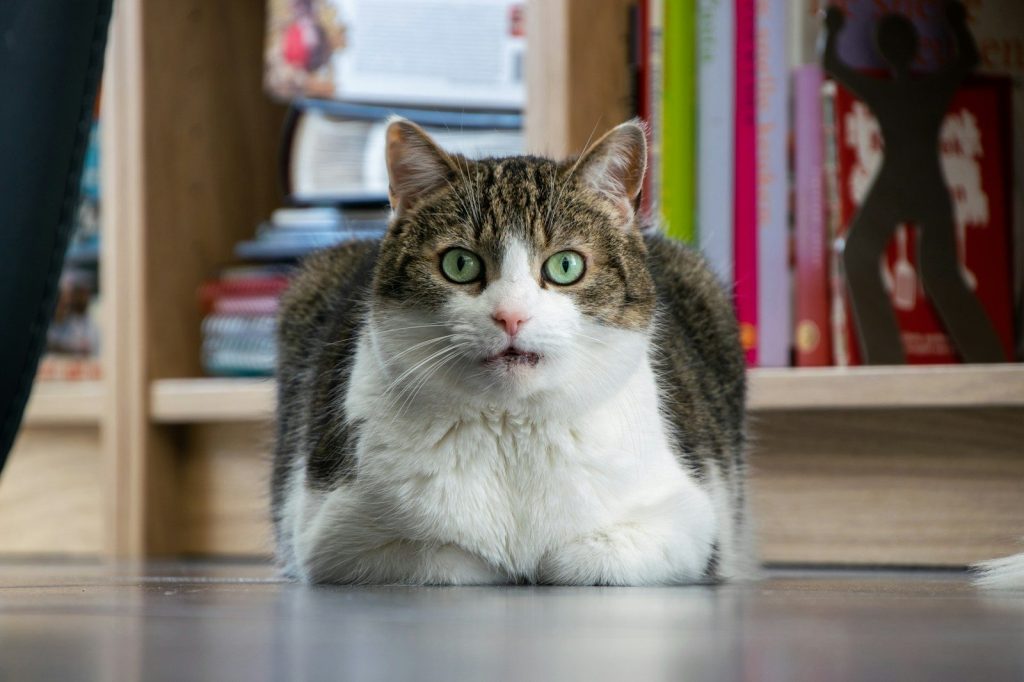

Bringing a bouncy new puppy home is an exciting milestone for any family. But if you already own giant Maine Coon cats, the first meeting can feel like a silent movie standoff.
These massive felines often react to new canine siblings with intense, unblinking stares. Understanding the complex psychology behind this silent staring contest is the key to creating a peaceful home.
The silent power play
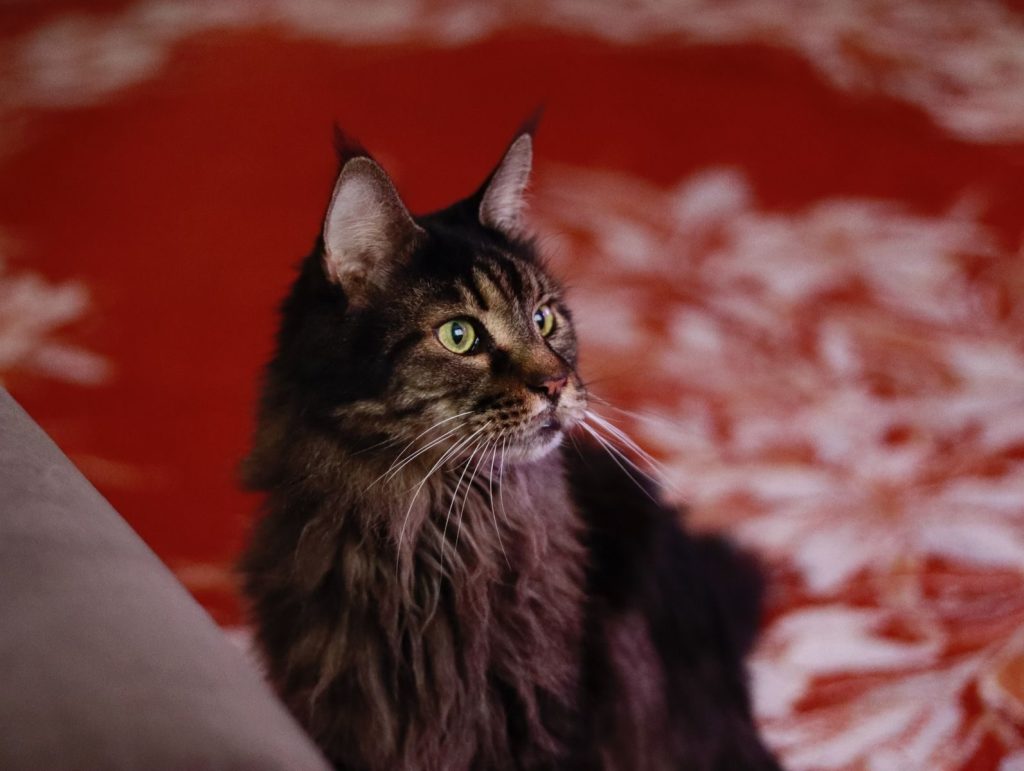
Cats do not communicate dominance through loud barking as dogs do. Instead, they use silent body language and unbroken eye contact to establish boundaries. According to the American Veterinary Medical Association, a direct stare in the animal world is a clear assertion of territory. Your giant Maine Coons are silently telling the puppy that they own the living room. But the puppy’s energetic response can break this fragile peace.
Protecting their personal space
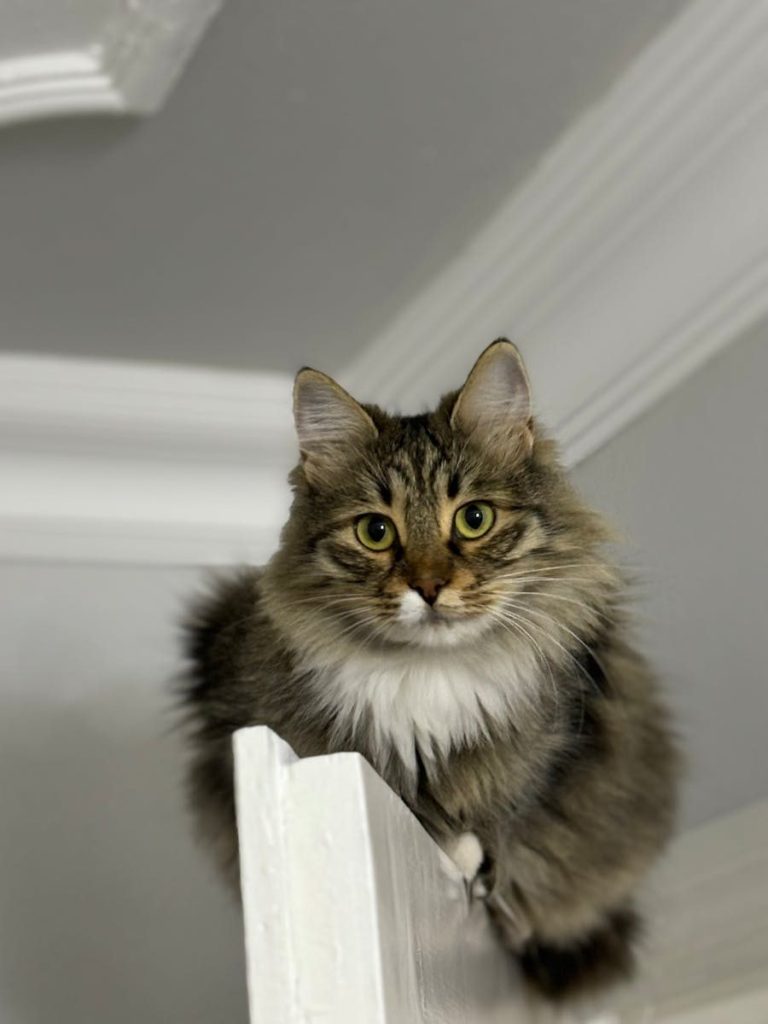
Maine Coons are gentle giants, but they value their personal space highly. When a new puppy zooms through the house, the cats use their height advantage to monitor the chaos. They sit on high shelves and watch every single step the dog takes. This constant monitoring helps them predict sudden movements and avoid accidental collisions. However, you must guide this process carefully to prevent real fights.
Rushing the first face-to-face meeting
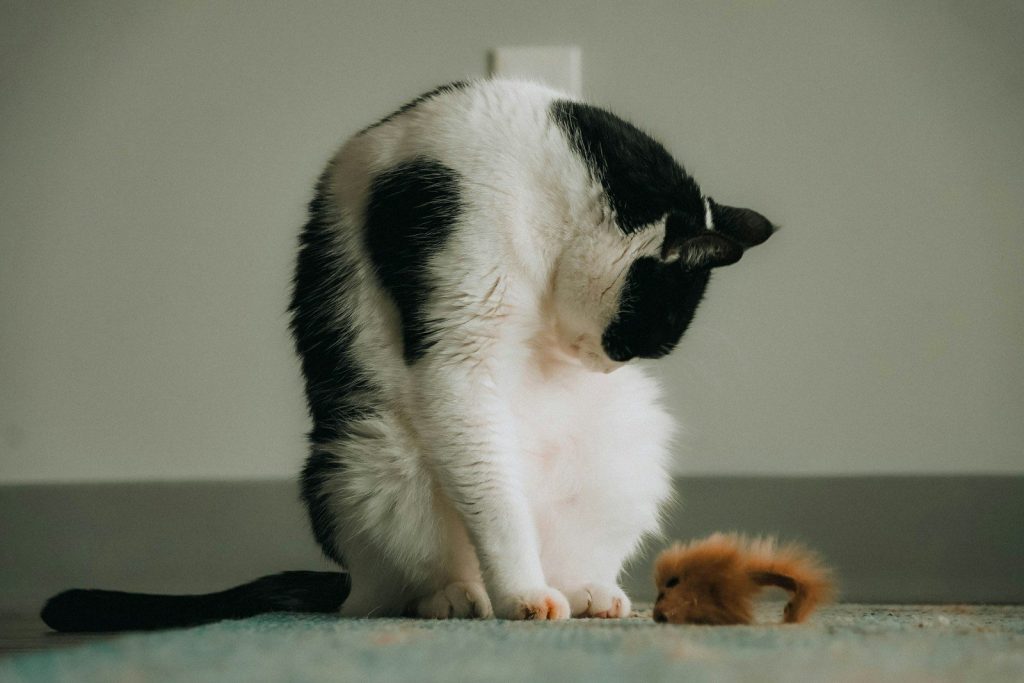
Forcing a dog and a cat to interact up close too quickly is a recipe for disaster. The ASPCA recommends keeping new pets in separate rooms for the first week to allow scent swapping. Letting them sniff each other’s toys under the door builds a safe curiosity. Rushing this delicate phase can cause lifelong fear and aggression between your animals. But scent is only the first step.
Setting up high escape zones
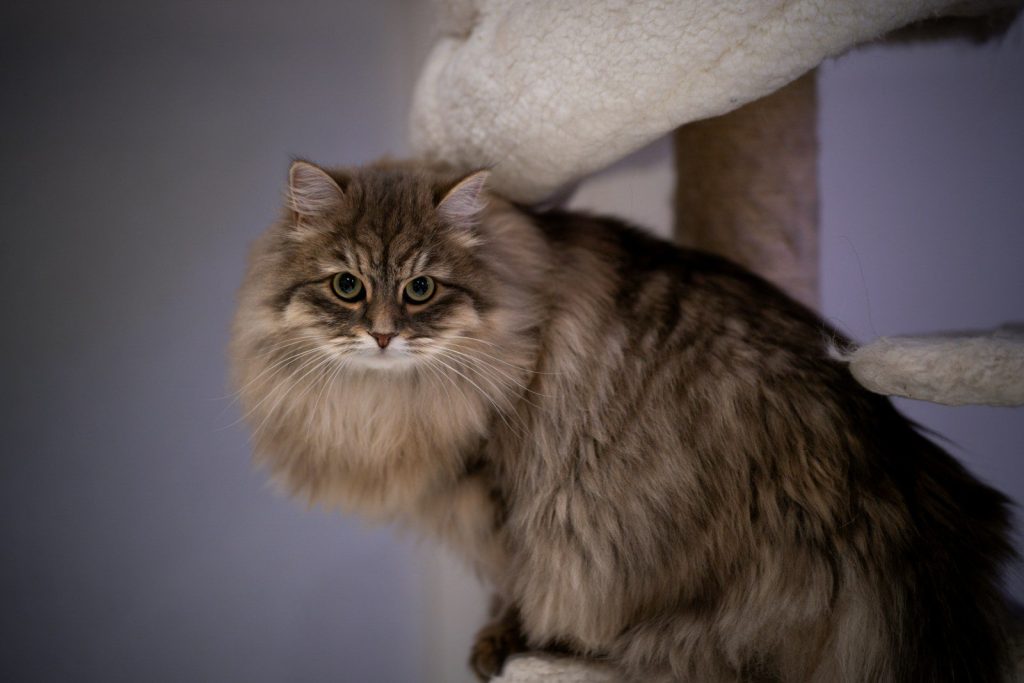
Your cats must always have a way to get away from a playful puppy. Installing tall cat trees and window perches gives your Maine Coons a safe haven. It allows them to observe the dog without feeling cornered or threatened on the floor. A secure cat is a calm cat that is much less likely to scratch. Still, you have to train the puppy, too.
Teaching the puppy focus cues
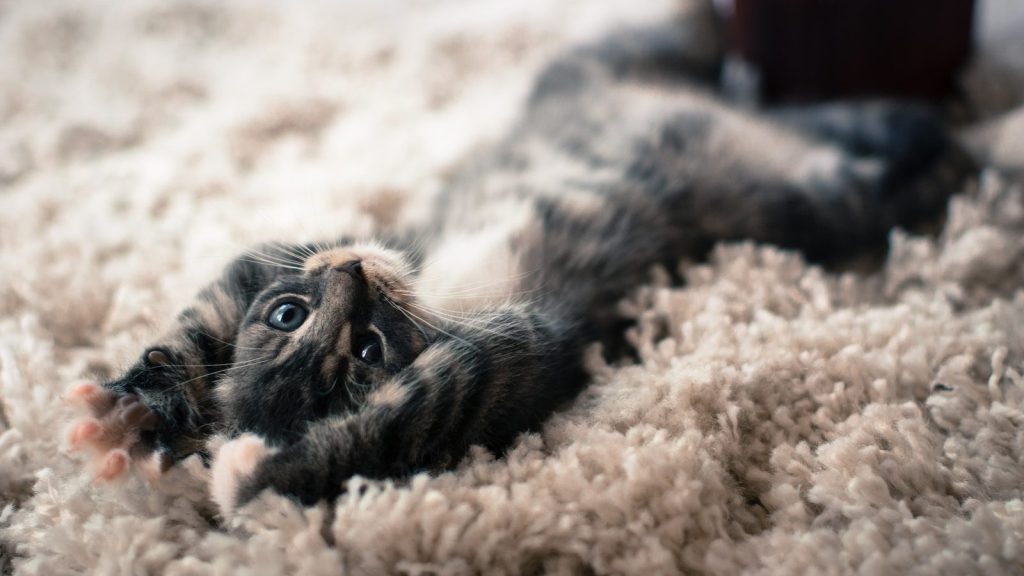
A dog that chases cats creates a highly stressful home environment. Use simple commands like leave it to train your puppy to look away from the felines. Rewarding the dog with premium treats for calm behavior teaches them that peace is highly profitable. This training prevents the chase instinct from taking over during daily play. But what should you do if the cats hiss?
Reading feline warning signs
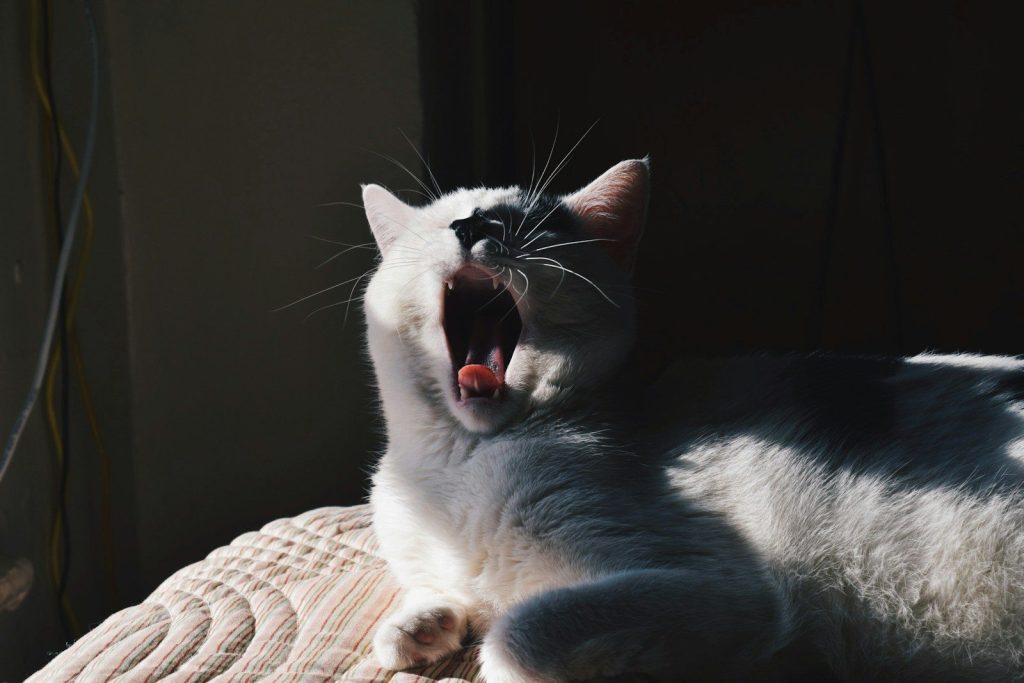
A soft hiss or a growl is your cat way of saying stay back. This article is for informational purposes only and does not constitute veterinary advice. You should respect these vocal warnings and gently move the puppy away. Letting the animals negotiate boundaries naturally is fine, but you must step in if claws fly. Protecting both pets from injury is your top priority.
Expecting a slow adjustment period
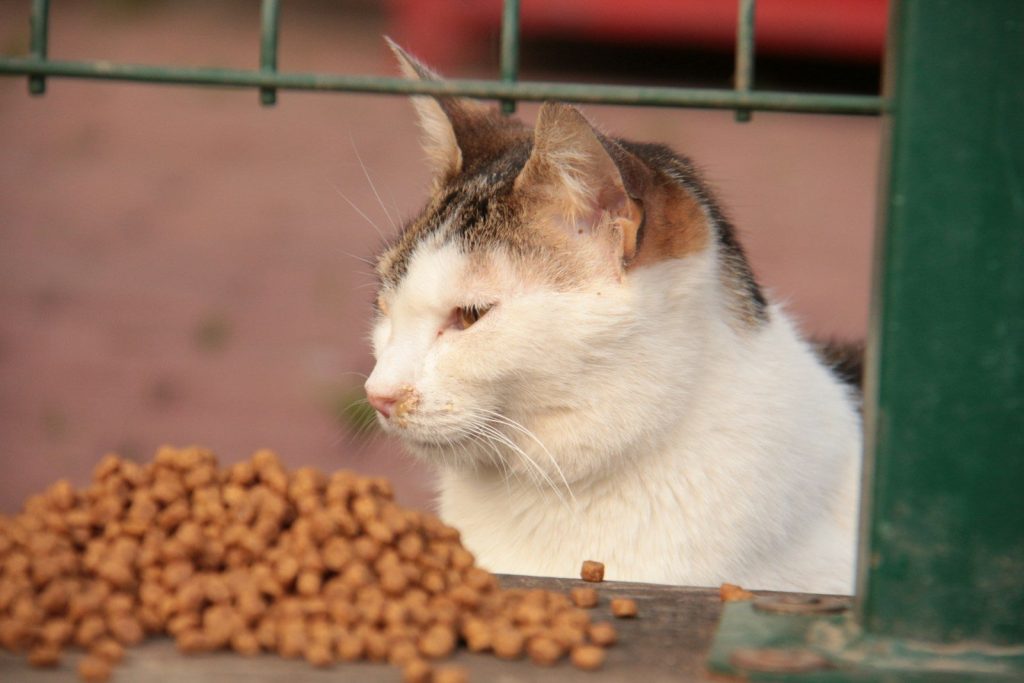
Do not expect your pets to become best friends overnight. It can take several months for giant cats and young dogs to feel completely comfortable around each other. Consistency and patience are the single most important tools in your training toolkit. Keeping daily feeding routines predictable helps reduce resource competition between them. But how do you know when they finally succeed?
Celebrating the quiet victories
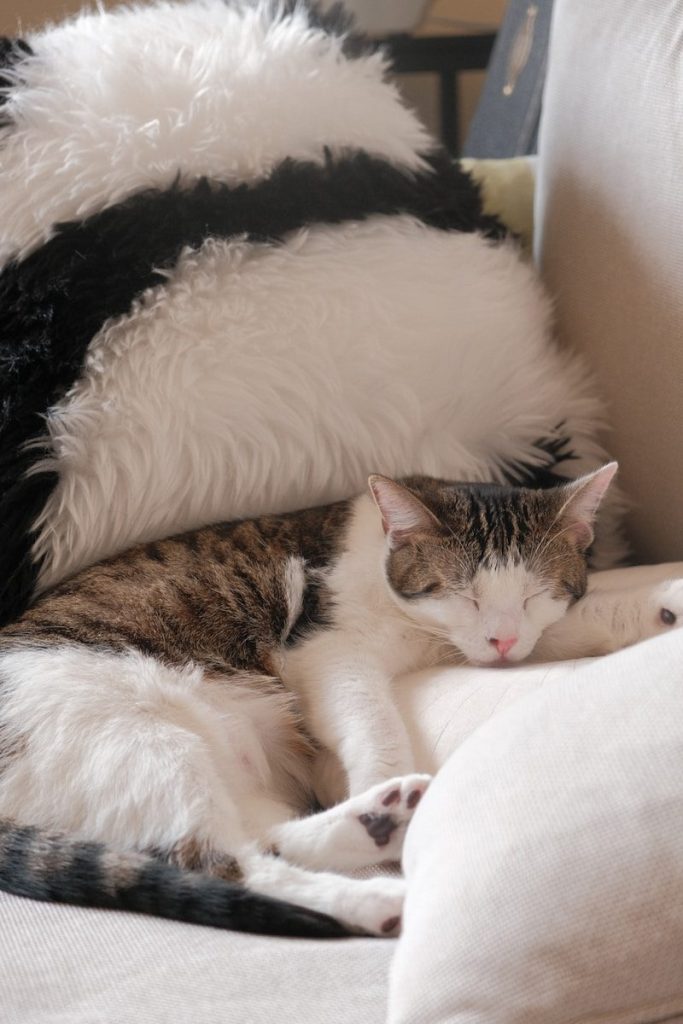
When you finally spot your puppy and Maine Coon napping on the same sofa, the hard work has officially paid off. This quiet sharing of space shows mutual trust and safety. Your careful guidance and steady training have transformed a silent standoff into a beautiful, lifelong household friendship.
Featured Image: Photo by Thomas Bormans on Unsplash