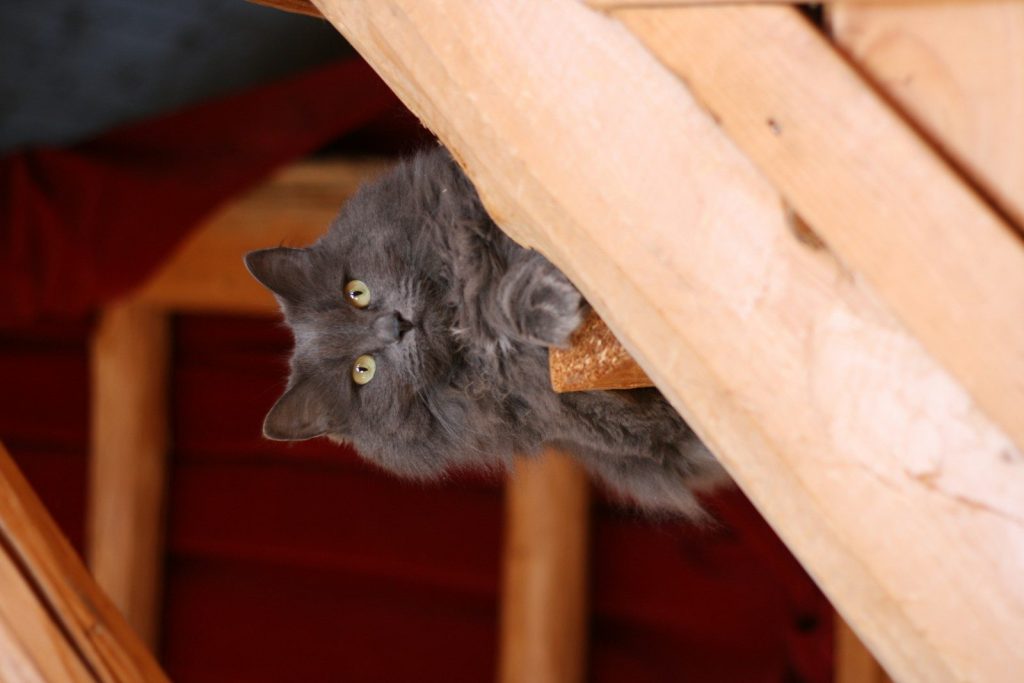

You look up at your ceiling and spot a massive fluffy cat balancing on a narrow wooden beam. It looks like a dangerous stunt.
But your giant Maine Coon looks completely relaxed in the air. Science shows this climbing habit is tied to their unique evolutionary history.
Standing tall in the modern living room
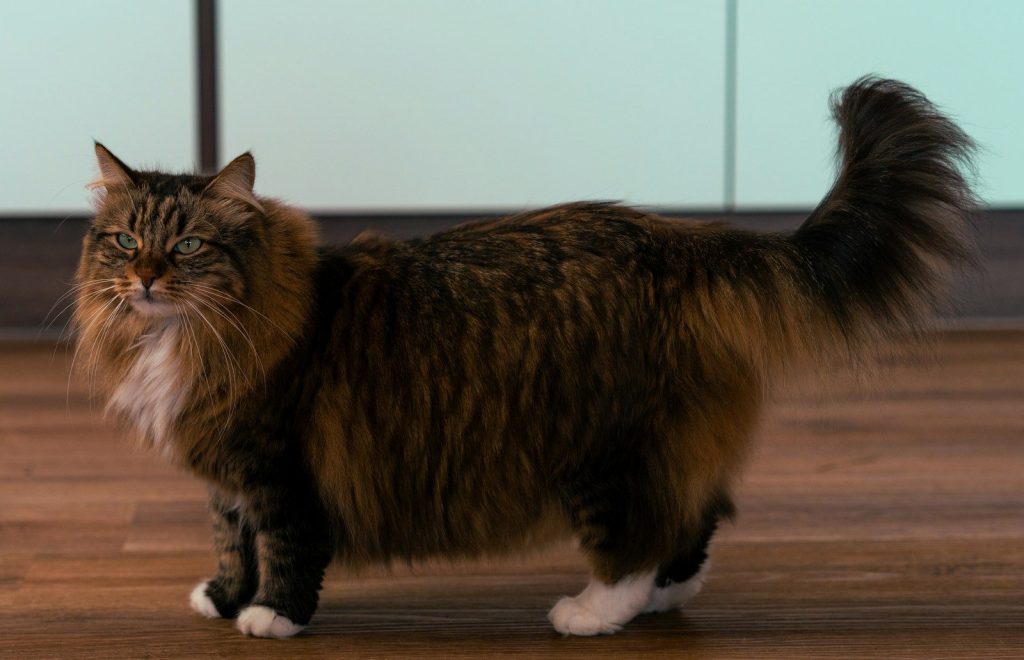
Most domestic felines love high spaces, but Maine Coons take this desire to the extreme. Their muscular bodies are built to climb the tallest structures in your home. According to the Cat Fanciers Association, these giants can reach up to forty inches in length. This massive size requires a lot of confidence to balance high up. But their climbing passion starts with an ancient drive.
Replicating the rocky hills of their homeland
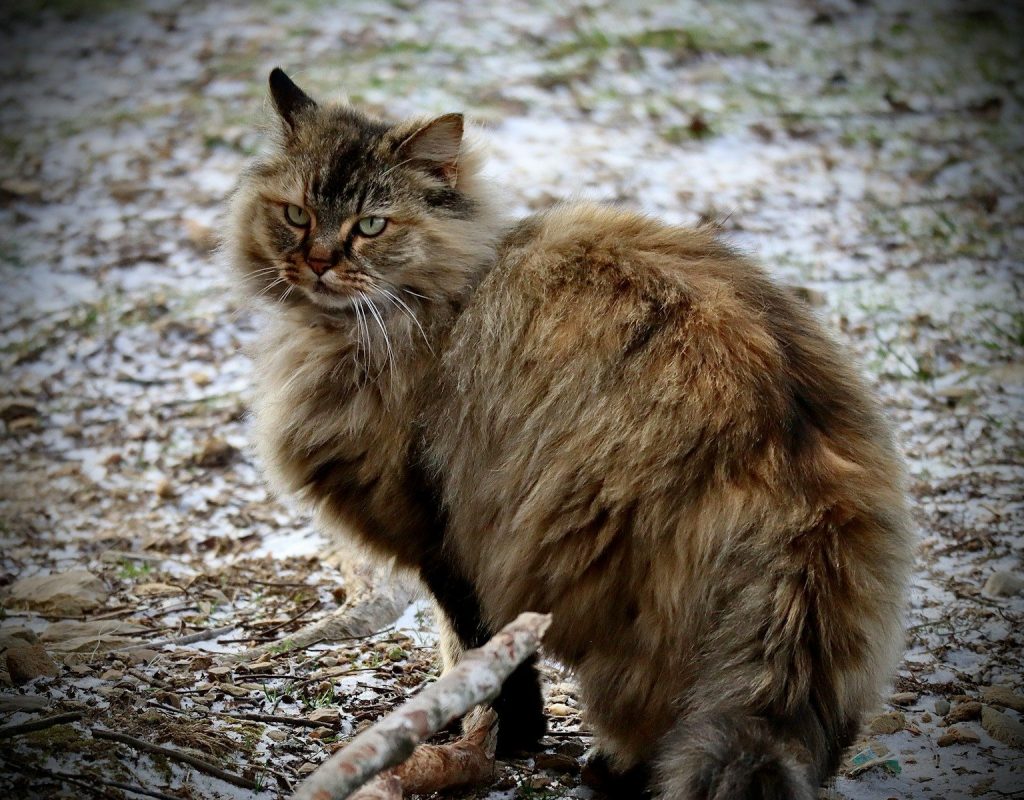
Maine Coons evolved in the rugged terrain of New England during the nineteenth century. They needed to navigate steep barn roofs and high trees to hunt for rodents in winter. This harsh environment selected for strong limbs and massive tufted paws that act like snowshoes. Your modern ceiling rafters feel just like those ancestral hunting lookouts. But safety is a major concern for heavy cats.
Balancing a heavy body on narrow beams
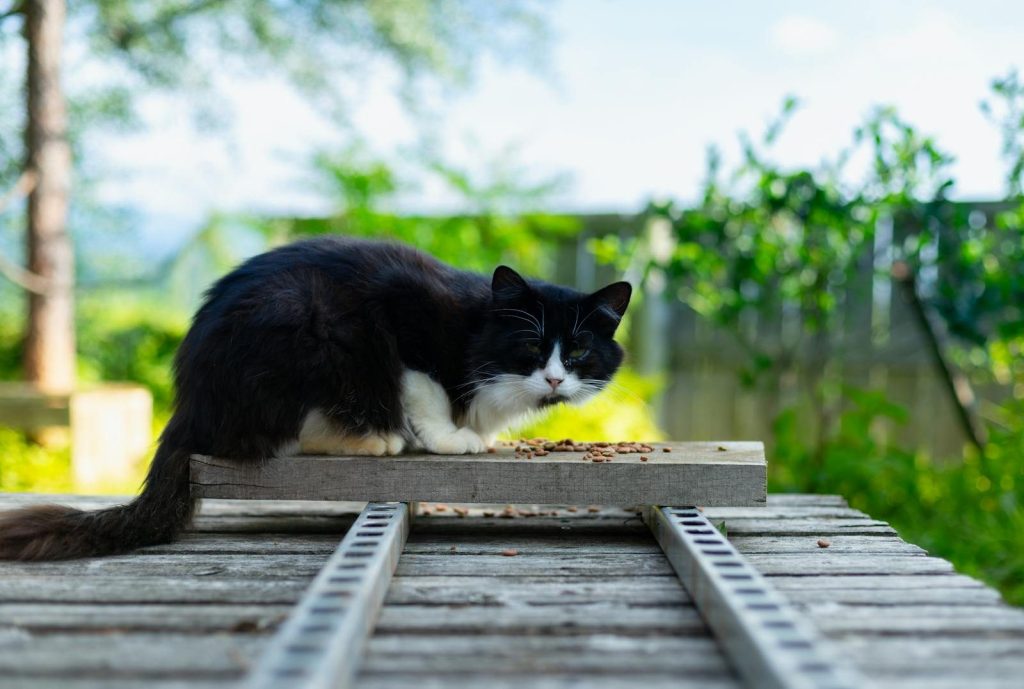
A typical house cat weighs around nine pounds, but a male Maine Coon can easily top twenty-five pounds. This extra weight puts a massive amount of physical strain on household furniture and narrow rafters. A sudden slip can lead to painful joint injuries or broken bones. Dr. Jessica Vogelsang notes that heavy breeds require exceptionally sturdy climbing trees to stay safe. Yet keeping them grounded is not the solution.
The severe mental cost of ground life
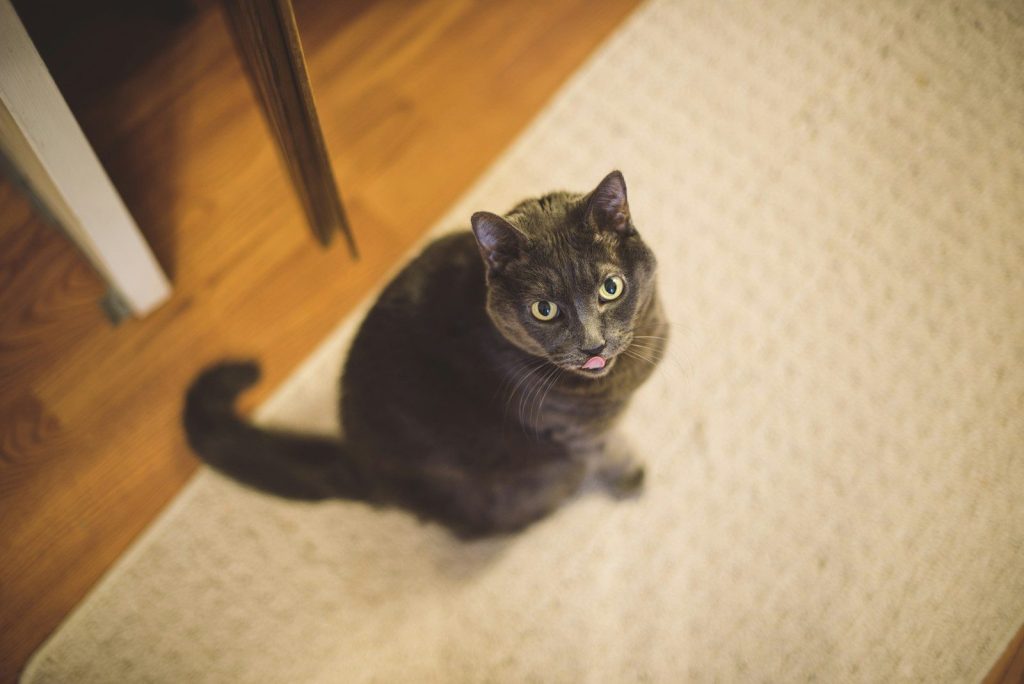
Forcing a natural climber to stay on the floor can cause severe behavioral depression. High perches give felines a powerful sense of security by letting them scan their entire territory. Without this vertical vantage point, your giant companion can become highly anxious and prone to scratching walls. You must adapt your home environment to meet their physical needs. But how do you make high spaces safe?
Setting up heavy-duty vertical platforms
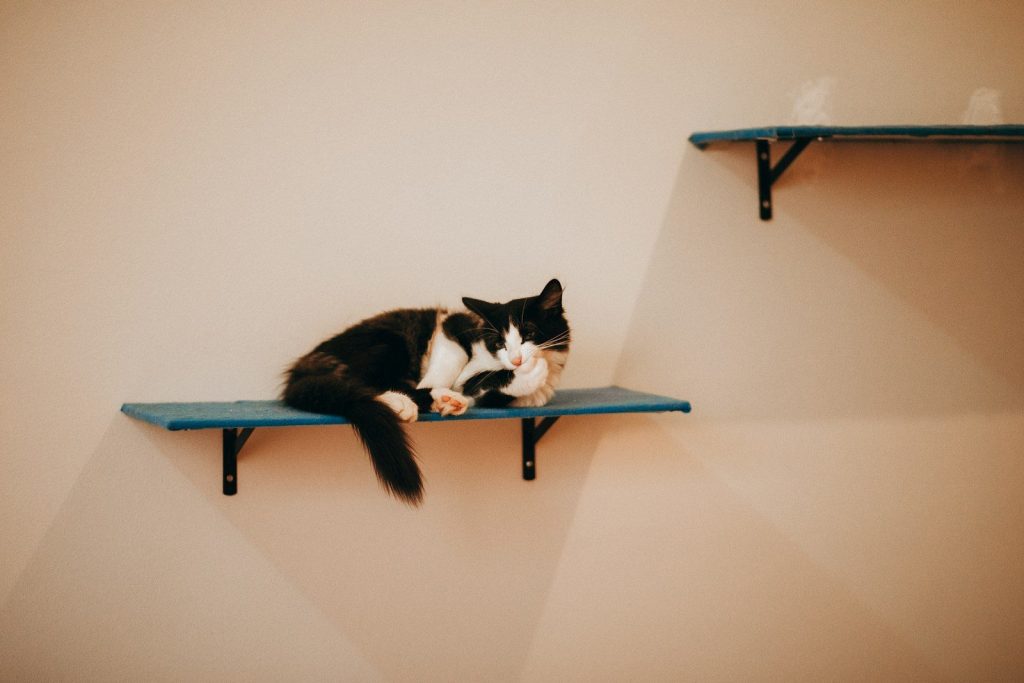
Install wide wooden shelves anchored directly into your wall studs to support their impressive weight. Avoid fragile plastic perches that can warp or crack under heavy pressure. Adding non-slip carpet to the surfaces gives their massive claws something stable to grip during high jumps. This simple upgrade transforms your room into a secure adventure park. But you also need to manage their daily access.
Blocking off dangerous high zones
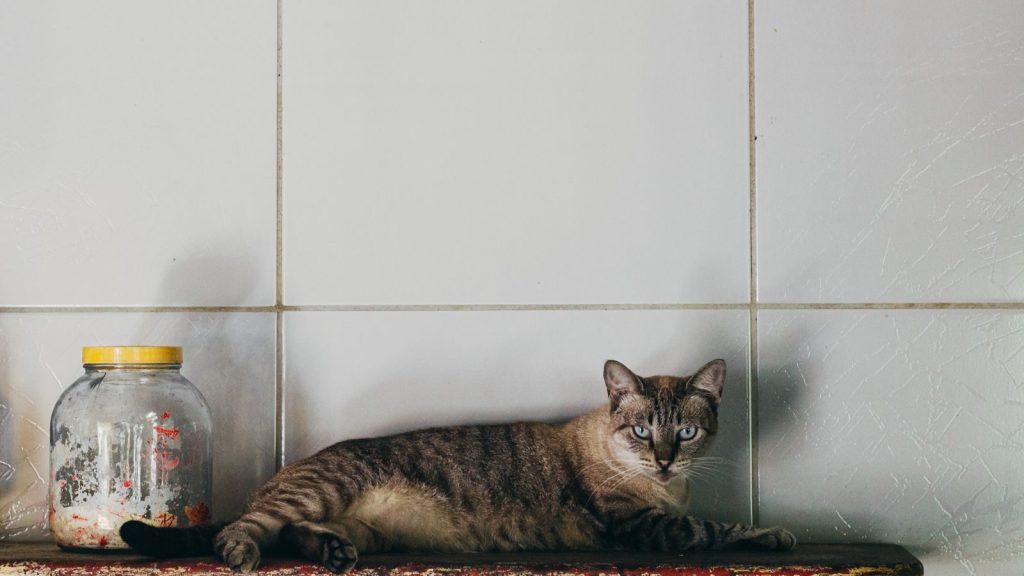
While shelves are great, some areas like open kitchen rafters are simply too dangerous. Keep these zones off limits by installing smooth plastic blocks or using gentle deterring scents like citrus near the base. The American Veterinary Medical Association emphasizes that preventing household falls is much easier than treating a senior cat with joint trauma. But how do you satisfy their natural love for heights?
Creating a perfectly balanced indoor sanctuary
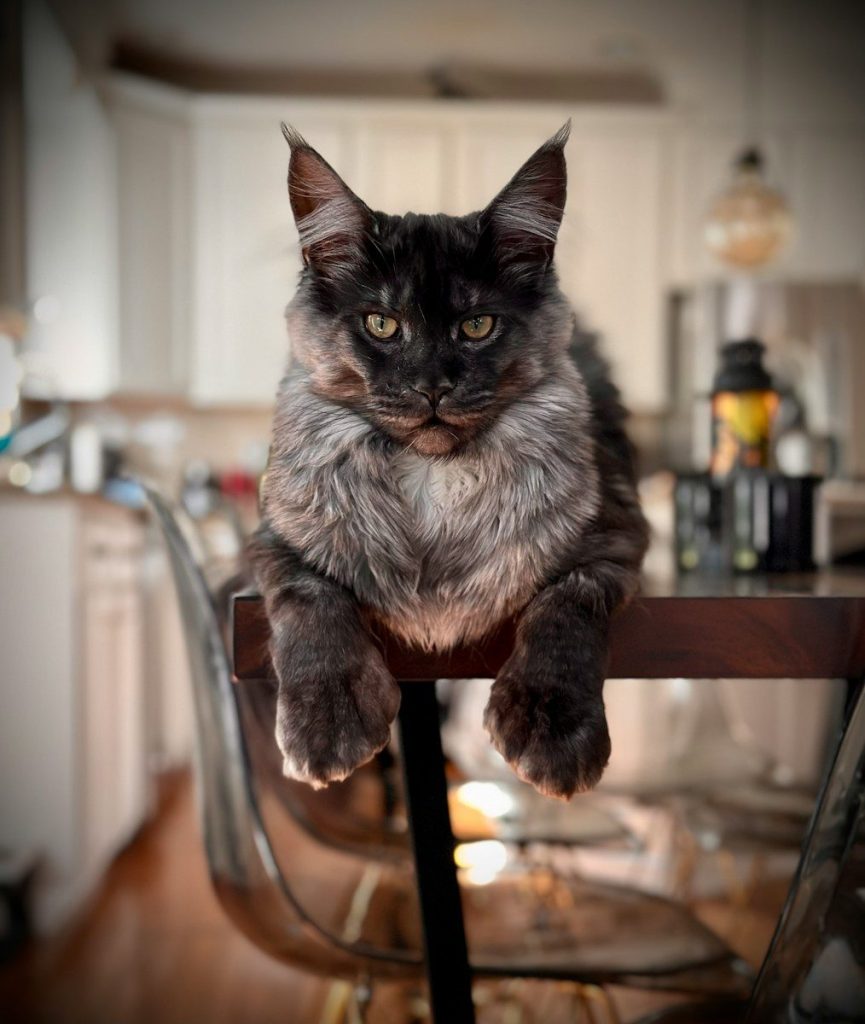
Providing designated sturdy high spots satisfies their natural instincts while keeping them out of harm’s way. Your giant friend will reward your efforts with playful antics and quiet, loving companionship from their cozy throne. This article is for informational purposes only and does not constitute veterinary advice. Your patient care transforms your home into a beautiful playground where your giant can safely rule.