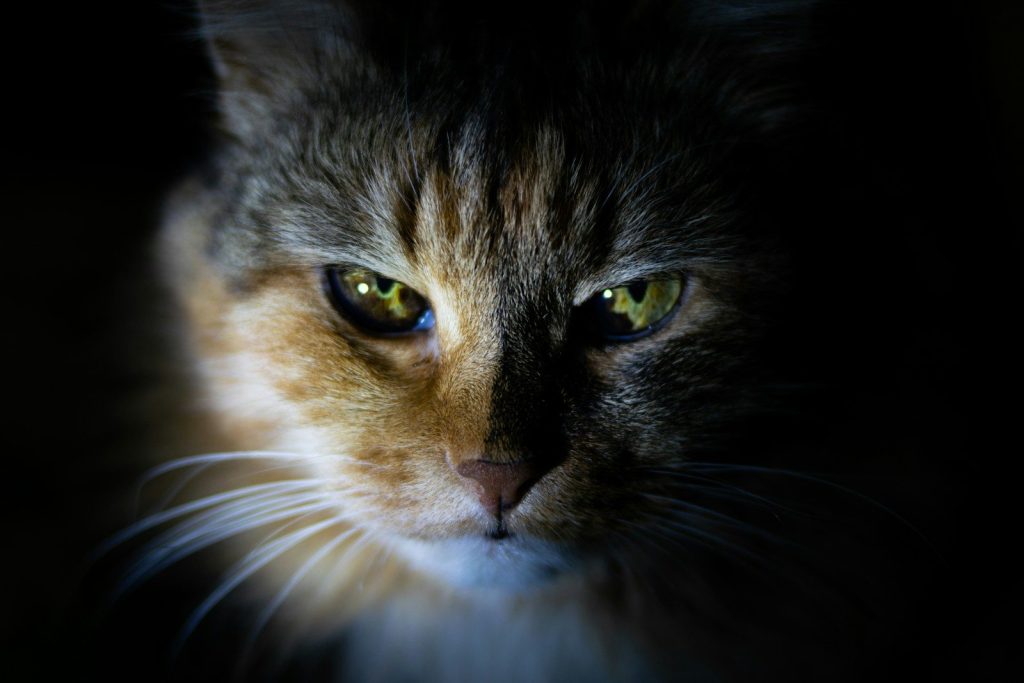

Our pets communicate their emotions and health through their beautiful, expressive eyes. We check them daily.
But finding your cat with one tiny pupil and one fully dilated pupil can be terrifying. This unusual eye feature is a critical sign that requires immediate attention.
Spotting The Sudden Change
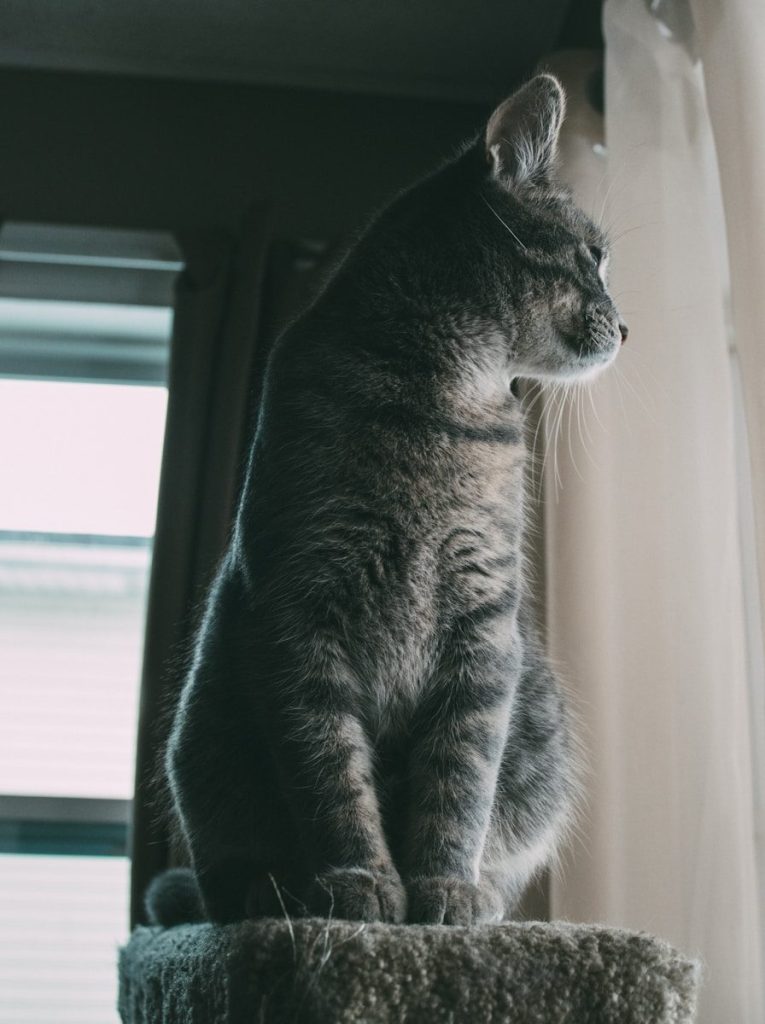
A worried pet owner noticed her tabby cat sitting in the dark with uneven pupils. She immediately panicked. This medical condition, where pupils are of different sizes, is known as anisocoria. It is not a disease itself, but rather a symptom of an underlying issue. Understanding this visual clue can help you act quickly to save your pet’s sight.
What Causes Uneven Pupils
Anisocoria can stem from several different health issues in the brain or the eye itself. According to the Cornell Feline Health Center, common causes include corneal injuries, glaucoma, or retinal disease. It can also indicate a serious nervous system disorder or head trauma from an outdoor fall. This wide range of potential issues makes a professional medical evaluation vital.
Checking For Corneal Scratches
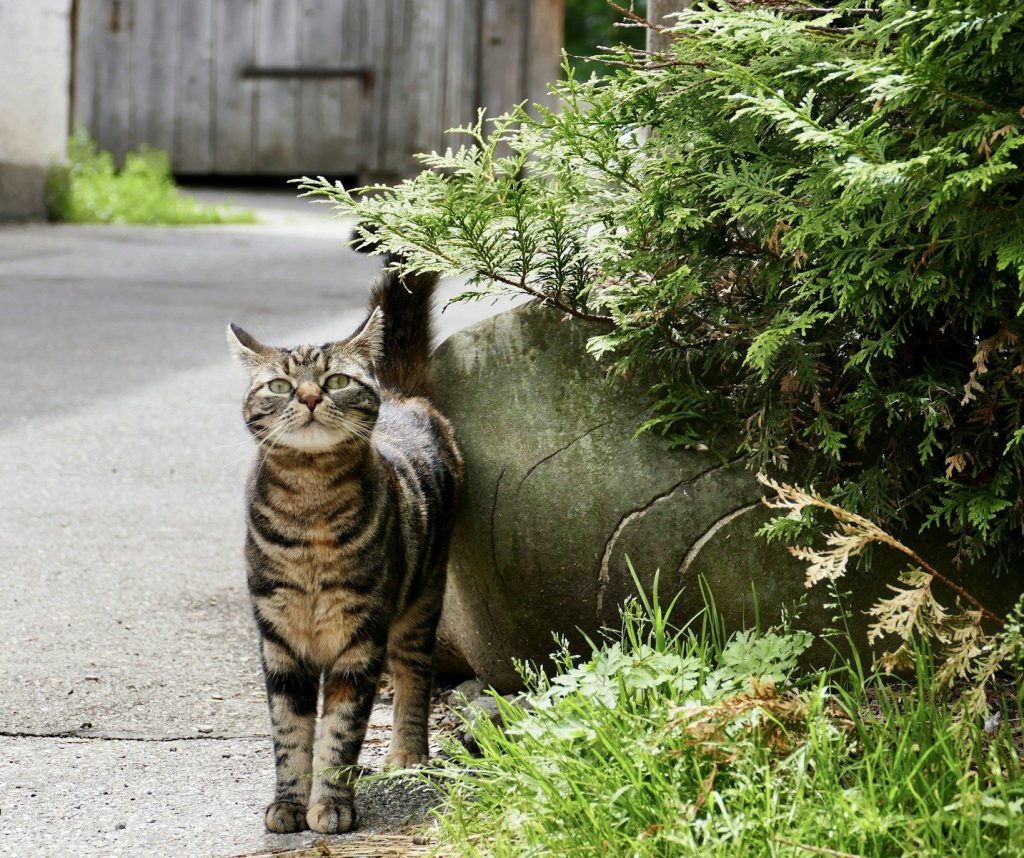
Active cats often scratch their eyes while playing or running through thick backyard bushes. These minor injuries can cause the pupil to constrict. Your pet might also squint, blink constantly, or have a watery discharge. But some conditions are much more urgent and require immediate pressure tests to prevent permanent damage.
The Threat of Glaucoma
Glaucoma is a serious condition that occurs when fluid pressure increases inside the eyeball. It is painful. If left untreated, this high pressure can quickly damage the optic nerve and cause permanent blindness. Other times, the issue lies in the complex nerves connected directly to the brain.
Nerve Damage And Horner Syndrome
Nerve damage can affect the tiny muscles that control how the pupil opens and closes. This issue often presents as Horner syndrome, a neurological disorder. According to the American Veterinary Medical Association, this syndrome can occur after ear infections or neck injuries. It typically resolves on its own, but diagnosing the root cause is critical.
When To Seek Immediate Help
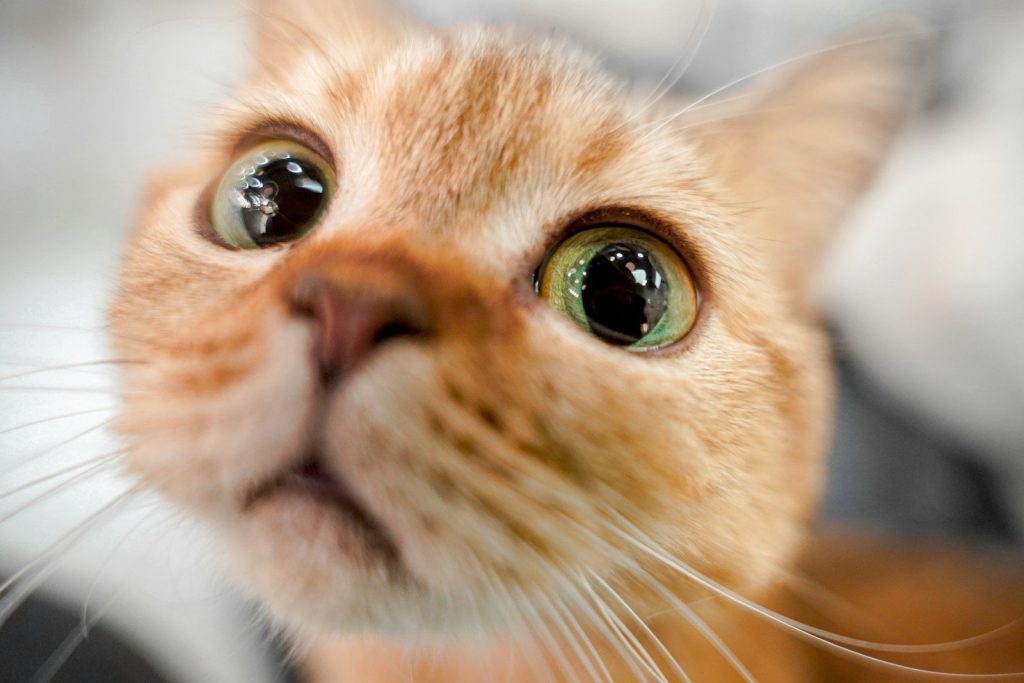
If your pet’s uneven pupils accompany lethargy, confusion, or a loss of balance, act immediately. This combination of symptoms points to a severe neurological crisis. Call your nearest emergency veterinary hospital right away. Do not wait to see if the pupils return to normal on their own.
Protecting Their Beautiful Eyes
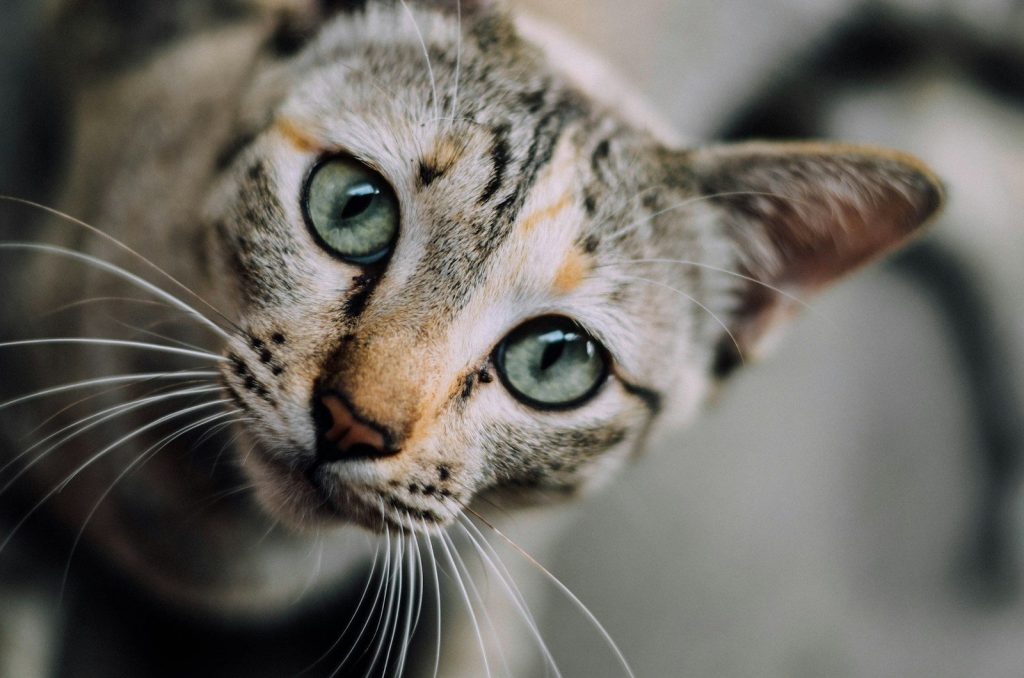
Keep your pet’s living space free from sharp objects to prevent accidental eye injuries. Regular veterinary exams are the best way to monitor their ocular health. This article is for informational purposes only and does not constitute veterinary advice. Your careful attention ensures your beloved companion enjoys a lifetime of bright, healthy vision.
Featured Image: Photo by Tatyana Eremina on Unsplash