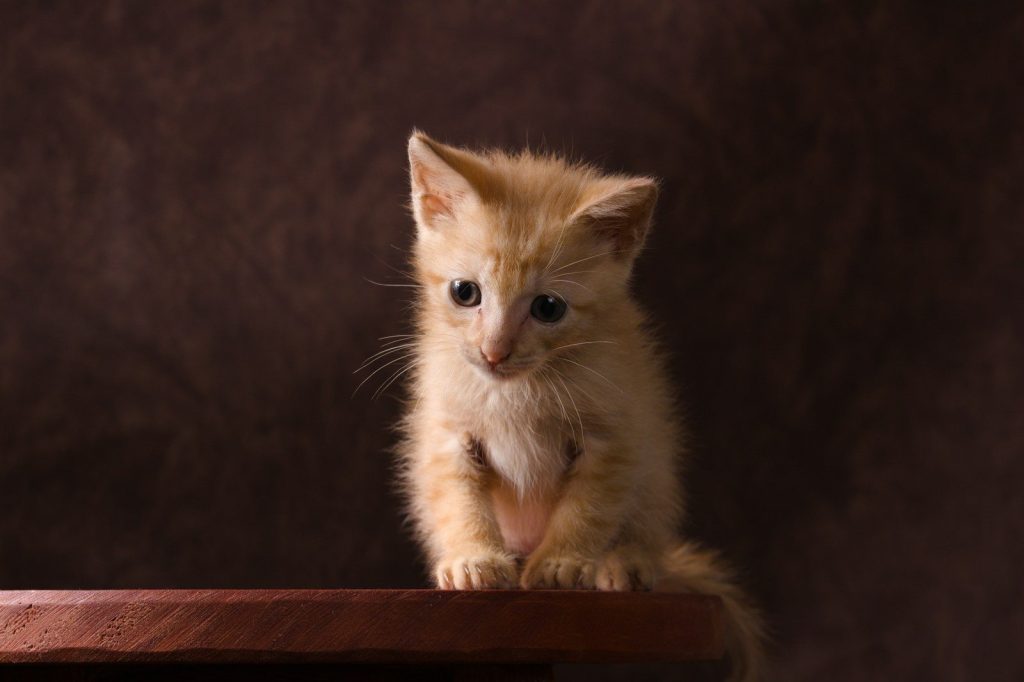

Your tiny kitten stands on their hind legs and begs for a bite of your dinner. Those wide eyes and high trills are almost impossible to ignore.
Feline biological design drives this intense craving for fresh meat. Understanding their unique nutritional requirements will help you feed them safely and prevent serious health issues as they grow.
The biological truth about obligate carnivores
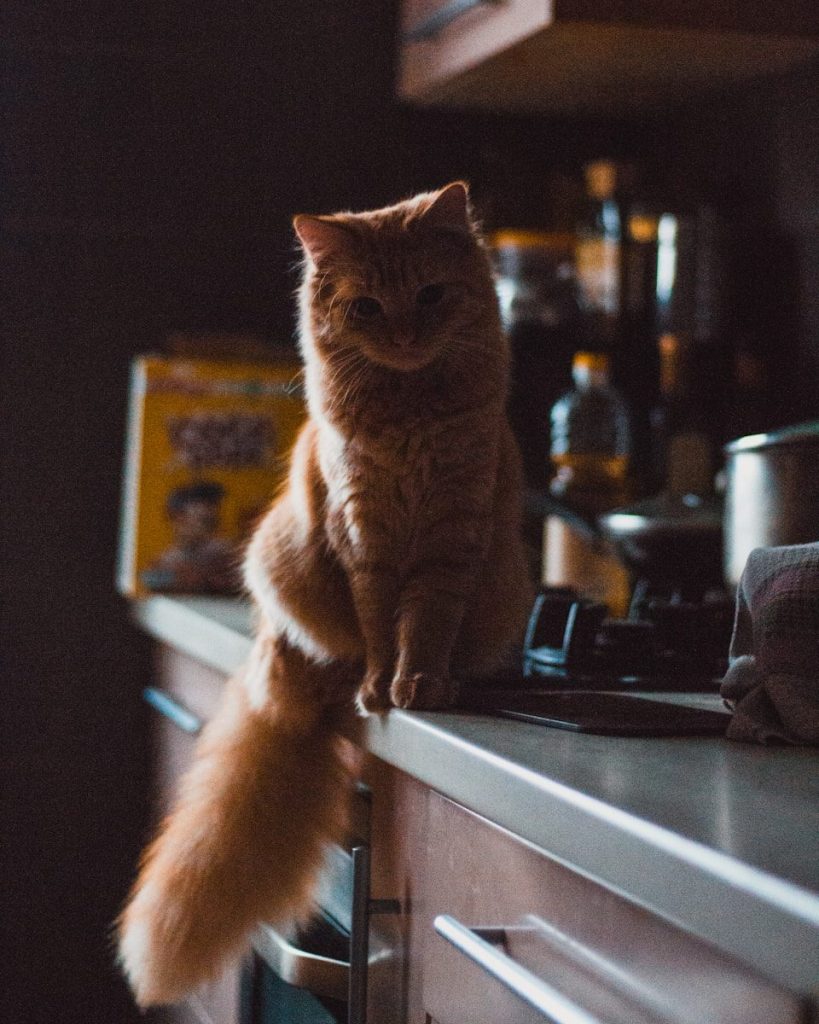
Cats are strict obligate carnivores, which means their bodies require animal tissue to survive. Unlike dogs or humans, they cannot process plant proteins or grains efficiently. According to the ASPCA, felines must get essential nutrients like taurine directly from animal meat. This biological need explains why your kitten goes wild for your chicken dinner. But feeding them raw scraps carries hidden medical dangers.
The hidden risks of raw meat diets
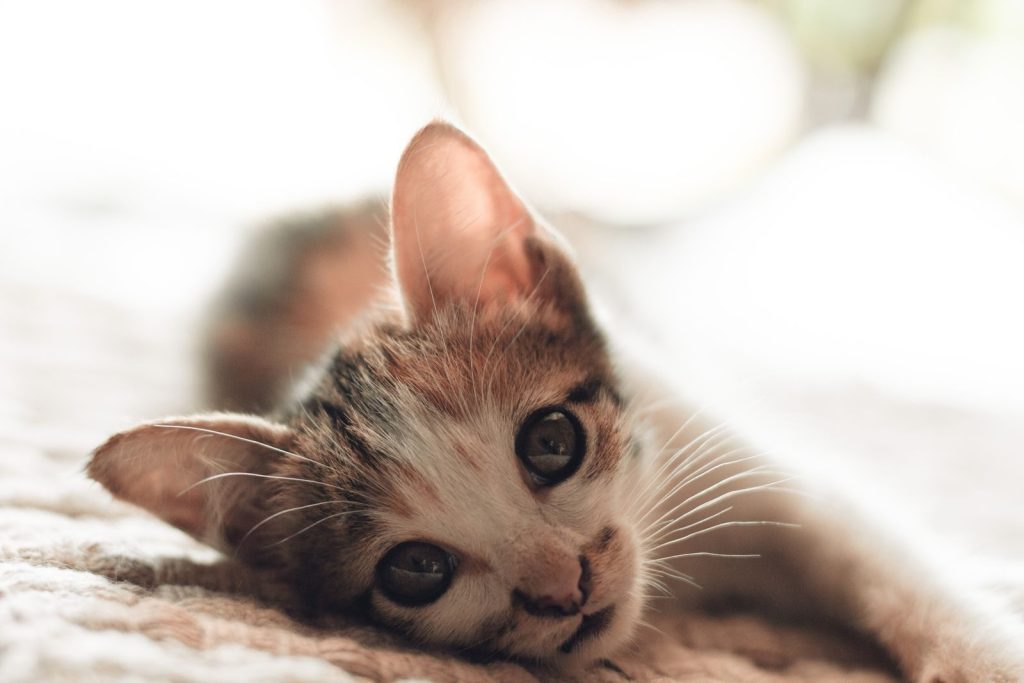
Feeding raw meat to a developing kitten can expose them to harmful pathogens like Salmonella. Their young immune systems are not strong enough to fight off severe bacterial infections. Dr. Richard Hill, speaking to the AVMA, warns that raw diets often lack crucial calcium balances. This nutritional deficiency can lead to weak bones and permanent joint deformities. Fortunately, you can satisfy their meat cravings safely.
Choosing safe and healthy meat treats
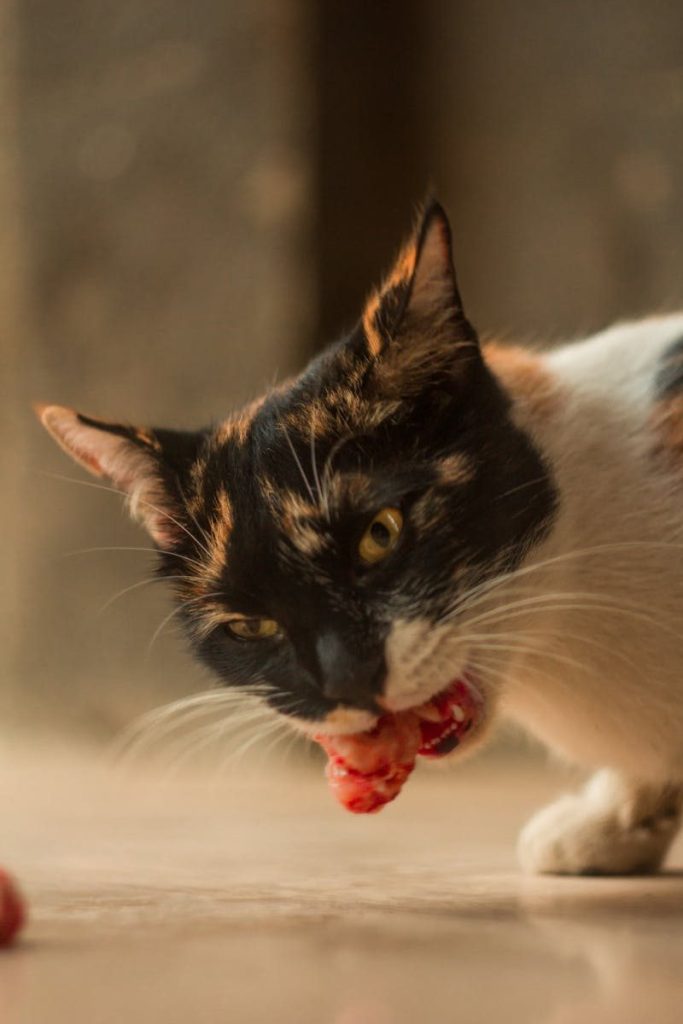
You can offer plain cooked chicken or turkey as a high-value treat. Make sure the meat is fully boiled without any butter, salt, or seasonings. These common human spices can cause severe digestive upset in small kittens. Keep these extra meat treats below ten percent of their daily calorie intake. But some common kitchen ingredients are highly toxic to felines.
Avoiding dangerous onions and garlic
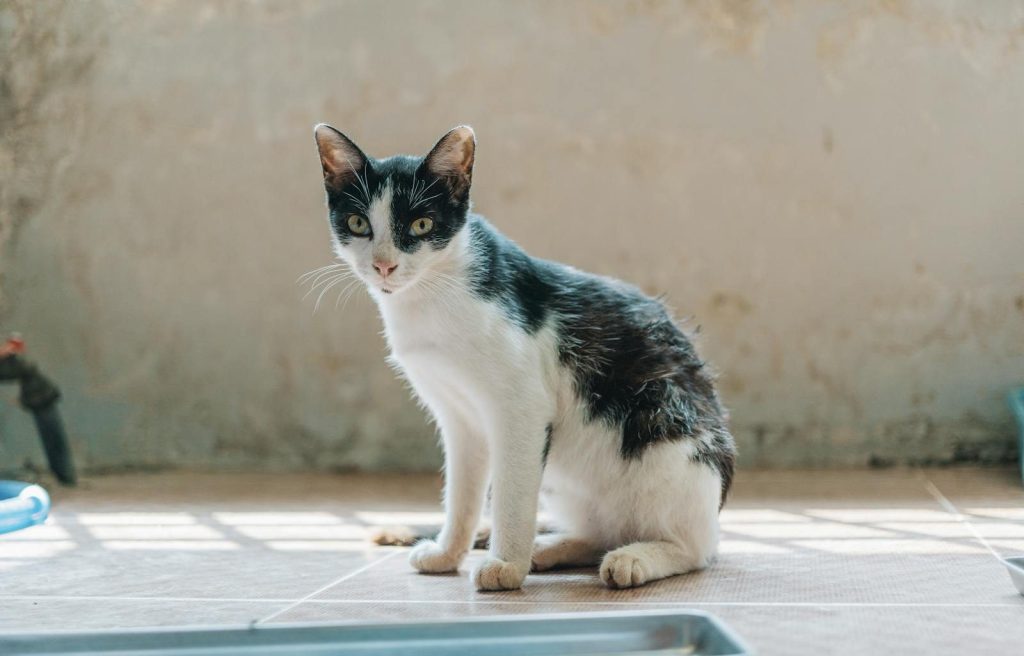
Onions and garlic can cause life-threatening damage to a cat’s red blood cells. Even tiny amounts found in seasoned meat gravies can trigger severe anemia over time. Feline toxicology experts at the Cornell Feline Health Center urge owners to read meat labels carefully. Keeping your kitchen counters clear of seasoned food scraps prevents accidental poisoning. Yet begging behavior can also become a bad habit.
How to train away the begging behavior
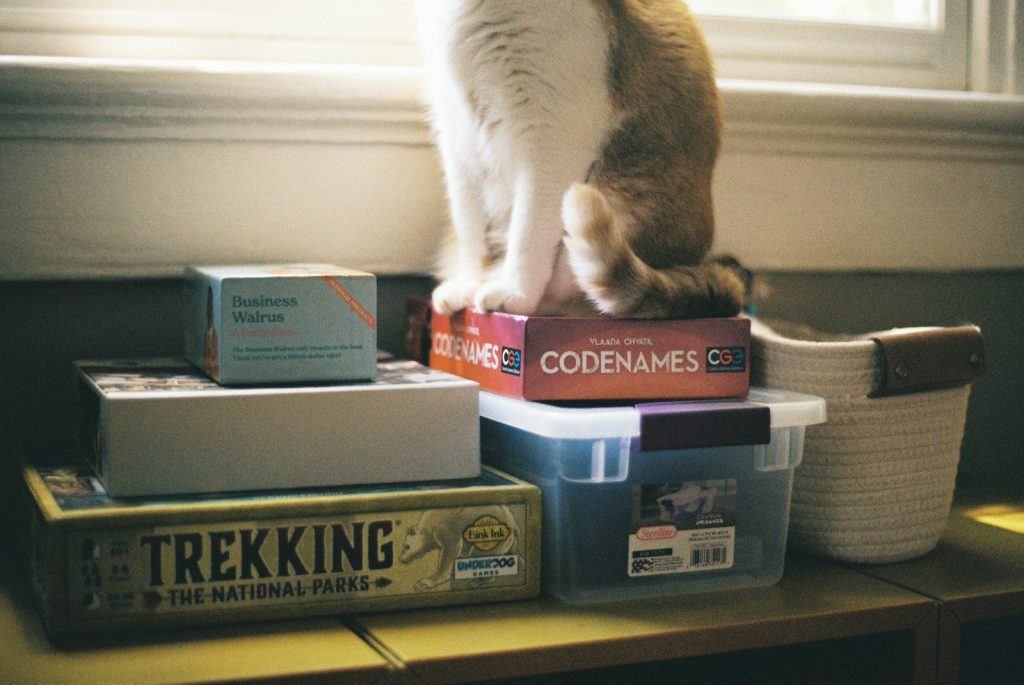
If you feed your pet from your dinner plate, they will quickly learn to demand food. You can curb this annoying habit by ignoring them completely during your meals. Place them in a quiet, separate room with a fun puzzle feeder to keep them busy. This redirects their intense focus to their own healthy kibble. But selecting the right commercial kitten food is key.
Why specialized kitten kibble is necessary
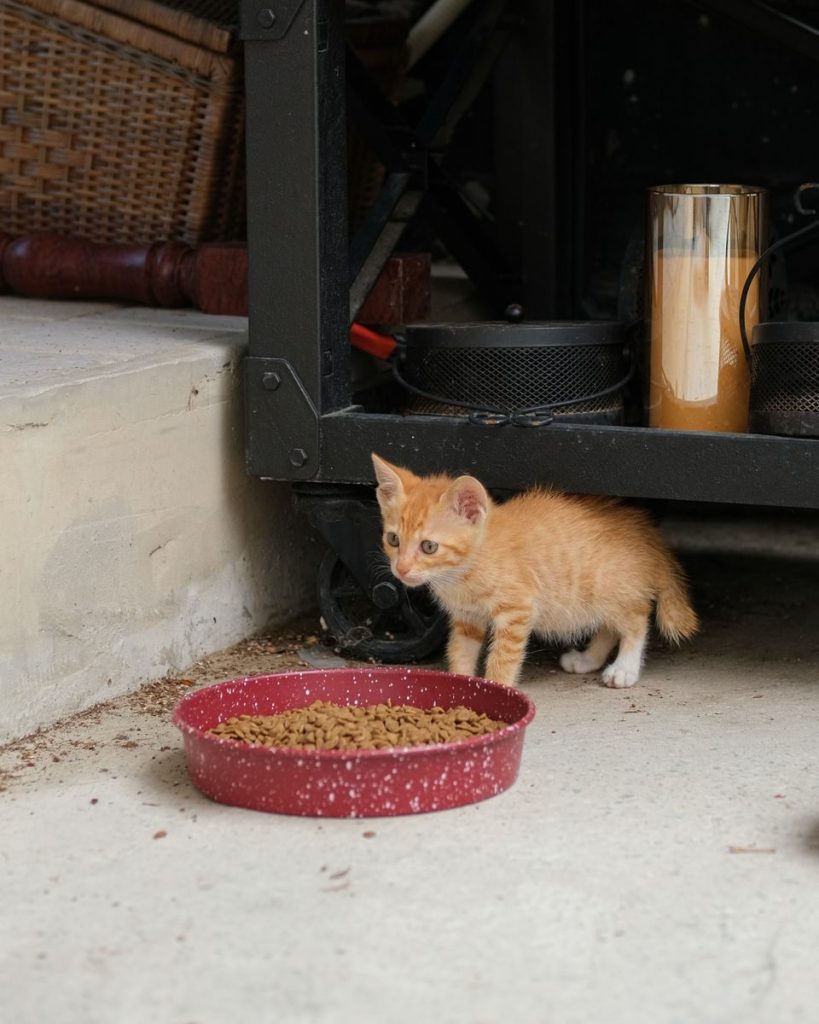
Growing kittens need up to three times more calories and proteins than adult cats. High-quality commercial formulas are carefully balanced to support their rapidly developing brains and muscles. The American Veterinary Medical Association recommends looking for animal protein as the very first ingredient on the label. This ensures your pet gets the biological fuel they need to thrive. Still, you must monitor their daily water intake.
Keeping your hydrated pet healthy
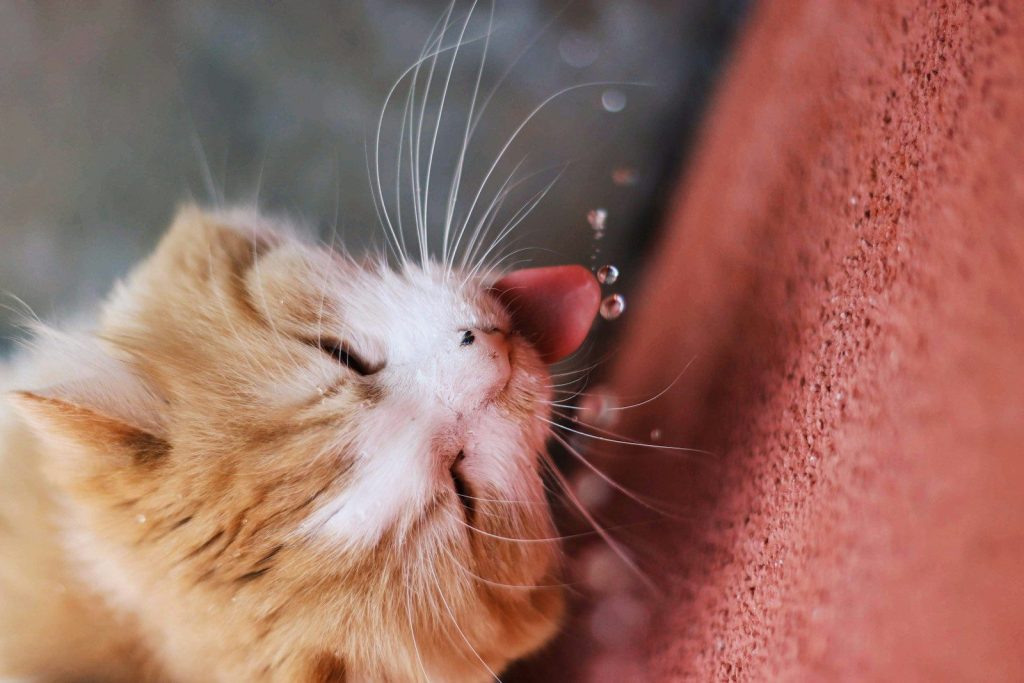
Wild cats get most of their hydration directly from the fresh prey they catch. Indoor felines eating dry kibble often do not drink enough water, which can lead to kidney issues. Offering high-quality wet canned food is a great way to boost their moisture levels. It mimics their natural moisture intake while providing the meat taste they love. But how do you start a new diet plan?
Consulting your vet for healthy growth
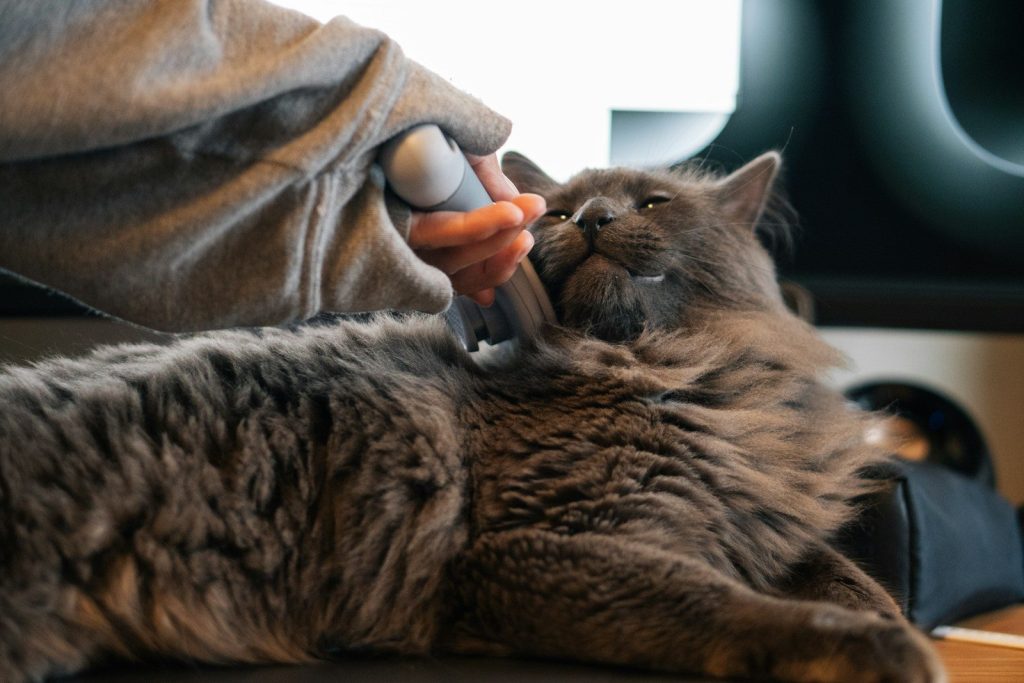
Every young pet has unique nutritional needs based on their health status and breed. Scheduling regular checkups with your veterinarian ensures they stay on a healthy developmental track. This article is for informational purposes only and does not constitute veterinary advice. Your smart dietary choices will help your little house tiger grow strong and live a happy life.
Featured Image: Photo by GLADYSTONE FONSECA on Unsplash