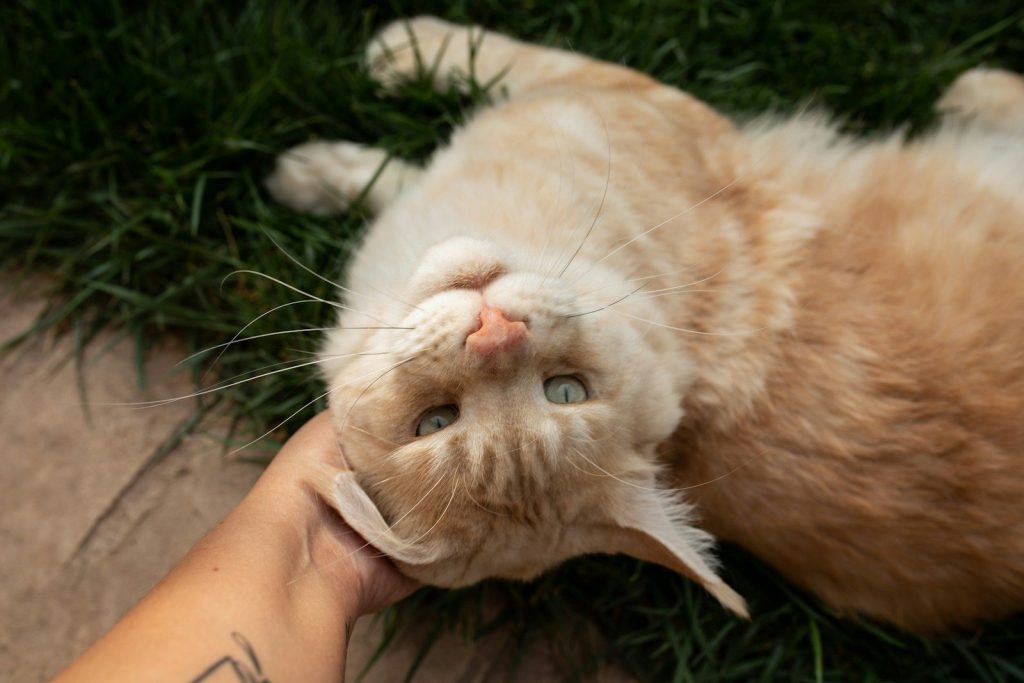

You are sitting quietly, gently petting your cat, and they are purring happily. Then, without any warning, they turn and bite your hand.
This sudden shift can feel like a deep betrayal of trust. But animal behaviorists reveal that your pet is actually sending clear physical warnings first.
The hidden science of petting-induced aggression
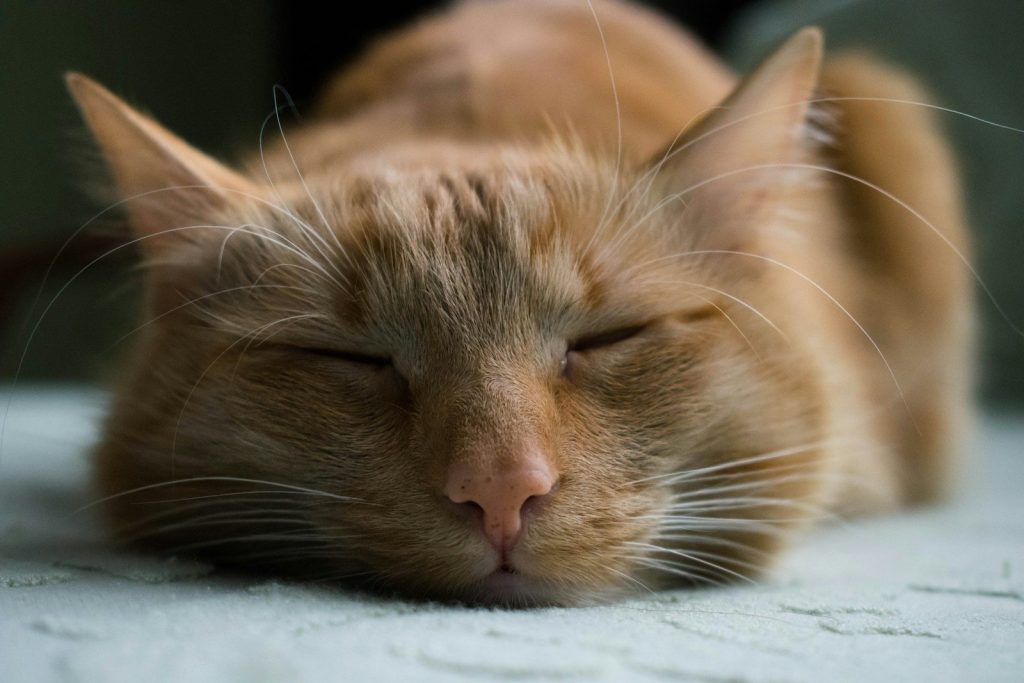
This sudden biting is a common feline behavior known as petting-induced aggression. It occurs when repetitive stroking goes from feeling pleasant to feeling physically overwhelming. The American Veterinary Medical Association notes that cats have highly sensitive nerve endings across their bodies. When these nerves get overstimulated, the animal enters a defensive fight or flight state. But they always try to warn you before they bite.
Reading the subtle twitch of the tail
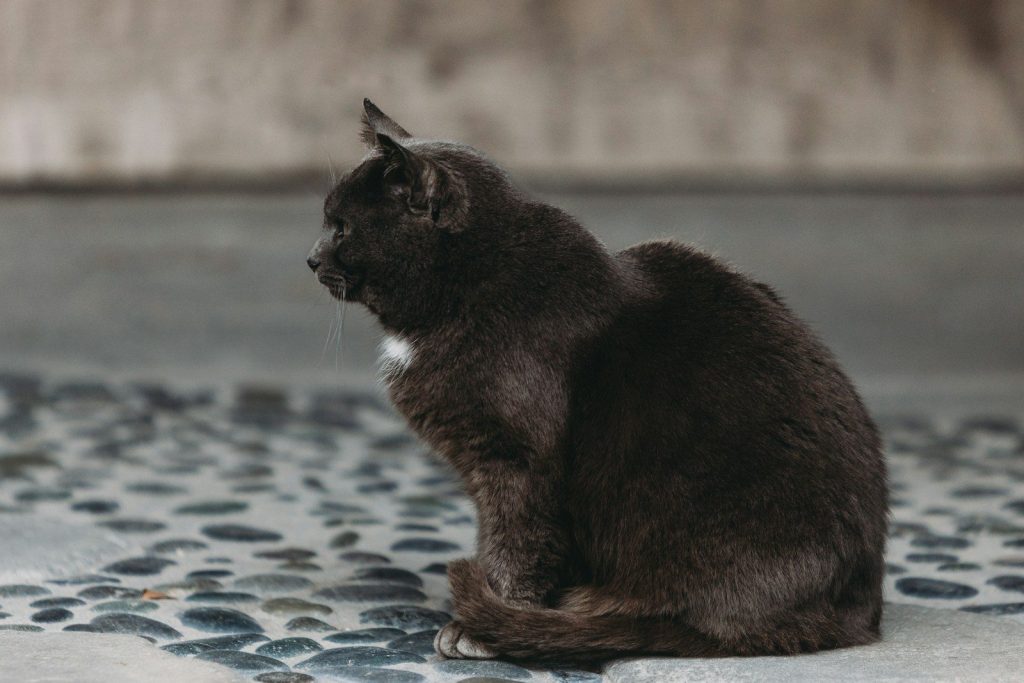
A happy cat keeps their tail relaxed or gently curved. When they start to feel overstimulated, the very tip of the tail will begin to twitch or thump heavily. This physical movement is a clear warning sign that their tolerance limit is dropping quickly. Ignoring this silent signal is the most common mistake pet owners make daily. But their ears also send a very clear message.
Watching for the classic airplane ear shift

As tension builds, a cat will rotate their ears slightly backward or flatten them against their head. This posture is often called airplane ears in the pet community. It indicates that your companion is feeling irritated and needs immediate personal space. Paying close attention to this shift can prevent a bite entirely. Yet there is another quiet signal hiding in their skin.
The sudden skin rippling along the spine
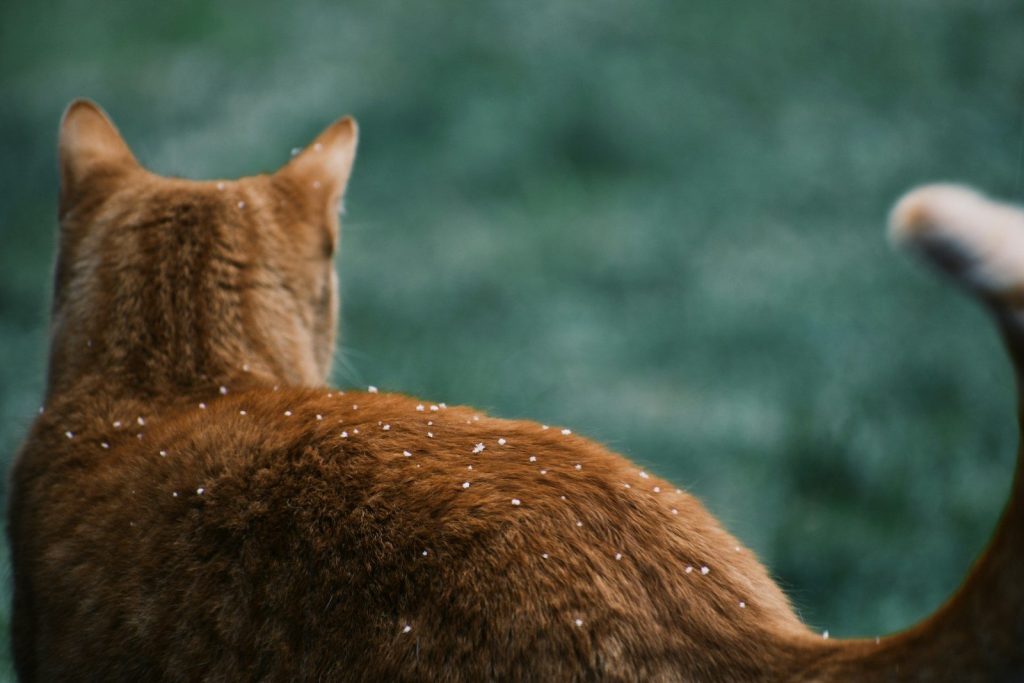
Watch the fur on their back carefully while you stroke them. If the skin begins to ripple or twitch, the sensory input has become too intense. This article is for informational purposes only and does not constitute veterinary advice. Always stop petting immediately when you notice this physical reaction. Giving them a brief break allows their nervous system to calm down. But where you pet them matters immensely.
Why the tail base is a danger zone
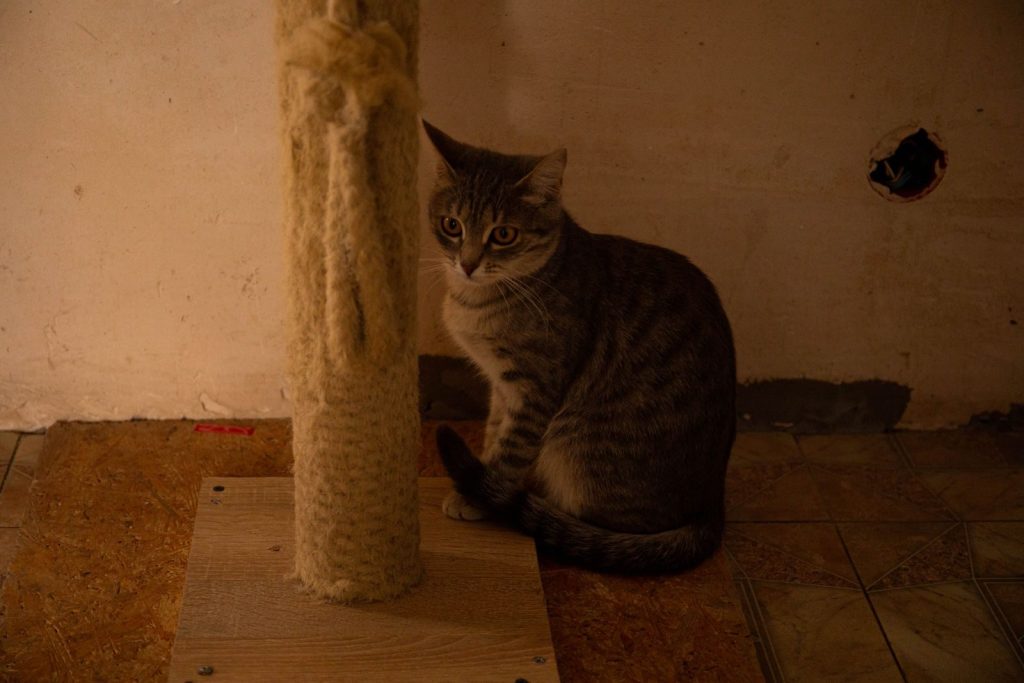
Many owners focus their petting on the lower back near the base of the tail. This area is packed with highly sensitive nerve endings that can quickly trigger overstimulation. While some cats enjoy gentle scratches there, others find the sensation overwhelming almost instantly. It is much safer to focus your affection on areas they prefer. Fortunately, felines have very clear favorite spots for scratches.
Sticking to the safe scent gland zones
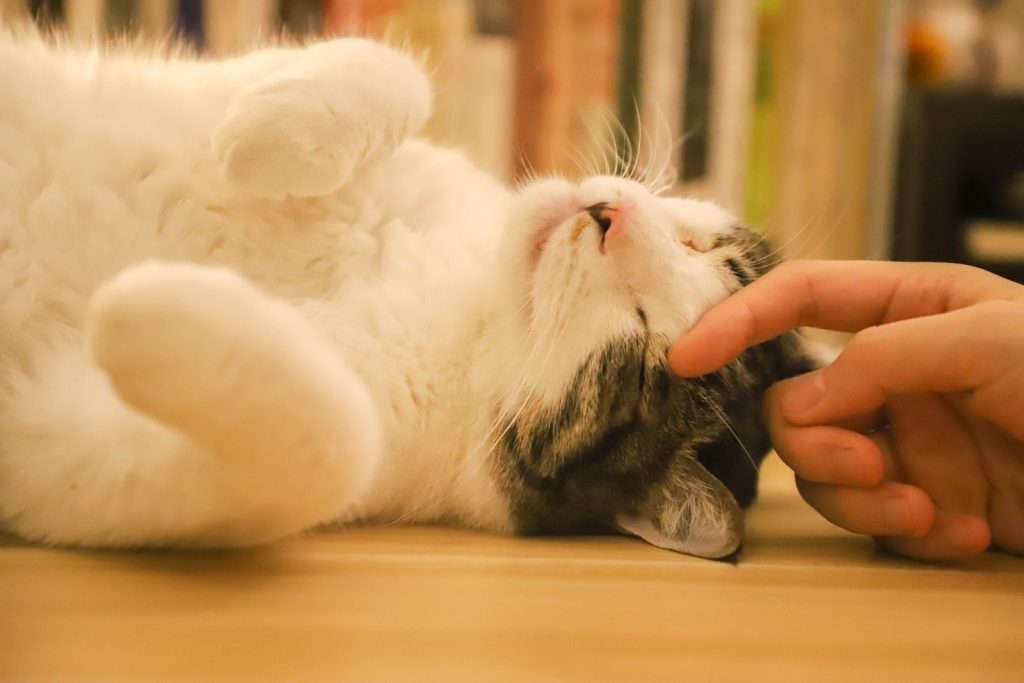
Focus your attention on their cheeks, chin, and the space between their ears. These areas hold scent glands that release calming pheromones when gently rubbed. Petting these spots reinforces your bond without pushing their nervous system into sensory overload. They will feel secure and relaxed under your gentle touch. But how do you end a petting session safely?
Letting your pet dictate the ending time
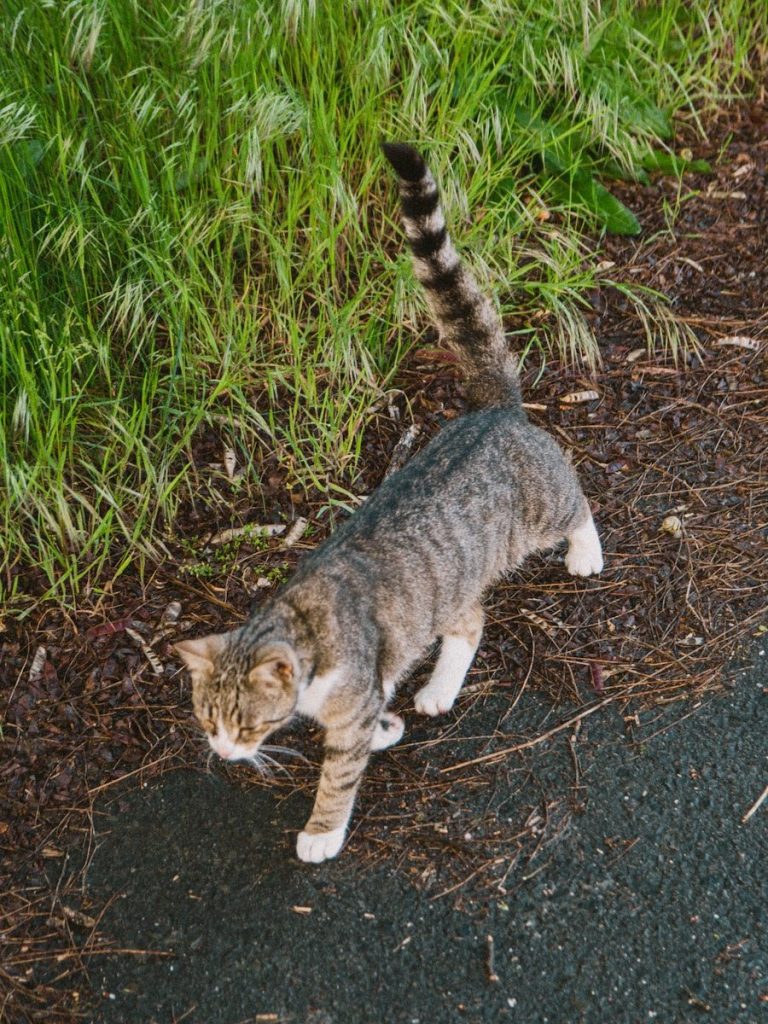
The best way to prevent aggression is to let your companion walk away when they want. Avoid holding them in place or forcing long physical hugs against their will. Keeping sessions short and sweet builds a foundation of mutual respect and trust. Your cat will appreciate the freedom and feel more comfortable seeking your company later. But there is a simple training trick to try.
Using positive reinforcement to build tolerance
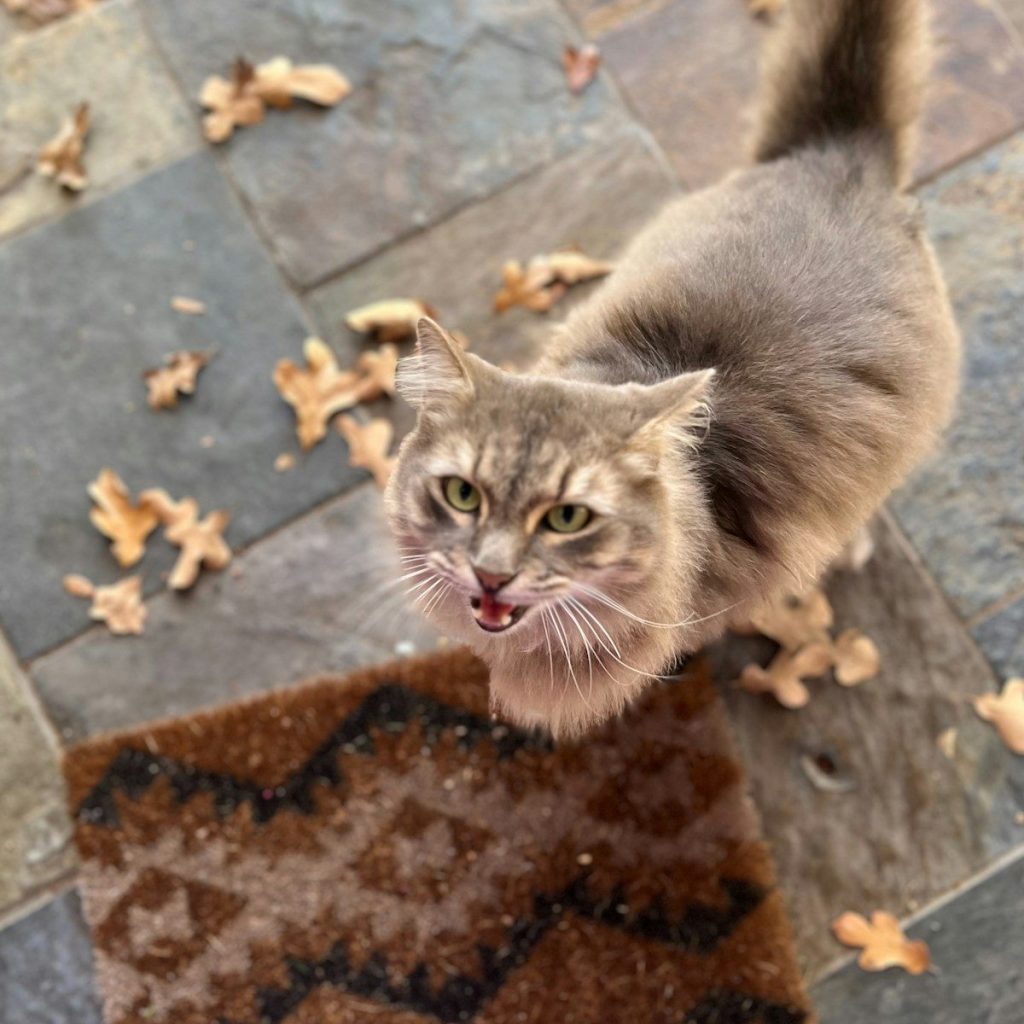
Offer a tiny treat after a few gentle strokes to build positive associations with touch. Over time, your pet will learn that petting is safe and rewarding. Sticking to these quiet boundaries ensures a happy and bite-free relationship with your favorite companion. Your loving patience is the key to unlocking absolute feline peace.