

Has your cat ever screamed during a simple nail trim? Or perhaps they treat the pet carrier like a medieval torture device. Felines are famous for their dramatic reactions.
A viral video of a cat yowling during a routine checkup has millions of pet parents laughing. But beneath the drama lies a very real evolutionary response that we can actually fix.
The deep root of extreme feline anxiety
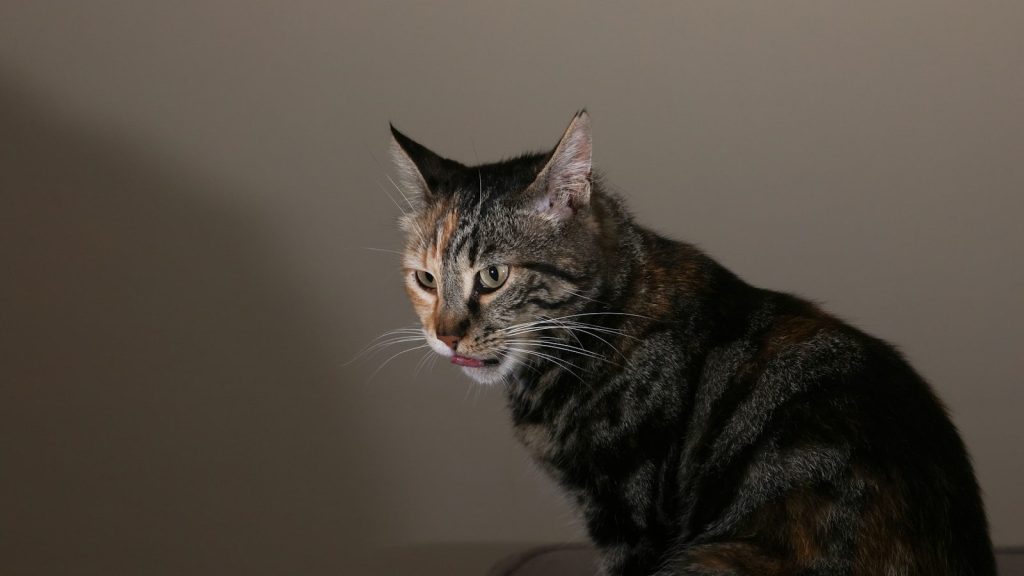
To a cat, losing control feels like a massive emergency. They are solitary hunters who rely on speed to escape danger. When we hold them for a bath or a vet visit, their instinct screams that they are trapped. This trigger causes their intense outbursts. Luckily, we can easily calm these fears. It starts with changing how they view their worst enemy.
Transforming the plastic carrier into a cozy bedroom

Most owners only bring out the plastic carrier for veterinary visits. This mistake teaches your pet to associate the box with fear. Instead, leave the carrier open in your living room with a soft blanket. Toss high-value treats inside daily to build positive associations with the space. Soon, they will sleep there. Once they love the carrier, you can tackle grooming.
The gentle art of stress-free nail trimming
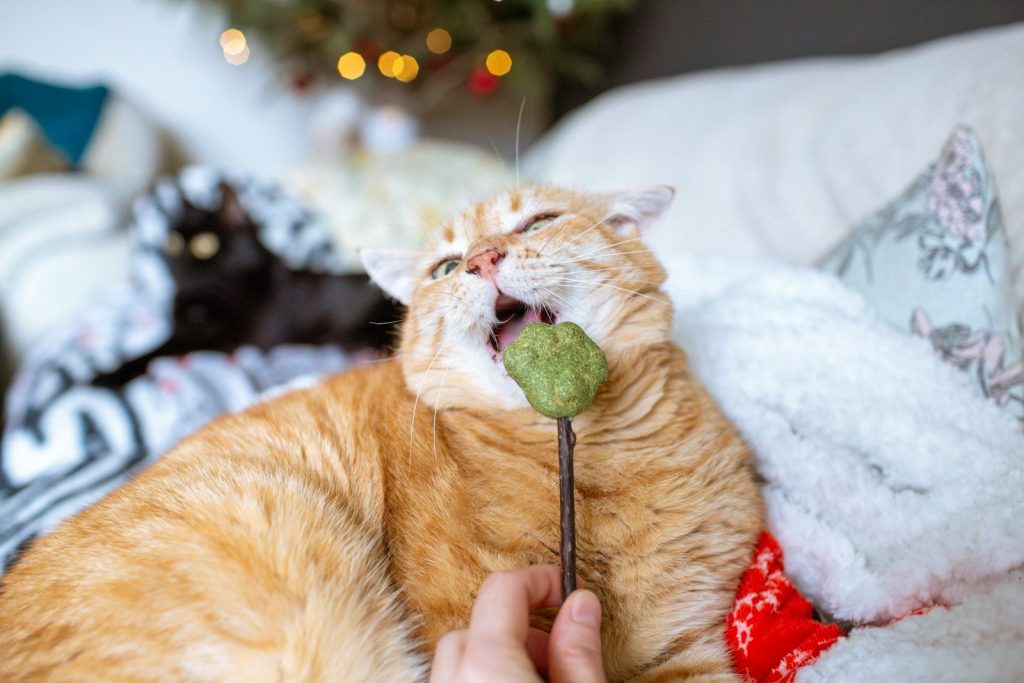
Cutting a cat’s nails does not have to be a battle. Start by simply holding their paw and offering a delicious lickable treat without using the clippers. This step teaches them that paw touching leads to great rewards. Once they are relaxed, trim just one nail per day. This slow method prevents them from getting overwhelmed. Water is the ultimate test of feline trust.
Surviving a bath without the dramatic screaming
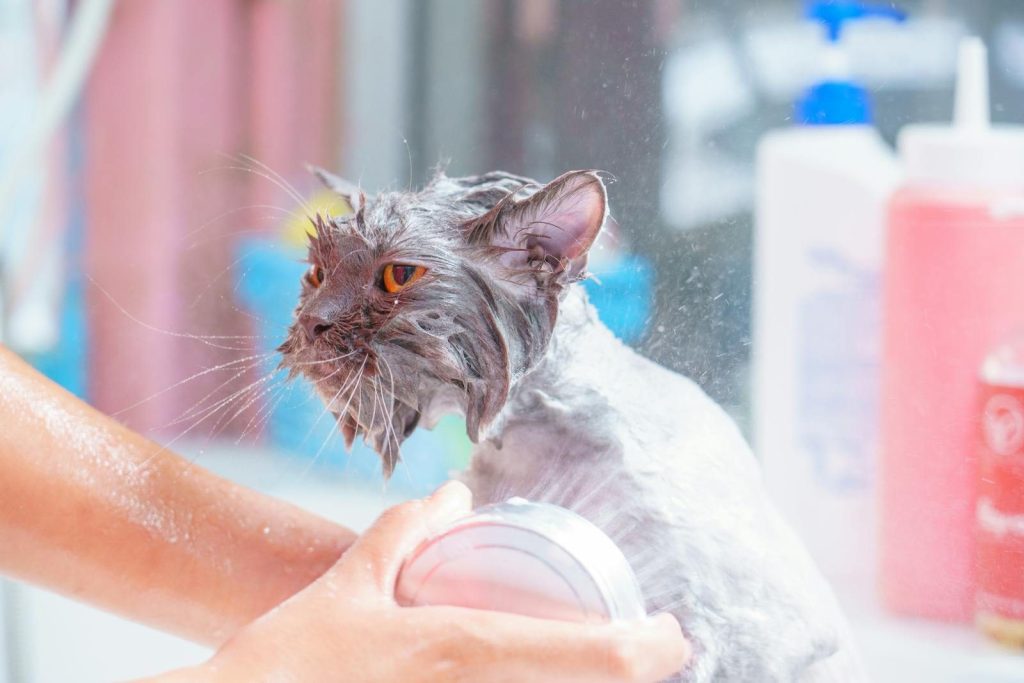
While most cats hate water, sometimes a bath is necessary for their health. Never use a loud, spraying shower head that startles their sensitive ears. Instead, fill a small basin with warm water and use a soft washcloth to wipe them down gently. Keep the room warm and quiet to reduce environmental stress. Understanding their body language can prevent an aggressive outburst.
Reading the warning signs before the explosion
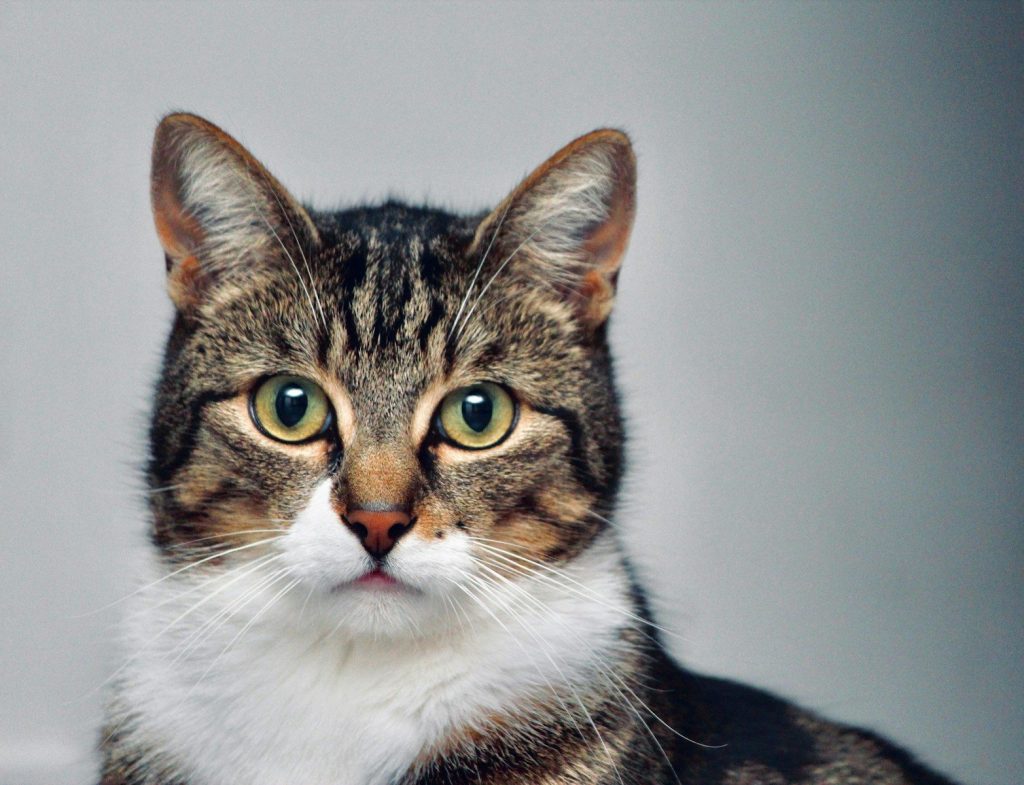
Cats give clear physical warning signs before they lash out in fear. Watch for flat ears, a twitching tail, and dilated pupils. If you notice these signs, stop what you are doing immediately and give them space. Forcing the issue will only damage your bond and make future training sessions impossible. Certified trainers use a specific veterinary technique to help.
The power of cooperative care training
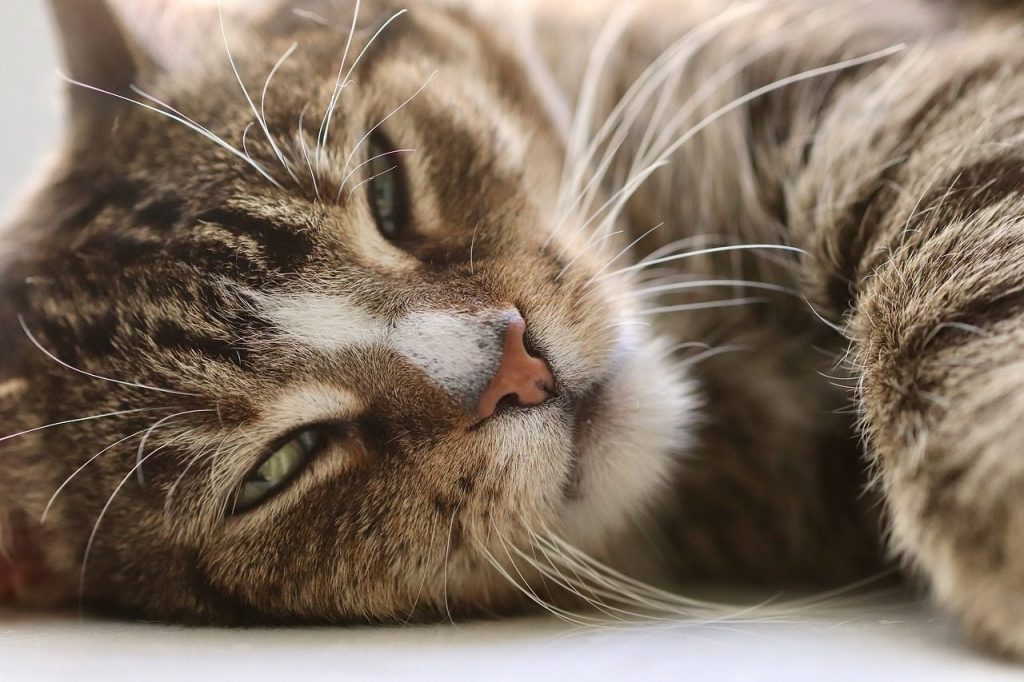
Dr. Sophia Yin, a pioneer in low-stress animal handling, developed cooperative care training. This method teaches animals to willingly participate in medical exams by rewarding voluntary cooperation. By letting your cat choose when to participate, you eliminate their need to fight or scream. This article is for informational purposes only and does not constitute veterinary medical advice. The rewards of this training will change your daily routine.
A peaceful home with a confident pet
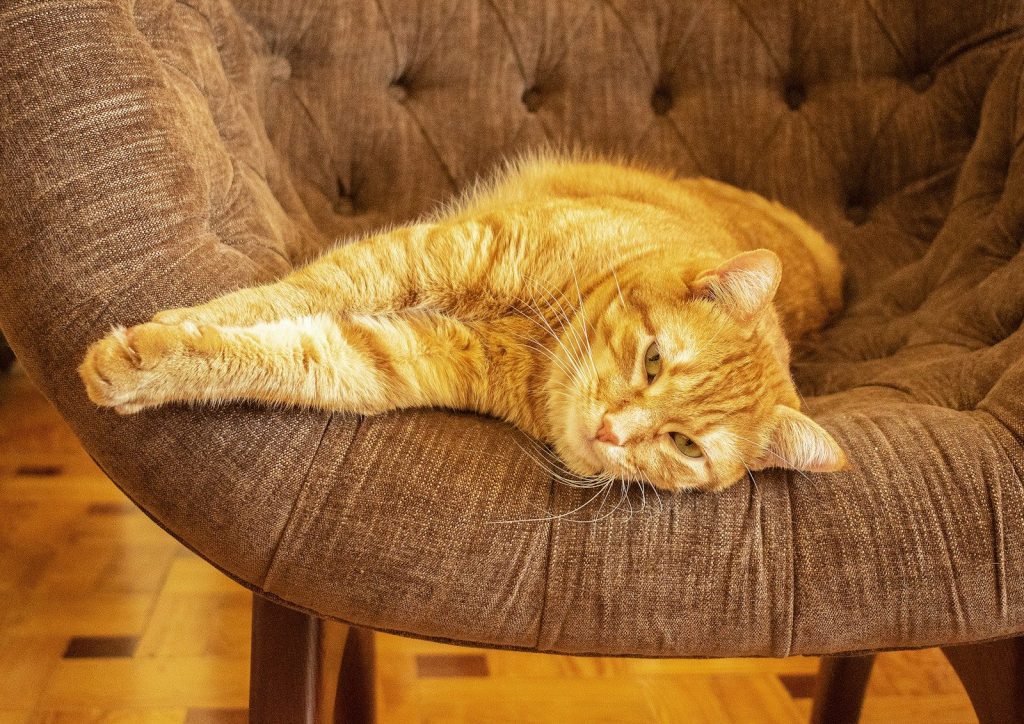
You do not have to live with a dramatic, fearful cat. With patience, gentle training, and positive reinforcement, you can transform stressful tasks into calm bonding moments. Your pet will feel safe, and you will save your hands from painful scratches. A happy cat makes for a peaceful household for everyone.
Featured Image: Photo by stephan hinni on Unsplash