

Bringing a new cat home is an exciting milestone for any pet owner. We expect quiet cuddles and peaceful adjustment periods.
However, some owners find themselves dealing with a cat that cries loudly throughout the night. This behavior can feel frustrating, but experts explain that your pet is communicating a vital message.
The shock of a brand new environment
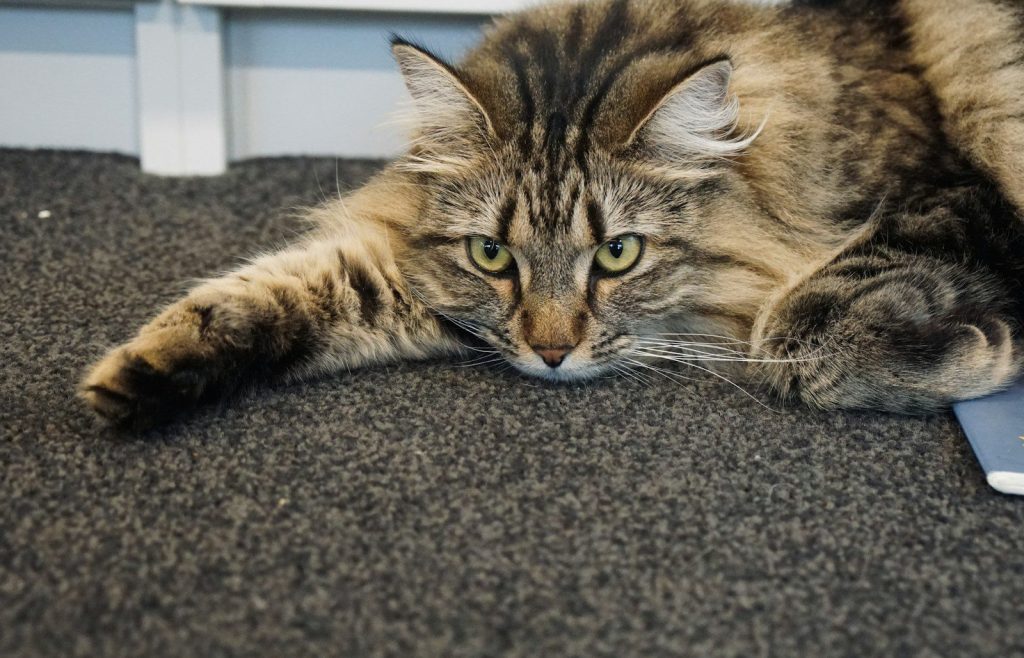
Moving to a new home is highly stressful for any feline. They rely on familiar scents to feel secure. When they enter a new space, their internal map is completely wiped clean. They feel exposed. This intense fear drives them to vocalize their confusion. But another cause is likely.
The hidden struggle of sensory overload

According to the American Veterinary Medical Association, felines have highly sensitive hearing. New noises terrify them. This sensory overload makes it impossible for them to relax. They cry to release anxiety. However, you can easily prevent this problem with a simple spatial adjustment.
Why too much space is terrifying

Giving a new cat access to the entire house immediately is a common mistake. A massive space feels impossible to defend. Instead, you should keep your new pet in a single quiet room. This sanctuary room helps them adjust slowly. Why does this keep happening?
The desperate search for familiar smells
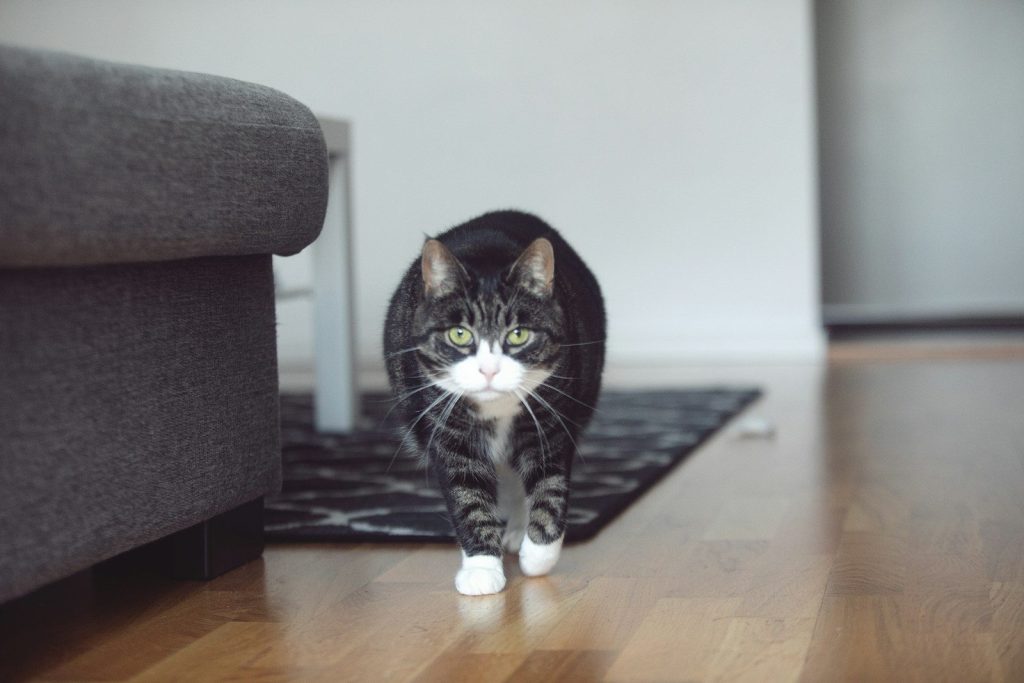
Cats use scent glands on their cheeks to mark their territory as safe. A new home lacks its personal scent. To help them, place their old bedding in the room. This simple step brings comfort. Yet, there is another emotional reason behind their vocalizations.
Grief and separation anxiety in rescues
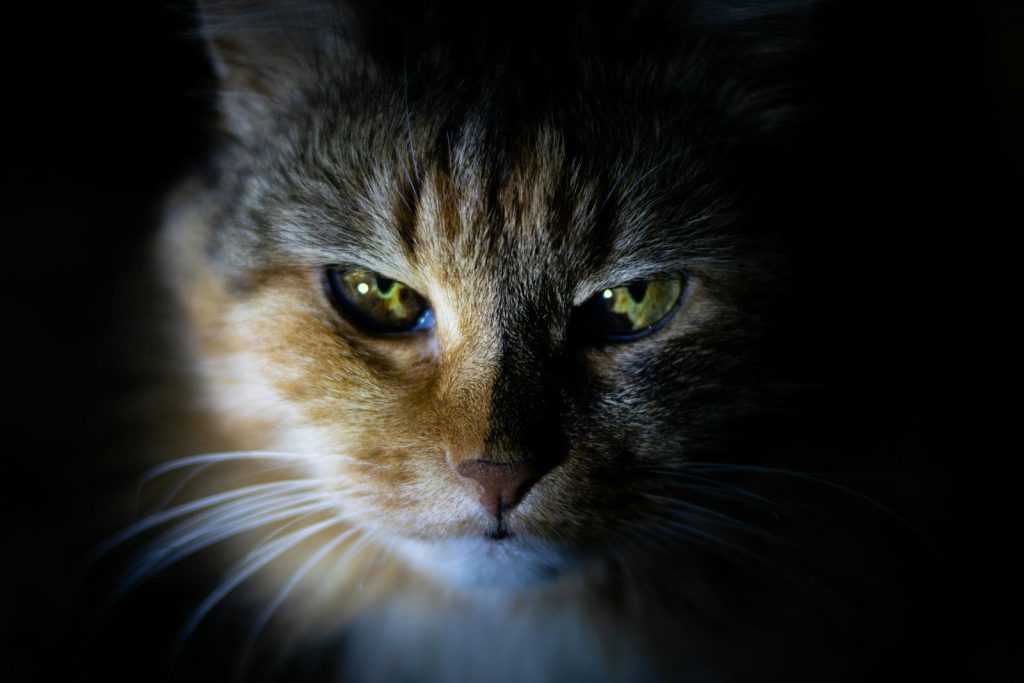
Many adopted cats have recently faced severe trauma or abandonment. They might be crying for lost siblings. This condition requires immense patience. They need to learn that you will not leave. Do not reward this behavior.
How to respond without reinforcing cries
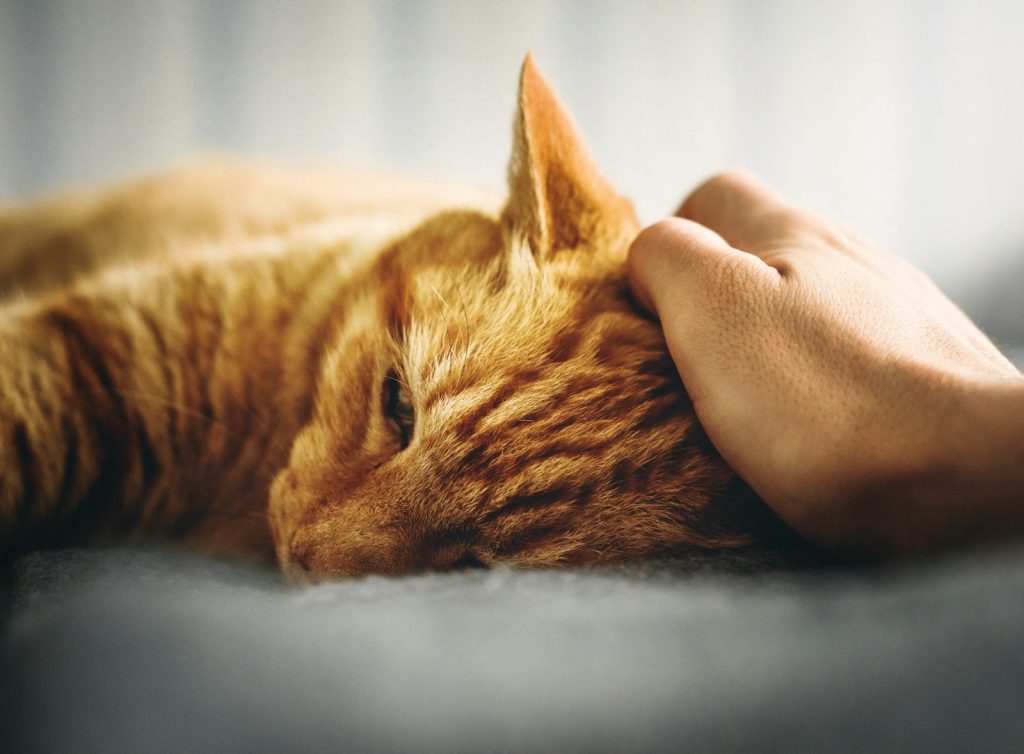
If you rush to comfort your cat every time they meow, they will learn that crying gets attention. This creates a challenging cycle of sleepless nights. You must wait for silence. This teaches them that quiet behavior works. However, you must also rule out any underlying physical issues.
When crying signals a medical emergency.
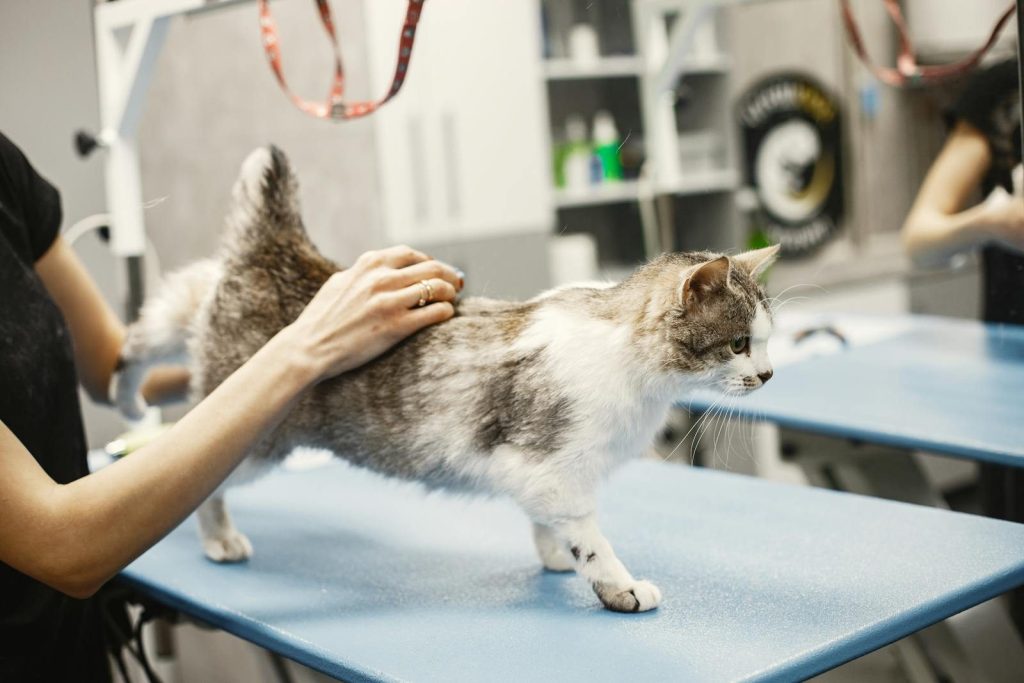
Persistent vocalization can sometimes point to pain or high blood pressure. Dr. Alan Carter, speaking to local reporters, noted that older cats often meow due to cognitive issues. This article is for informational purposes only and does not constitute veterinary medical advice. Always consult a vet. Fortunately, most cases just require time.
The beautiful reward of absolute trust
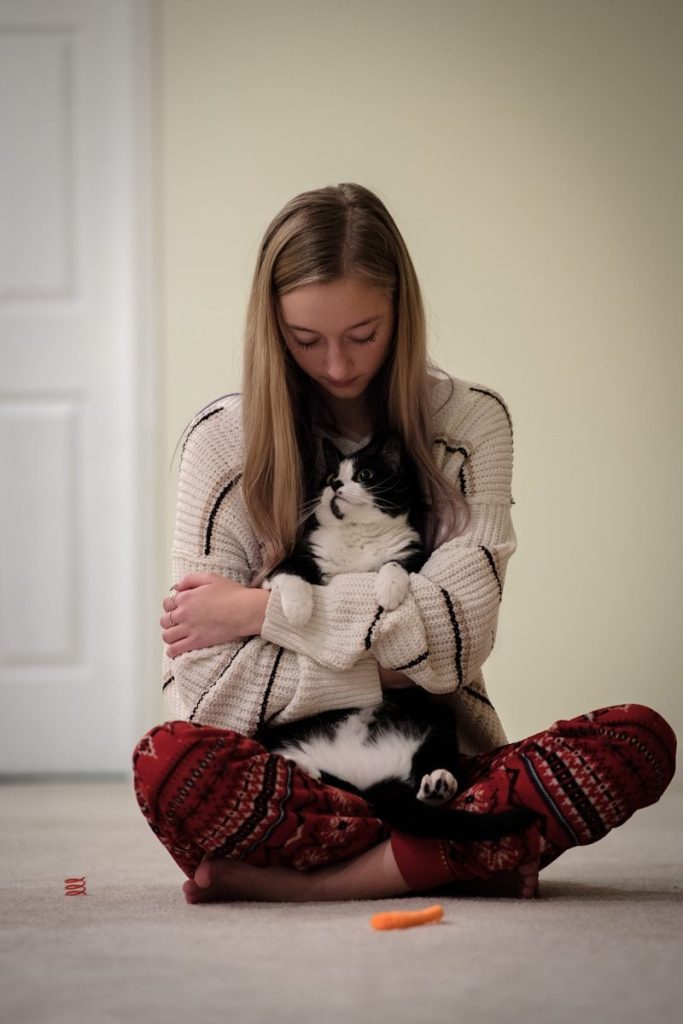
Within a few weeks, your new pet will begin to feel safe. The cries will stop. You will get to enjoy peaceful cuddles. Patience is key. Your sweet feline companion will reward you with a lifetime of quiet love.