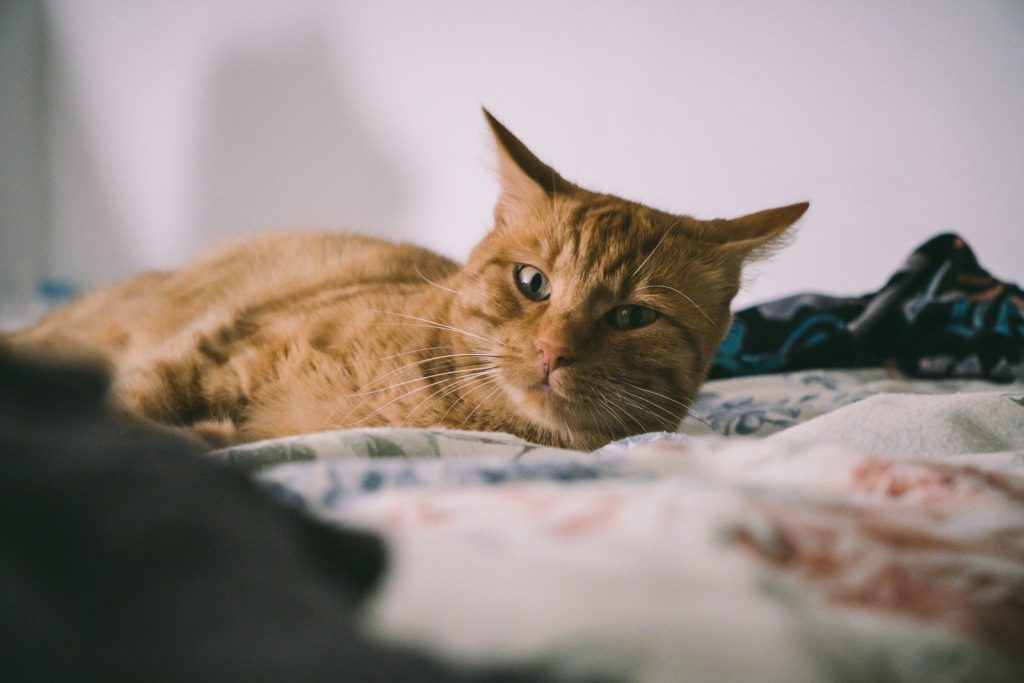

You pet your cat and hear a motor running instantly. Yet, your friend has a happy feline that never makes a single sound.
This difference in vocal volume can leave many owners confused. Fortunately, a groundbreaking veterinary study has finally explained this acoustic mystery.
Inside the unique physical anatomy of a purr
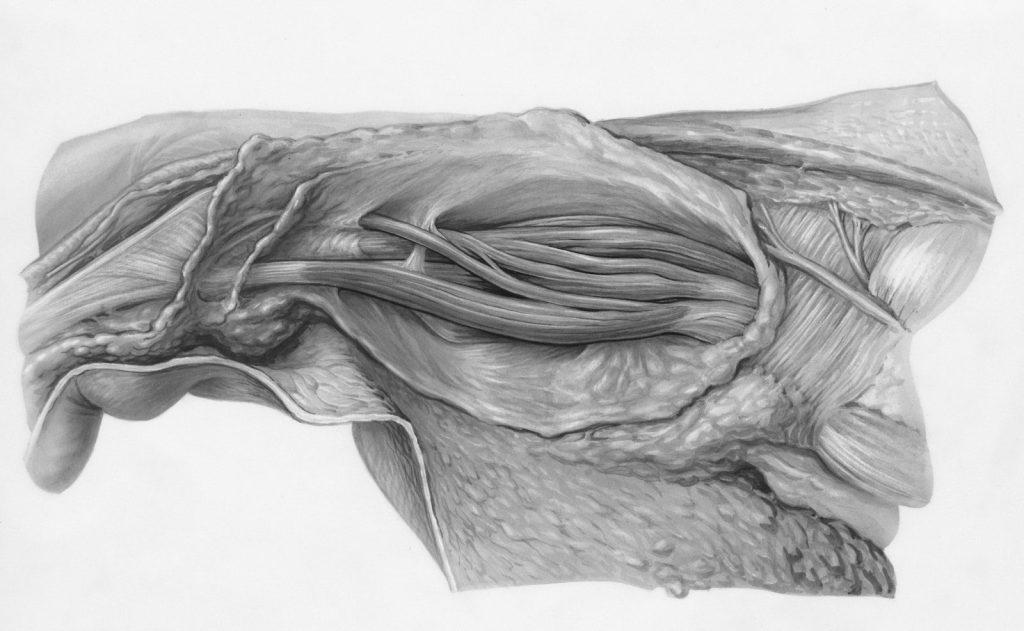
Purring is not a simple vocal cord movement. It is a highly complex physical process. According to the Journal of Anatomy, cats use their laryngeal muscles to oscillate the glottis at rapid speeds. This creates the famous vibration we feel when they are happy. But does physical size affect this vocal motor?
Why does throat muscle thickness change the volume?
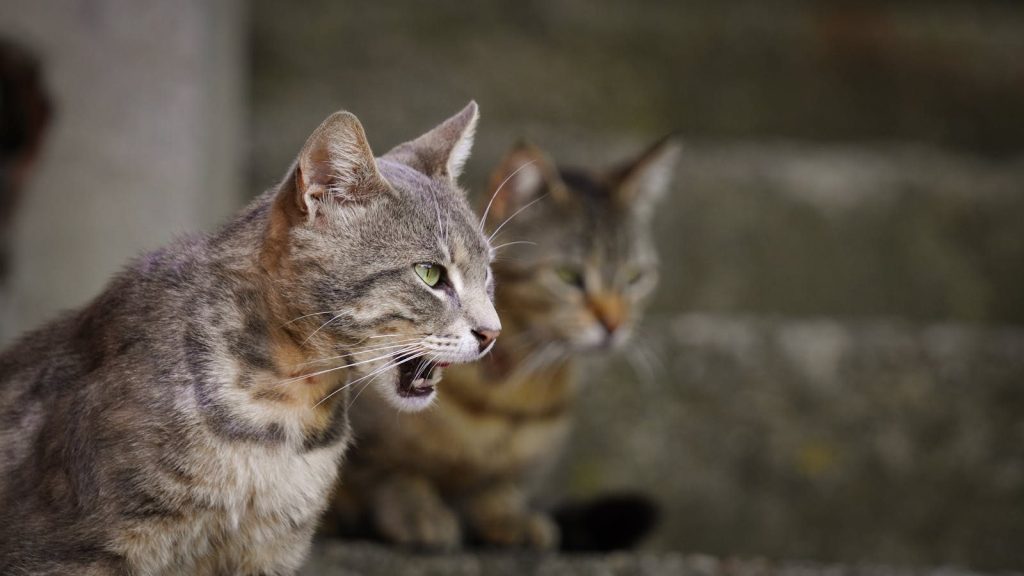
Just like human voices, cat throat anatomy varies from animal to animal. Some felines have thicker laryngeal muscles that naturally produce a louder hum. Others possess delicate structures that make their purrs almost completely silent to human ears. You might only feel the vibration rather than hear it. But is physical anatomy the only explanation?
The surprising psychological triggers of silent cats
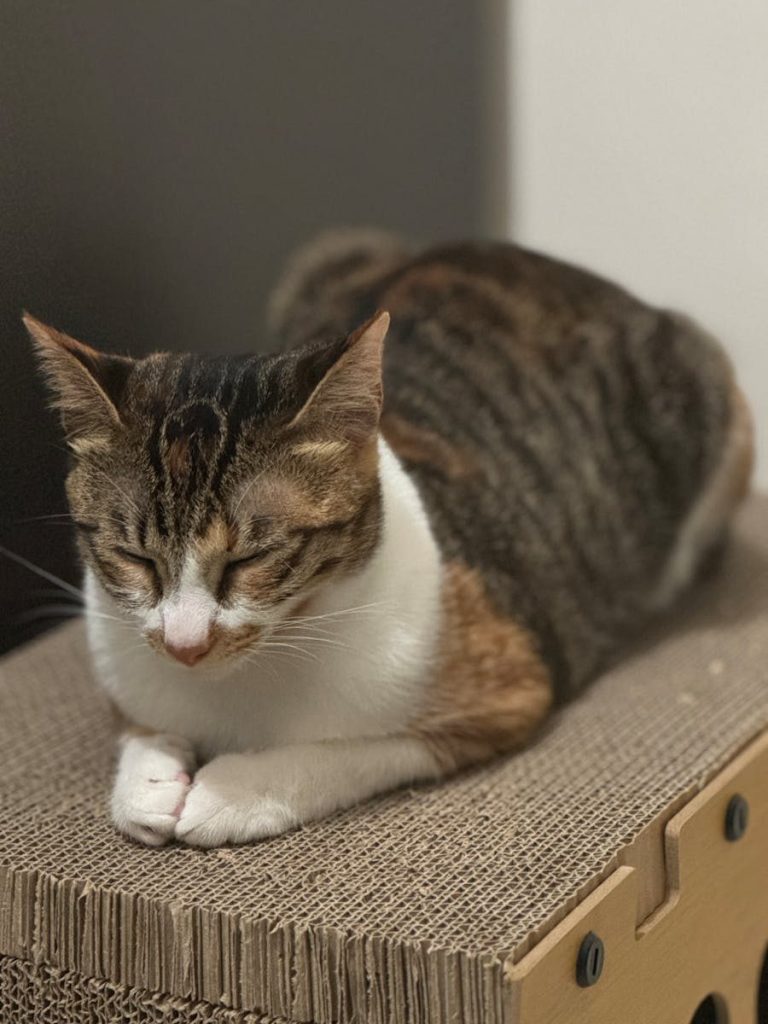
Felines use purring to communicate a wide variety of emotions. A quiet cat might feel completely secure and see no need to vocalize. They express their deep contentment through slow blinks and relaxed body posture instead. They do not need to turn on their vocal motor to show love. But what about cats that purr constantly?
When a constant purr is actually a warning
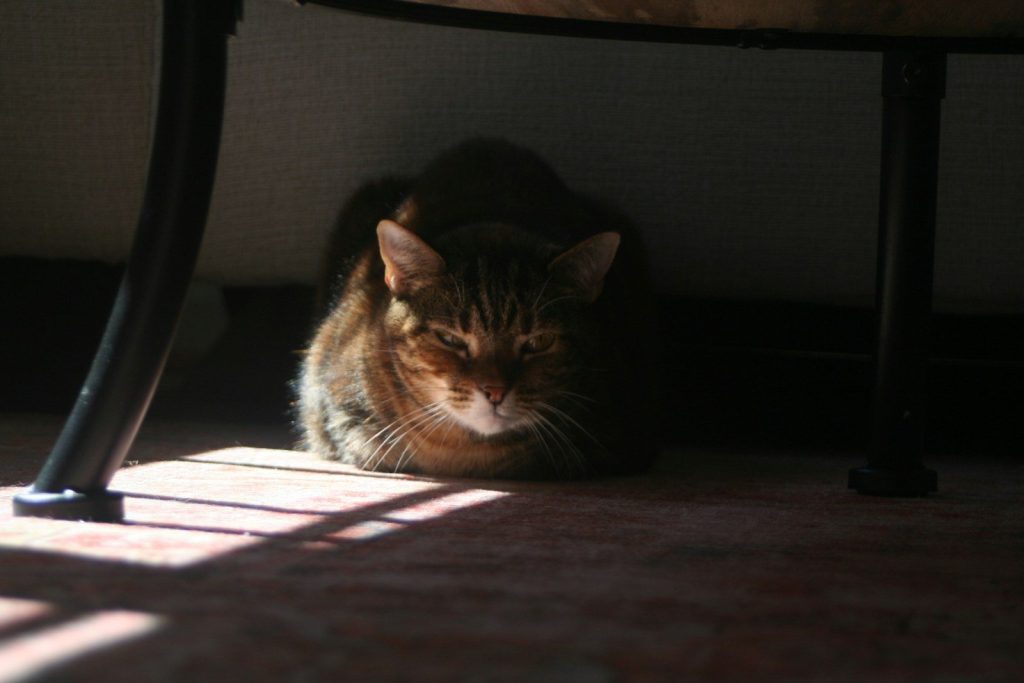
Many people assume that a purring cat is always a happy cat. However, felines also purr to soothe themselves when they are in pain or highly stressed. The low-frequency vibration actually helps heal bones and reduce physical tension. This self-healing mechanism is truly amazing. But how can you tell the difference?
Reading the subtle body language clues carefully
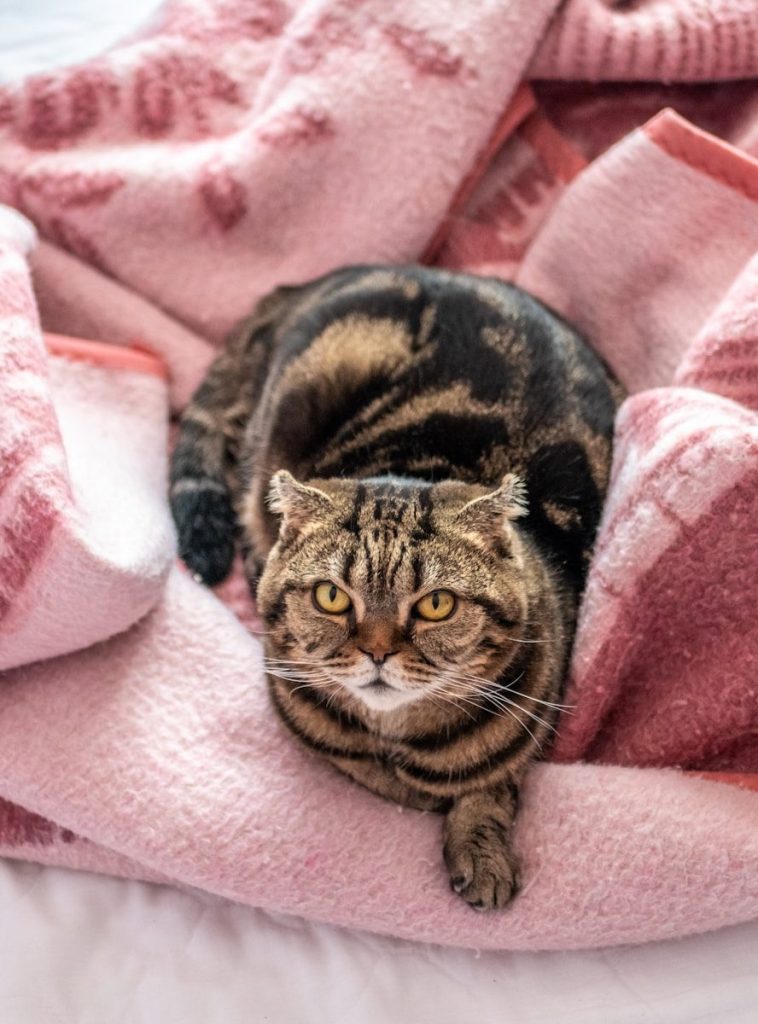
To understand why your cat is purring, you must look at the whole picture. A happy purr comes with soft eyes, a relaxed tail, and kneading paws. A stressed purr is accompanied by tense shoulders, flat ears, and dilated pupils. This article is for informational purposes only and does not constitute veterinary advice. But what should you do if your cat suddenly stops purring?
Why a sudden silence requires close attention
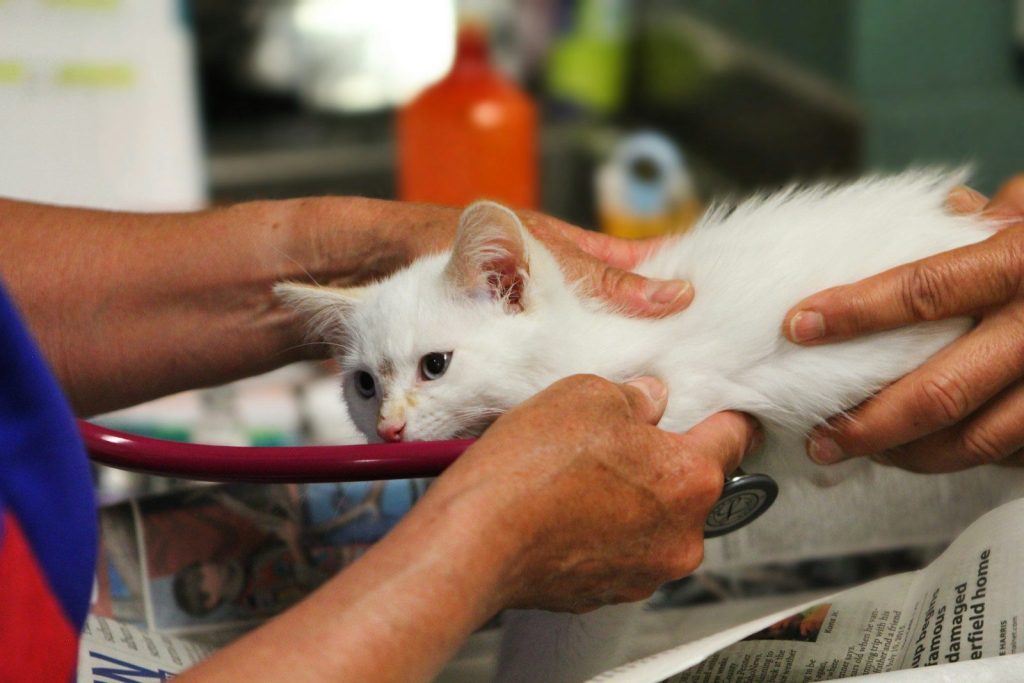
If a normally loud cat suddenly becomes completely quiet, it can be a sign of underlying respiratory issues. According to the American Veterinary Medical Association, sudden behavioral changes always warrant a call to your clinic. It is vital to monitor their daily energy levels and appetite closely. But can you train a quiet cat to purr?
Using a gentle touch to trigger the vocal motor
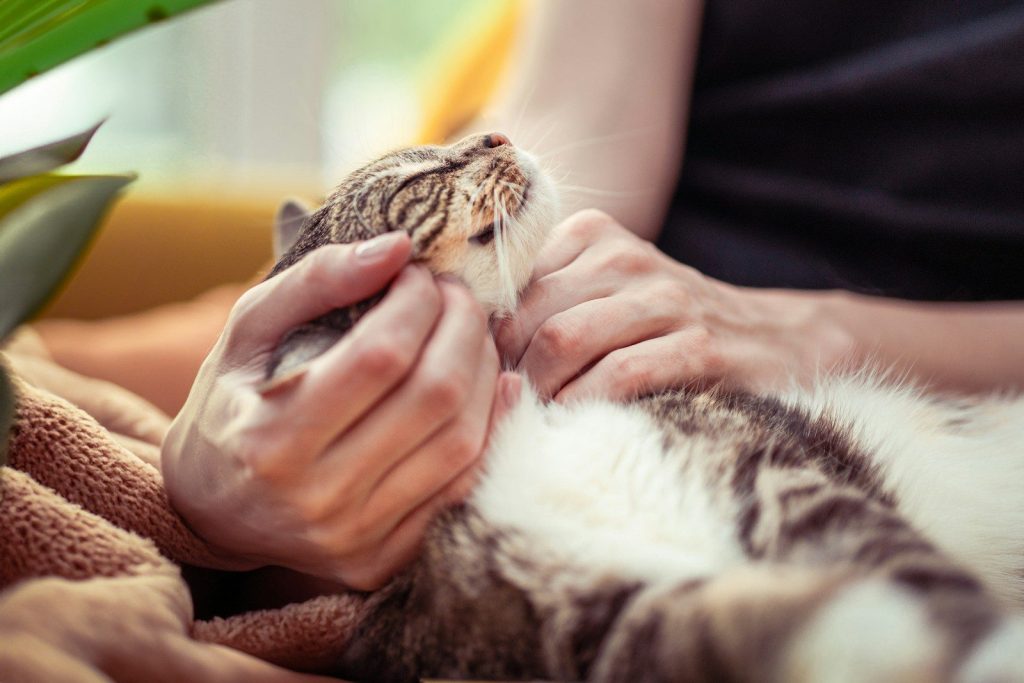
Gently scratching them under the chin or along the base of their tail can help create a relaxing environment. These spots are highly sensitive and trigger immediate relaxation in most felines. Speaking in soft, low tones can also encourage them to vocalize. But what is the best way to bond?
Celebrating the unique voice of your companion
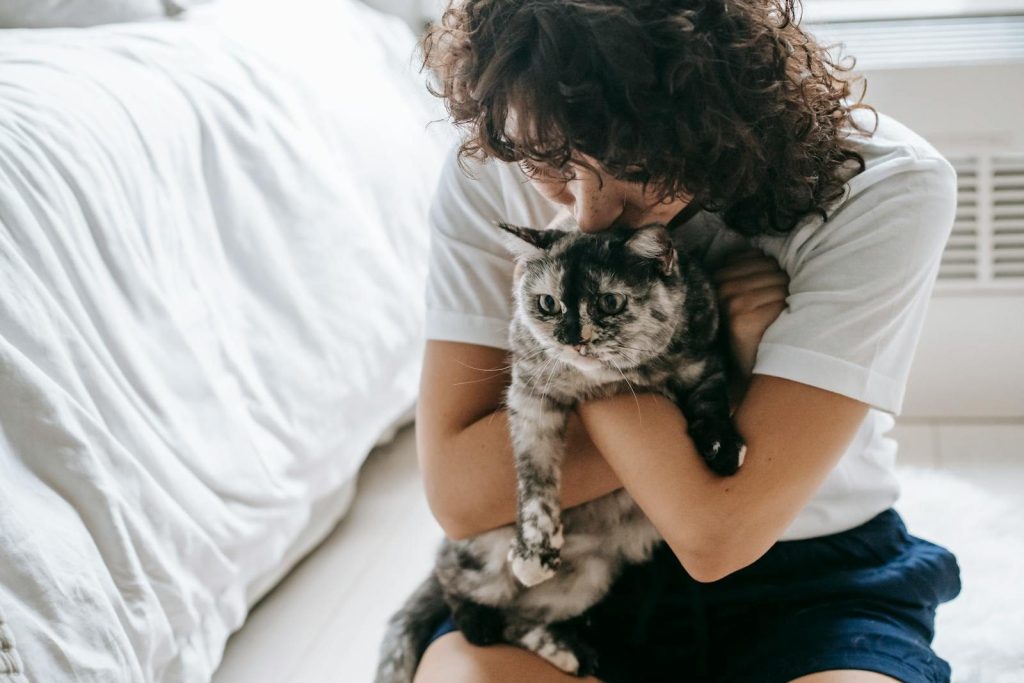
Every feline has a distinct personality and communication style. Whether your cat is a loud motorboat or a silent cuddler, their love is equally real. Paying close attention to their unique habits helps you build a much stronger bond. Enjoy the sweet, quiet moments together as you learn to speak their language.
Featured Image: Photo by Kat von Wood on Unsplash