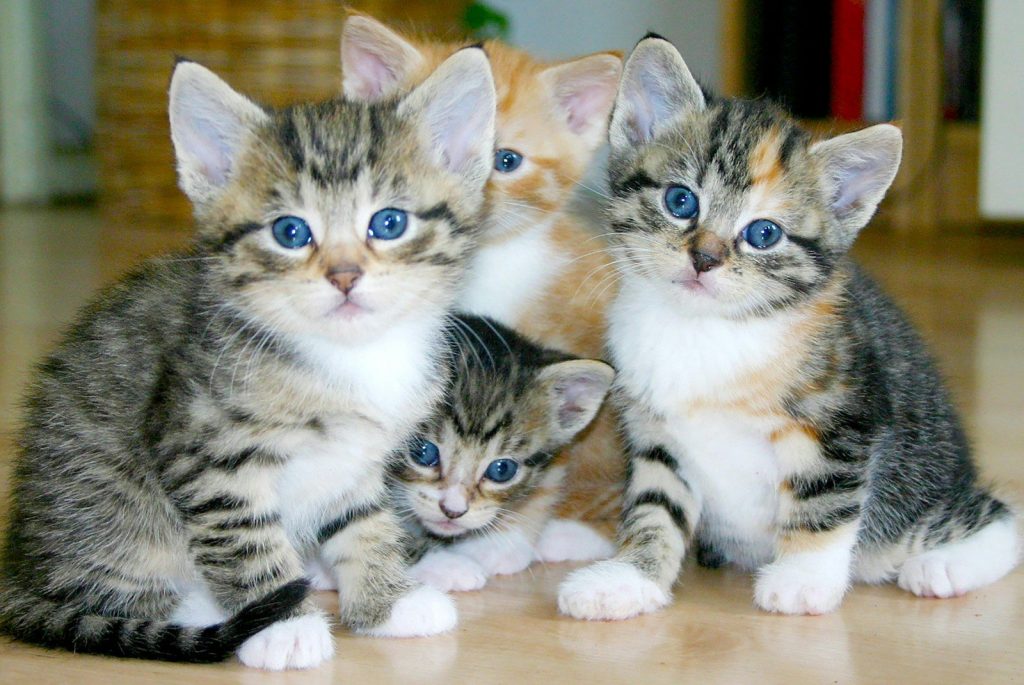

A mother cat gives birth to a stunning litter of six tiny kittens. One is pure black, two are striped tabby, and the rest are bright orange.
This beautiful mosaic of colors looks like a miracle, but it is actually driven by some fascinating biology. How can one mother produce such a diverse crew?
The secret of multiple fathers in one litter
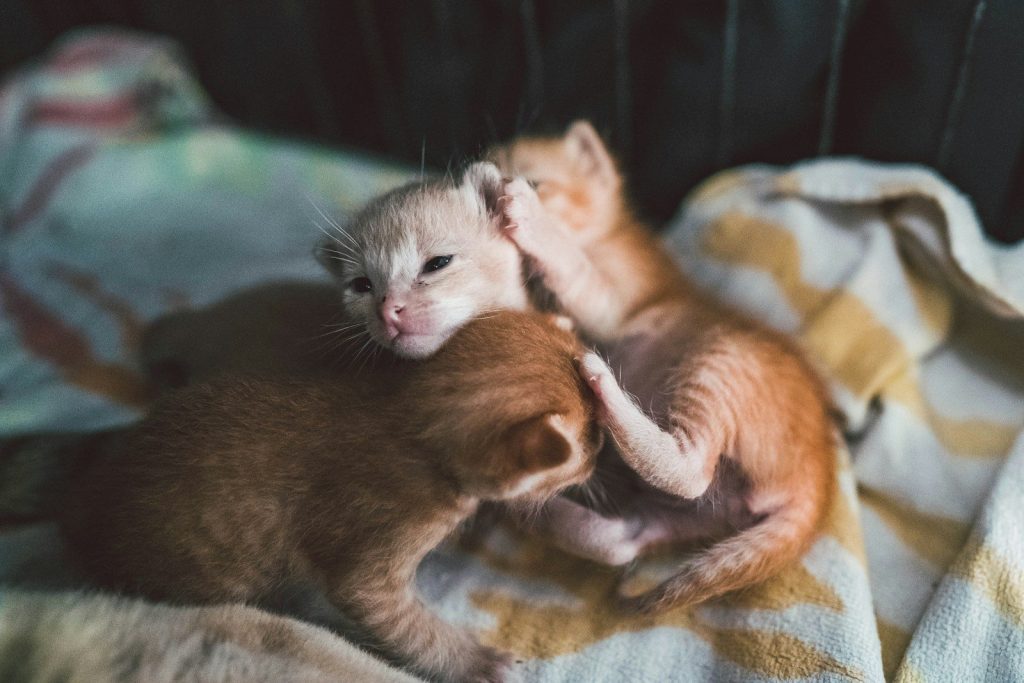
Female cats can release multiple eggs over a period of several days while they are in heat. If she mates with different males during this window, different fathers can fertilize her eggs. According to the ASPCA, this biological phenomenon is called superfecundation. It explains why some siblings look completely unrelated to each other. But genetics play an even bigger role in their diverse colors.
How coat patterns are passed down genetically
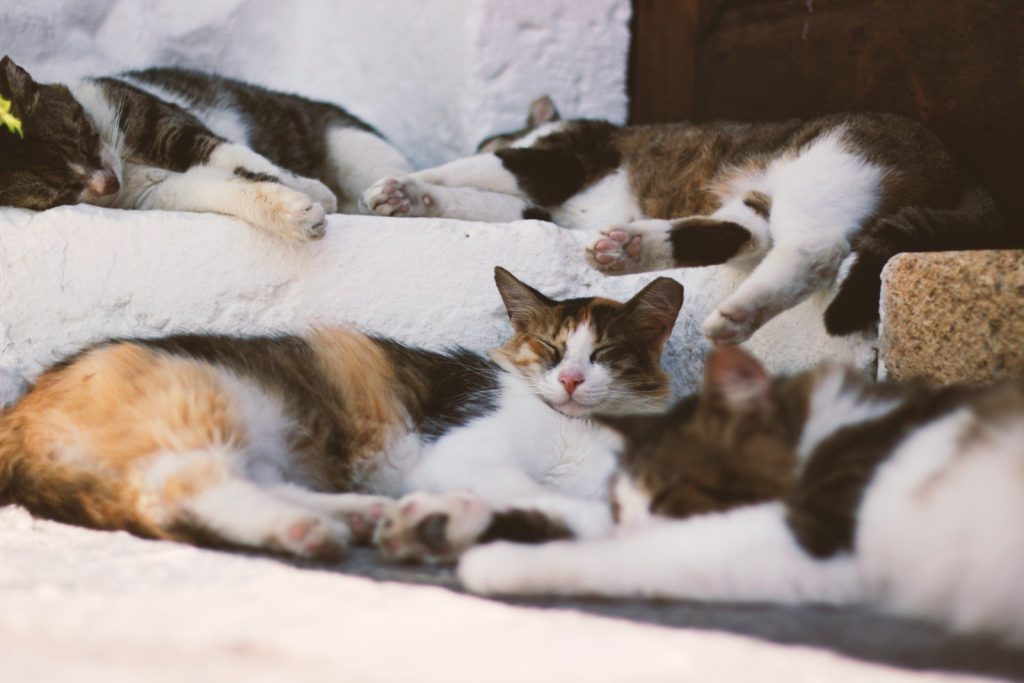
Every kitten inherits half of their genetic blueprint from their mother and half from their father. Dominant genes like the agouti stripe pattern can easily mask recessive traits like solid black. This genetic shuffling creates a unique color lottery with every single pregnancy. However, some colors are tied directly to the gender of the kitten.
Why are orange kittens usually male?
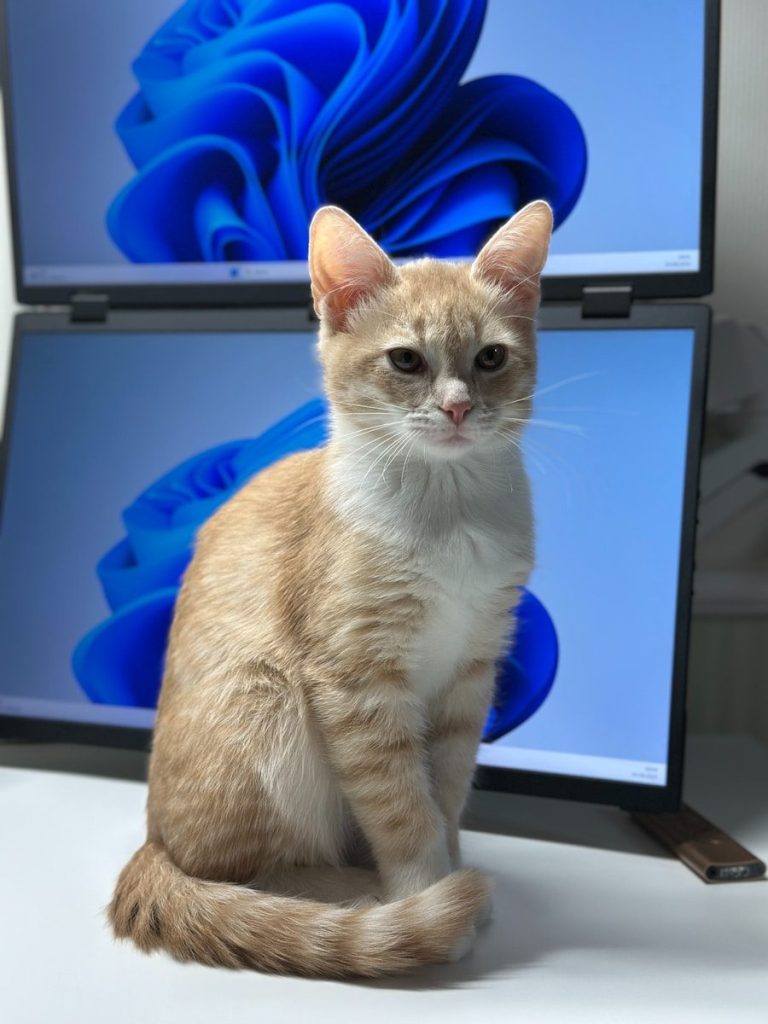
The gene for orange fur is carried on the X chromosome. Because male kittens only have one X chromosome, they only need one copy of the gene to turn orange. Dr. Sharon Crowell-Davis notes that roughly eighty percent of all orange cats are male. But what about the rare female orange felines?
The double genetic dose for female orange cats
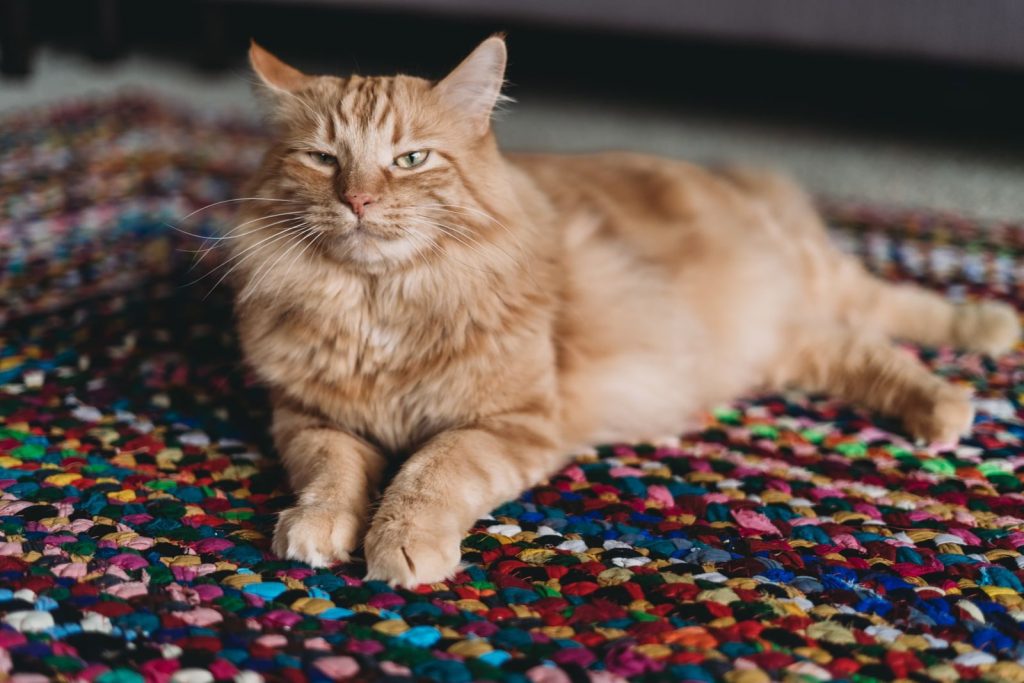
For a female kitten to be orange, both her mother and father must pass down the orange gene. This dual requirement makes female orange cats much less common in local shelters. If she only inherits one copy, she will likely become a beautiful multi-colored calico or tortoiseshell instead. Yet, these varied coat patterns require some specific skin care as they grow.
Watching for sun damage on light fur
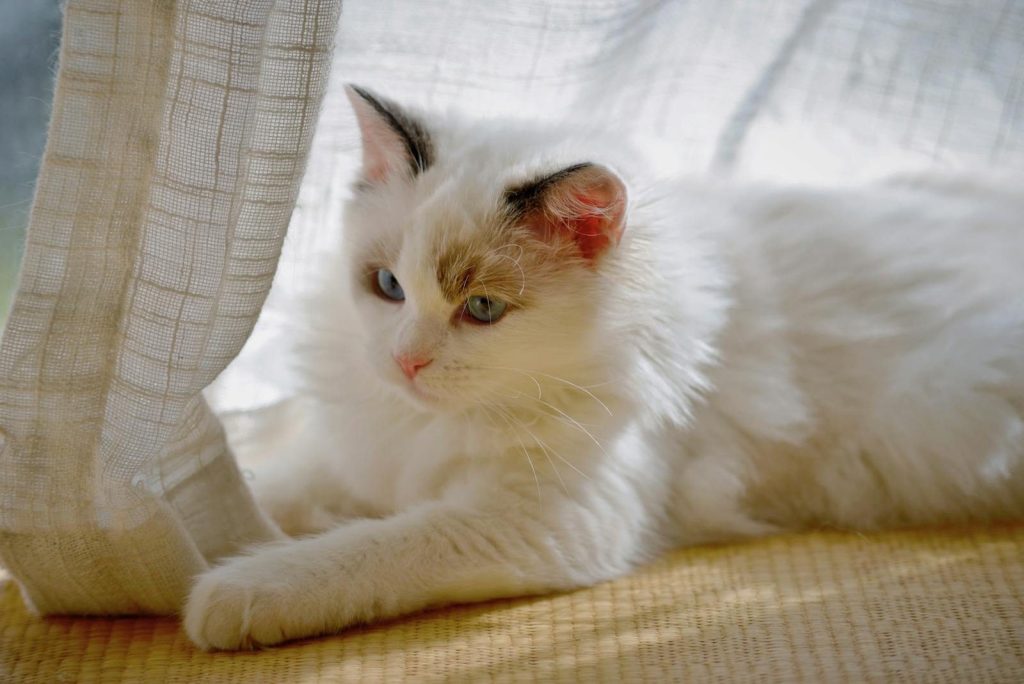
White and cream-colored kittens have very little protective pigment in their delicate skin. Sitting in direct sunlight for hours can lead to painful sunburns, especially on the ears and nose. The American Veterinary Medical Association warns that chronic sun exposure can increase the risk of developing skin cancer. Fortunately, you can easily protect your sun-loving pets indoors.
Creating safe window spots with UV blockers
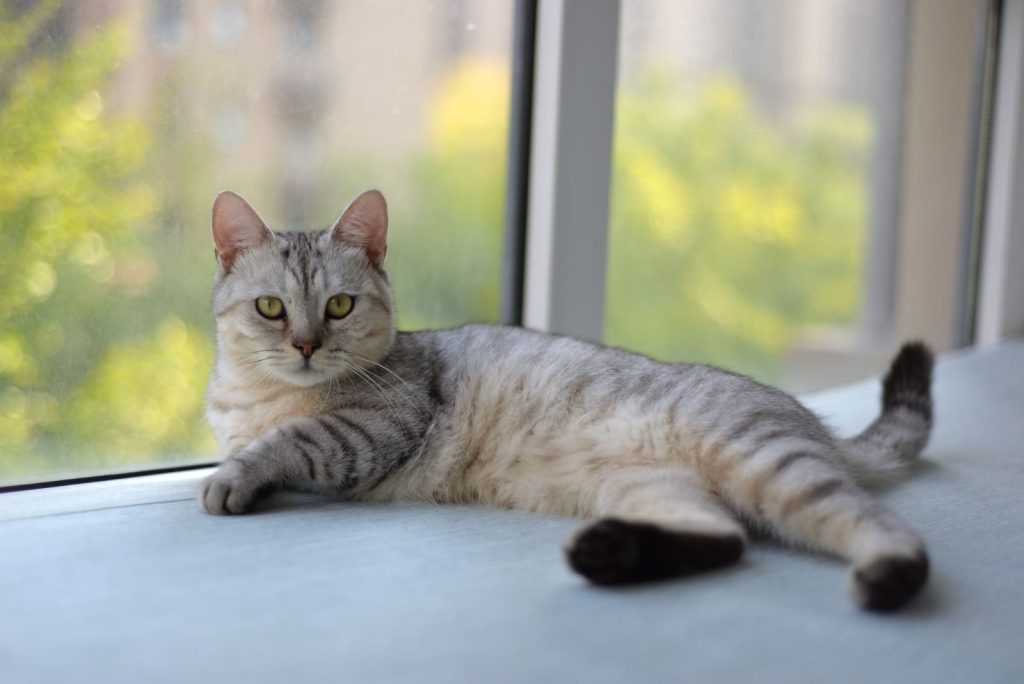
Installing simple ultraviolet blocking film on your windows lets them enjoy the warmth without the dangerous radiation. You can also provide shaded cooling zones near their favorite resting spots to prevent overheating during summer. This simple precaution keeps their diverse coats safe and healthy. But how do you monitor their skin health over time?
Booking regular skin checkups with your vet
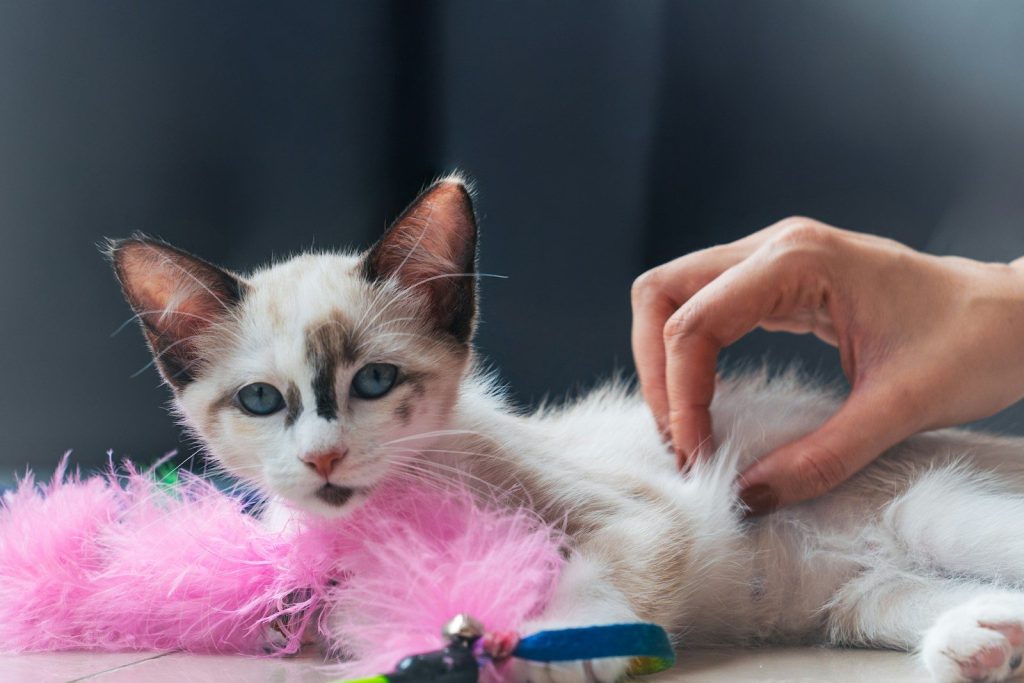
This article is for informational purposes only and does not constitute veterinary advice. Annual wellness exams allow your veterinarian to inspect your skin for any unusual bumps or hair loss. Your careful care ensures your beautiful rainbow mosaic of kittens grows up happy, healthy, and completely safe in your home.
Featured Image: Photo by Ilse Orsel on Unsplash