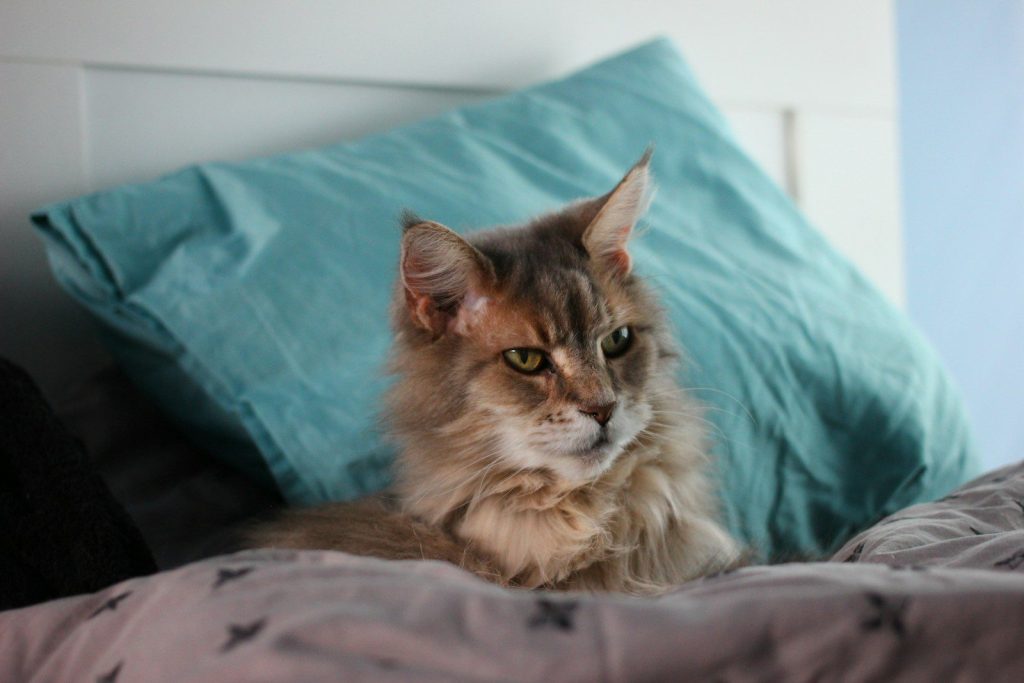

You look at your sleeping giant and notice something hilarious. Their majestic ears are completely bent and twisted sideways.
This adorable look is not just a silly sleeping pose. Your pet’s wild-looking bedhead actually reveals some incredible biological secrets about their ear health.
The flexible cartilage inside feline ears
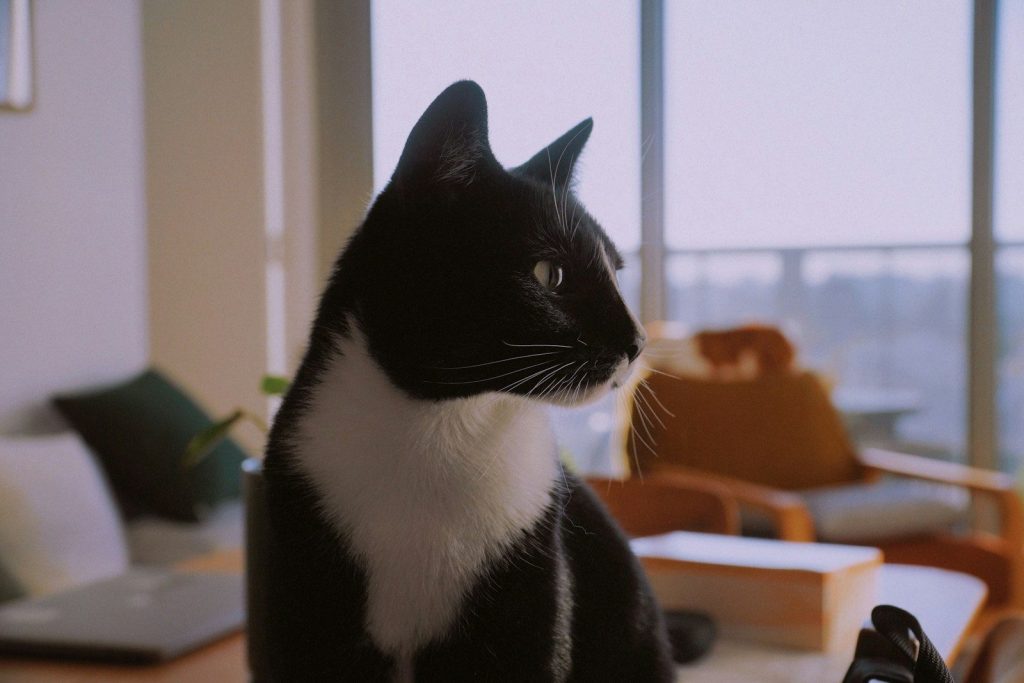
A cat’s ears contain over thirty muscles that allow them to rotate one hundred and eighty degrees. According to the Cornell Feline Health Center, this extreme flexibility comes from soft, elastic cartilage. When a large cat presses their head against a pillow, this cartilage bends easily. This creates the funny, flattened look we see. But physical comfort is only one part of the story.
Keeping ears warm during deep sleep
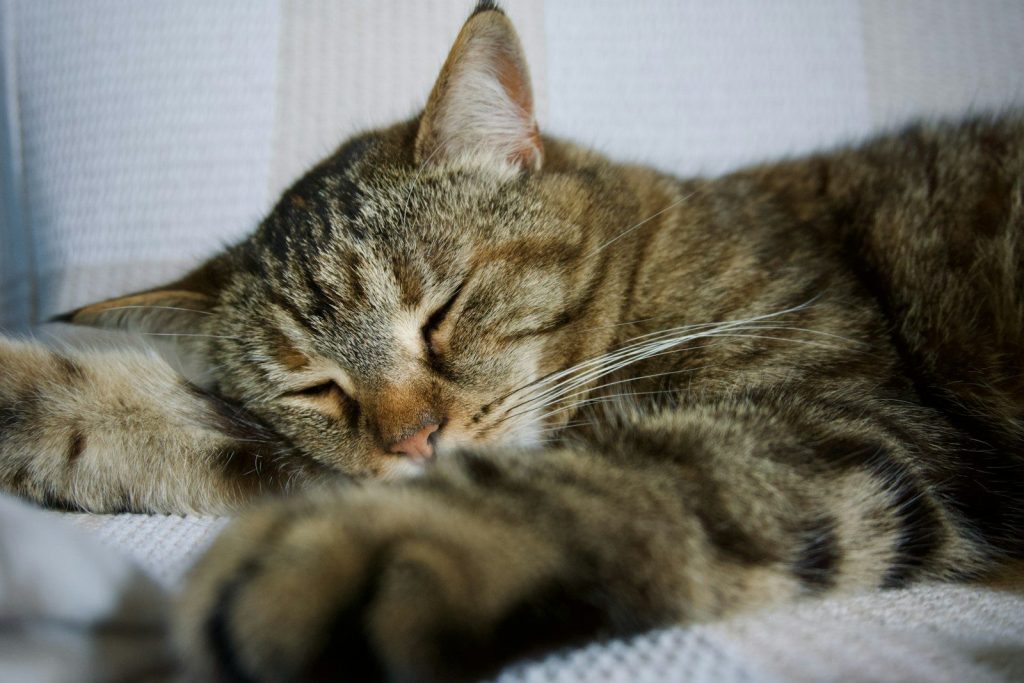
Cold drafts can disturb a sleeping feline quickly. To protect their sensitive hearing systems, cats will often fold their ears backward to trap warm air. This natural temperature control mechanism keeps the inner ear protected from drafts. This tight folding leaves the fur looking messy and wild when they wake up. Yet, this cute look holds an even bigger protective purpose.
The protective shielding of ear furnishings
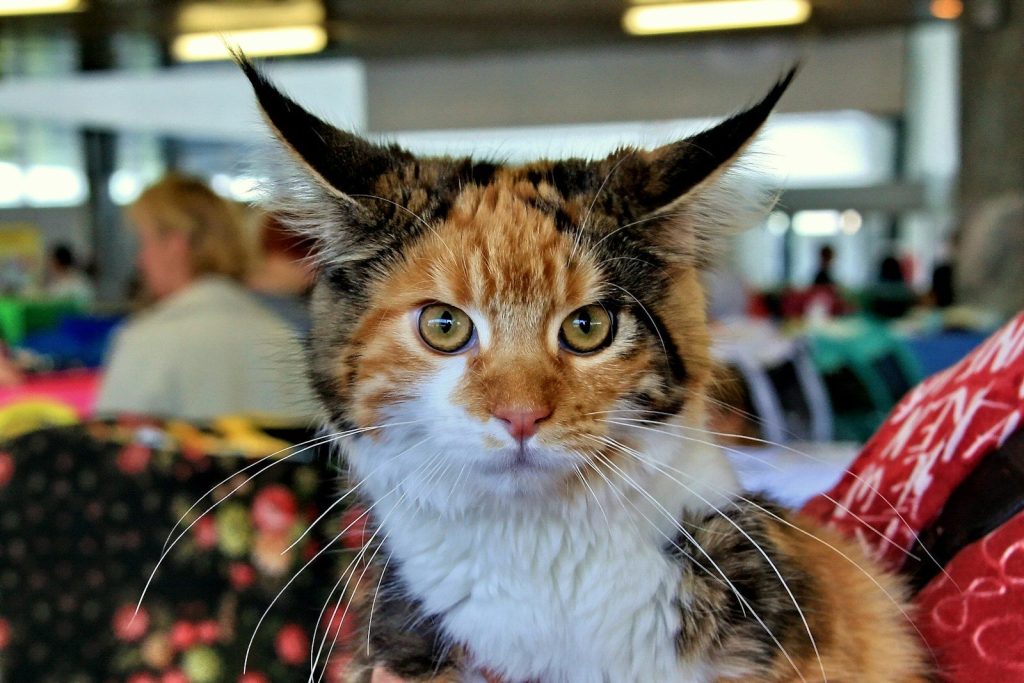
Maine Coons are famous for their heavy ear furnishings, which are the long tufts of hair growing inside the ears. According to the Cat Fanciers Association, these hairs protect the delicate ear canal from dust and debris. During a long nap, these tufts get squished in multiple directions, creating the ultimate bedhead. But how the ear rotates during sleep introduces a surprising biological event.
Monitoring sound even while dreaming
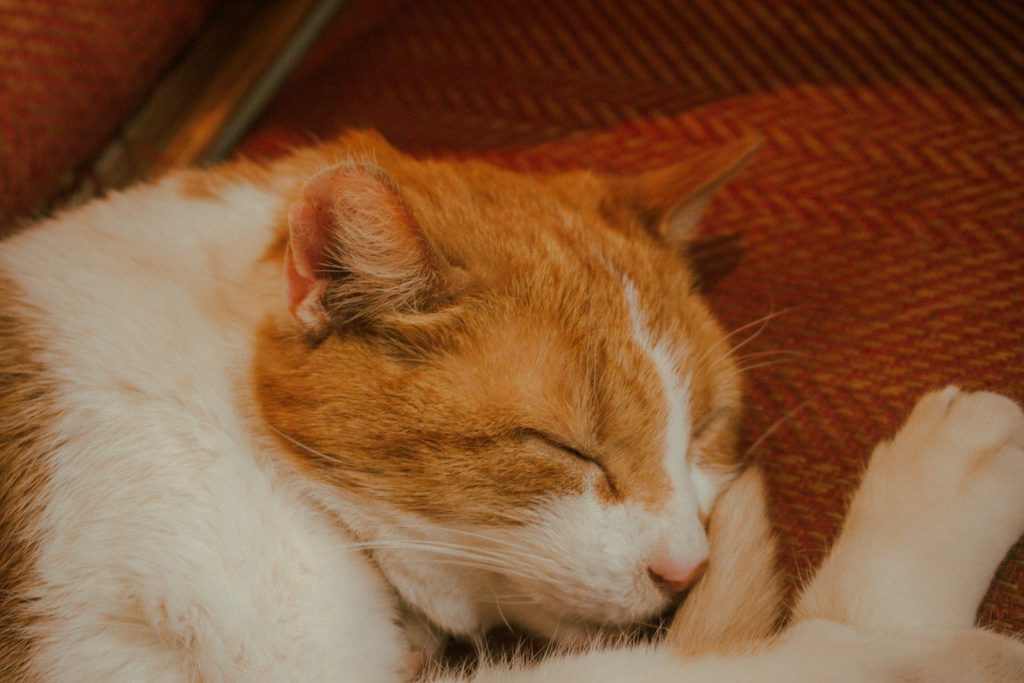
Cats never truly turn off their hearing when they sleep. They constantly twitch and rotate their ears toward subtle household noises, even during deep slumber. This constant micro-movement under pressure can crimp the hair and cartilage in strange angles. The resulting messy look is proof of their active brain. However, you must watch out for one specific ear movement.
When messy ears signal a problem
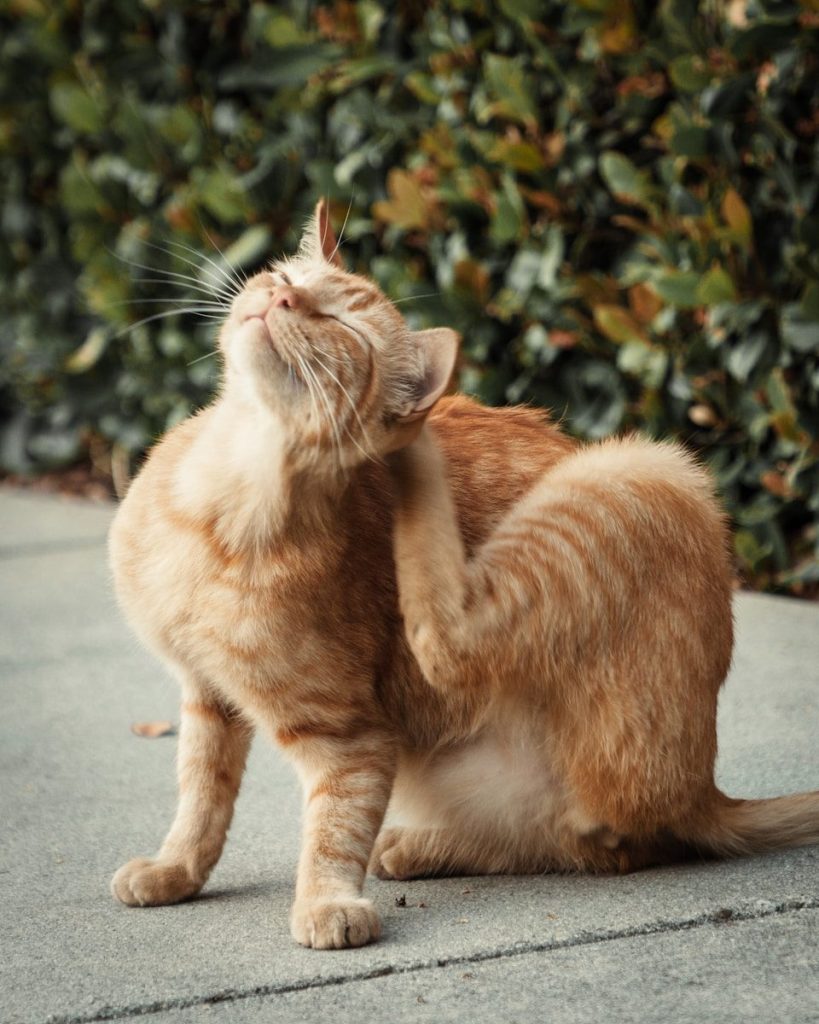
While temporary bedhead is completely normal, persistent flat ears can point to an underlying medical issue. The American Veterinary Medical Association warns that frequent scratching or head shaking could signal painful ear mites or infections. If the ear stays bent, it may require a closer look from a veterinarian. Fortunately, you can easily tell the difference by observing their behavior.
Checking the ears safely at home
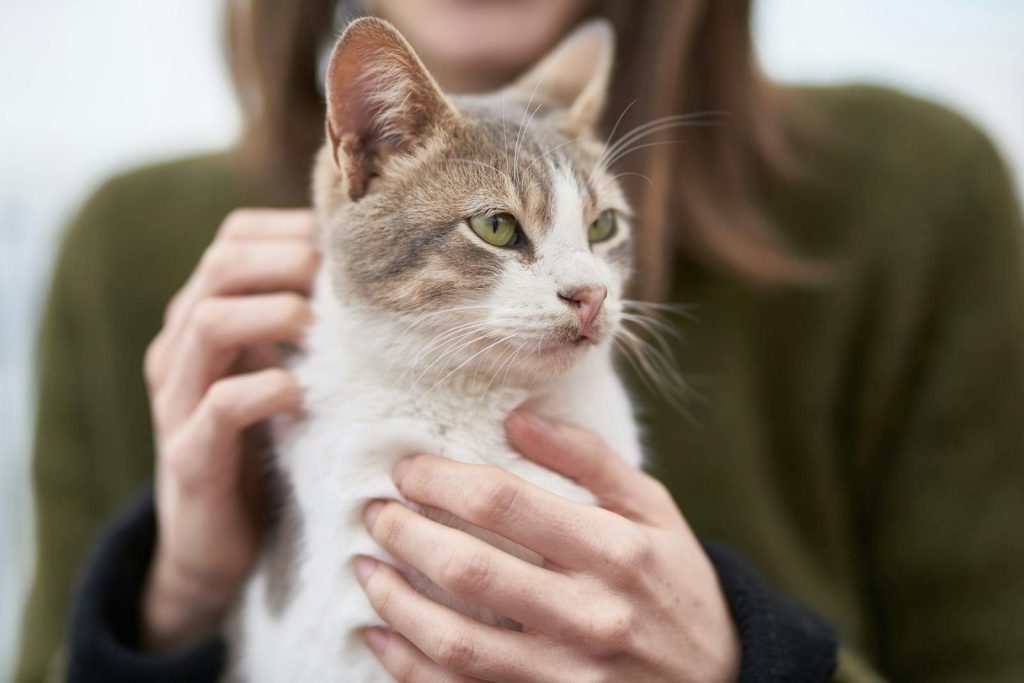
Healthy ears should look clean, pink, and free of any dark debris. You can gently pet your cat around the jaw to check if they display any signs of pain. Most felines love a soft massage right behind the ears because it releases happy hormones. This simple bonding session can help you monitor their health while enjoying some sweet cuddles. Soon, you will see a beautiful return to their regular look.
Embracing the magic of feline bedhead
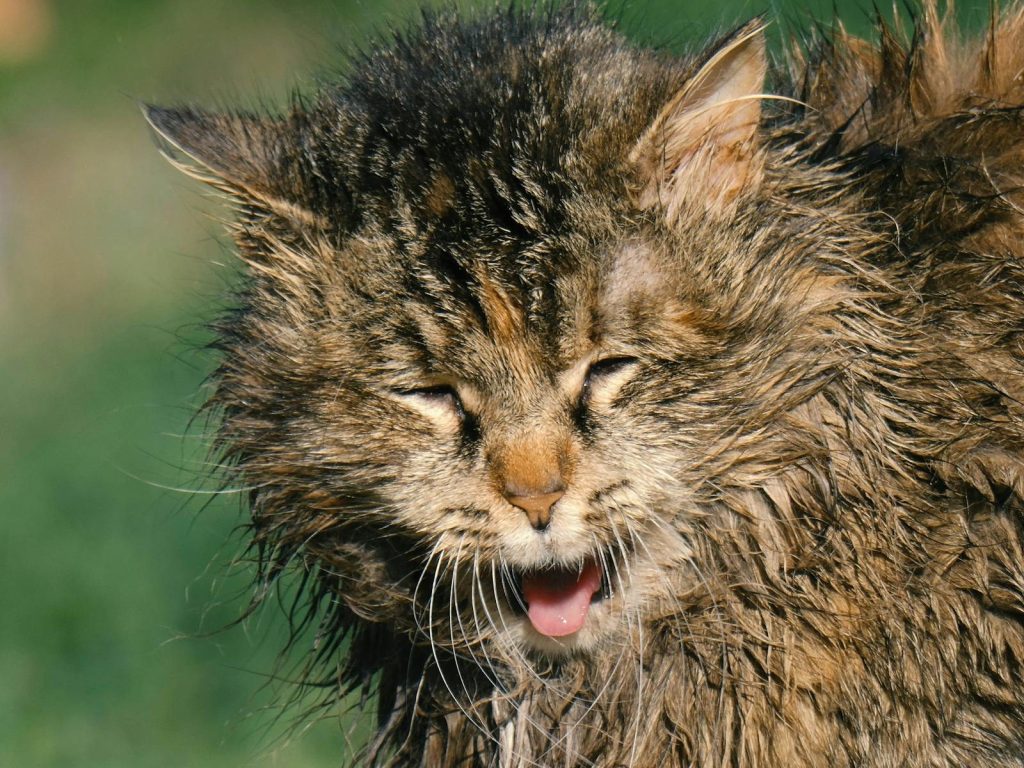
Messy ears are just another wonderful part of sharing your life with a giant feline. Once your cat shakes their head and stretches, their ears will naturally spring back into their regal shape. Enjoying these silly, quiet moments builds a deeper bond with your special pet. This article is for informational purposes only and does not constitute veterinary advice.
Featured Image: Photo by Nadin Thirteen on Unsplash