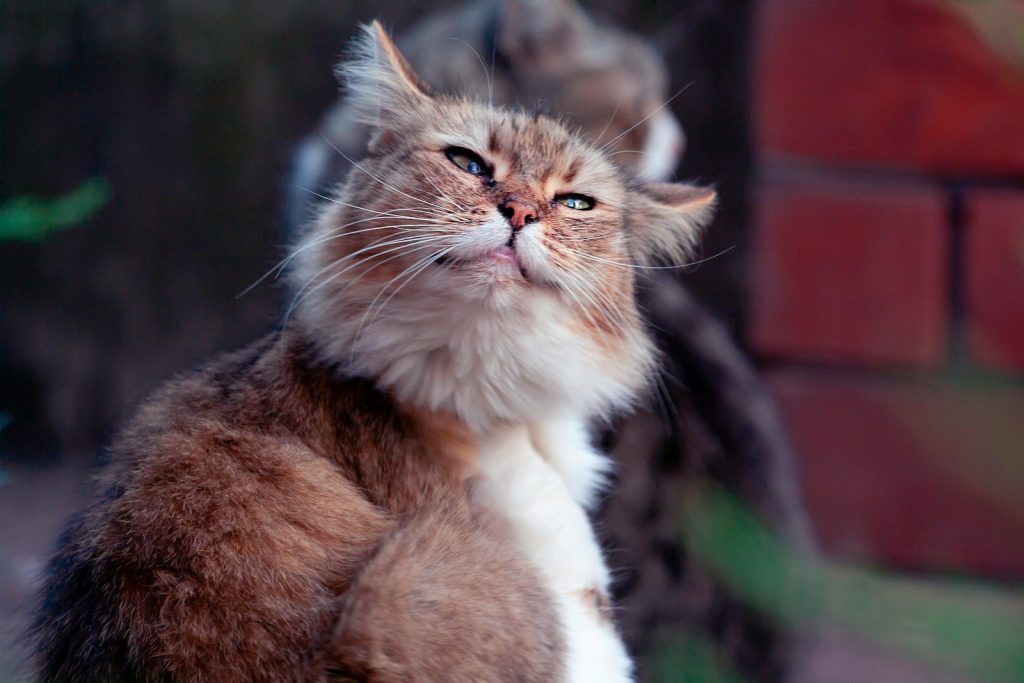

A massive Maine Coon mother sat grooming her fur when her mischievous kitten suddenly bit her tail. The tiny baby was begging for an active play session.
Instead of playing, the mother delivered a quick, silent physical correction that stopped the kitten instantly. This brief family moment reveals how felines teach vital social boundaries.
The evolutionary purpose of motherly discipline
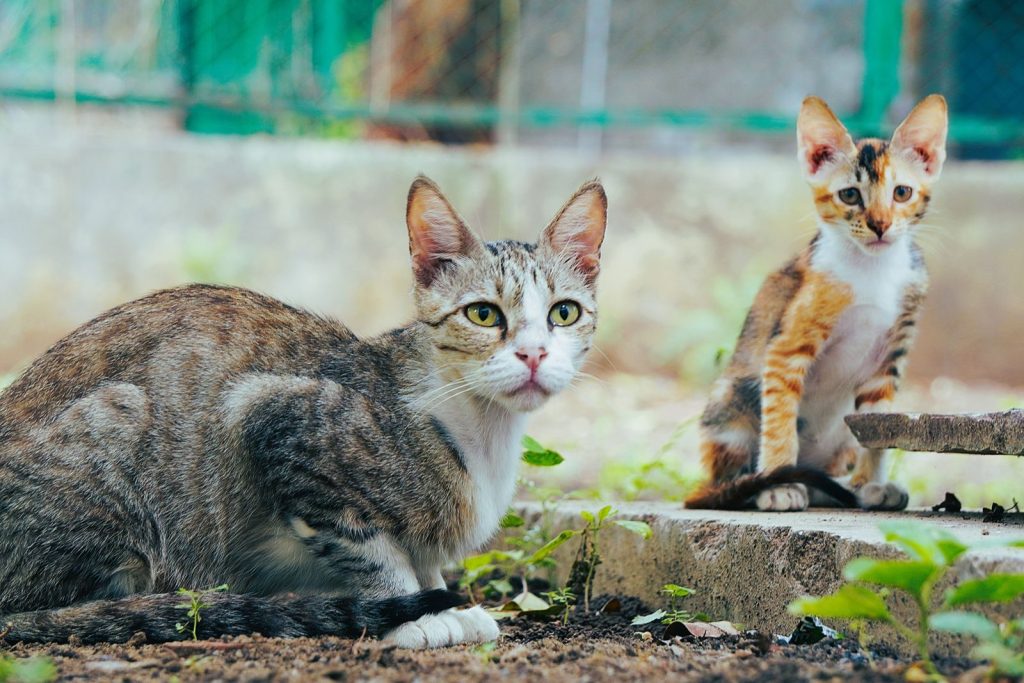
Kittens are born with wild predatory instincts that drive them to bite and scratch everything. However, they must learn to control these sharp tools before they grow into adults. According to feline behavior experts at the ASPCA, mother cats use subtle physical cues to teach personal space. This maternal training is essential for a kitten’s social development. But her specific move was highly calculated.
The power of the gentle neck press

When a kitten gets too rough, the mother will gently pin them to the ground using her paw. This physical hold is not an act of anger or aggression. Instead, it simulates the protective weight of a predator, forcing the baby to submit and calm down immediately. This simple lesson teaches them that boundaries must be respected. Yet, her vocal signals also play a major role.
Using quiet growls to signal limits
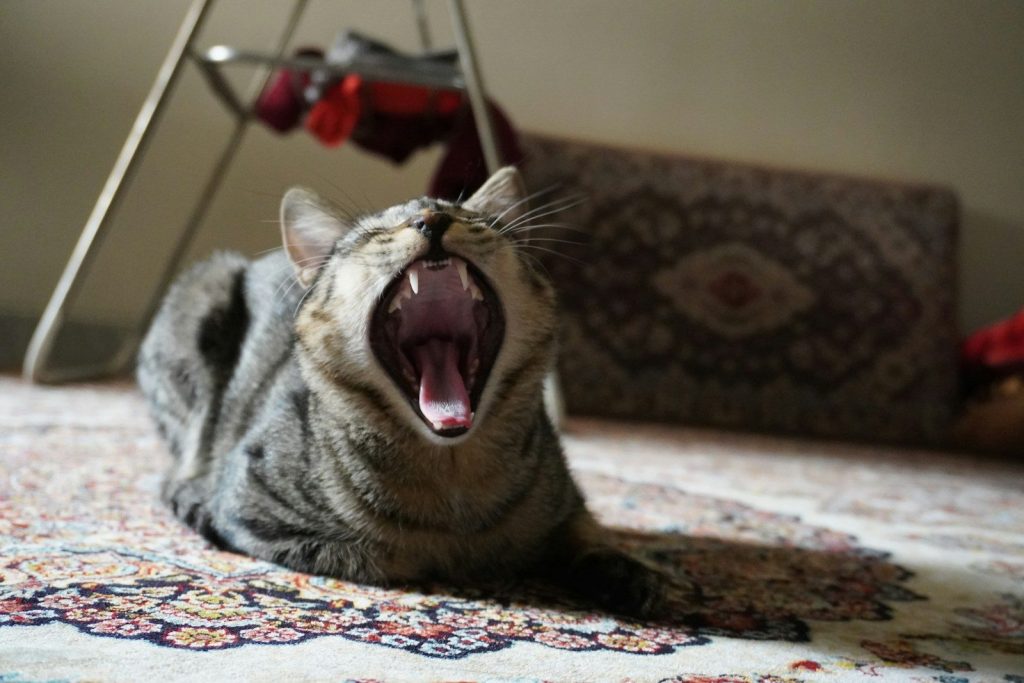
A mother cat does not shout or yowl when teaching her kittens. She uses a very quiet, low-frequency growl that only her babies can hear. This warning sound tells the kitten that they have crossed a line and must stop playing immediately. This auditory boundary is highly effective in their daily routines. Still, their training sessions go beyond simple corrections.
How maternal corrections prevent adult aggression
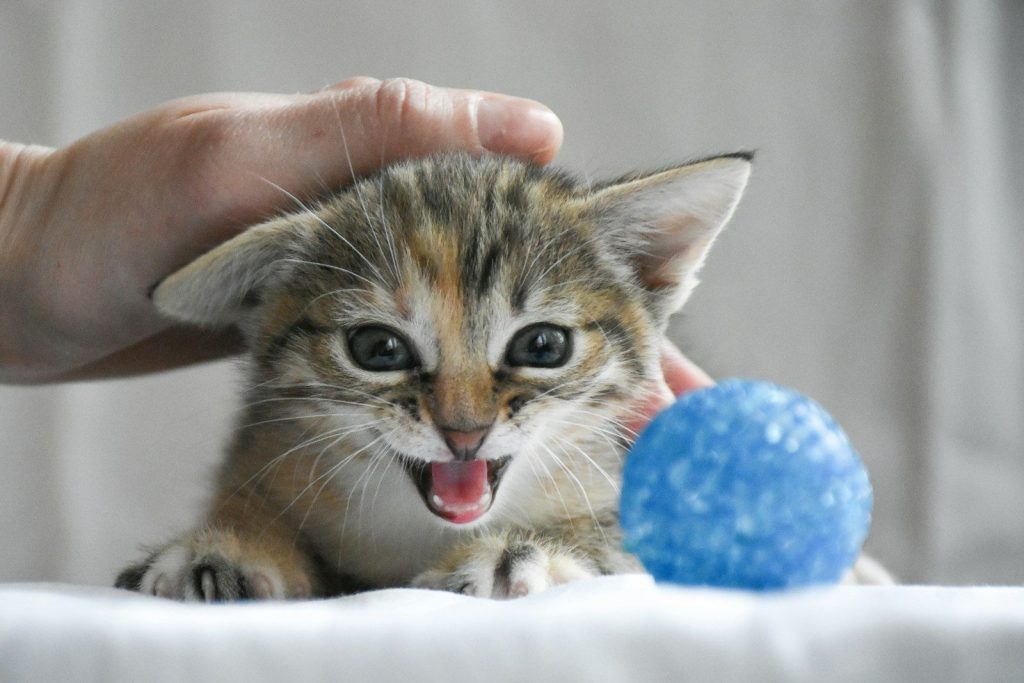
Kittens that miss out on early maternal training often develop behavioral issues as adults. They struggle to regulate their play bites, leading to petting-induced aggression with their human owners. According to research from the Cornell Feline Health Center, early social limits set by mothers prevent future biting habits. This training builds a confident companion. But human owners can learn from this natural process.
Applying feline discipline techniques at home
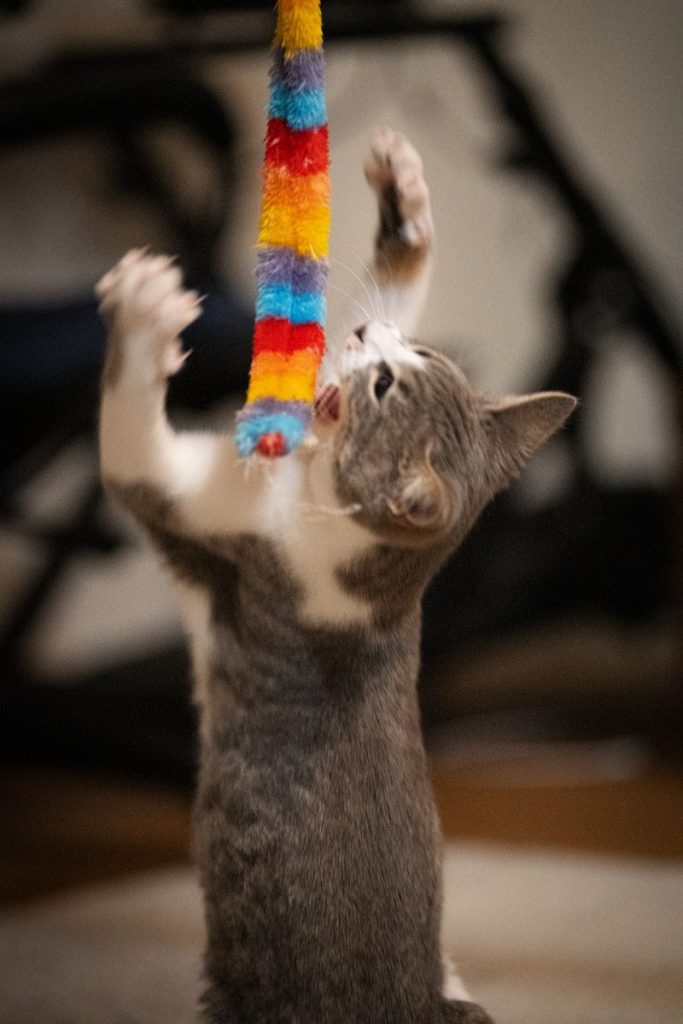
You should never hit or scream at a playful kitten for biting your hands. This negative feedback only teaches them to fear you, which can trigger more defensiveness. Instead, copy the mother cat by using a calm, consistent boundary. Withdraw your attention immediately and offer a sturdy toy to redirect their chewing energy. This simple method builds trust. But consistency is the ultimate secret.
Rewarding positive play habits daily
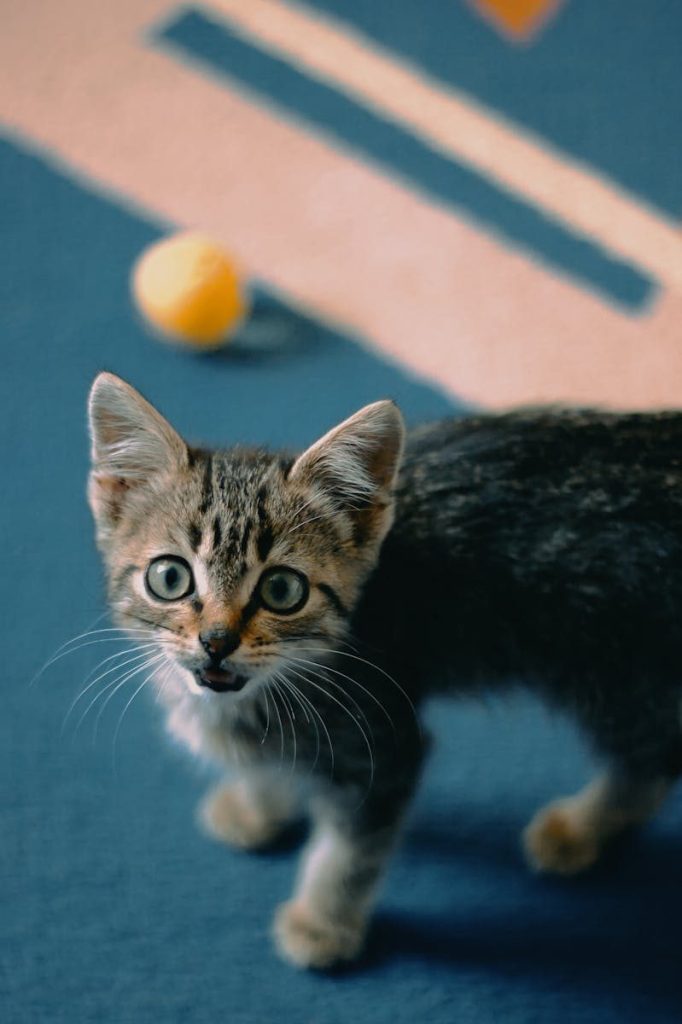
Praising your kitten when they play gently with their toys works wonders. Offer them high-value treats to reinforce correct behaviors and keep their stress levels low. This proactive training helps them understand what is acceptable in your shared home. They will slowly learn to associate calm play with safety and rewards. Soon, you will see a beautiful change in their behavior.
Celebrating a peaceful and balanced home

Understanding feline psychology is the true secret to a happy household. By respecting their natural learning processes and using gentle guidance, you help your kitten grow into a relaxed adult. This patient training creates a stronger bond of trust that lasts for years. Your happy companion will reward your care with endless affection and deep loyalty.
Featured Image: Photo by Tatyana Rubleva on Unsplash