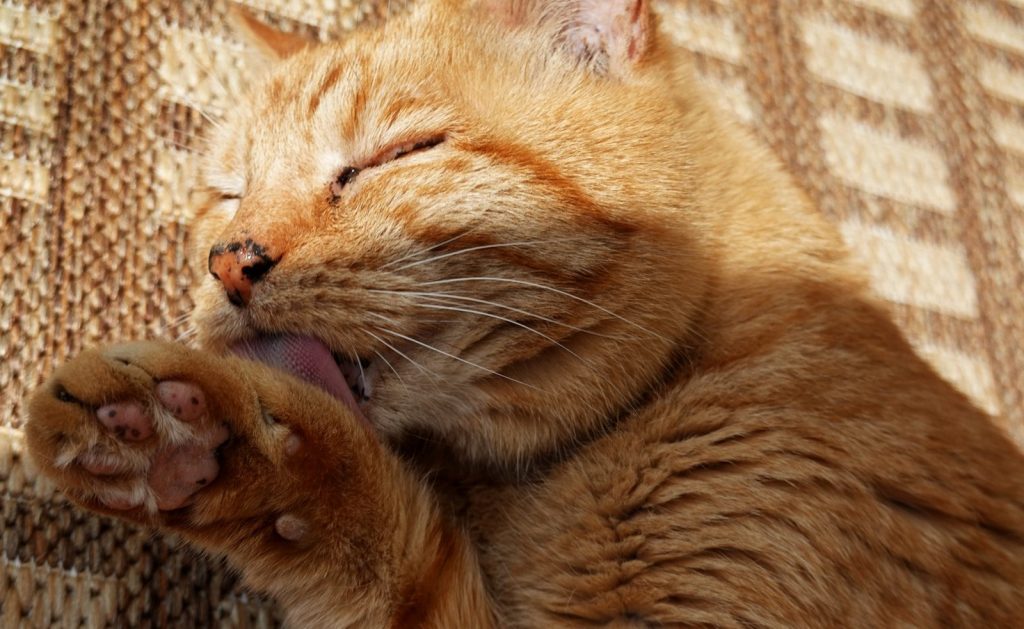

Many people think cats lick their fur just to remove dirt. We assume that grooming is simply a basic physical reaction to being messy.
But veterinary scientists have found that self-cleaning is actually a mental therapy. This simple everyday habit is a key secret to feline happiness.
Brushing With Their Tongue
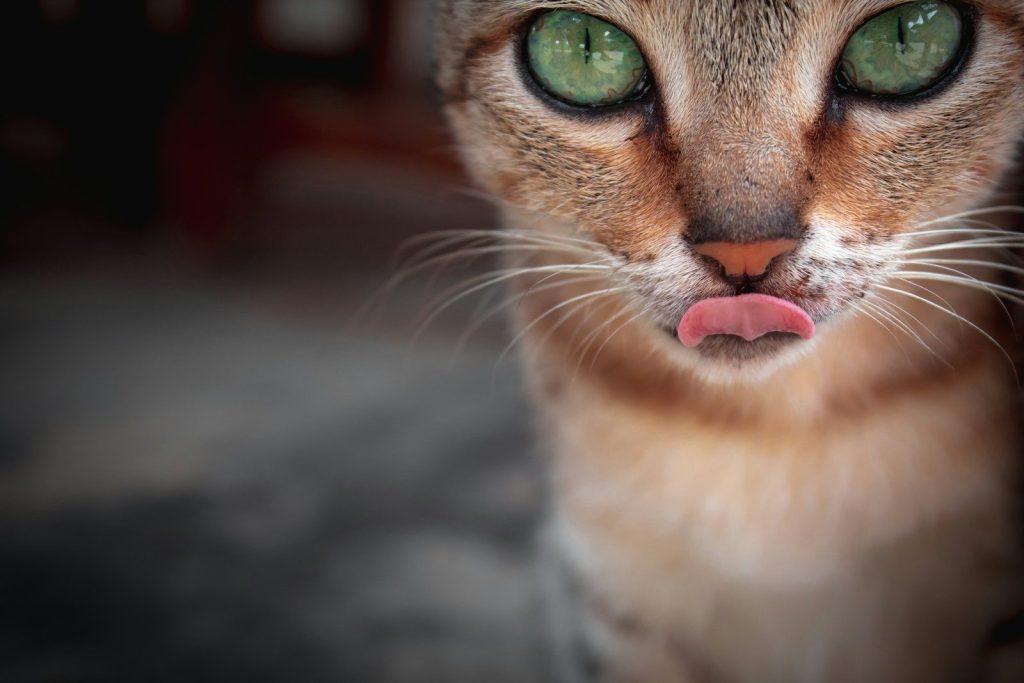
A cat’s tongue is covered in tiny backward-facing hooks called papillae. They are sharp. According to the Cornell Feline Health Center, these structures act like a built-in hairbrush to remove loose fur. This unique design allows them to clean deep down to their skin with ease. But this physical process also triggers a wonderful mental state.
Finding Instant Mental Calm
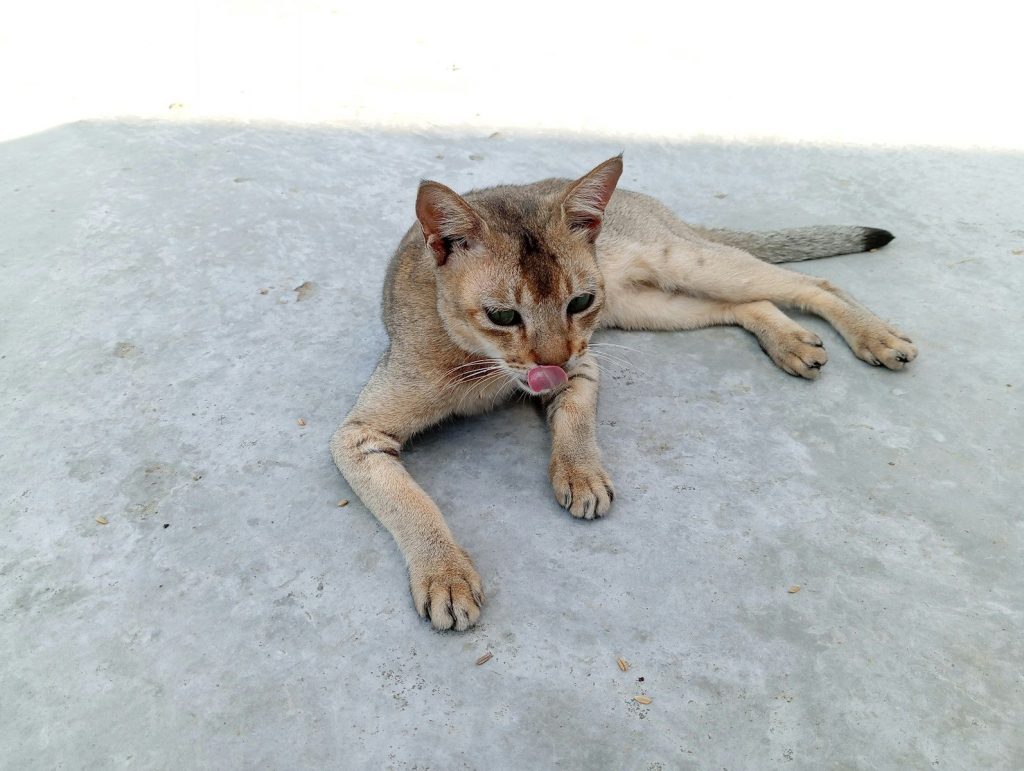
The rhythmic motion of washing triggers a chemical shift in their system. Chemistry is amazing. According to studies from Oregon State University, self-grooming stimulates the release of happy endorphins in a cat’s brain. This biological response helps lower their daily anxiety and brings deep physical comfort. Yet this calming habit serves another surprising goal.
Hiding From Invisible Threats
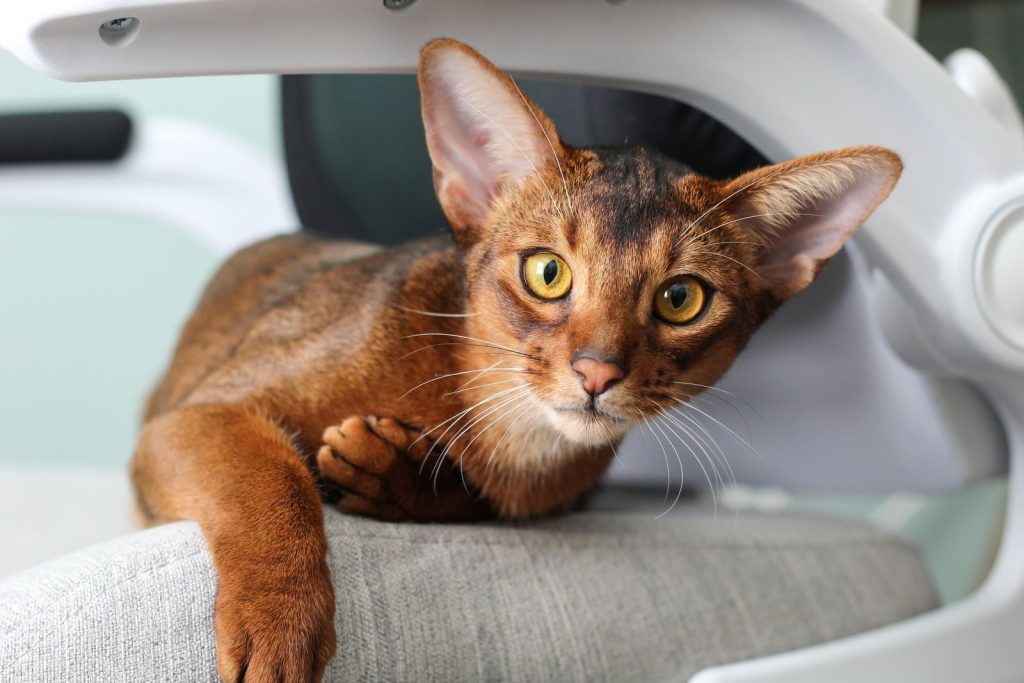
Cats groom themselves after eating to remove all traces of their meal. Safety is key. According to the American Veterinary Medical Association, erasing food odors is an instinctual survival trait to hide from larger predators. By keeping their coat neutral, they feel completely secure in their environment. However, this cleanliness also supports their physical movement.
Staying Loose And Flexible
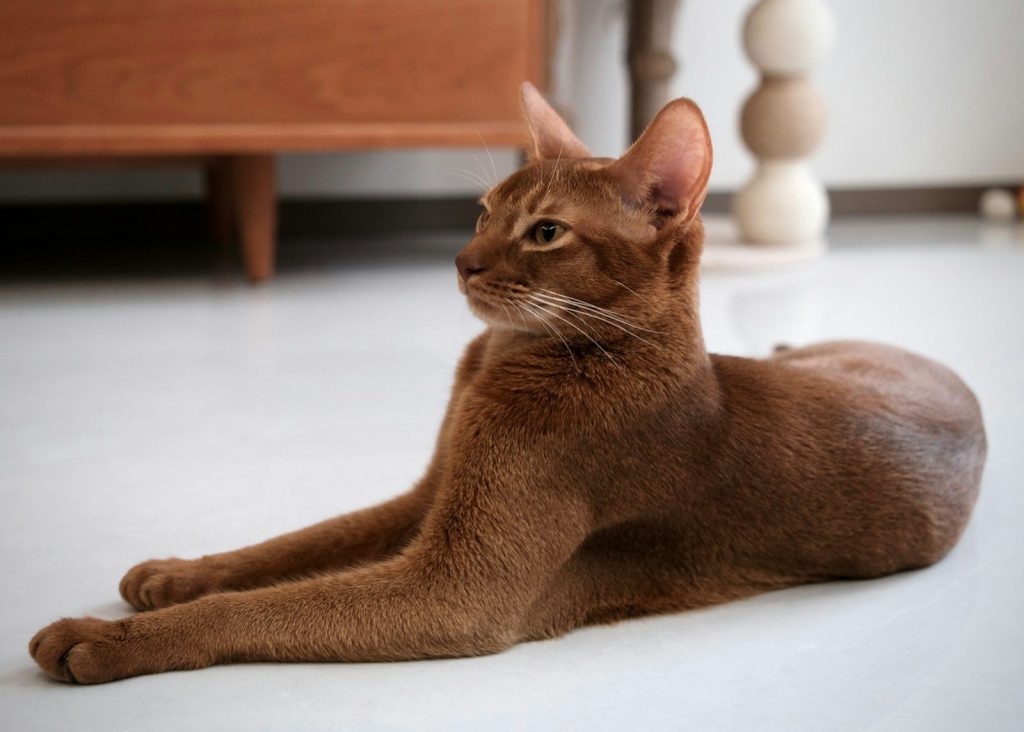
The stretching motions cats make while cleaning act like a natural massage. Muscles stay relaxed. According to the San Diego Humane Society, grooming encourages blood flow to critical muscle groups and keeps joints flexible. It is their way of keeping their bodies ready for sudden leaps and play. But sometimes a grooming session can reveal a hidden problem.
Watching For Skin Soreness
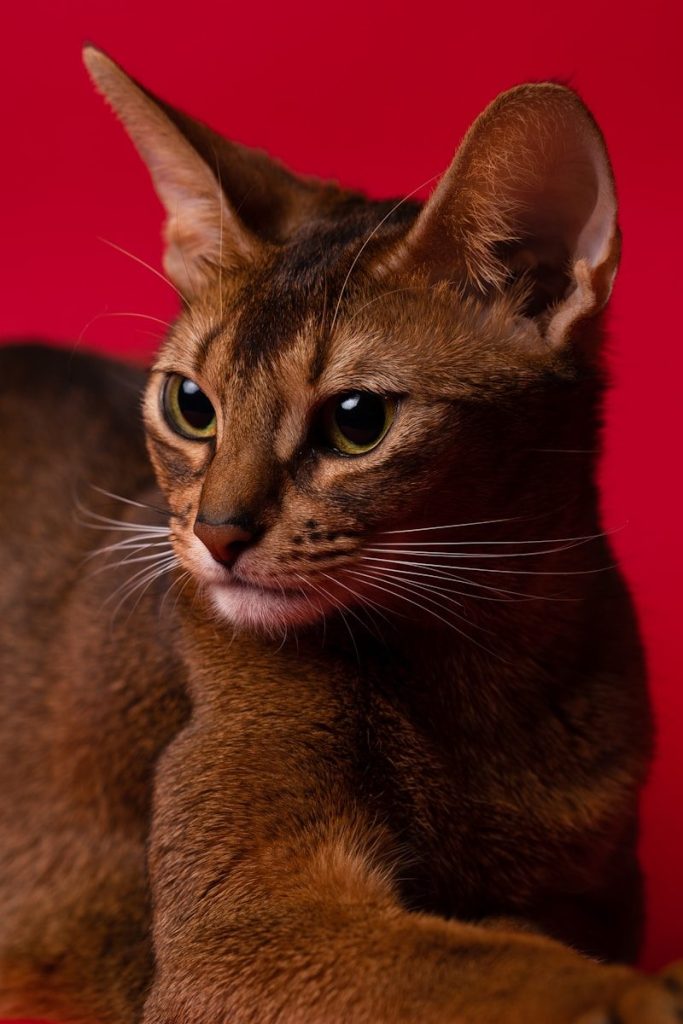
Too much grooming can sometimes point to an underlying medical issue. Balance is critical. According to guidelines from the American Association of Feline Practitioners, over-licking can be a sign of skin allergies or joint pain. Owners should check their pet’s coat for bare patches or red, irritated spots. Fortunately, simple lifestyle steps can help.
Supporting Your Grooming Pet
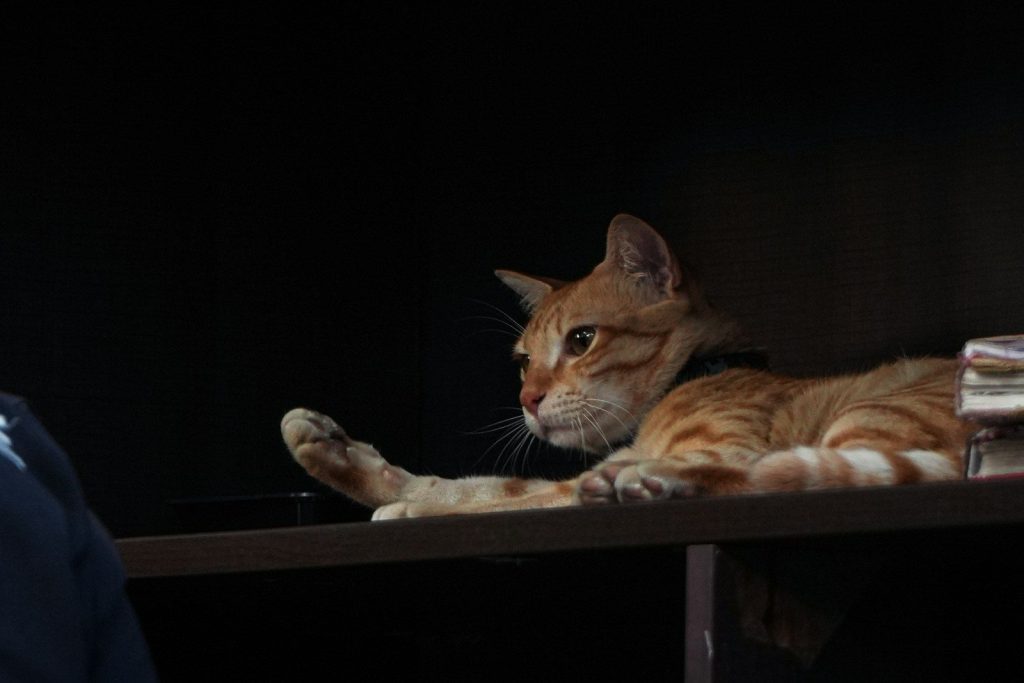
Providing a quiet home environment helps cats groom at their own relaxed pace. Peace is helpful. According to the ASPCA, cats need secure elevated spaces where they can clean themselves without being disturbed. A stress-free zone allows them to enjoy all the natural health benefits of self-care. This easy setup leads to a wonderful outcome.
Loving Your Clean Companion
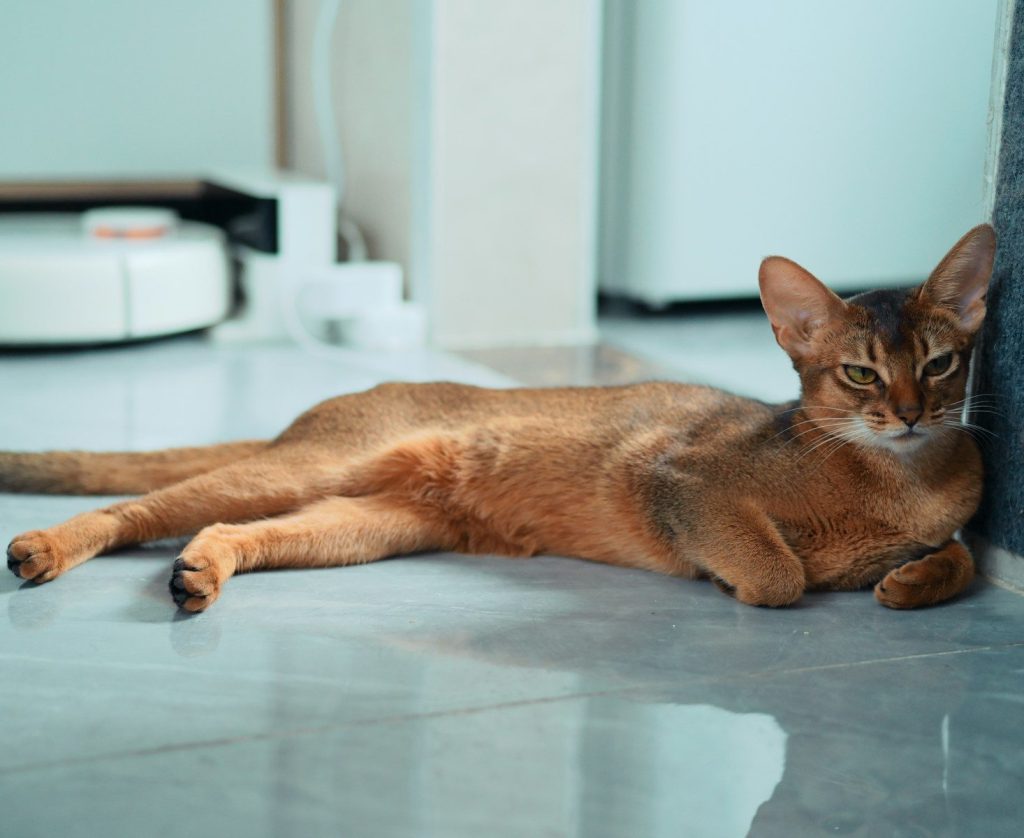
Encouraging healthy grooming habits ensures your favorite companion stays active and happy. It is rewarding. According to the American Veterinary Medical Association, a clean and well-groomed pet enjoys a higher quality of life. Take time to support their daily care. This article is for informational purposes only and does not constitute medical advice.