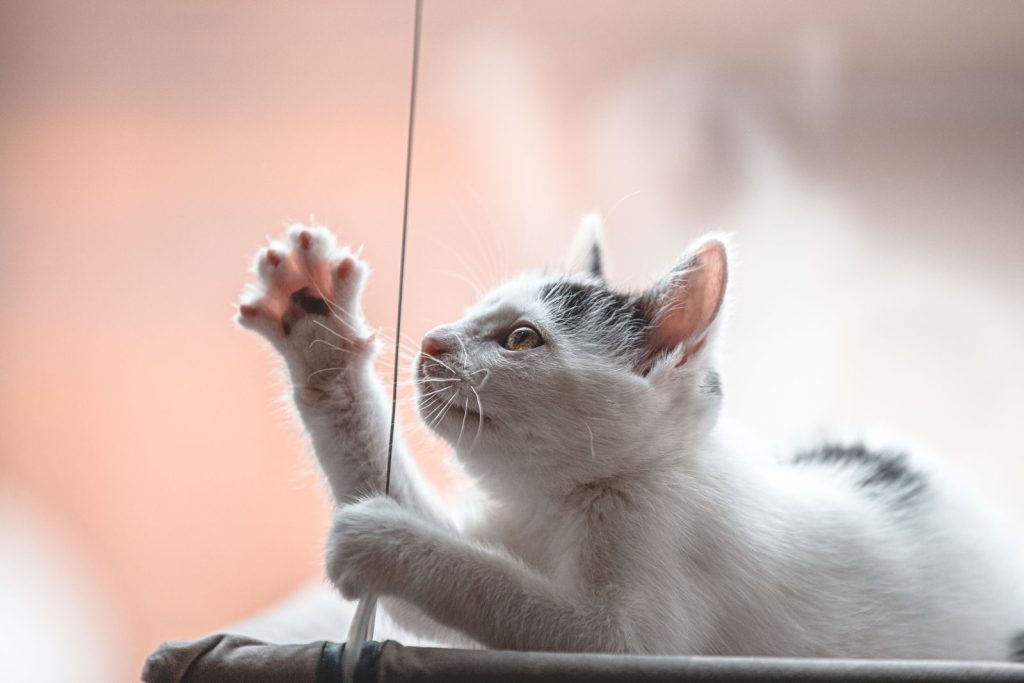

A cat staring at a pen, bottle cap, paper ball, or dangling object may look as though it is carefully deciding what deserves to be attacked. The funny interpretation works because feline play often resembles hunting. Cats and kittens commonly stalk, chase, swat, pounce, bite, and grab objects that move in prey-like ways. They are not necessarily angry with the object or plotting destruction. In many cases, they are responding to motion, texture, novelty, or an opportunity to practice normal predatory movements through play.
Veterinary behavior guidance notes that kittens use many objects as pretend prey, especially items they can move with a paw or grasp in the mouth. Appropriate play is valuable, but not every household object is a safe toy. String, thread, tiny pieces of plastic, sharp items, electrical cords, and objects small enough to swallow can create serious hazards. Owners can make these dramatic “attack tests” safer by offering suitable interactive toys, rotating play options, and keeping hands and feet out of hunting-style games.
Moving Objects Trigger Play

Movement is one of the strongest features that can turn an ordinary object into an exciting target. A toy sliding across the floor, a feather changing direction, or a paper ball rolling away can encourage stalking, chasing, and pouncing.
That sequence resembles parts of predatory behavior, even when the cat is well fed. Play does not mean the cat believes a toy is literally prey. It provides a safe way to perform movements that are deeply rooted in normal feline behavior.
Small Objects Invite Pouncing

Kittens often show strong interest in lightweight objects they can bat, carry, or chase. The ability to make something move with a paw gives immediate feedback, which can keep the game going as the object changes direction unpredictably.
Size still matters for safety. An item that is easy to swat may also be easy to swallow. Coins, elastic bands, small plastic pieces, and similar objects should not become casual toys. Choose items designed for feline play instead. Safety matters more than how entertaining the object looks.
Novelty Keeps Play Interesting

A cat may ignore one toy and become fascinated by another simply because the second object moves, smells, sounds, or feels different. Novelty can renew interest, especially when the cat has already spent time chasing the same toy.
Rotating a small selection of safe toys can be more effective than leaving every toy on the floor constantly. Interactive sessions can also change speed and direction, making play less predictable while still remaining controlled and safe. This keeps familiar play sessions feeling fresh.
Hands Should Not Be Targets

Allowing a kitten to wrestle with fingers may seem harmless when the animal is tiny, but the same behavior becomes painful as claws, teeth, strength, and confidence develop. Hands should not function as substitute prey during routine play.
Use wand toys or other objects that create distance between the cat and human skin. If the cat targets hands or ankles, redirect the activity rather than encouraging rough contact. Consistent rules make appropriate play easier to understand. Everyone in the household should follow the same rule.
Safe Toys Matter

Some objects are entertaining but unsafe without supervision. String, yarn, ribbon, thread, and toys with detachable pieces can be swallowed, while sharp or brittle objects may injure the mouth or digestive tract if chewed apart.
Inspect toys regularly for damage and remove loose components. Interactive string-style toys should be put away after play rather than left accessible. A safe toy should support chasing, batting, or grabbing without creating an obvious ingestion or entanglement risk. Supervision is especially important with toys that unravel.
Hunting Play Needs Variety

Cats may stop chasing one object after several minutes even though they still have energy for play. Switching to a toy with a different movement pattern can restore interest because the new target creates a fresh challenge.
Try combining ground-level chasing with occasional jumping or stalking opportunities that fit the cat’s age and mobility. Variety can make interactive play more engaging, but avoid exhausting the cat or encouraging dangerously high leaps on slippery surfaces. Let the cat rest whenever it chooses.
Boredom Can Increase Rough Play
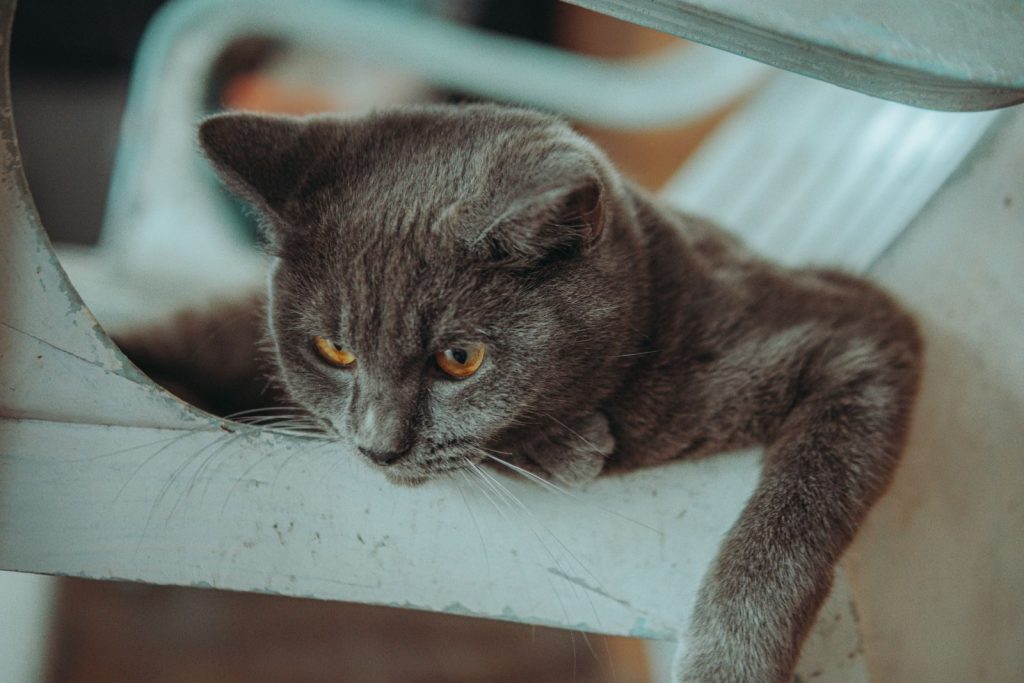
Cats with few appropriate outlets for activity may direct more stalking, chasing, or pouncing toward people or household objects. Young cats can be especially energetic, and under-stimulation can contribute to play that becomes inconvenient or painful.
Regular interactive sessions, climbing spaces, food puzzles, scratching surfaces, and safe independent toys can broaden the cat’s daily activities. Enrichment does not eliminate every surprise pounce, but it gives normal feline behavior more appropriate places to go. Daily routines can make those outlets easier to provide.
Sudden Aggression Needs Attention

Not every swat, bite, or intense stare is playful. Fear, pain, territorial conflict, redirected arousal, and medical problems can also produce aggressive behavior. The rest of the cat’s posture and the situation around the event matter.
If aggression appears suddenly, causes injuries, becomes difficult to predict, or occurs alongside health changes, seek veterinary guidance. Punishment can increase fear and does not identify the cause. A proper assessment helps distinguish rough play from a larger problem. Early guidance can prevent the problem from escalating.
Featured Image: Photo by Anna Hinckel on Pexels

