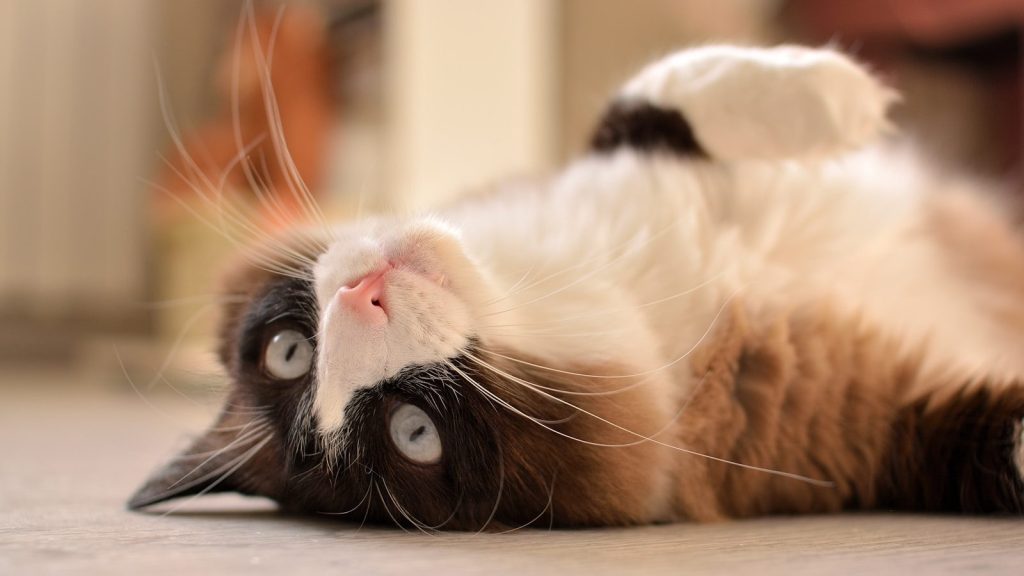

Most people think that catnip is just a fun herb that makes cats behave in silly ways. We assume our pets are simply enjoying a harmless high.
But incredible scientific research reveals a far more serious purpose behind this behavior. This common plant actually activates a ten-million-year-old defense.
Unveiling The Active Chemical
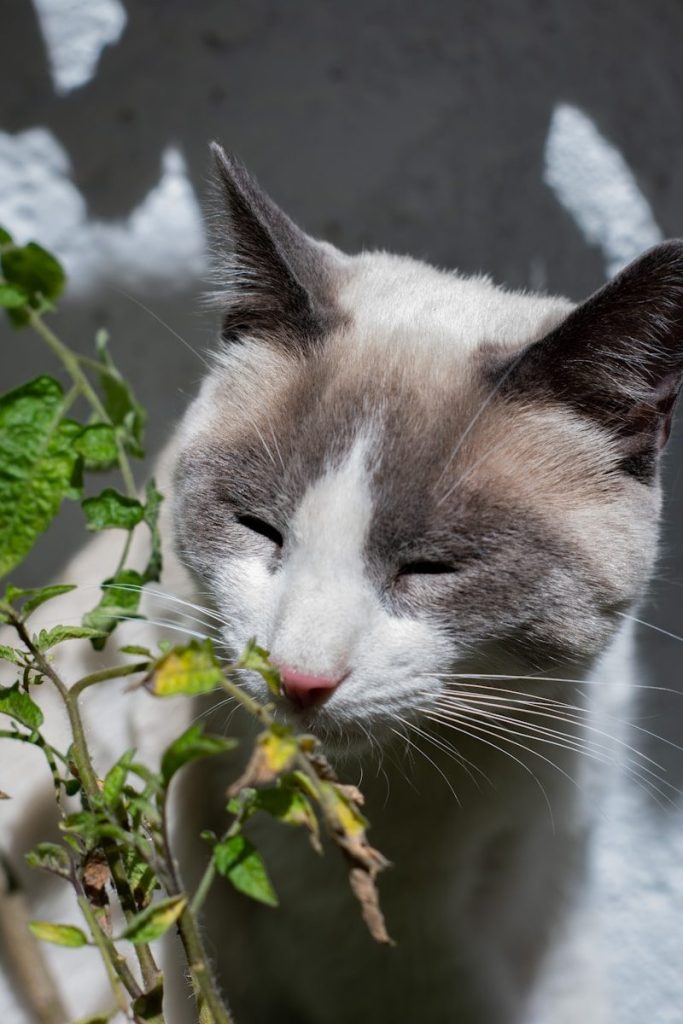
A special compound inside catnip leaves is responsible for the dramatic reaction. Nepetalactone is powerful. According to studies from the University of California, this natural chemical binds directly to a cat’s nasal receptors. It triggers a sudden burst of energy and playful rolling on the floor. But the evolutionary reason for this reaction is truly surprising.
Fighting Off Hungry Pests
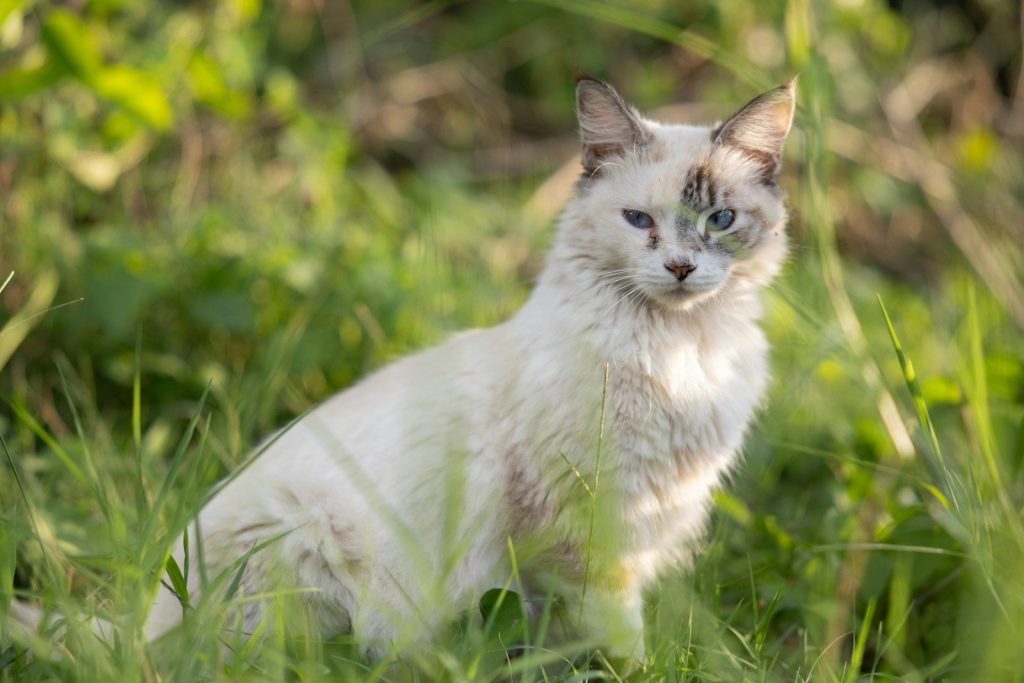
Wild felines in ancient times had to deal with dangerous biting insects. Protection was vital. According to reports from the American Chemical Society, the chemical in catnip acts as an incredibly potent natural bug repellent. Rubbing against the plant coats their fur in a shield against mosquitoes and ticks. However, this ancient shield was not the only benefit.
Tracing Feline Lineage Secrets
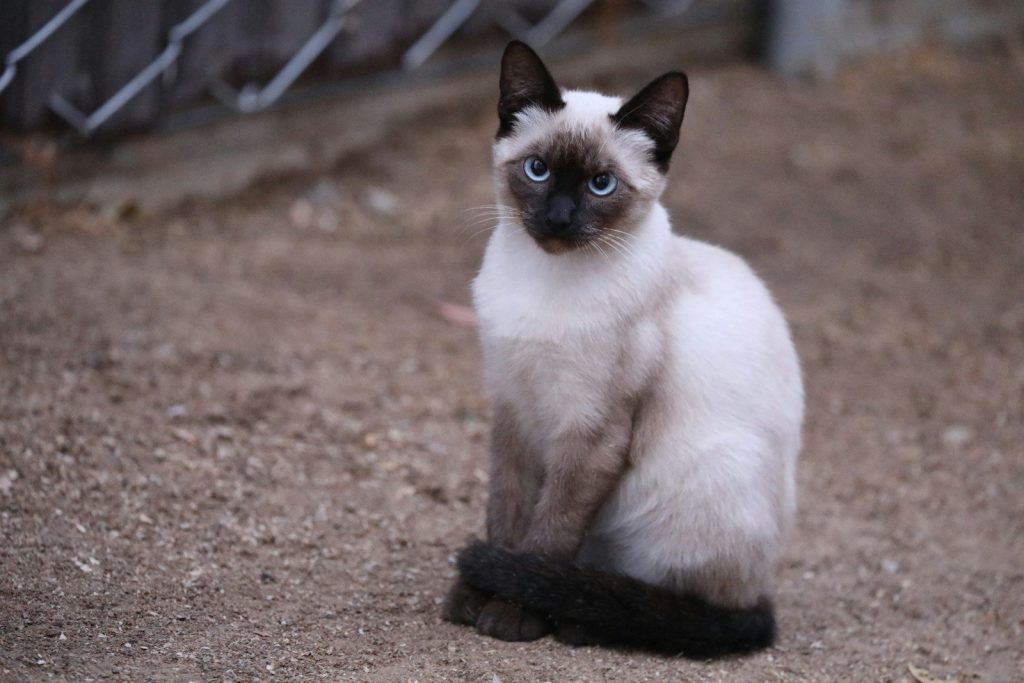
The reaction to catnip is hardwired deep inside feline genetics. DNA holds secrets. According to evolutionary studies from the Smithsonian Institution, this specific genetic trait has been preserved for over ten million years across many wild cat species. Lions and leopards show the exact same reaction to the plant. Yet some domestic felines seem completely immune.
Unlocking The Genetic Puzzle
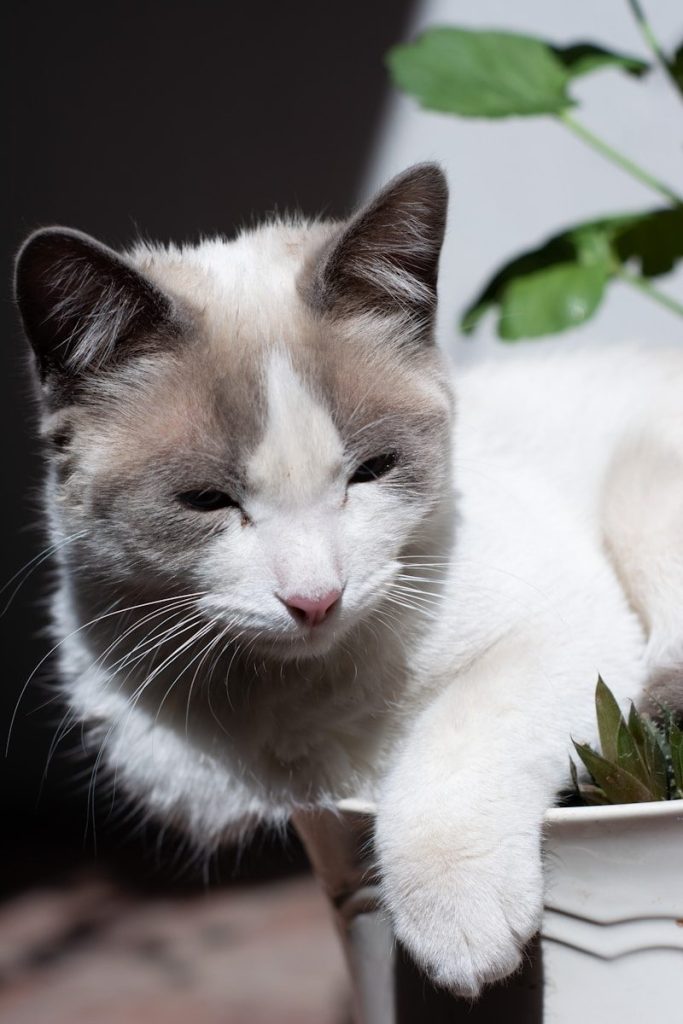
You might notice that your own sweet house cat does not care about catnip toys. Genetics determine everything. According to the Cornell Feline Health Center, roughly one-third of all domestic cats do not possess the gene required to react to the herb. Kittens also do not show any response until they grow older. But there is a great alternative for these pets.
Discovering Silver Vine Magic
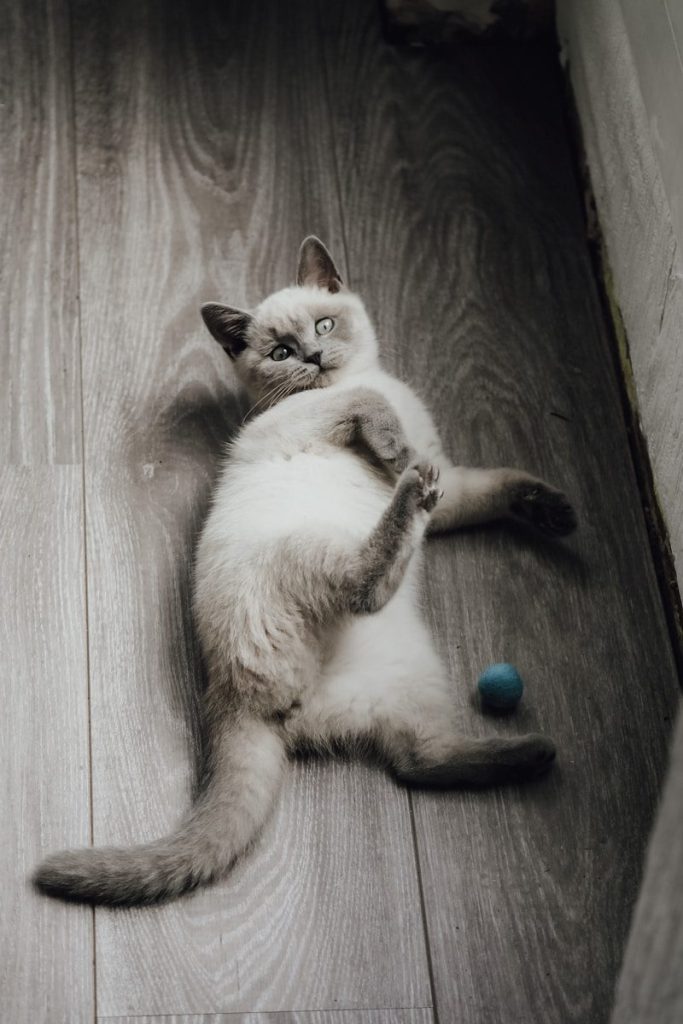
For cats that ignore standard catnip, another natural plant offers a similar joyful experience. Silver vine works. According to studies from the University of Illinois, this safe Asian plant contains compounds that trigger the same ancient pathways. It often works on cats that show zero interest in traditional catnip. But how do we use these herbs safely?
Keeping Play Sessions Safe
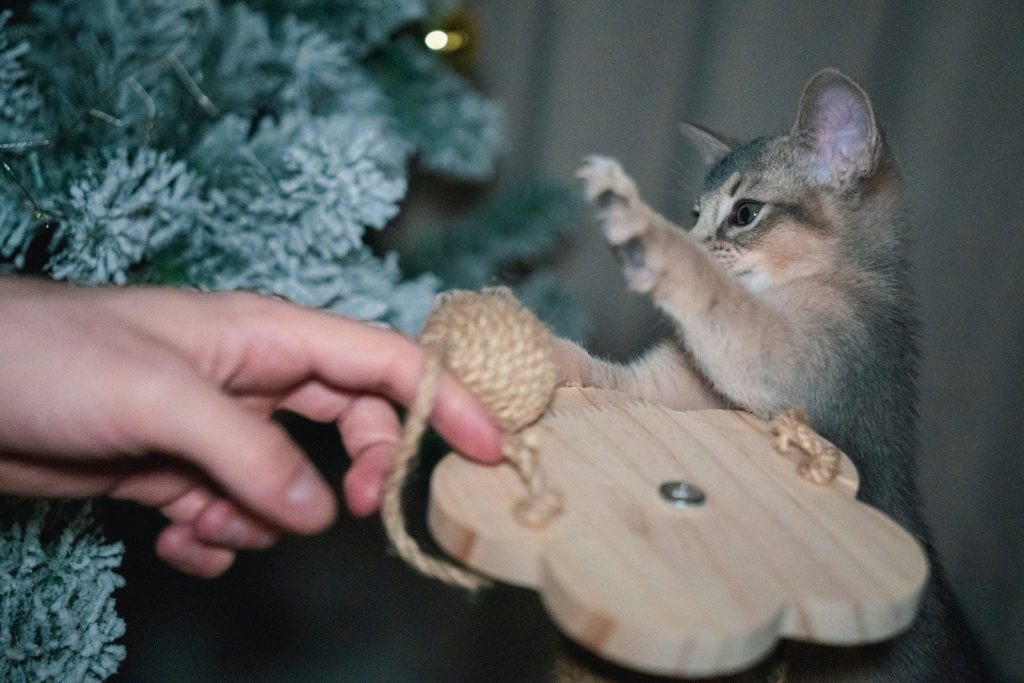
Offering these herbs to your pet should always be done with some gentle care. Moderation is smart. According to reports from the ASPCA, cats cannot overdose on catnip, but eating too much can cause a mild upset stomach. Offering small amounts once or twice a week is the perfect balance. This schedule keeps the experience fresh. Fortunately, the benefits extend beyond simple entertainment.
Reducing Daily House Stress
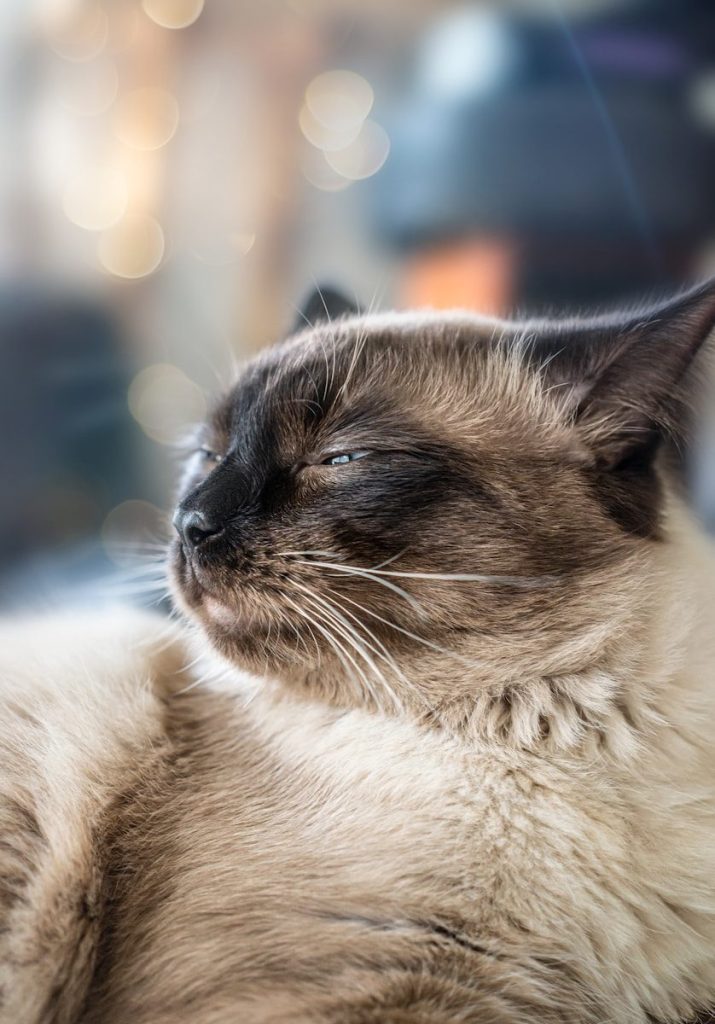
Using catnip can be a wonderful tool for helping nervous pets relax. Peace is essential. According to guidelines from the American Association of Feline Practitioners, the temporary burst of play is followed by a deep period of calm relaxation. It is a great way to ease anxiety during stressful home transitions. But the history of this plant remains its most fascinating tale.
Honoring Ancient Feline Heritage
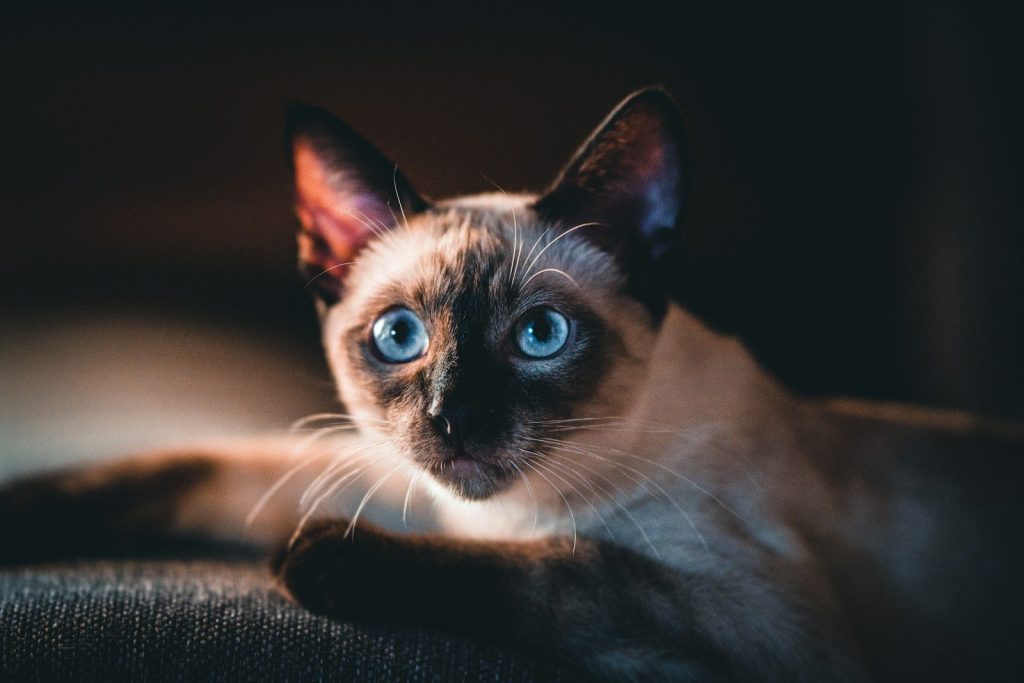
The next time your kitty rolls in catnip, remember you are watching ancient history in action. They are survivors. According to the Cornell Feline Health Center, this fun habit is actually a beautiful link to their wild ancestors. Cherish these quirky wild traits in your little living room hunter. This article is for informational purposes only.
Featured Image: Photo by Evgeniya Shustikova on Unsplash