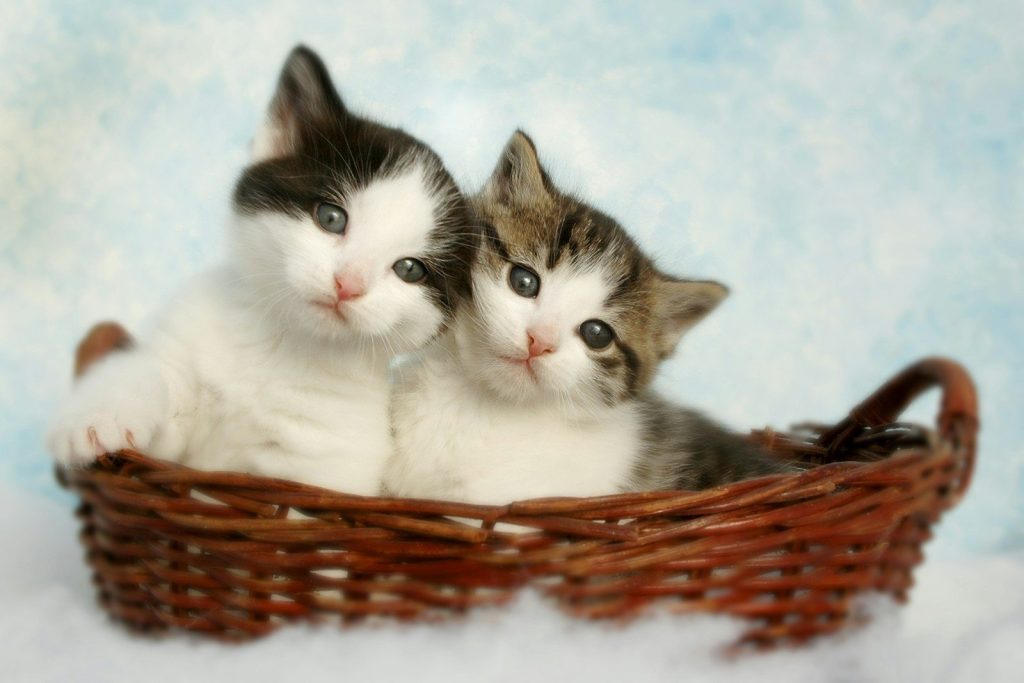

We expect animal litters to look almost identical, sharing the same fur colors and patterns. It seems logical.
But many cat owners are shocked to see a black cat, a ginger cat, and a calico born in the same litter. How does nature produce such massive genetic differences?
The Mystery of Mixed Litters
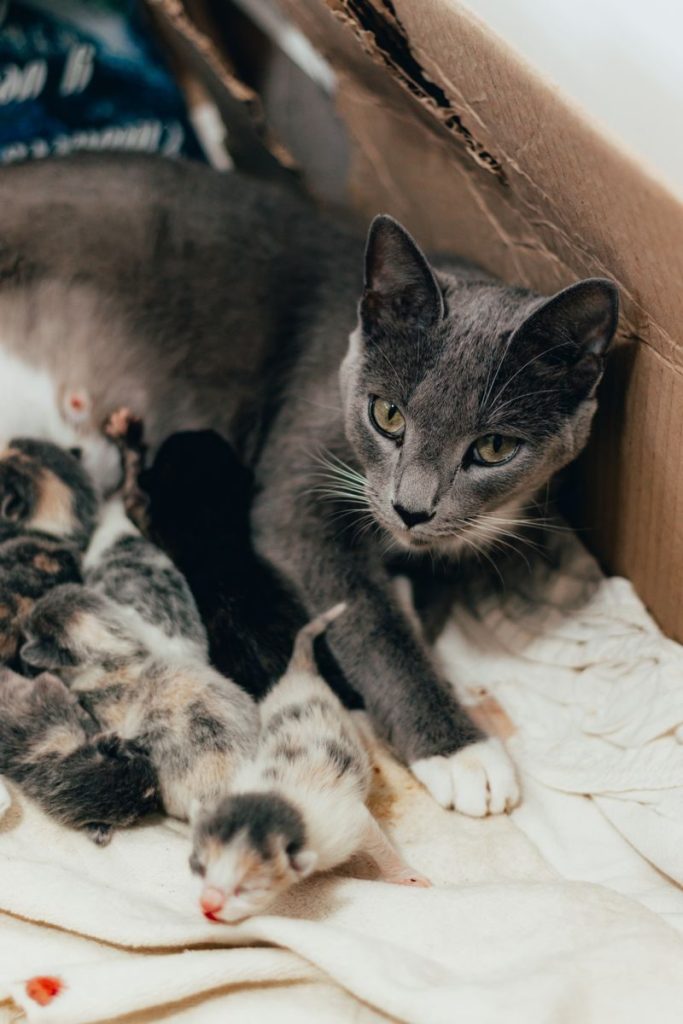
Walking into a shelter, you might see a mother cat surrounded by incredibly diverse kittens. Some have long hair, while others are completely sleek. This striking visual difference often leaves pet owners highly confused. They wonder if a mistake occurred during birth. But genetic science has a very simple and surprising explanation for this feline phenomenon.
Superfecundation Is The Secret
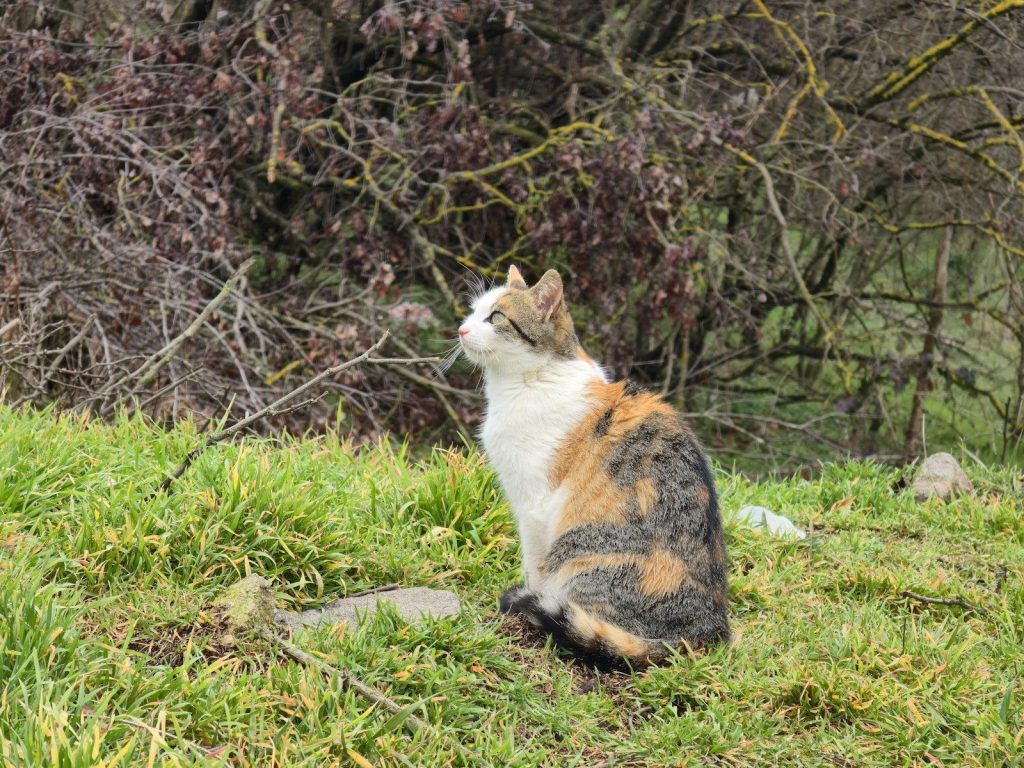
Felines can actually have kittens from multiple different fathers in a single litter. This process is called superfecundation. According to the American Veterinary Medical Association, a female cat in heat releases several eggs over multiple days. If she mates with different males during this period, different fathers will fertilize different eggs. This multiple mating creates a highly diverse family dynamic.
How Feline Genetics Work
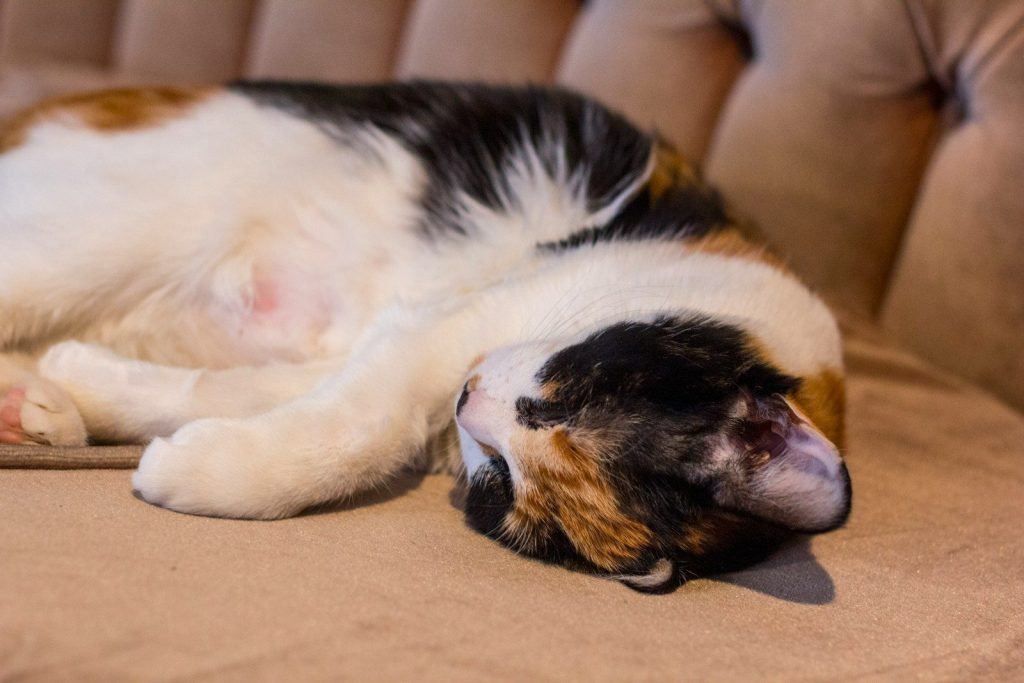
Even if there is only one father, feline genetics are incredibly complex and unpredictable. Fur color genes sit on specific chromosomes. For example, female cats carry the orange coat gene on their X chromosomes. This genetic rule explains why calico cats are almost always female. The complex interaction of dominant and recessive genes creates endless combinations.
The Power of Recessive Genes
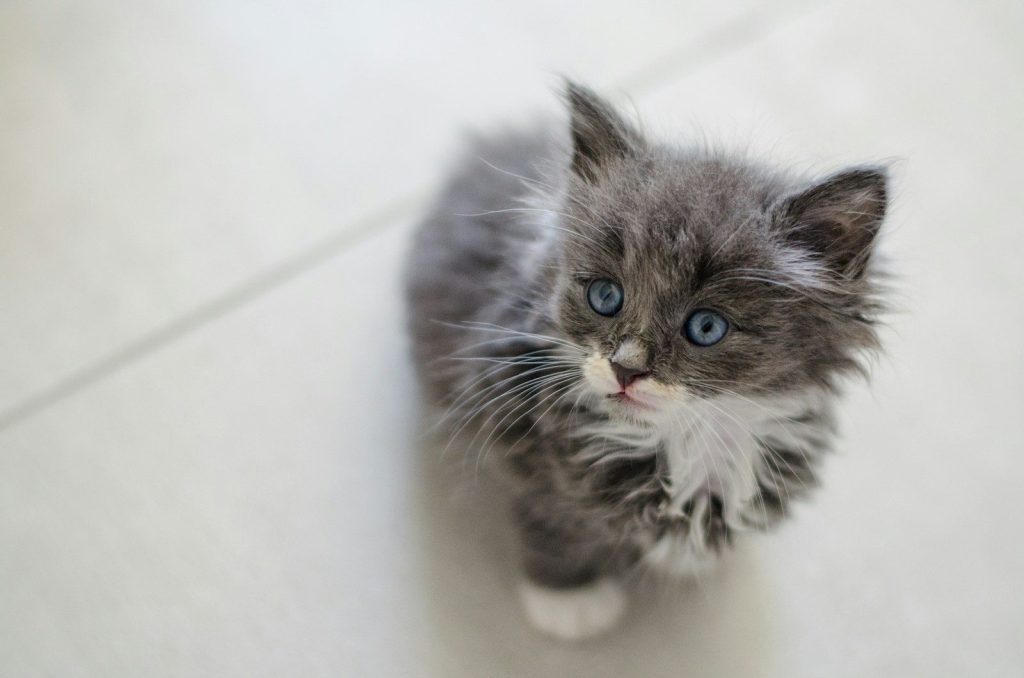
Two sleek black cats can actually produce a fluffy grey kitten if both parents carry a recessive longhair gene. It is a genetic surprise. These hidden traits can skip several generations before suddenly appearing in a newborn baby. This hidden inheritance is why family lines can look so incredibly varied. But fur length is only the beginning of these physical differences.
Distinct Personalities In Litters
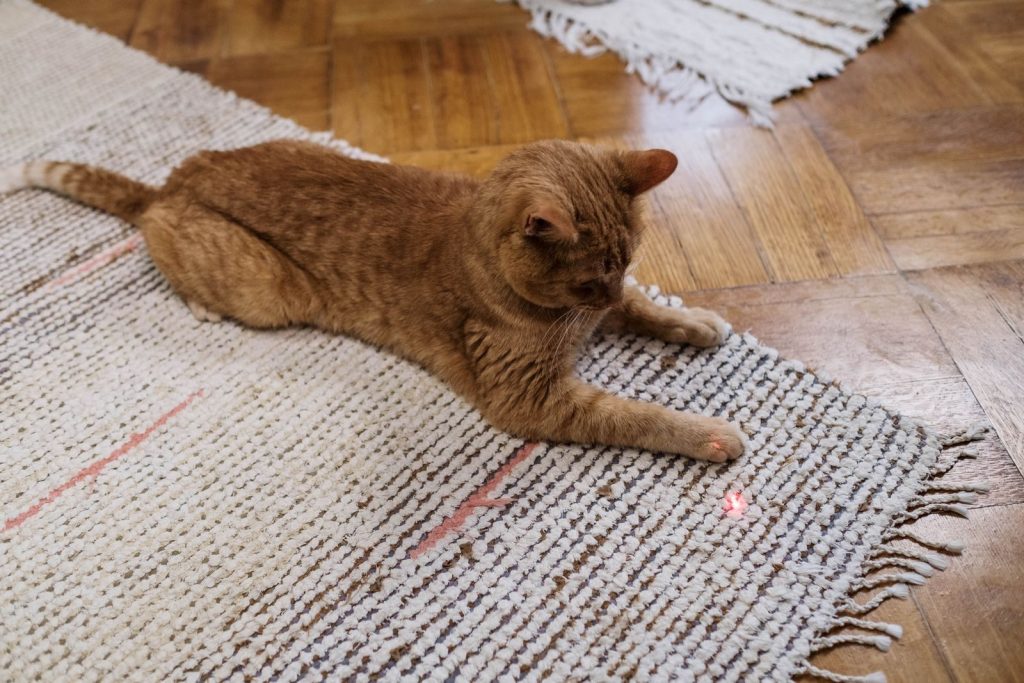
Physical looks are not the only things that vary wildly among feline siblings. Their temperaments can look completely different, too. One kitten might behave in an incredibly brave and vocal way, while their brother remains quiet and shy. According to animal behaviorists, genetics and early nest experiences shape these early personality traits. This unique mix makes each pet completely special.
Why This Diversity Is Healthy
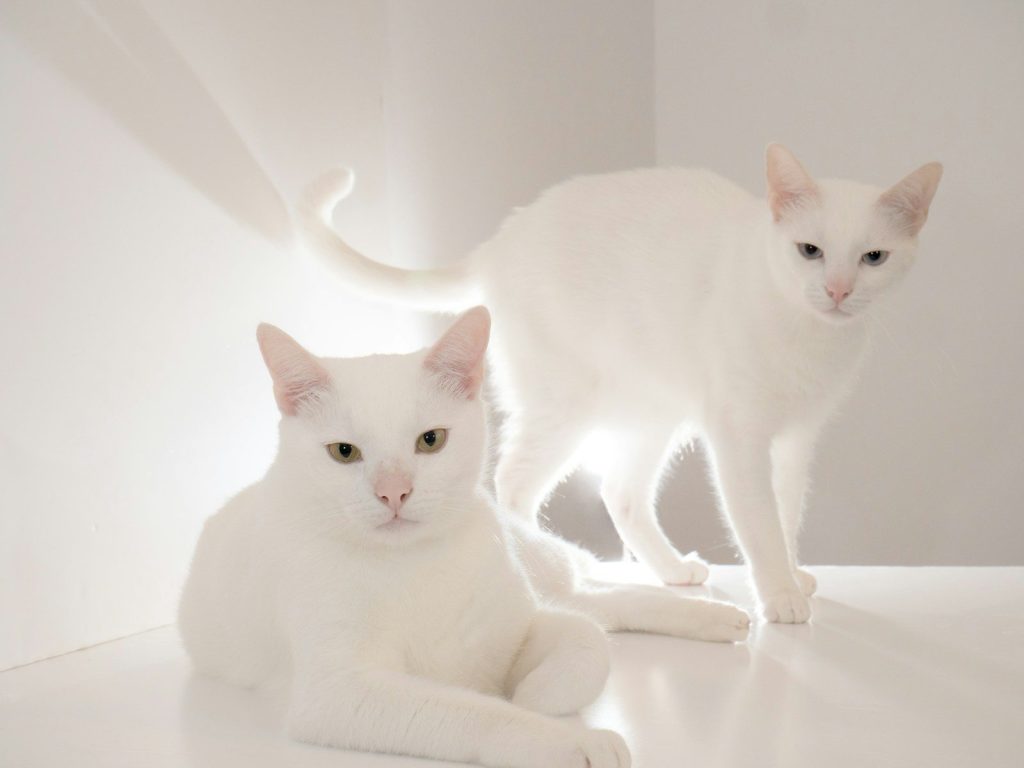
Genetic variation is a powerful tool that helps animal species survive in changing environments. It is beneficial. If every cat looked and acted exactly the same, a single disease could easily wipe out an entire population. This diverse gene pool ensures that felines remain resilient against various environmental threats. But this variation also affects their adult health needs.
Different Health Needs Today
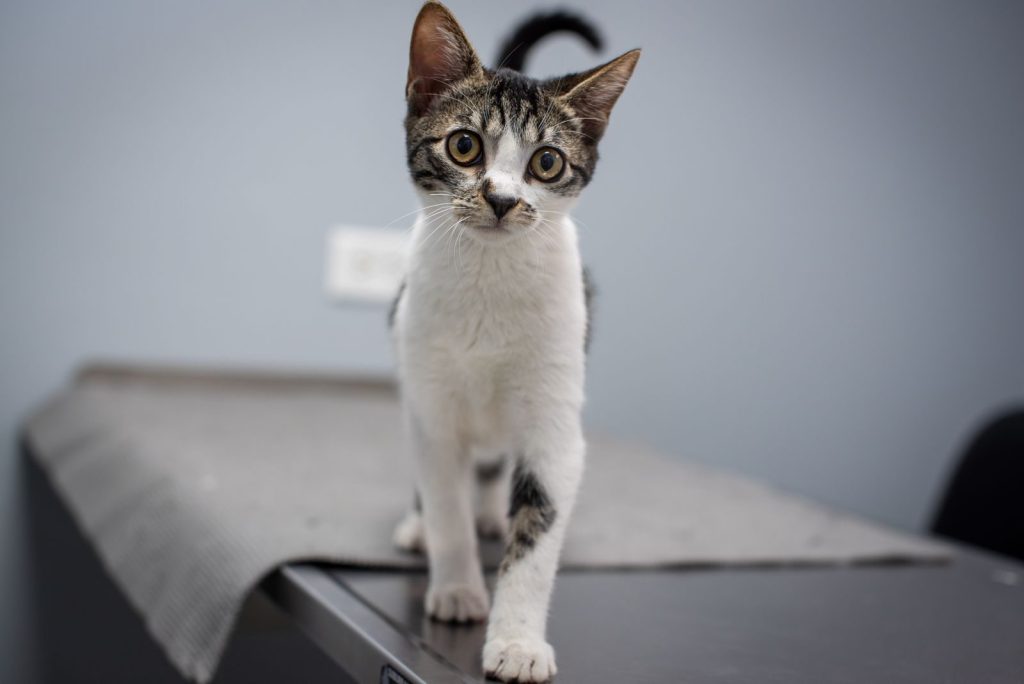
Because they are genetically unique, siblings can have completely different nutritional and medical requirements. One brother might develop food allergies while the other can eat anything. According to the Cornell Feline Health Center, personalized veterinary care remains critical even for related pets. Always monitor each companion’s growth individually. There is one final step to ensure your multi-cat home stays happy.
Celebrating Their Unique Traits
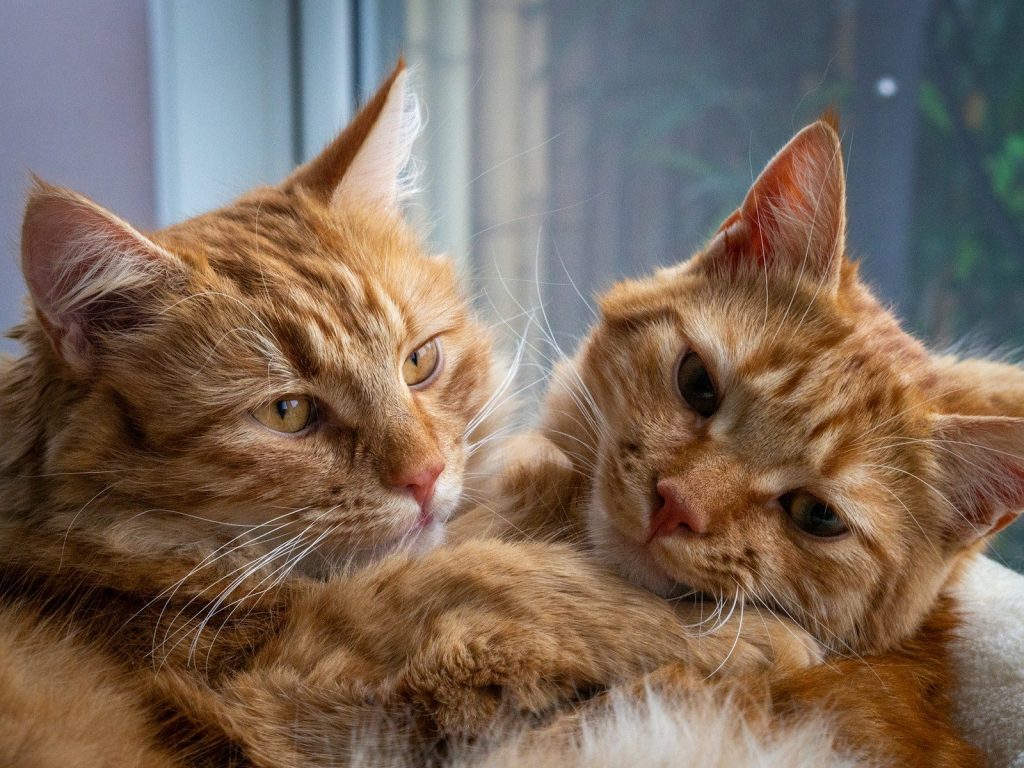
Embrace the beautiful differences that make each of your companion animals unique. They are special. Providing individualized love and care ensures that every feline in your household thrives. Your home will remain a peaceful haven of shared joy and diverse companionship.
Featured Image: Photo by Amy Baugess on Unsplash