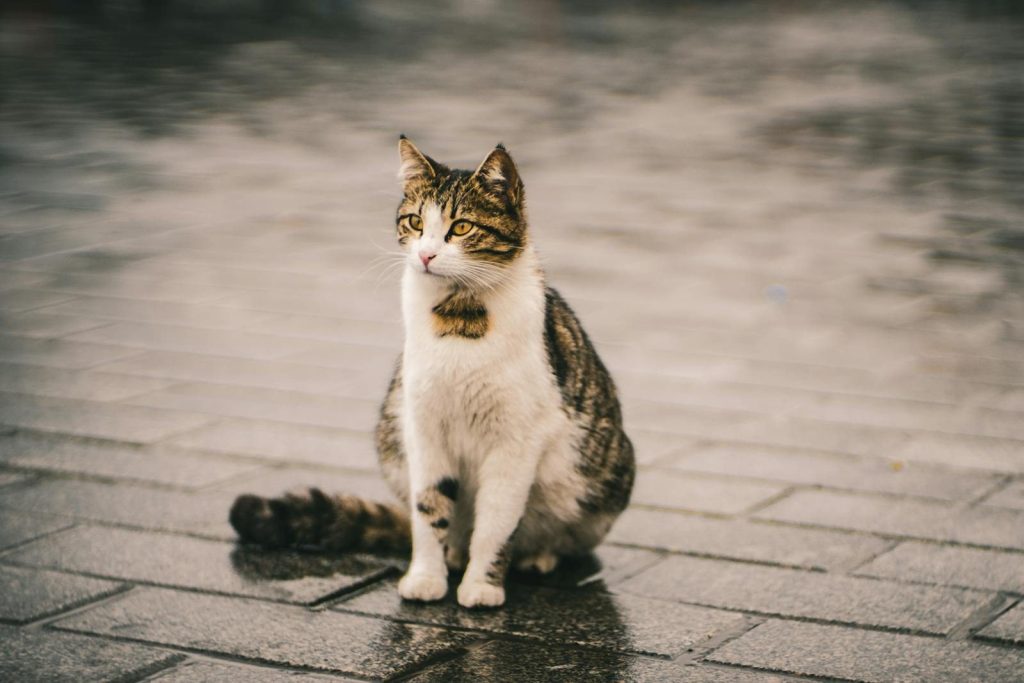

You open your front door on a rainy evening and hear a loud hiss. A wet, aggressive stray cat glares at you from the welcome mat.
Most people would step back inside immediately. But when a local woman looked closer, she noticed a desperate cry for help behind the anger.
The subtle defense mechanism of street animals
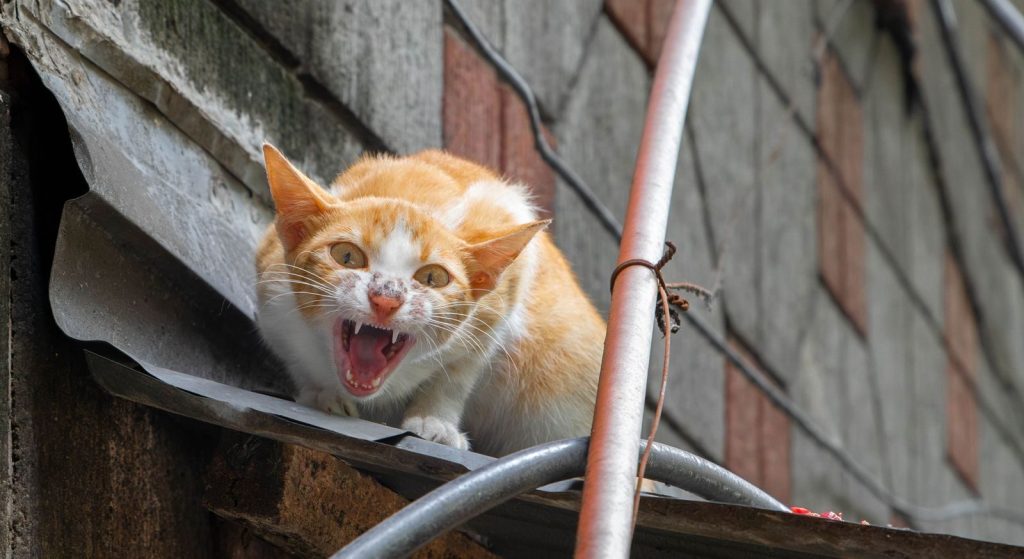
Street life teaches feral cats to stay cautious. A loud hiss is actually a sign of deep fear. Feline behavior experts note that cornered animals use defensive postures to keep humans at a distance. But this specific stray did not run when the homeowner stepped outside.
Spotting the hidden signs of physical distress
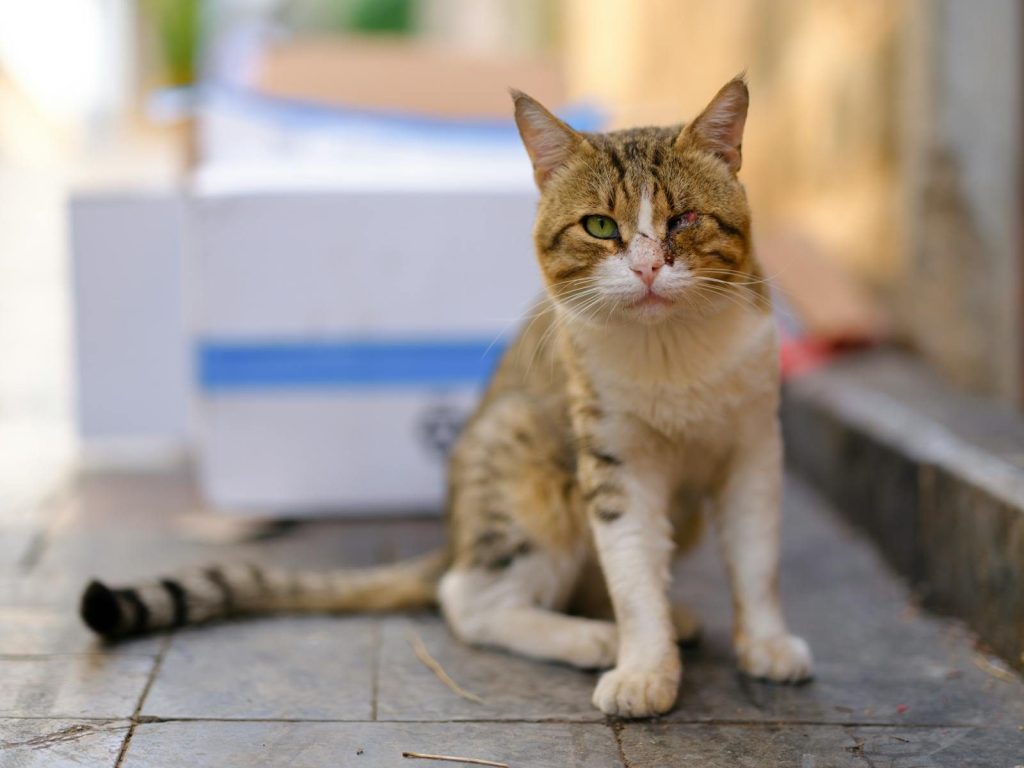
The homeowner noticed the cat was limping heavily on its left front paw. A deep scratch from a territorial alley fight was severely infected. According to the ASPCA, injured street cats often seek out quiet residential porches when they can no longer hunt safely. The woman slowly offered a plate of warm food to gain trust.
The slow process of gaining feline trust
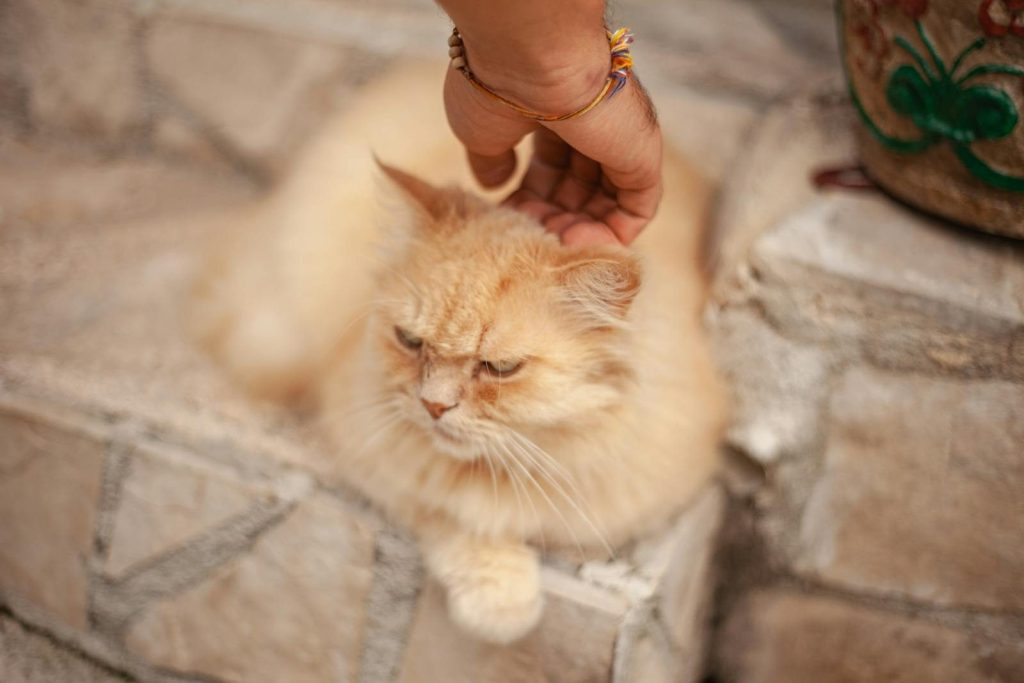
Feral cats do not become friendly overnight. The woman spent three days sitting quietly on the cold concrete steps. She spoke in a low, gentle voice without making direct eye contact. This slow approach allowed the stray to realize the porch was a safe sanctuary. But a sudden weather shift forced her to change tactics.
Braving the cold indoor transition safely
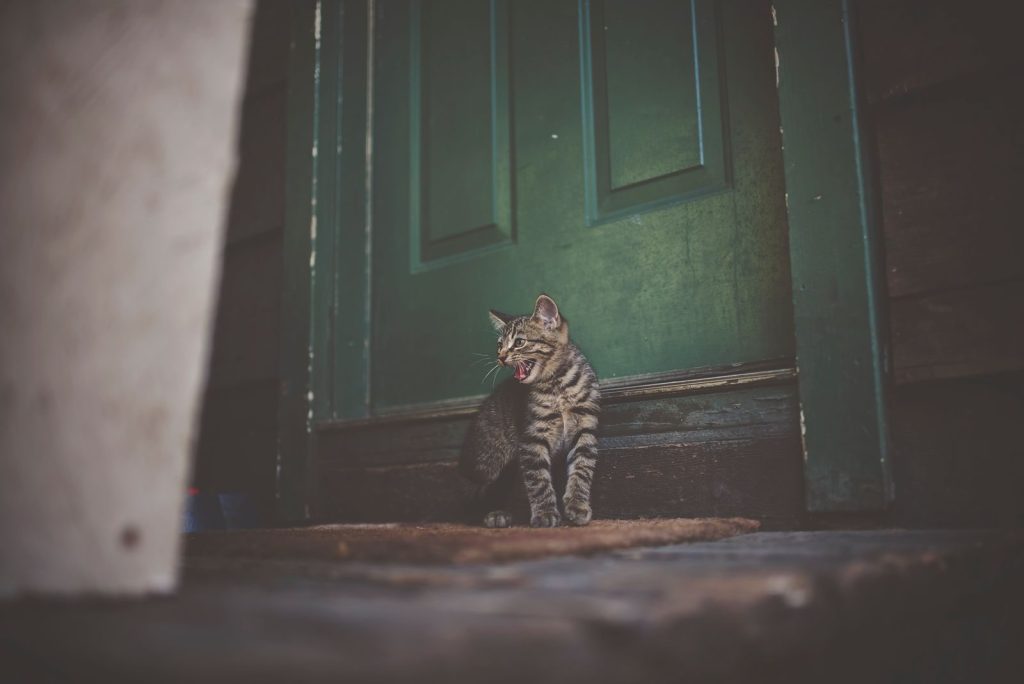
A freezing winter storm was rapidly approaching the neighborhood. The woman left her kitchen door open and placed a trail of wet food leading inside. The shivering animal hesitated at the threshold for several minutes. Eventually, hunger won the battle against fear. However, the stray was still not ready to be touched.
Navigating the first official veterinary visit
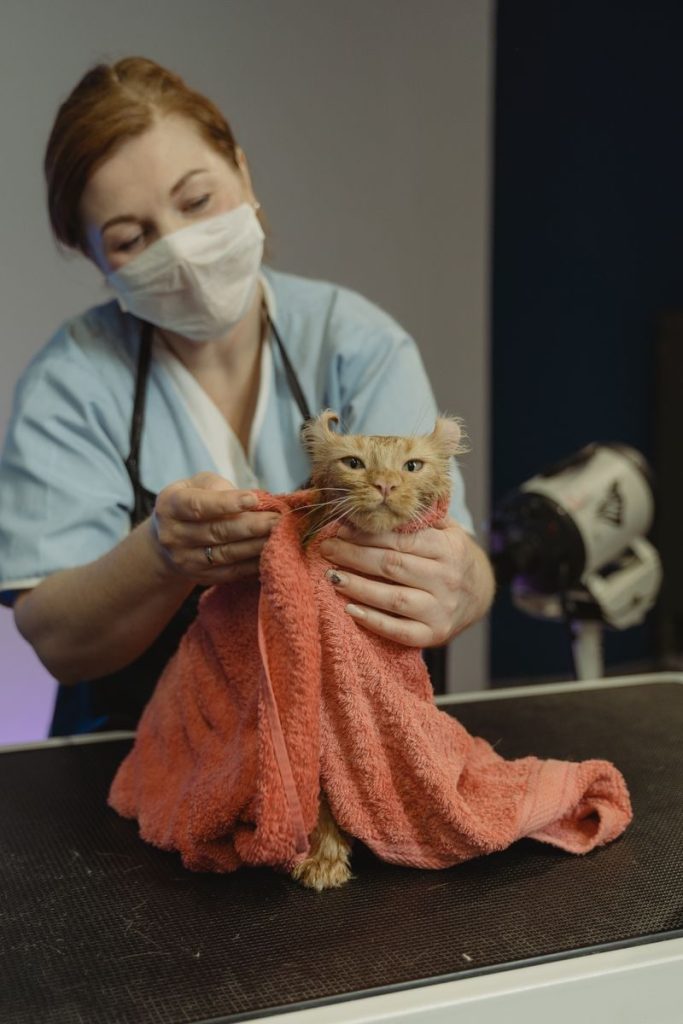
Getting a semi-feral cat into a carrier requires extreme patience. The woman used a large towel to gently secure the animal without causing panic. At the clinic, Dr. Jessica Vogelsang administered critical antibiotics and cleaned the infected wound. The medical team was shocked by what they discovered during the routine exam.
A surprising discovery about her past
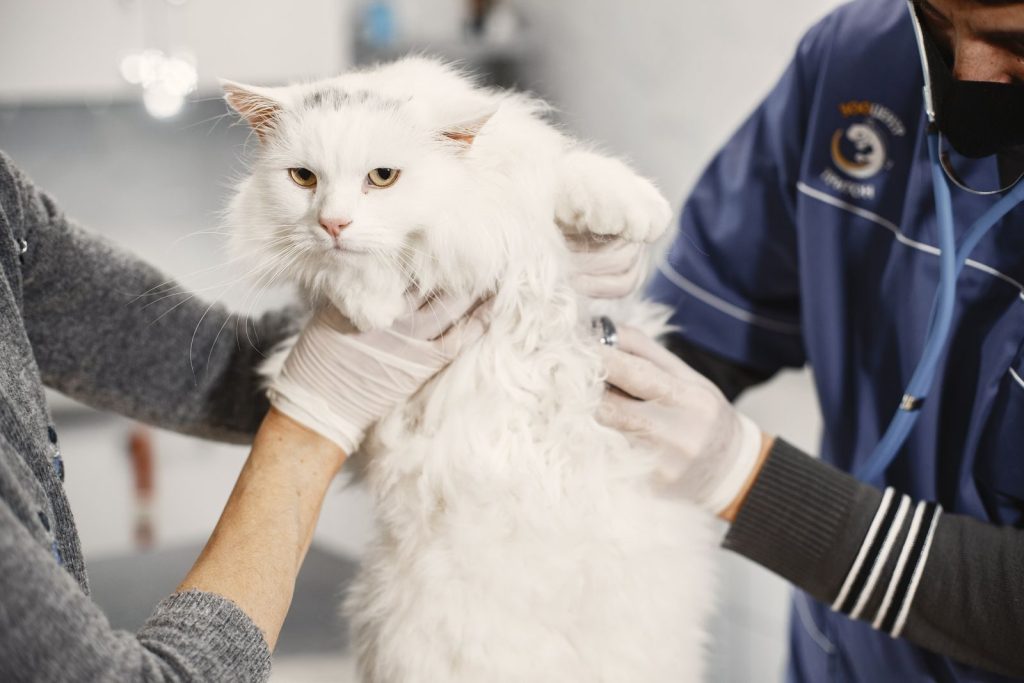
A quick scan revealed a tiny microchip embedded in her shoulder. It turned out the fierce street survivor was actually a lost house pet from three years ago. Her previous family had moved away, leaving her to navigate the suburbs completely alone. The news changed how the homeowner viewed her guest.
Relearning how to trust human touch
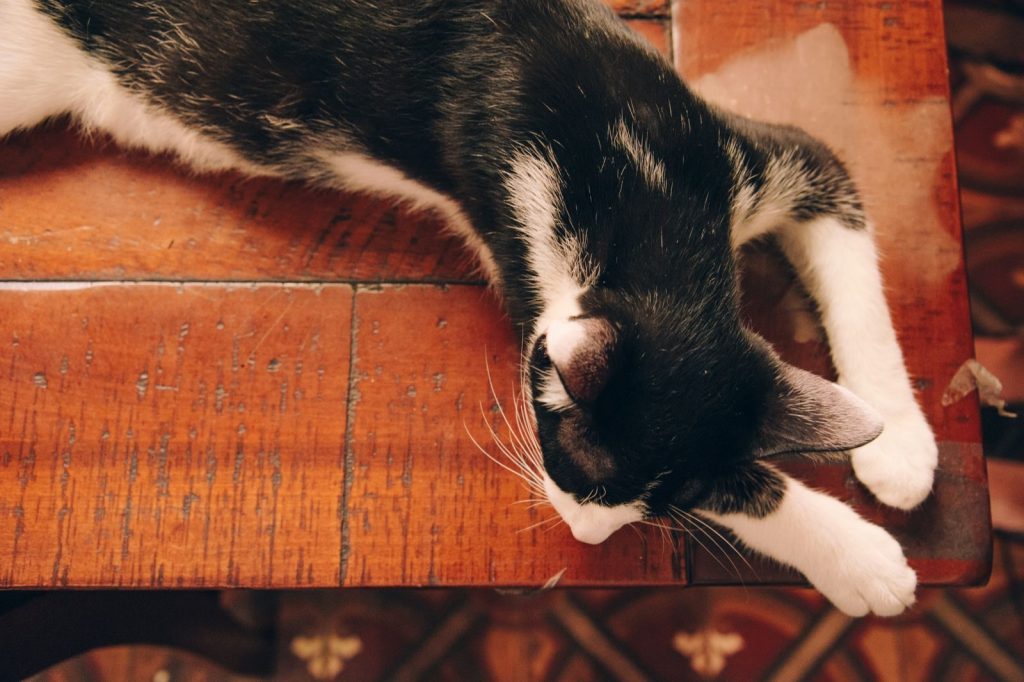
Back inside the quiet home, the cat slowly started to remember indoor life. She began rubbing her scent glands against the furniture legs. Within a week, the first soft purr echoed through the bedroom. The transformation from a wild street fighter to a loving companion was almost complete. But one final barrier remained.
A beautiful life of pure indoor safety
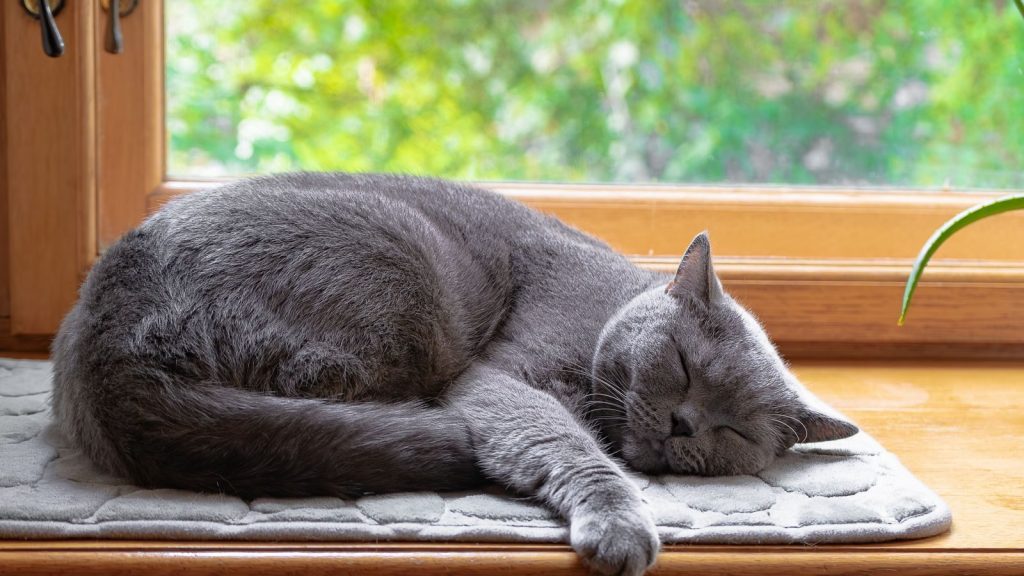
Today, the once-angry stray spends her afternoons sleeping in a sunny window. She never has to brave the freezing rain or fight for food again. Your support for local street rescue groups ensures more animals get a real second chance. This article is for informational purposes only and does not constitute veterinary advice.
Featured Image: Photo by Cihat Dede on Pexels