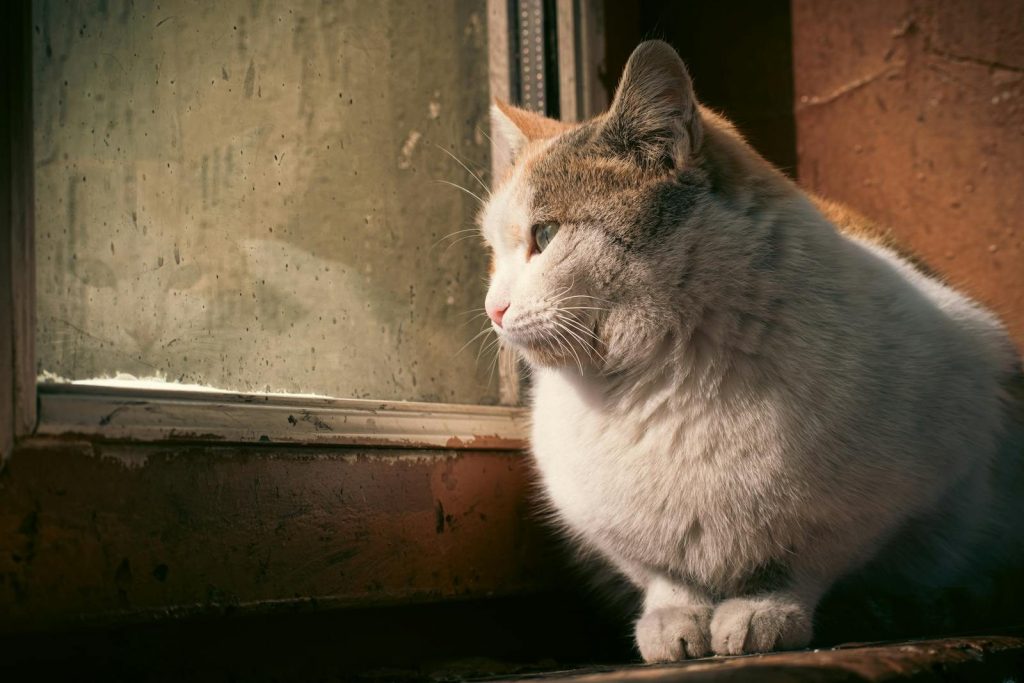

You walk past the shelter cages and see families crowded around the tiny active kittens. But in the quietest corner, a senior cat sits waiting.
Most people looking for pets prefer young animals that require less immediate medical care. But choosing an older companion can actually be the best decision you ever make.
Skip the chaotic kitten phase entirely.
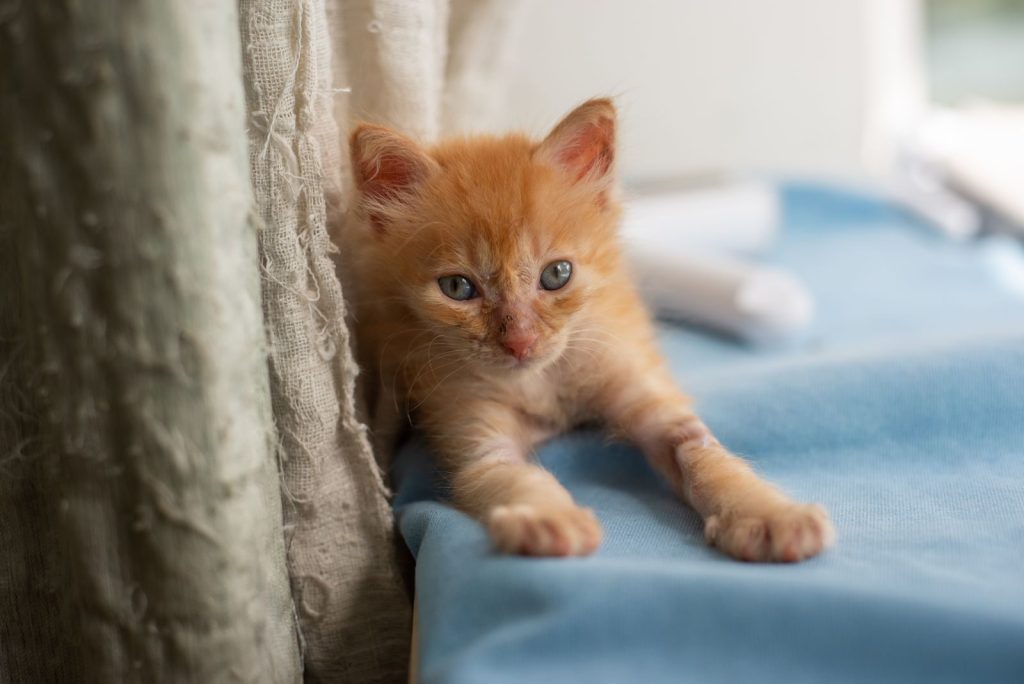
Kittens are undeniably cute, but they bring an immense amount of destructive energy. They will climb your curtains, scratch your furniture, and wake you up at midnight. A senior cat already has an established, calm personality. They understand the rules of a home instantly. But their quiet gratitude goes much deeper.
The beautiful depth of senior gratitude
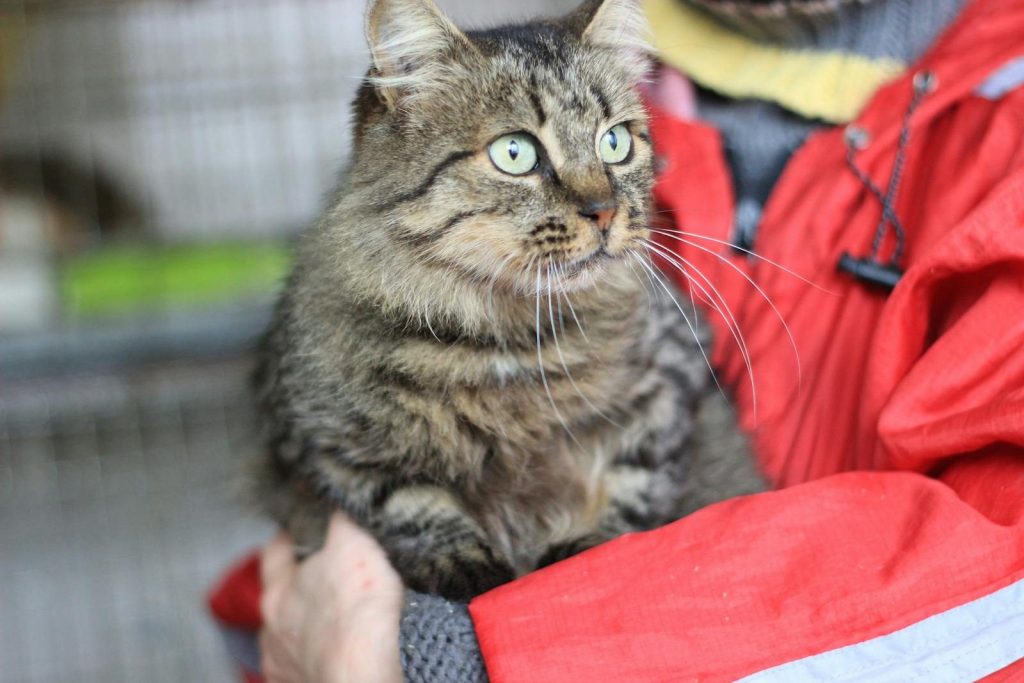
Older shelter residents often understand when they have been saved from a loud kennel. They show a quiet, steady loyalty that younger felines cannot match. According to shelter coordinators at the ASPCA, senior adoptions have the highest rate of long-term success. They bond with their new owners incredibly fast. Still, a major misconception keeps them waiting.
The truth about senior health concerns
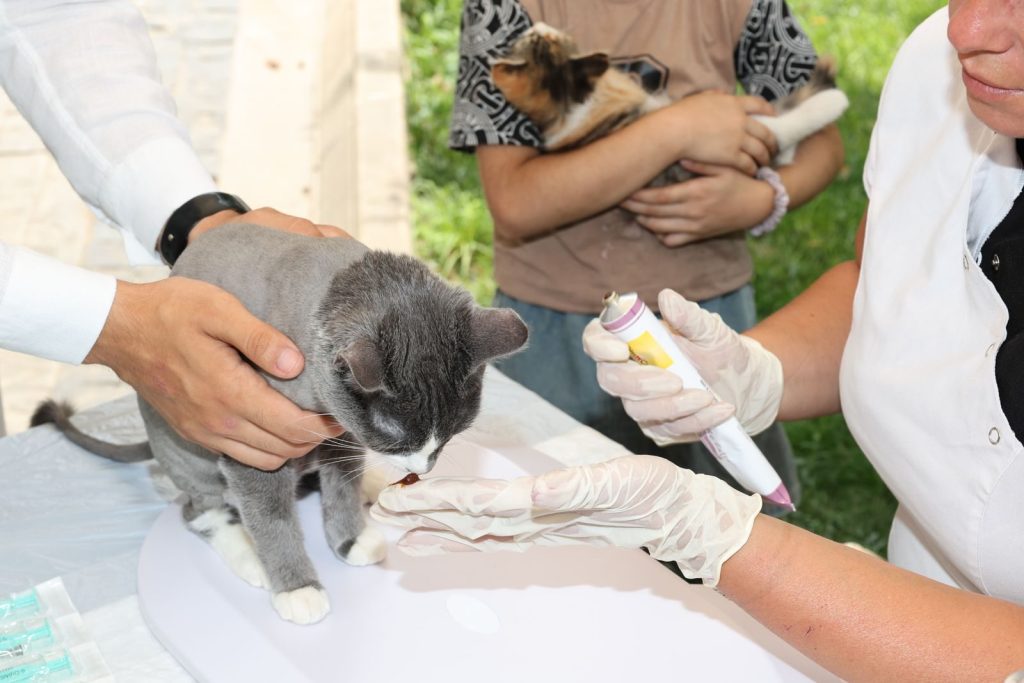
Many potential adopters worry about high veterinary bills right after adoption. While older pets need regular checkups, their health is often highly manageable. Simple preventative care, like senior blood work, catches common issues early. Dr. Jessica Vogelsang notes that minor diet adjustments can keep them thriving for years. But what about their daily activity levels?
Perfect companions for quiet households
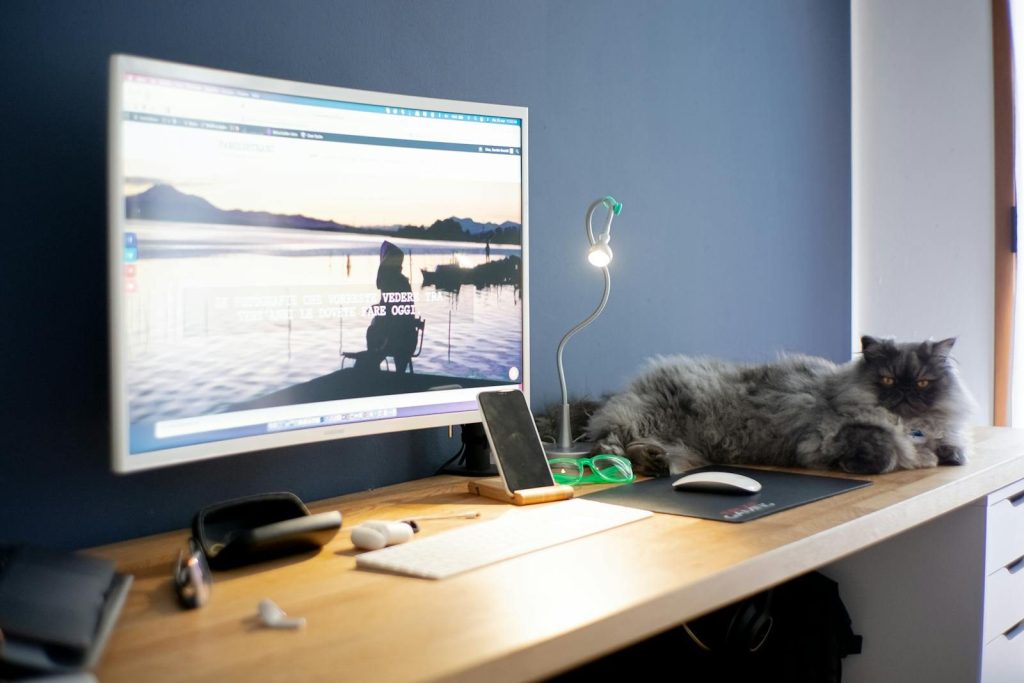
If you work from home or enjoy a calm environment, an older cat is ideal. They spend up to eighteen hours a day napping in sunny spots. They do not require constant supervision or intense play sessions to stay happy. They are completely content just resting near your keyboard. Yet their presence offers another hidden mental benefit.
Lowering household stress levels naturally
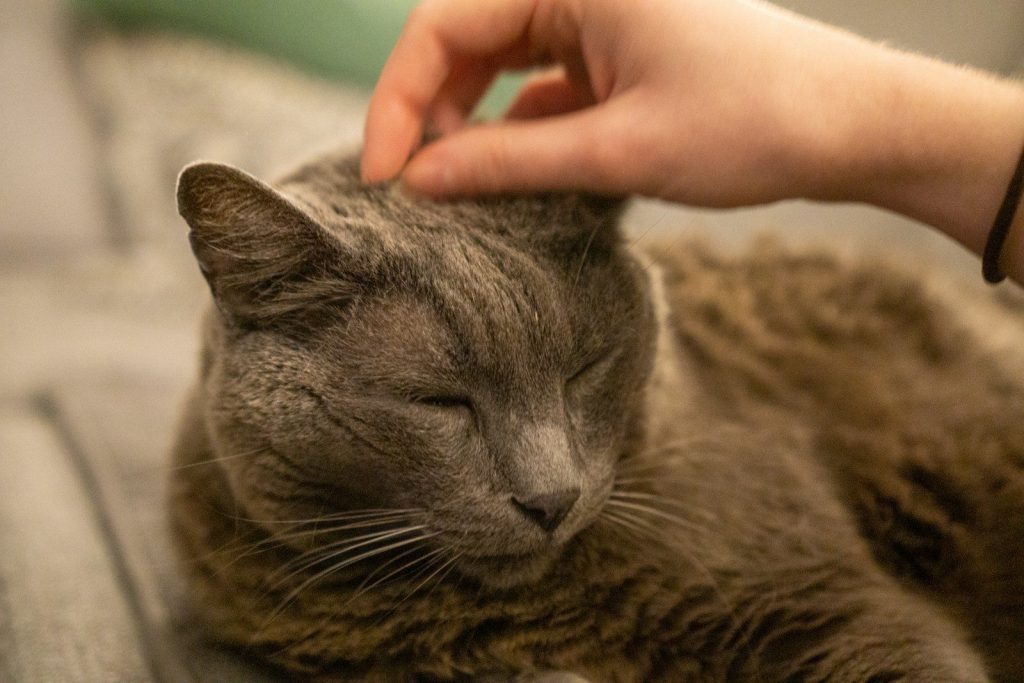
The steady, slow presence of a senior pet has a profoundly calming effect on humans. Petting a resting animal lowers your cortisol levels and blood pressure quickly. This quiet relationship builds a peaceful daily routine that benefits your emotional well-being. But how do you prepare your home for a senior arrival?
Creating a comfortable sanctuary space
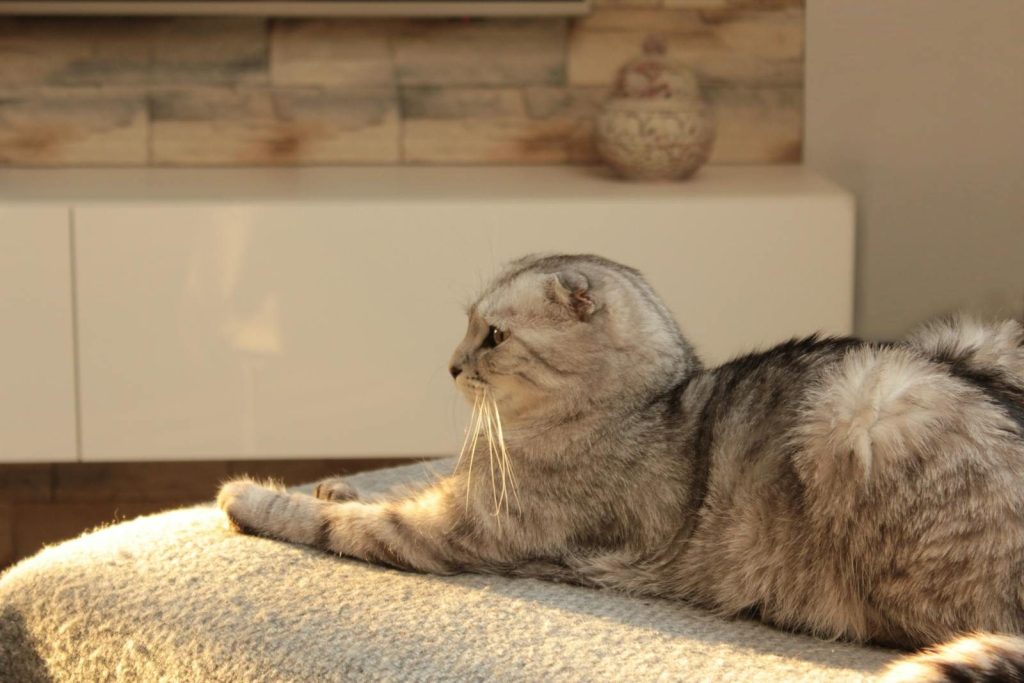
Older bones appreciate soft, low beds that do not require high jumping. Place their food and water dishes in easily accessible areas without steep stairs. This simple layout adjustment keeps your new companion feeling safe and independent. This article is for informational purposes only and does not constitute veterinary advice. But where do you find these hidden treasures?
Giving a forgotten soul a second chance
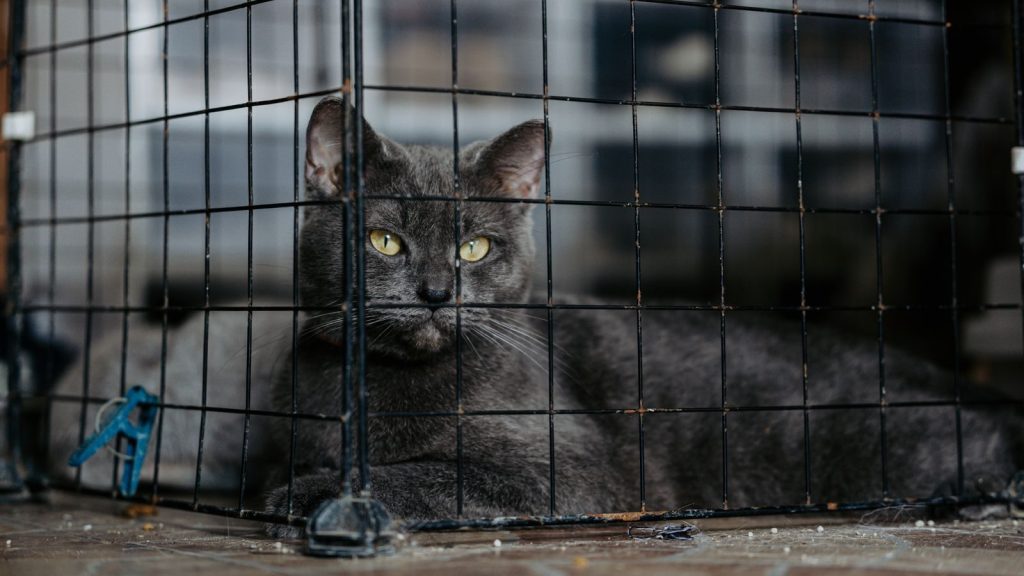
Your local animal shelter has beautiful older cats waiting for a warm lap to rest on. By opening your heart to a senior, you are saving a life that others might have passed by. Your kind decision rewards you with a deep, peaceful friendship that fills your home with pure love.
Featured Image: Photo by Hanifi Sarıkaya on Pexels