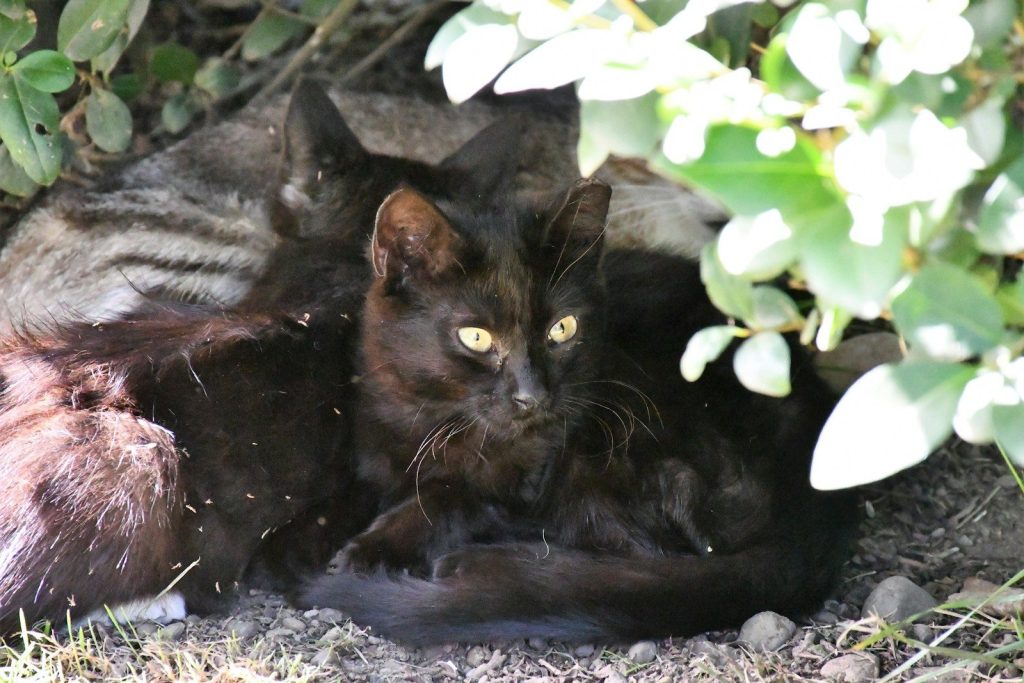

A brave mother cat named Lucy stood guard over her tiny foster litter. She refused to let any visitors get too close to her nest.
This intense guarding behavior looks aggressive, but it is actually a beautiful survival tactic. Science reveals how mother cats manage their wild instincts.
The chemical power of maternal hormones
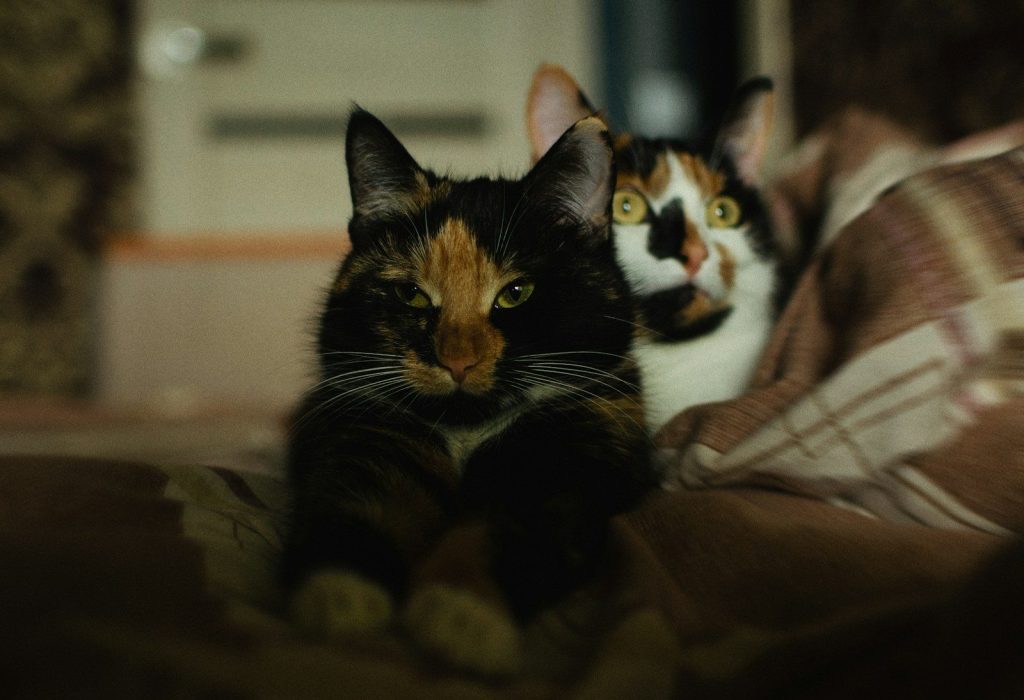
Mother cats experience a massive surge in a hormone called oxytocin right after giving birth. This drive is ancient. According to the ASPCA, even the gentlest house cat can become highly protective during the first few weeks. But this guarding behavior can sometimes cause major stress.
The signs of a mother cat’s anxiety
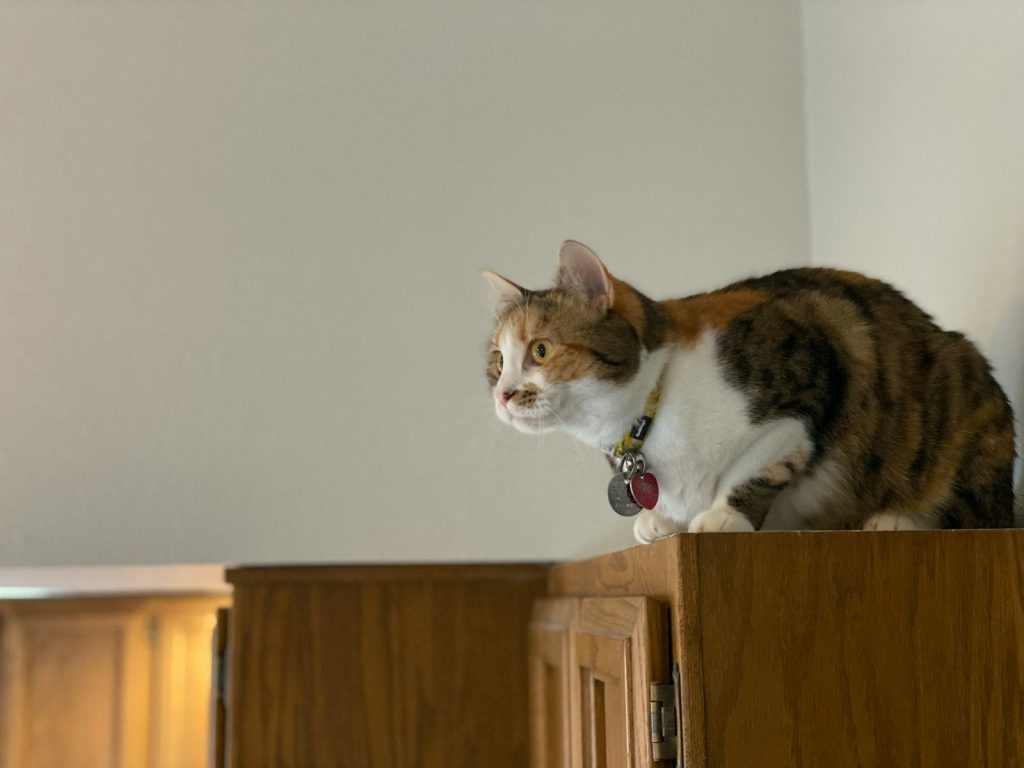
A stressed mother cat will pace back and forth or try to move her nest repeatedly. She wants pure quiet. Feline behaviorists suggest keeping their nesting box in a dark, quiet room far from household noise. Otherwise, she might choose a much more dangerous hiding spot inside the house.
Why do they move their nests in secret?
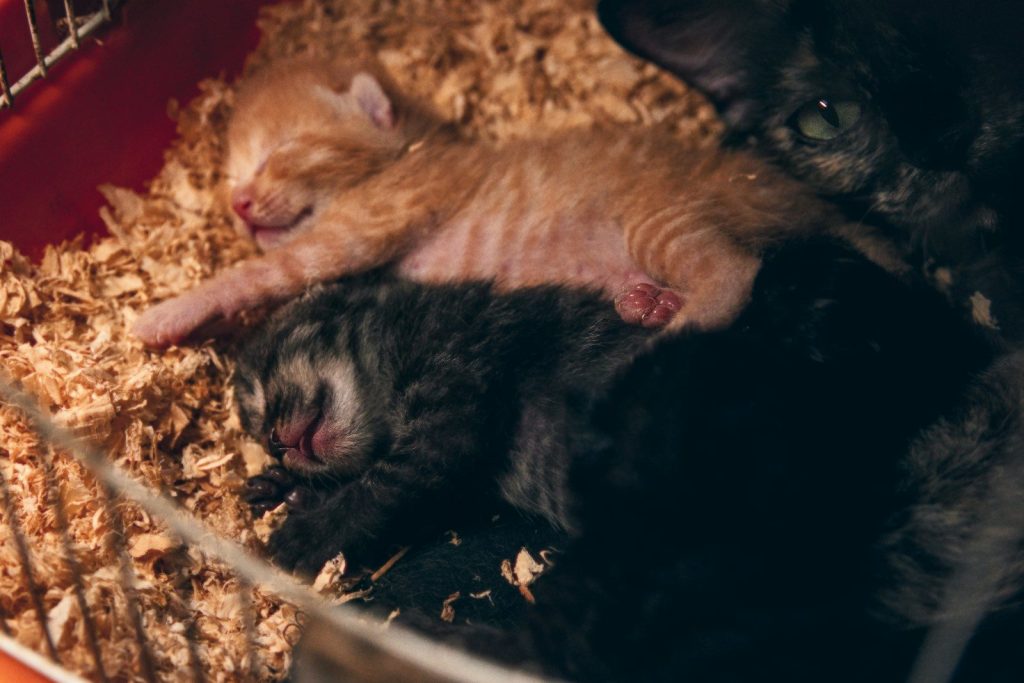
In the wild, predators can easily locate a nest by tracking the scent of newborn babies. They are survival masters. Providing a covered nesting box with high sides prevents this anxious roaming behavior. But how can you gain her trust slowly?
Building trust with delicious food rewards
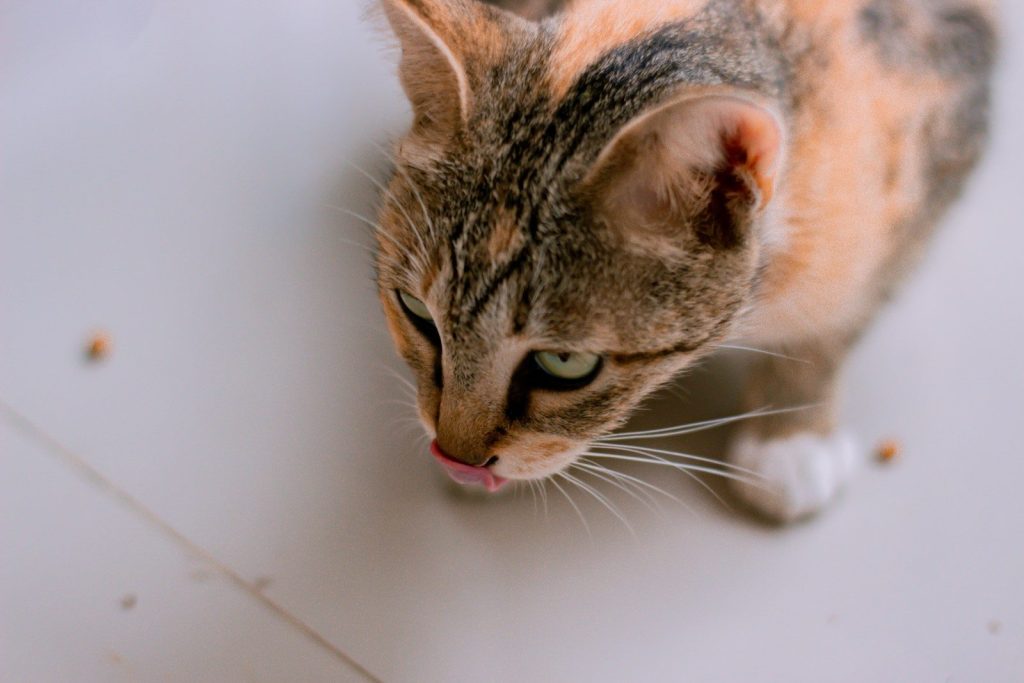
Offer the mother cat high-quality wet food whenever you enter the room. Serve her favorites first. According to the Cornell Feline Health Center, linking human presence with tasty rewards helps calm her protective instincts. But you must still respect her boundaries during the early weeks.
Letting her initiate the social visits
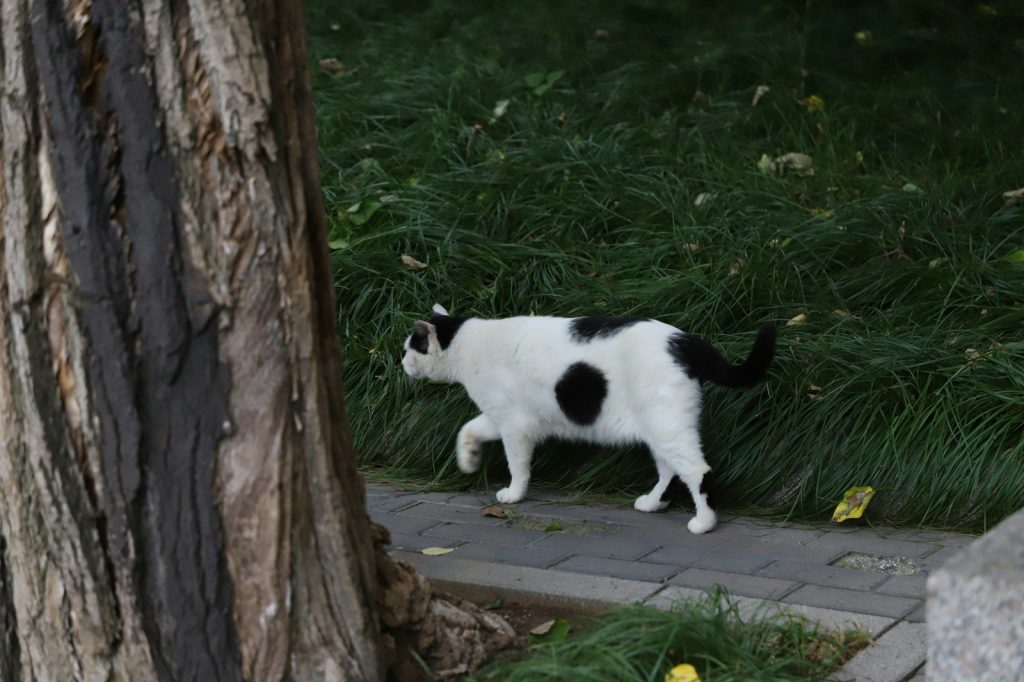
Wait for the mother cat to walk away from the nest to greet you on her own terms. Let her lead. Forcing visits too early can ruin your bond and make her hide the kittens in hard-to-reach spots. But what should you do if she acts aggressively?
Managing aggressive mother cat behaviors
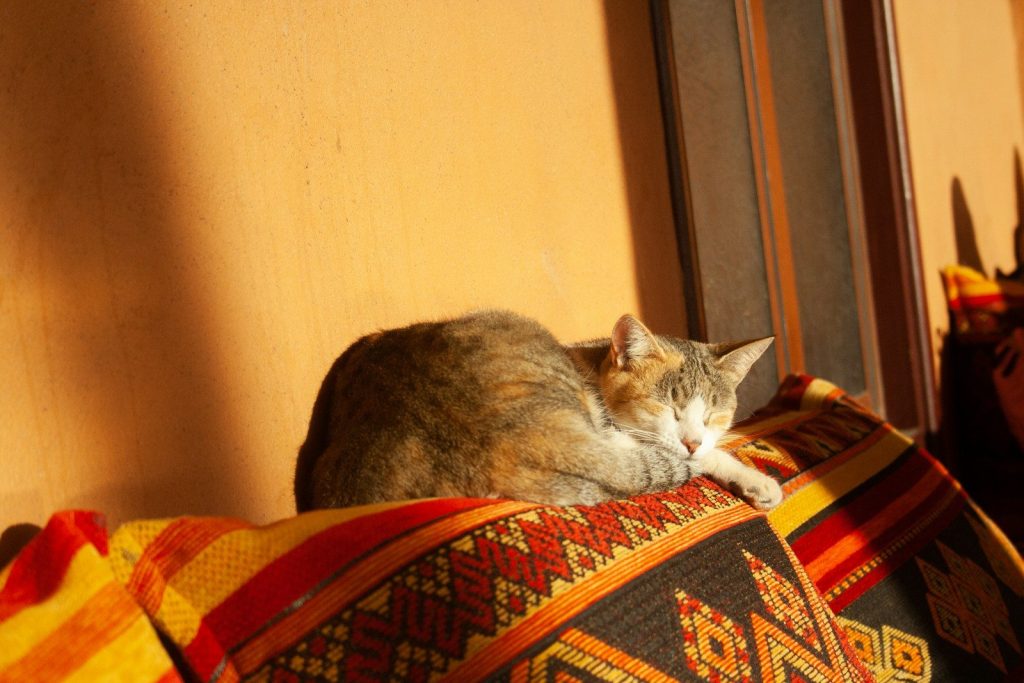
If the mother cat continues to growl, step back and give her some quiet time alone. Give her space. The American Veterinary Medical Association warns that high stress can actually dry up a mother cat’s milk supply. That is why keeping a calm environment is so critical.
Supporting her physical health during nursing

Nursing a large litter requires an incredible amount of daily calories and clean water. She needs endless food. This simple step ensures she has the strength to look after her growing family safely. But how can you tell when she is ready to relax?
A beautiful transition to family life

As the kittens reach five weeks of age, the mother will naturally start letting them explore. She takes a break. This article is for informational purposes only and does not constitute veterinary advice. Gaining a protective mother cat’s trust is a beautiful journey you will never forget.
Featured Image: Photo by Don Cangrejo on Unsplash