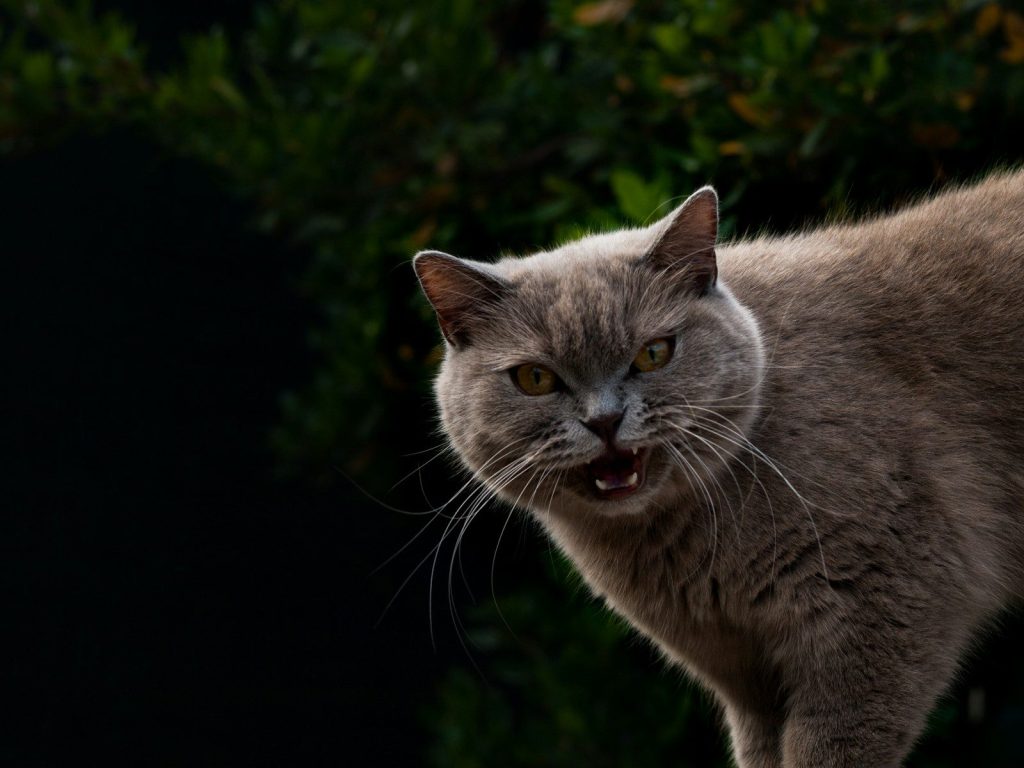

Most pet owners think cats only communicate through simple meows and soft purrs. We assume these familiar sounds represent basic requests for food or cuddles.
But feline communication is actually incredibly complex and varied. Your cat uses a wide range of surprising sounds to express deep emotions and physical needs.
The Classic Friendly Chirp
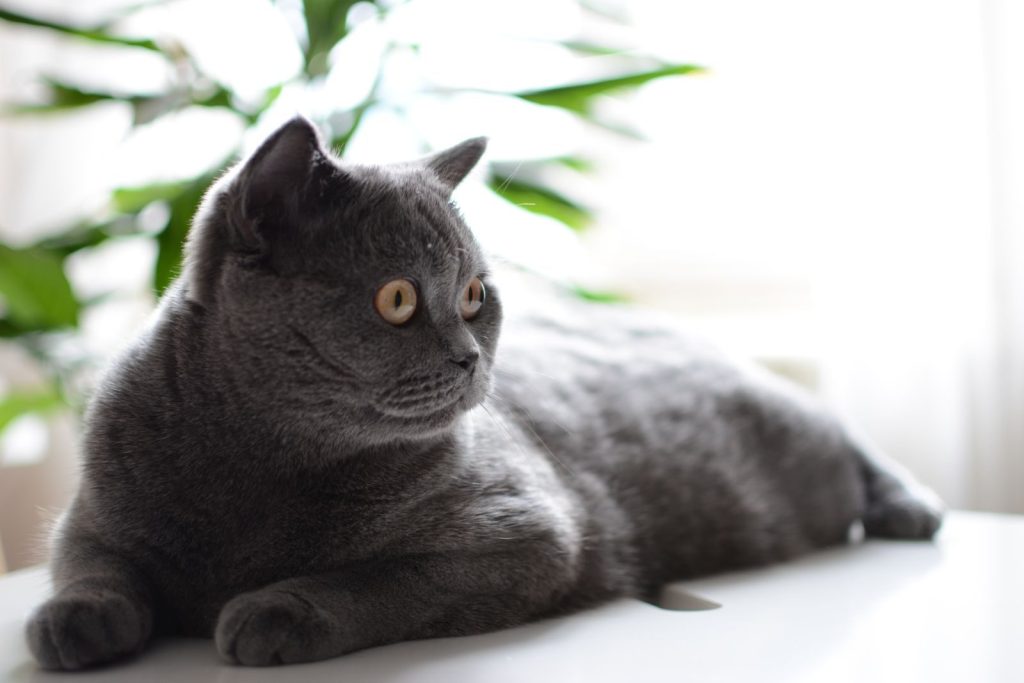
A short, high-pitched trill is often used by cats when they greet their favorite people. They feel happy. According to behavioral guides from the ASPCA, mother cats originally used this soft sound to tell their kittens to follow them. Modern domestic felines have adapted this greeting specifically for their human companions. But this friendly chirp is very different from another common vocalization.
Understanding Sweet Purr Vibrations
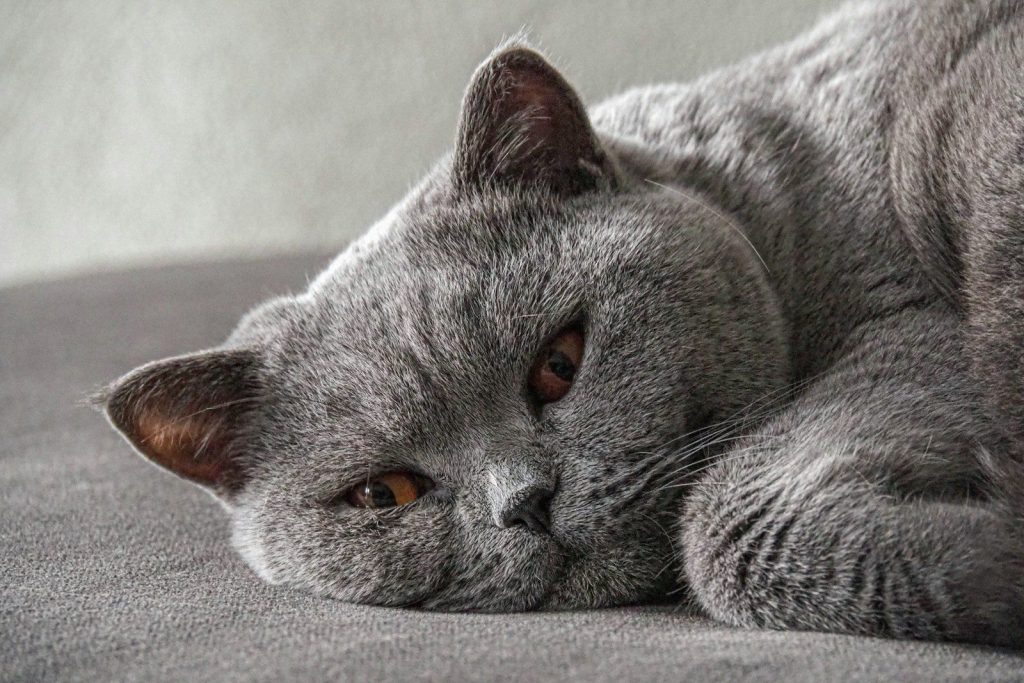
People generally associate the rumbling sound of a purr with complete feline relaxation. It brings comfort. According to research from the San Diego Humane Society, purring is actually a versatile self-soothing mechanism. Cats will purr when they are happy, but also when they feel anxious or need physical healing. But this soothing rumble is not the only way they request comfort.
The Urgent Midnight Meow
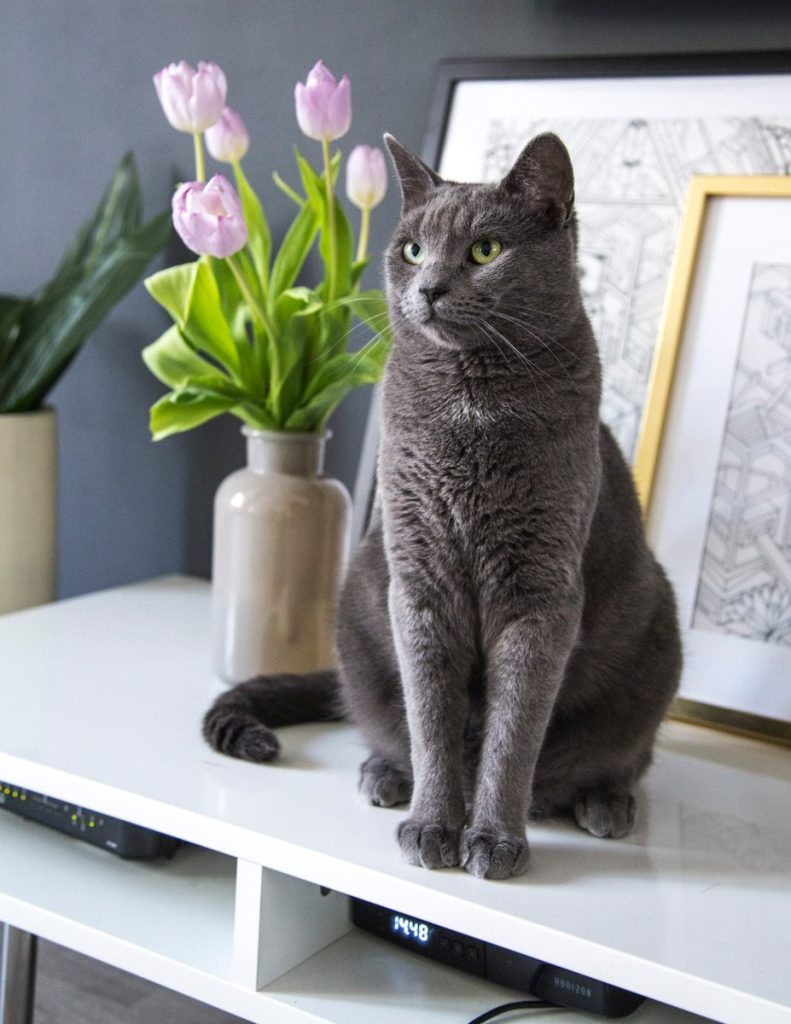
Adult felines rarely meow at each other in the wild. This is true. According to vocalization studies from Oregon State University, cats developed this specific sound almost exclusively to capture human attention. They use different tones and pitches to signal hunger, boredom, or a desire to play. But some cats make a much stranger sound when looking out windows.
Chatter At Garden Birds
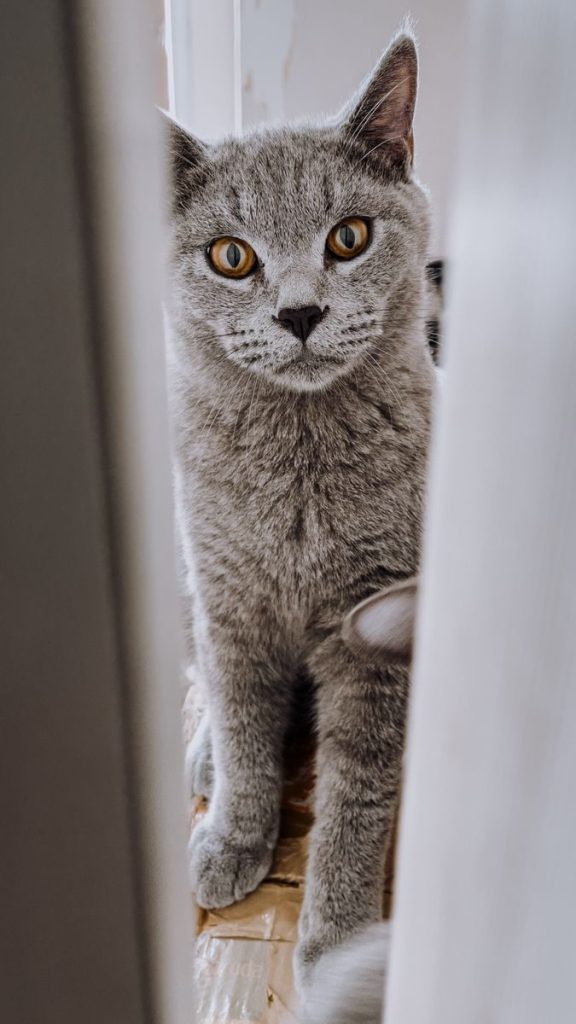
You might hear your cat make a rapid clicking noise while staring intently at small animals outside. They are excited. According to behavioral reports from the Cornell Feline Health Center, this chattering sound mimics a natural hunting reflex. It shows a mix of intense focus and mild frustration at not being able to reach their prey. But this hunting instinct sounds very different from defensive noises.
The Sudden Defensive Hiss
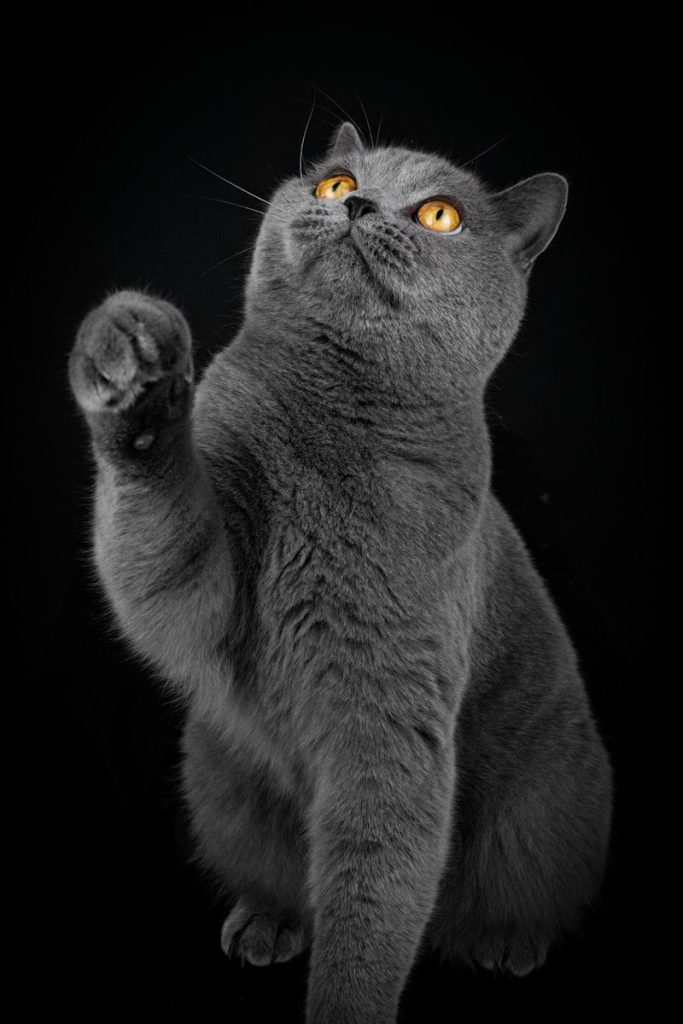
When your pet feels cornered, they will release a sharp forced breath of air. Respect their boundaries. According to training guidelines from the American Veterinary Medical Association, a hiss is an involuntary reaction to feeling startled or threatened. It is designed to warn potential intruders to back away slowly. But there is a much longer and louder warning they sometimes use instead.
The Low Warning Growl
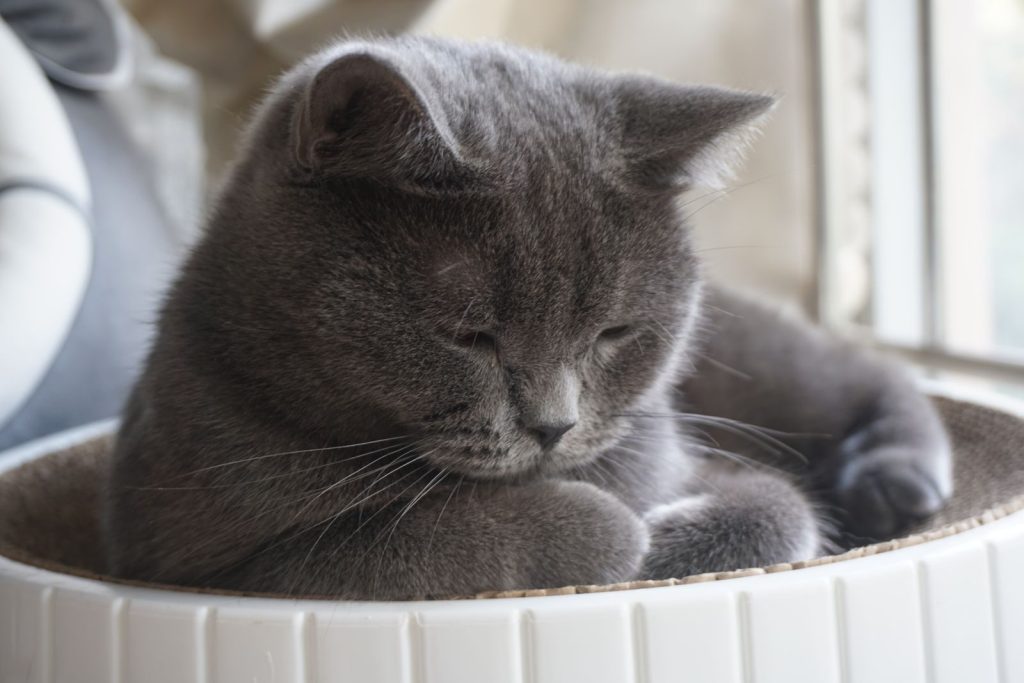
This deep rumbling noise is a serious sign that your cat is highly upset. They mean business. According to behavioral studies from the American Association of Feline Practitioners, growling indicates intense fear or territorial protection. It is a vital warning sign that owners must never ignore if they want to prevent a fight. But some senior cats make loud noises for a completely different reason.
Loud Nighttime Vocal Yowls
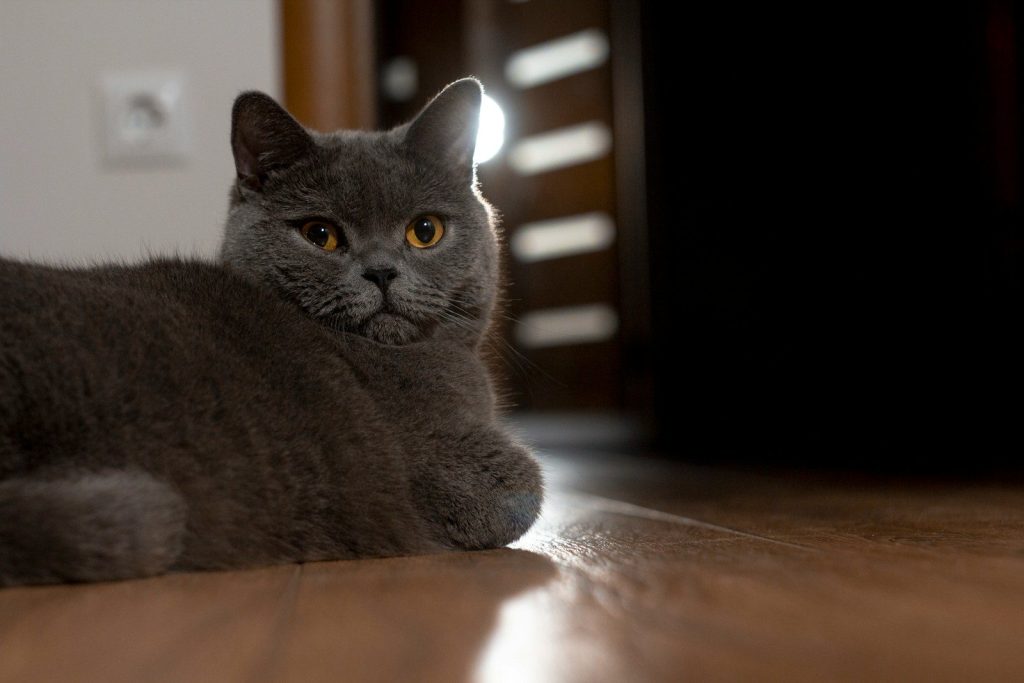
Long-drawn-out cries at night can indicate confusion or sensory loss in older pets. Help them feel safe. According to studies from the Journal of Feline Medicine and Surgery, this vocalization is common as cats experience physical changes. Providing a small nightlight or warm blanket can often soothe their nocturnal worries. But listening to these varied sounds is the best way to understand your pet.
Decoding Your Cat Voice
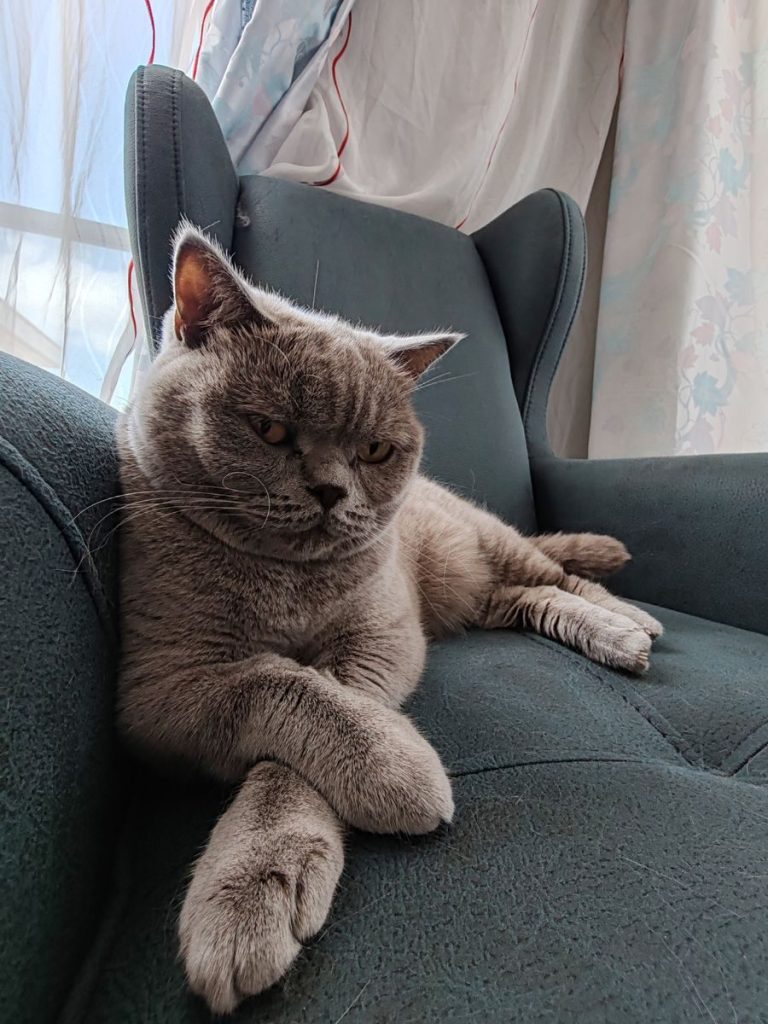
Paying close attention to your cat’s daily vocalizations helps build a much stronger bond. Every voice is unique. According to guidelines from the American Veterinary Medical Association, understanding these sounds improves overall pet happiness. Enjoy learning the special language of your companion. This article is for informational purposes only.
Featured Image: Photo by Dwiinshito on Unsplash