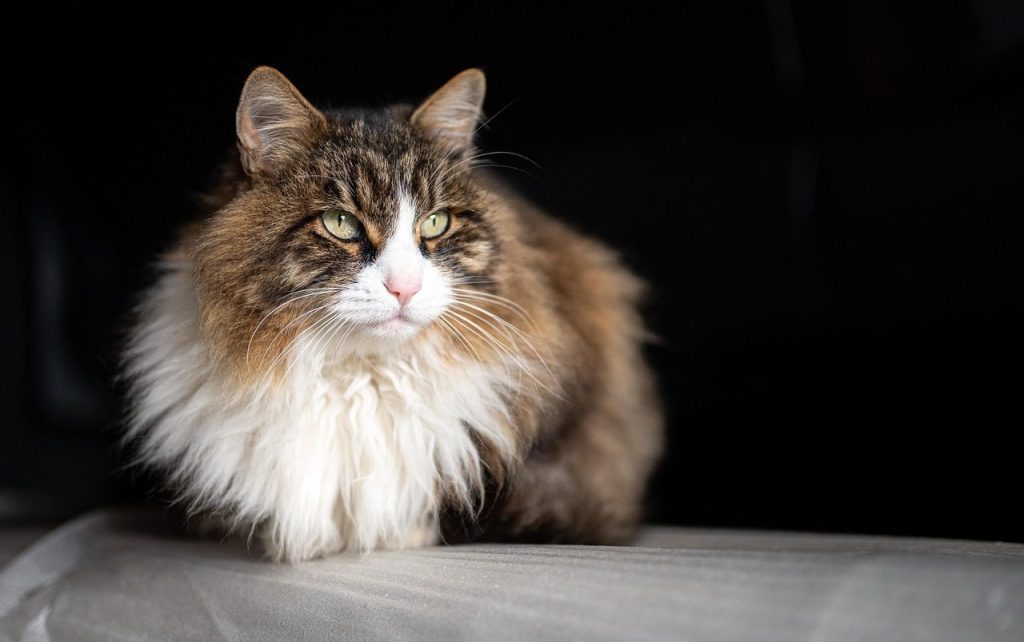

Many people search for specific, gorgeous cat breeds when they want to adopt a pet. Pictures of fluffy Persians and sleek Siamese cats flood the internet.
However, choosing a pet based purely on looks can lead to a difficult match. Rescuing a specific breed requires understanding their unique physical and emotional needs.
The surprising truth about shelter breed rescues
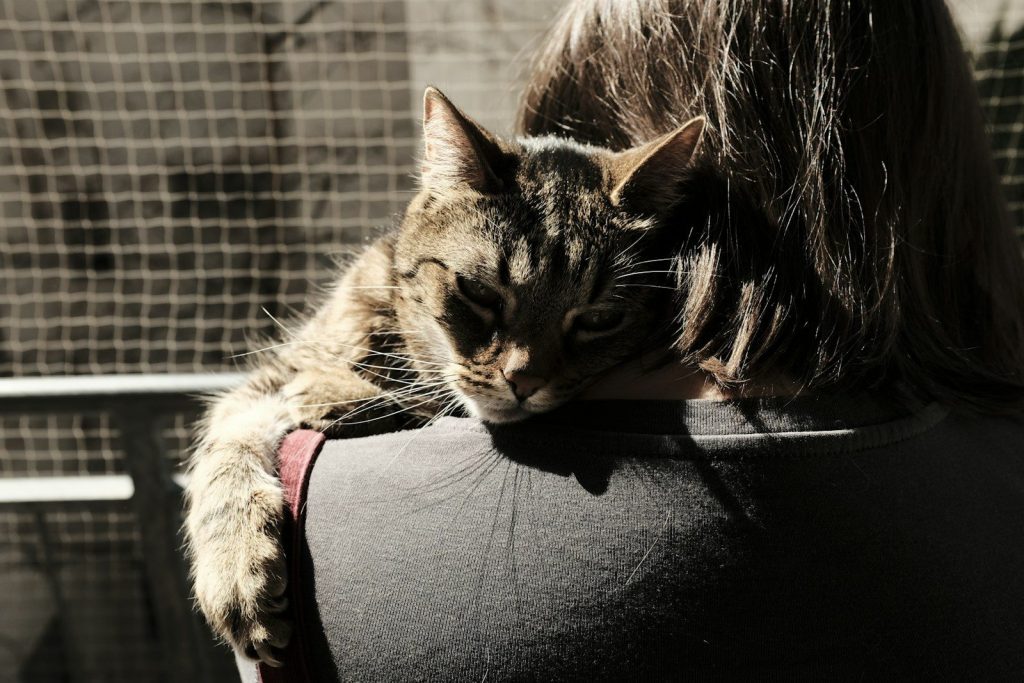
Many prospective owners assume shelters only have mixed-breed animals. In reality, thousands of purebred cats end up in shelters every year because owners underestimate their care. According to the ASPCA, breed-specific rescue groups work tirelessly to match these unique pets with knowledgeable homes. Adopting a rescue breed is incredibly rewarding but requires preparation. But where should your adoption journey actually begin?
Matching your daily routine to breed personality
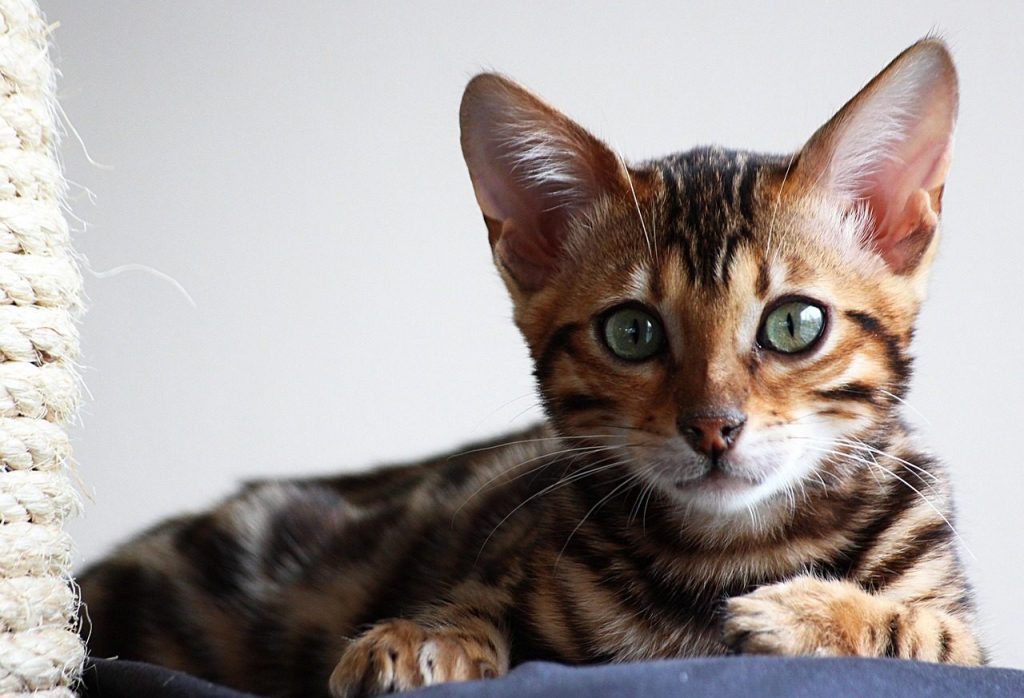
Every cat breed has distinct behavioral traits that shape their daily life. Active breeds like Bengals need endless mental stimulation and physical play. If you prefer a quiet, calm home, a relaxed breed might fit your lifestyle much better. Researching these traits before visiting a shelter prevents stressful mismatches for both you and the pet. But what about their physical grooming needs?
The hidden work behind long, fluffy coats
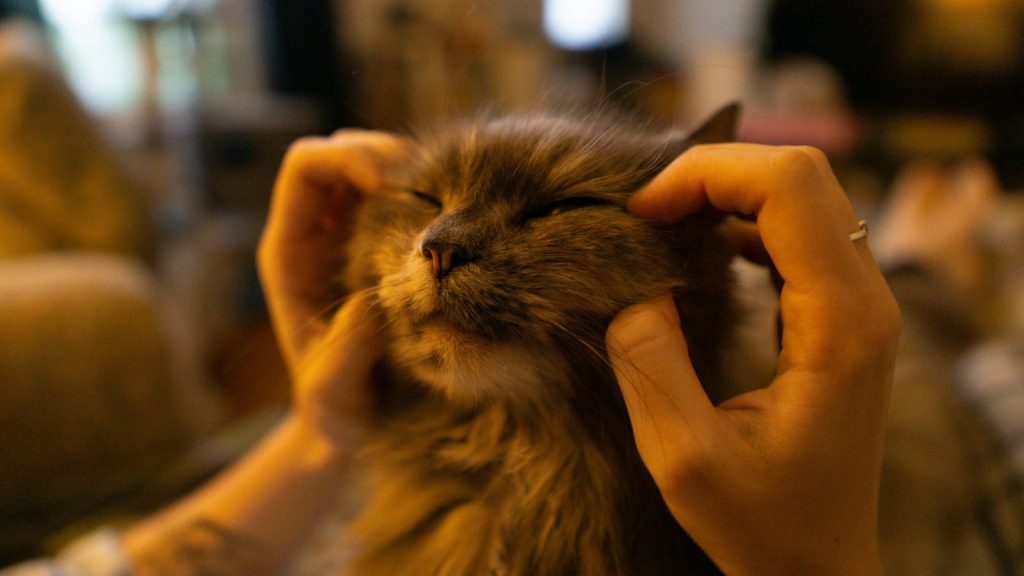
Breeds like Persians and Ragdolls look like living clouds of soft fur. But keeping that coat beautiful requires daily brushing to prevent painful mats and skin infections. Some rescue cats may have neglected coats that need professional medical grooming. This article is for informational purposes only and does not constitute veterinary advice. But grooming is not the only high-maintenance factor to consider.
Understanding genetic health risks before adopting
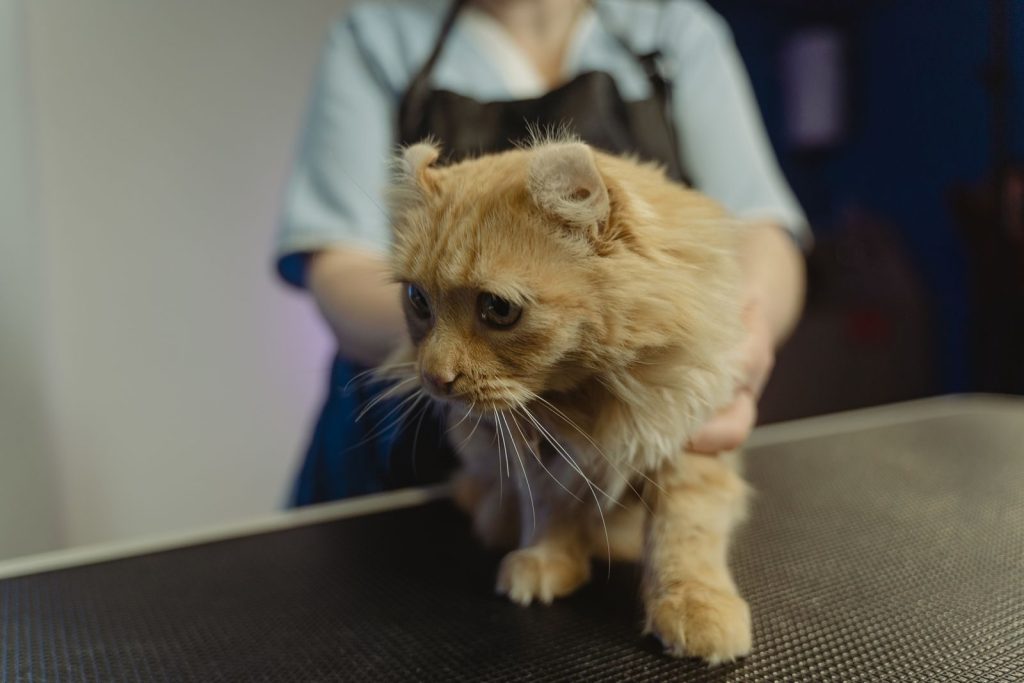
Certain purebred felines are prone to specific hereditary health conditions. For example, flat-faced breeds often suffer from breathing and dental difficulties. According to the American Veterinary Medical Association, understanding these genetic risks helps you budget for future veterinary care. A rescue organization can provide medical history to help you plan. But what about their emotional rescue transition?
Helping a shy rescue cat settle in
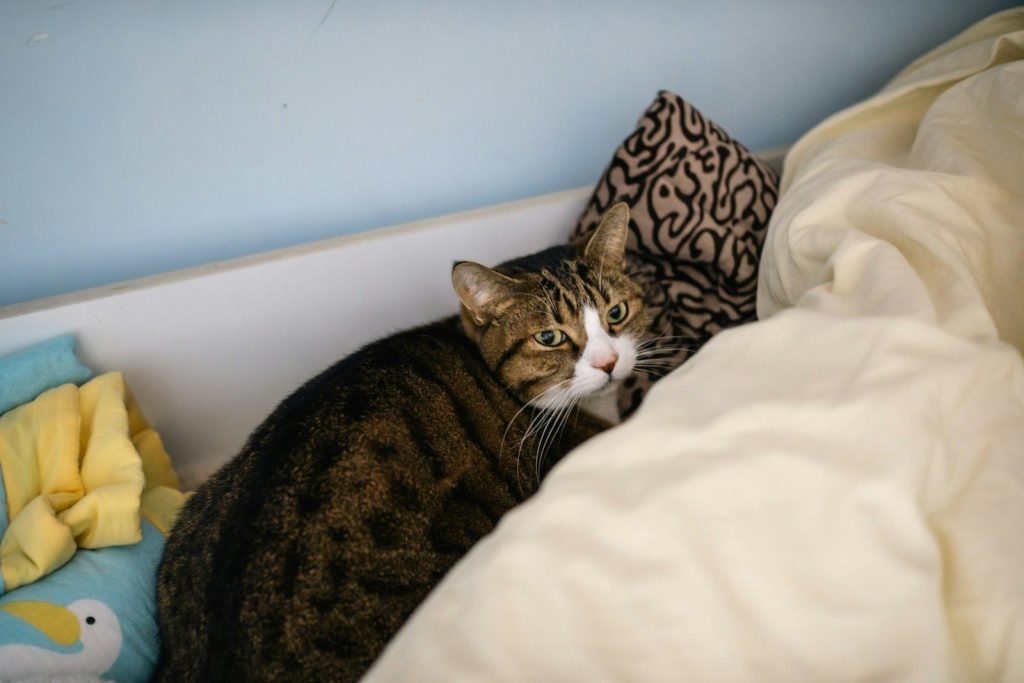
Rescue animals often arrive with stressful pasts that make them highly cautious. They need a quiet, dedicated space to decompress when they first arrive at your home. Let them explore their new territory slowly without pushing for physical affection. This patient approach builds a solid foundation of trust that will last a lifetime. But how do you handle their initial vocalizations?
Why do some breeds talk more than others?
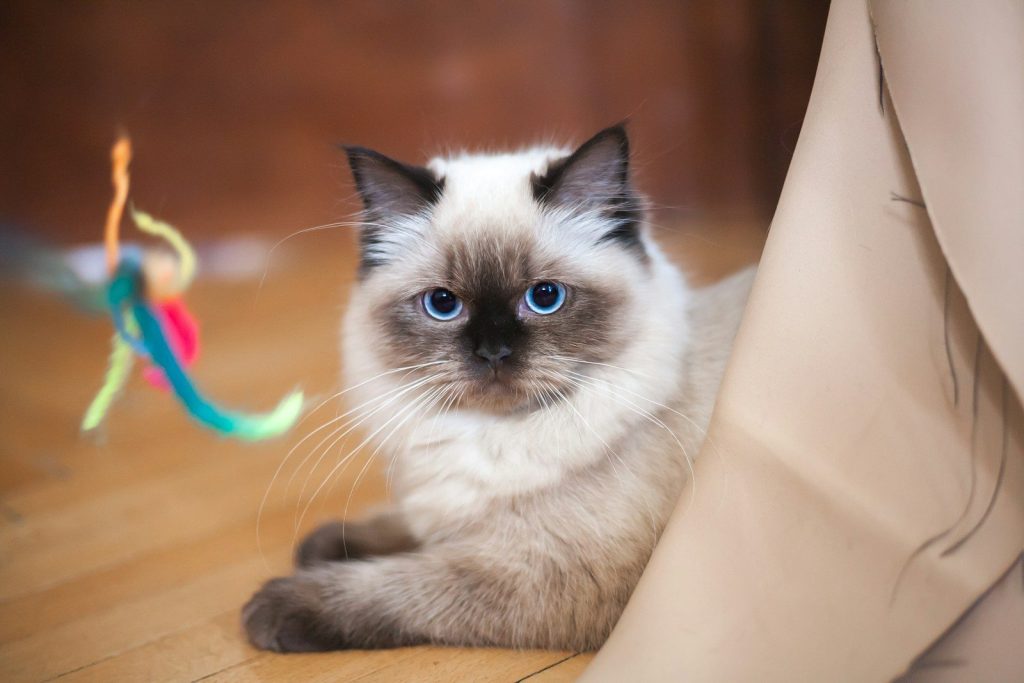
Breeds like Siamese and Sphynx cats are famously vocal companions. They will chirp, meow, and trill to tell you exactly how they feel. While some owners find this highly charming, others might find the constant noise stressful. Understanding this communication style helps you set realistic expectations for your shared home. But what if they have too much play energy?
Channeling active energy into healthy outlets
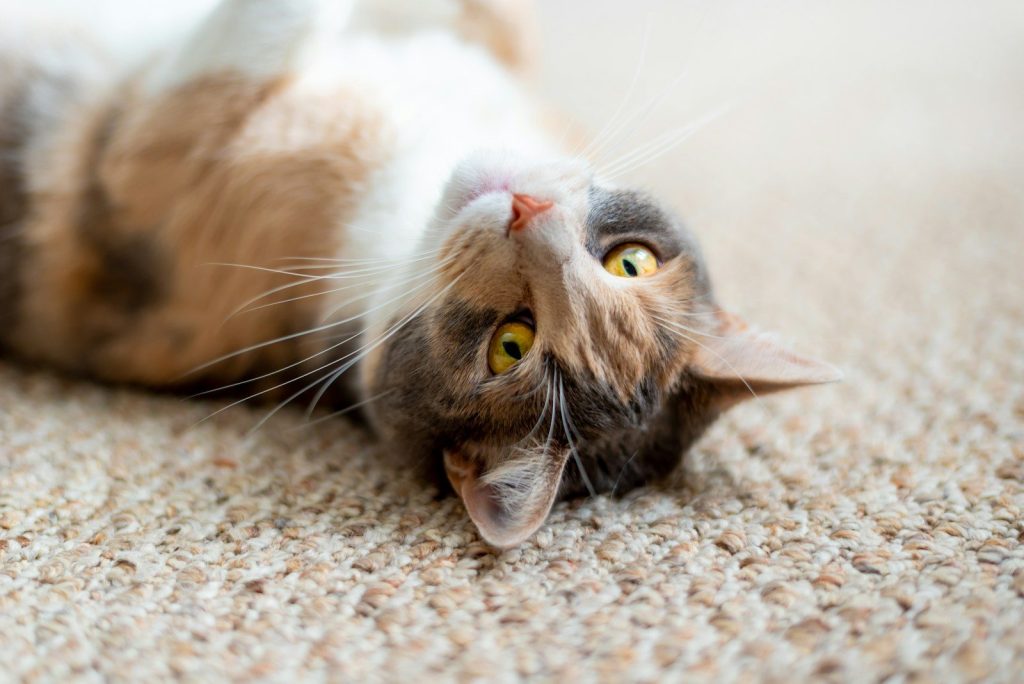
Energetic breeds need structured play to keep them out of trouble. Introduce food puzzles and interactive wand toys to challenge their brilliant minds. Daily active play reduces anxiety and prevents destructive scratching behaviors on your furniture. According to feline behavior experts, a tired cat is a happy, well-behaved companion. But what is the absolute best part of rescue?
The lifelong bond of saving a life
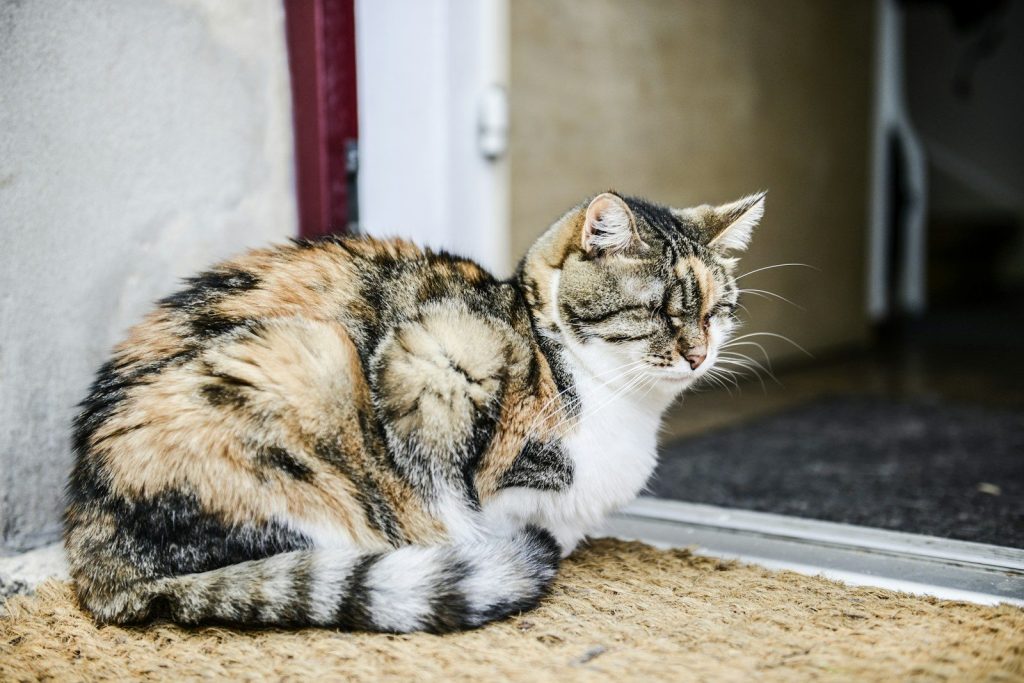
Adopting a rescue cat of any breed is a profound act of love. By matching your home to their specific needs, you offer them a vital second chance at happiness. The gratitude and affection you receive in return will make every bit of effort completely worth it. Your rescued companion will fill your home with joy and friendship for many years to come.