
This article is for informational purposes only and does not constitute veterinary or medical advice.
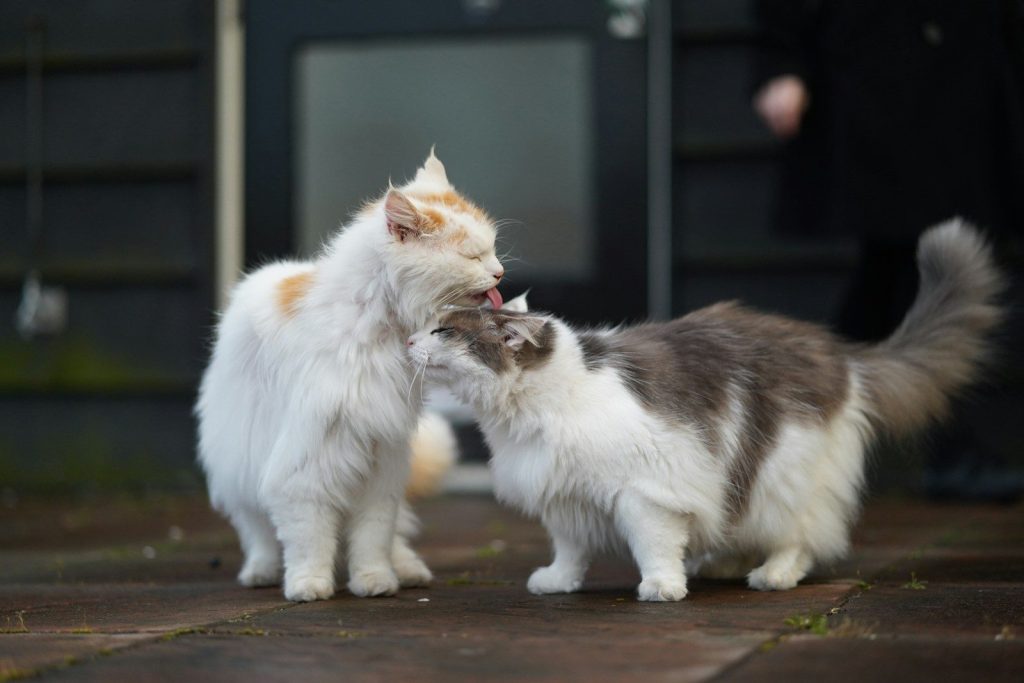
Seeing an elderly cat gently licking a tiny kitten is one of the most heartwarming sights in any home. It looks like pure family affection, but there is much more to this sweet behavior.
Feline behaviorists reveal that this grooming ritual is a complex form of communication. Through these gentle licks, senior cats are establishing order, teaching survival skills, and sharing vital health benefits.
Establishing a clear social hierarchy first
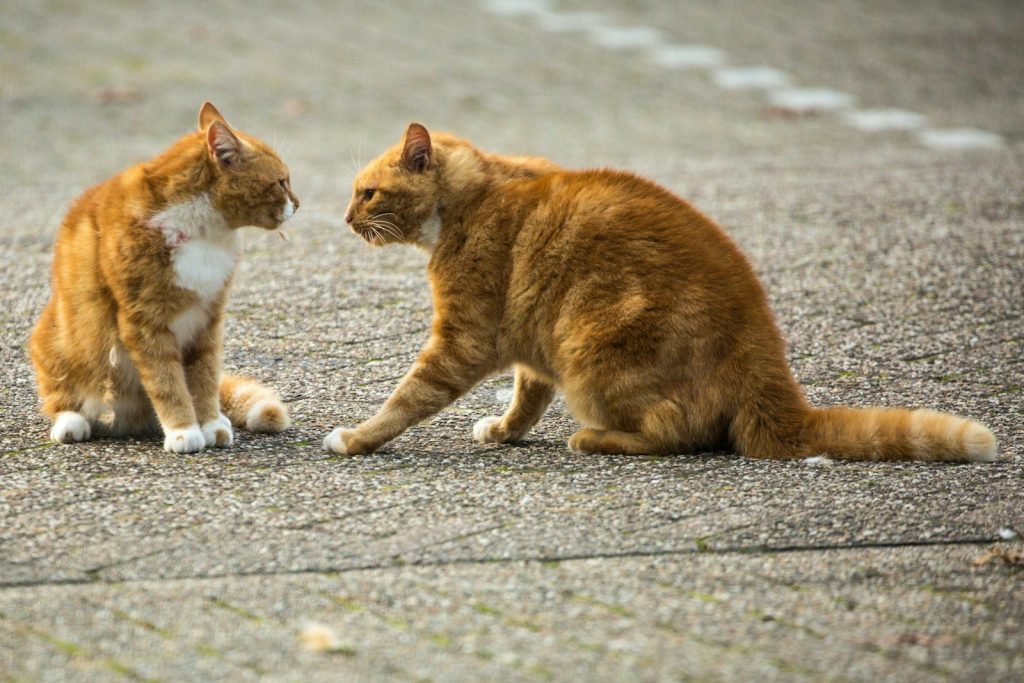
In the feline world, grooming is not just about staying clean. It is a social tool called allogrooming, used to show dominance and maintain peace in the household. By grooming the younger kitten, the senior cat is quietly stating that they are the leader of the pack. This physical act helps prevent conflicts, but it also serves another vital biological purpose.
Creating a comforting group scent profile
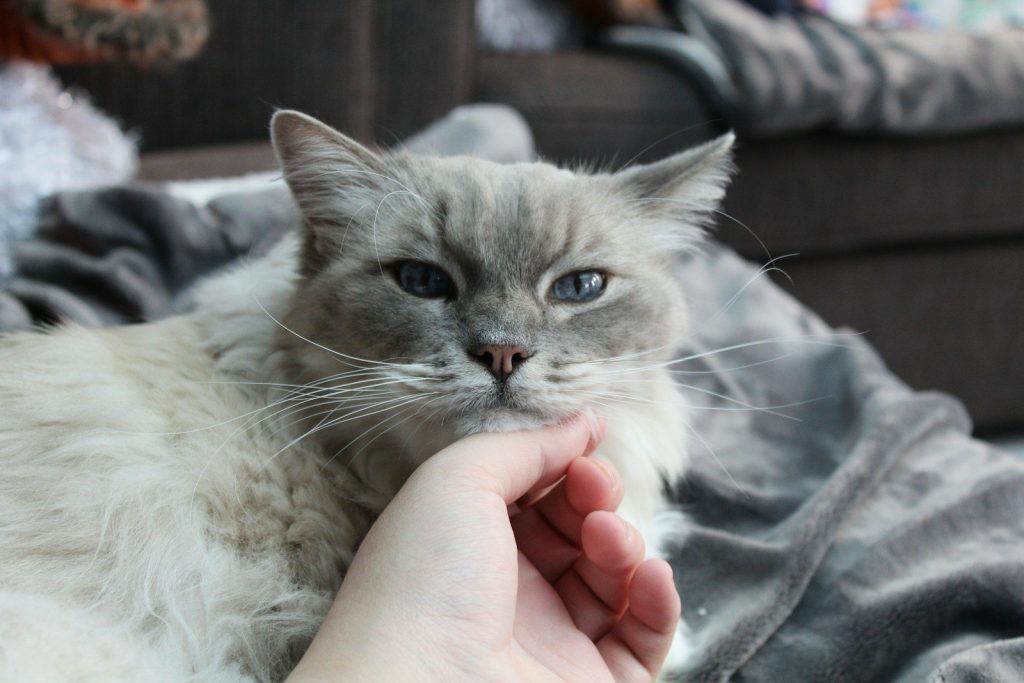
Cats rely heavily on scent to identify family members and feel secure. When a senior cat grooms a kitten, they transfer their own saliva onto the youngster’s fur. This blends their scents together, creating a unique family odor that marks the kitten as a safe member of the household. But this comforting scent is only the beginning of the kitten’s education.
Teaching essential hygiene and survival habits
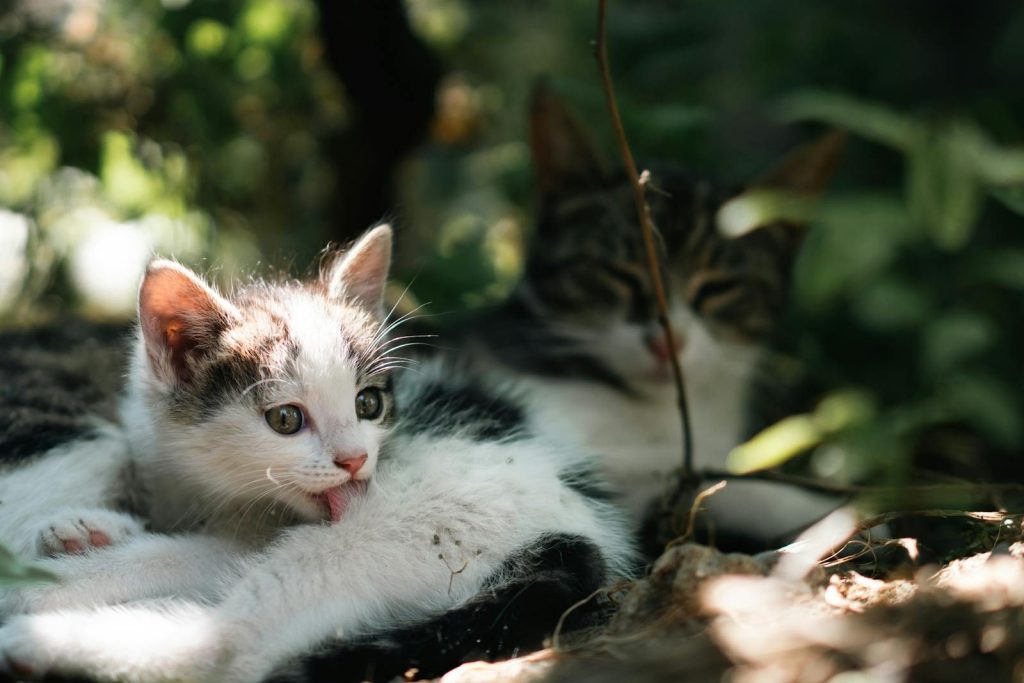
Kittens learn how to care for themselves by watching and mimicking older cats. By grooming the kitten, the senior cat is demonstrating the correct techniques for cleaning hard-to-reach areas. This hands-on lesson ensures the kitten grows up healthy, clean, and capable of proper self-care. Yet, this maternal instinct also has a powerful emotional impact on the kitten.
Reducing stress through gentle physical contact
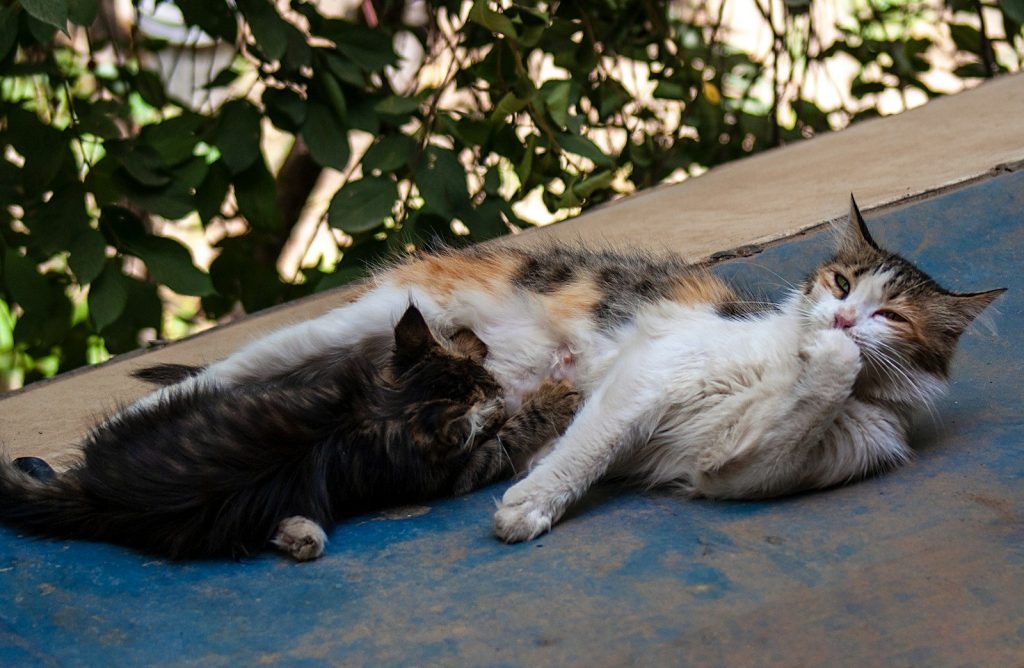
The repetitive motion of grooming mimics the soothing care the kitten received from their mother. This physical touch triggers the release of endorphins, lowering the kitten’s heart rate and reducing anxiety. It creates a deep sense of security that helps the youngster navigate the world with confidence. But the senior cat actually benefits from this relationship too.
Giving aging cats a renewed sense of purpose
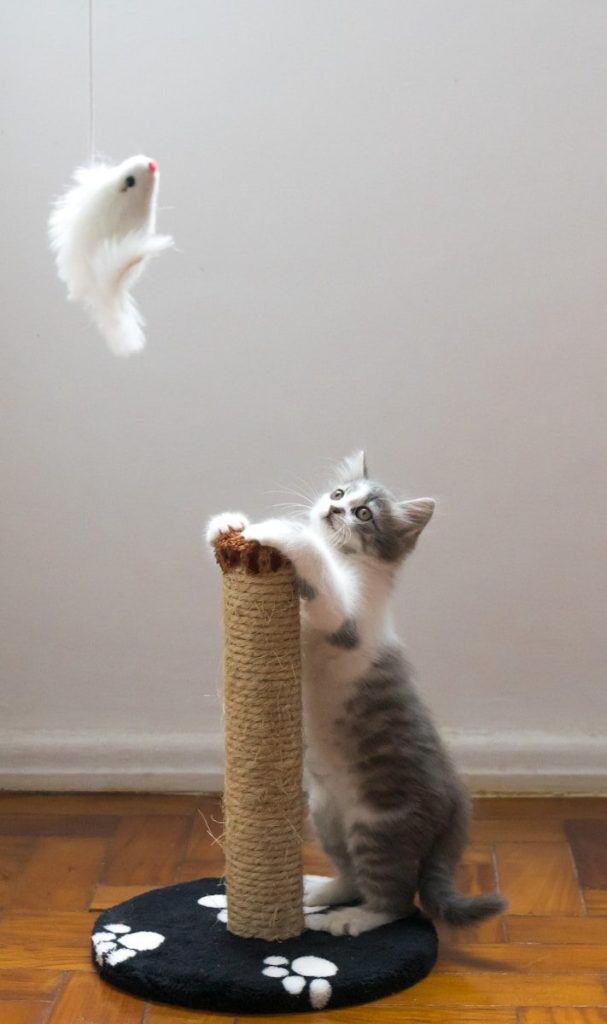
As cats age, they often become less active and can suffer from cognitive decline. Interacting with a kitten provides mental stimulation and physical activity that keeps their mind sharp. This active role in the family can dramatically improve a senior cat’s emotional well-being. However, you must carefully monitor these interactions to keep both pets safe.
Watching for signs of physical fatigue
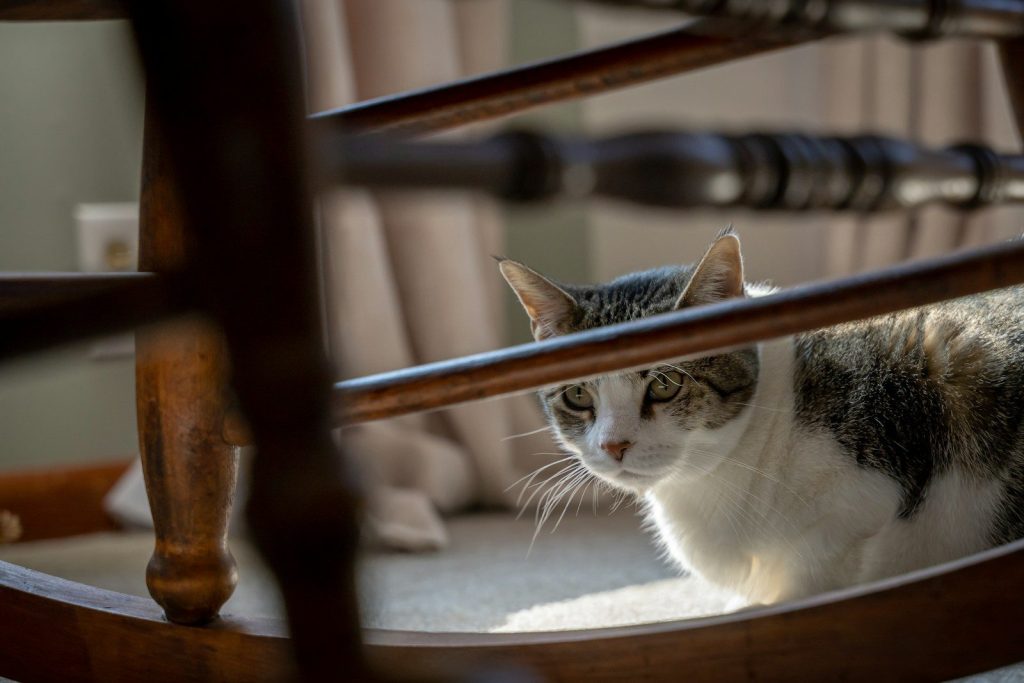
Elderly cats often suffer from arthritis or silent joint pain. While they want to groom the kitten, the energetic youngster might accidentally play too roughly and cause pain. Always provide a quiet, elevated space where your senior cat can easily escape when they need a break. Managing this balance ensures a harmonious home and a beautiful bond.
A beautiful bridge across the generations
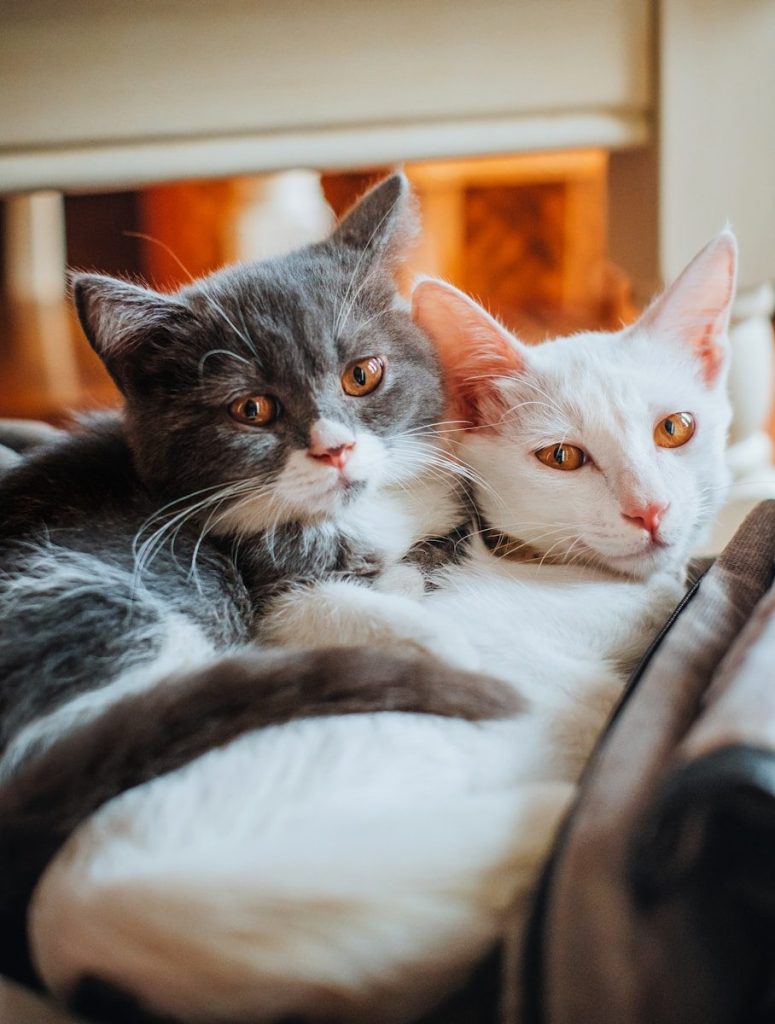
The connection between an aging cat and a playful kitten is truly special. By understanding the science behind their grooming sessions, you can help support this lovely relationship. It is a reminder that love, care, and family bonds only grow stronger with age.
Featured Image: Photo by Ayelt van Veen on Unsplash