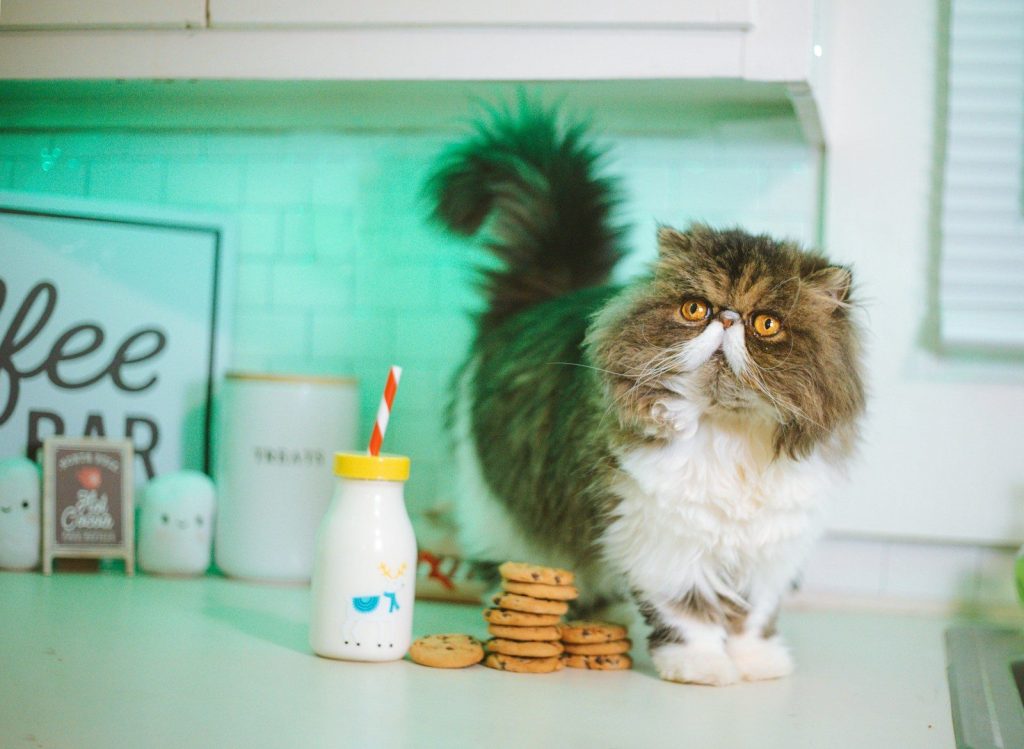

We love sharing treats with our feline friends. But some human foods can cause serious health issues for pets.
When one owner filmed their cat tasting scrambled eggs, the footage quickly went viral. Is this popular breakfast food actually safe for felines?
The Viral Tasting Session
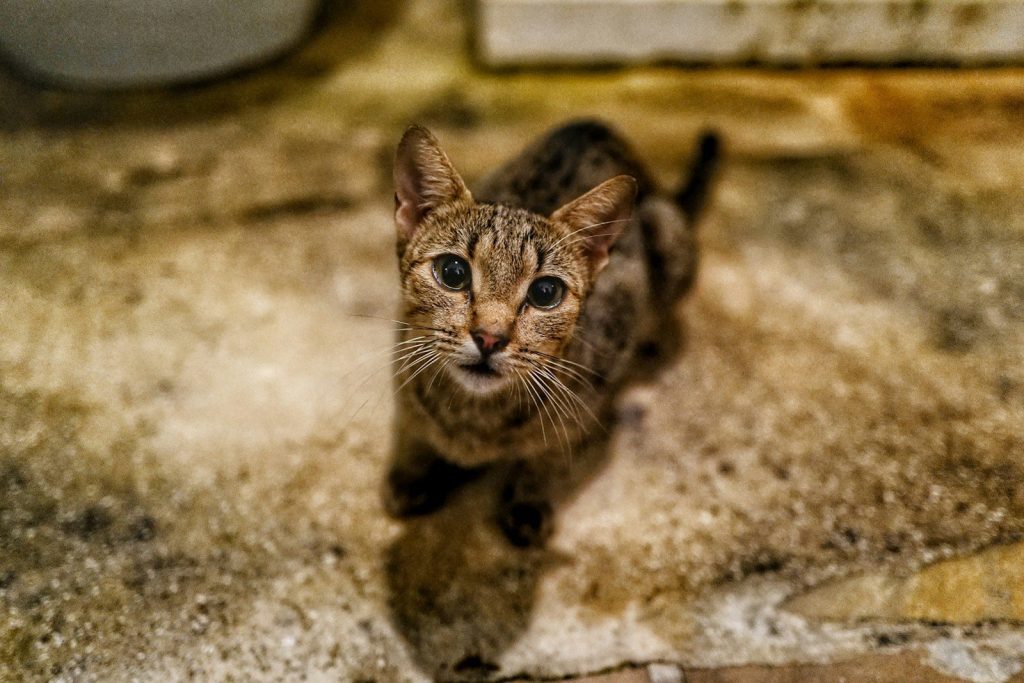
A young tabby named Leo recently became an internet sensation after sniffing a plate of warm eggs. His cautious reaction left millions of viewers laughing. But behind the humor lies an important health question. Pet experts have a surprising take on whether cats should eat breakfast plates.
An Evolutionary Need For Meat
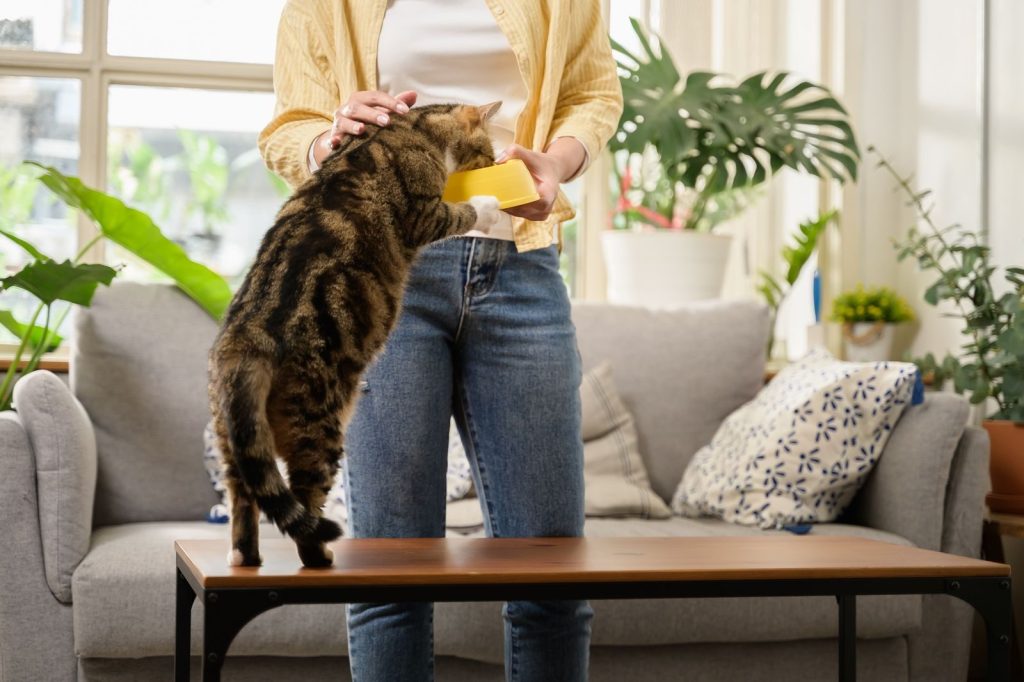
According to the Cornell Feline Health Center, cats are obligate carnivores. This means their bodies require animal protein to survive. Eggs are packed with protein, making them a natural snack. However, preparing this kitchen staple incorrectly can trigger a veterinary emergency.
The Danger Of Raw Egg Yolks
Raw eggs carry dangerous bacteria like Salmonella, which can make both you and your cat severely ill. Raw whites also contain avidin, a protein that blocks vital vitamin absorption. Cooked eggs are much safer. But even fully cooked options can hide a secret danger in the pan.
Watch Out For Hidden Ingredients
We often scramble eggs using butter, milk, garlic, or onions. While tasty for us, onions and garlic are highly toxic to felines. Dairy can also trigger severe stomach pain since most adult cats are lactose intolerant. To feed them safely, you must follow a very specific cooking method.
How To Serve Them Safely
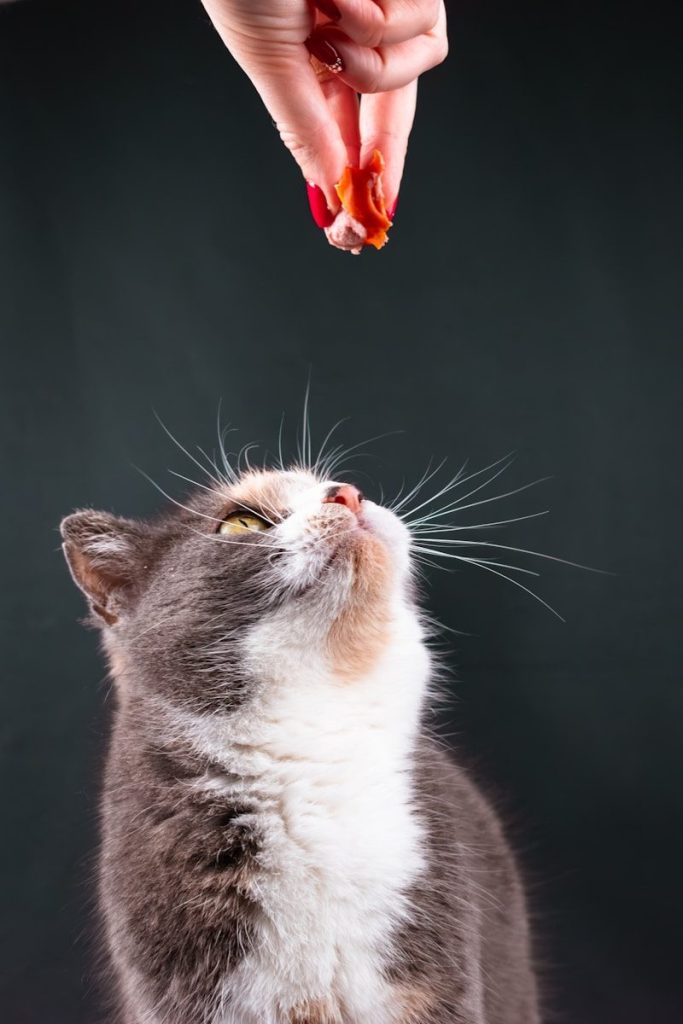
If you want to share eggs, boil or scramble them completely plain. Do not use any oils, salt, or seasonings during the process. Keep the portion tiny, treating it as an occasional snack rather than a meal. Remember that treats must never dominate a feline diet.
The Golden Rule of Treats
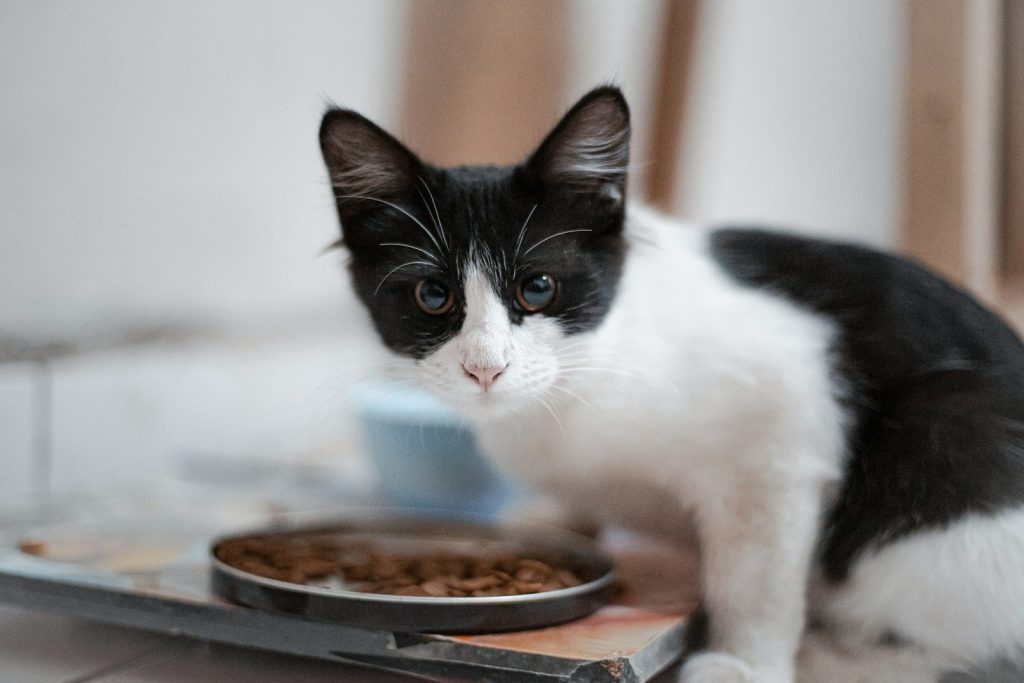
Clinical nutritionists at the American Veterinary Medical Association recommend the ten percent rule. Treats should never make up more than a tenth of your pet’s daily calorie intake. Excess calories quickly lead to obesity. There is one last thing to check before serving your first spoonful.
Always Consult Your Vet First
Every pet is unique, and some cats might have underlying health conditions. Always talk to your family veterinarian before introducing new foods. This article is for informational purposes only and does not constitute veterinary advice.
Featured Image: Photo by Reba Spike on Unsplash