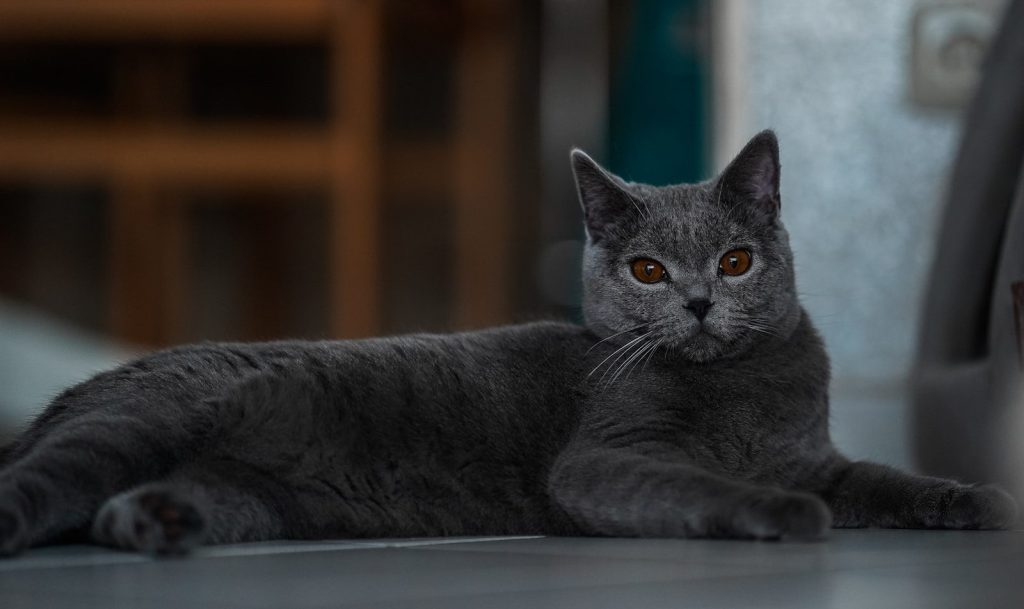

Many pet owners assume that tail wagging always means an animal is happy and relaxed. We expect cats to act just like friendly domestic dogs.
But feline tail movements actually carry a highly complex set of emotional meanings. This quiet body language reveals exactly how your cat is feeling.
The Gentle Tail Swish
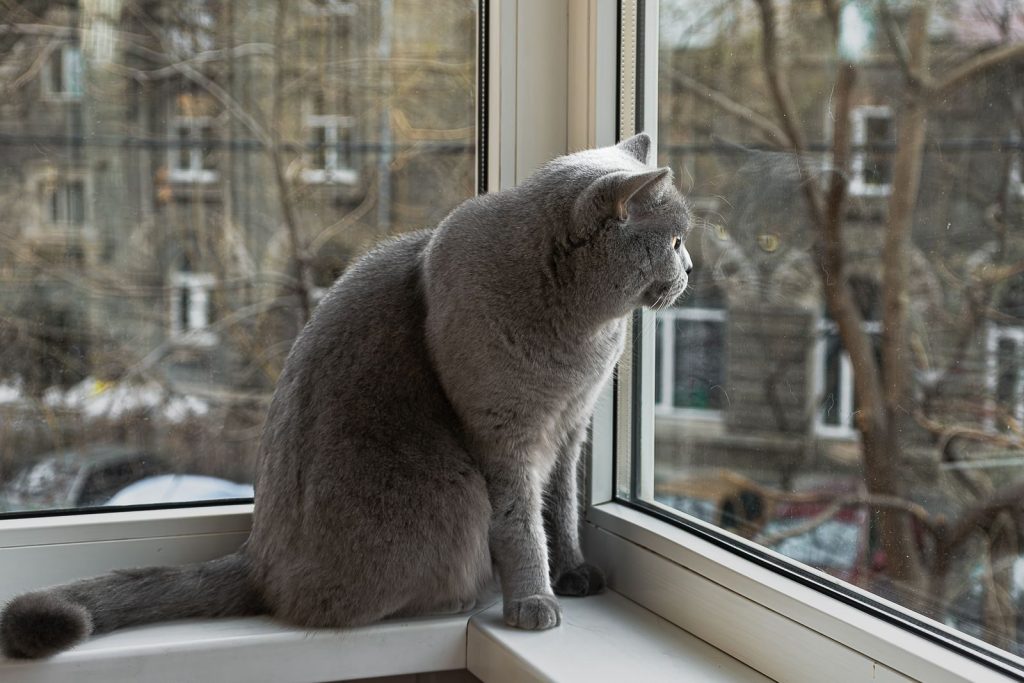
A slow side-to-side motion usually indicates a thoughtful state of mind. Thoughts are deep. According to the Cornell Feline Health Center, a relaxed cat will swish their tail while focusing on a bird or deciding which toy to grab. This quiet movement shows they are processing information about their surrounding environment. But a sudden shift in speed tells a very different story.
High Speed Whipping Movements
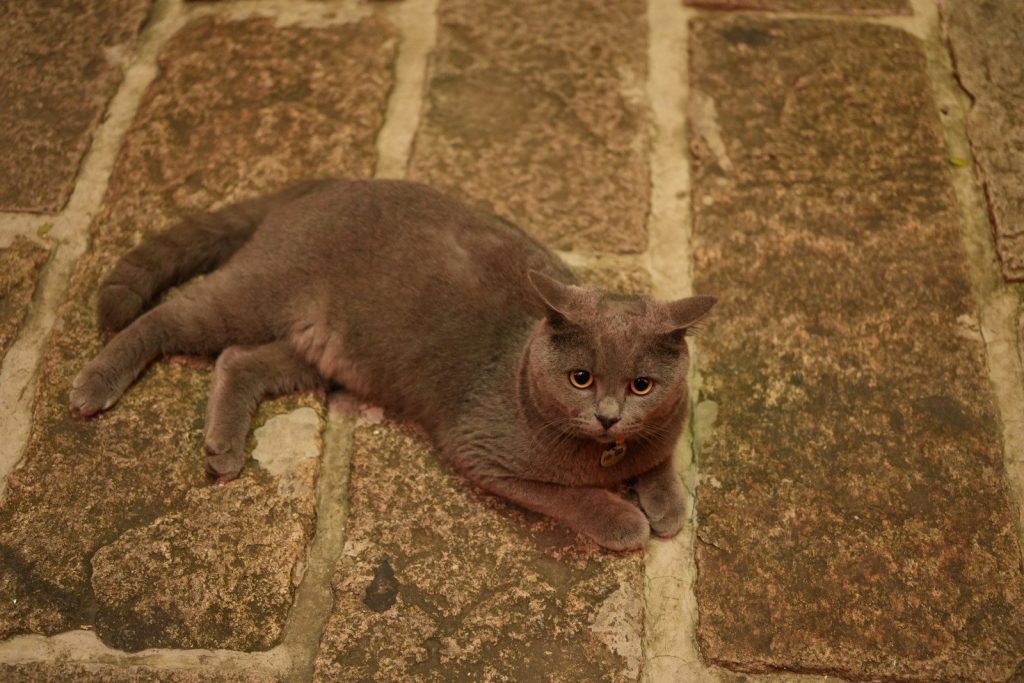
Rapidly thrashing a tail against the floor is a clear warning sign. Tension is high. According to guidelines from the San Diego Humane Society, fast whipping motions indicate high irritation or overstimulation. Your pet is telling you to stop what you are doing and give them space. However, this active warning system can sometimes look deceptively playful.
The Quivering Upright Tail
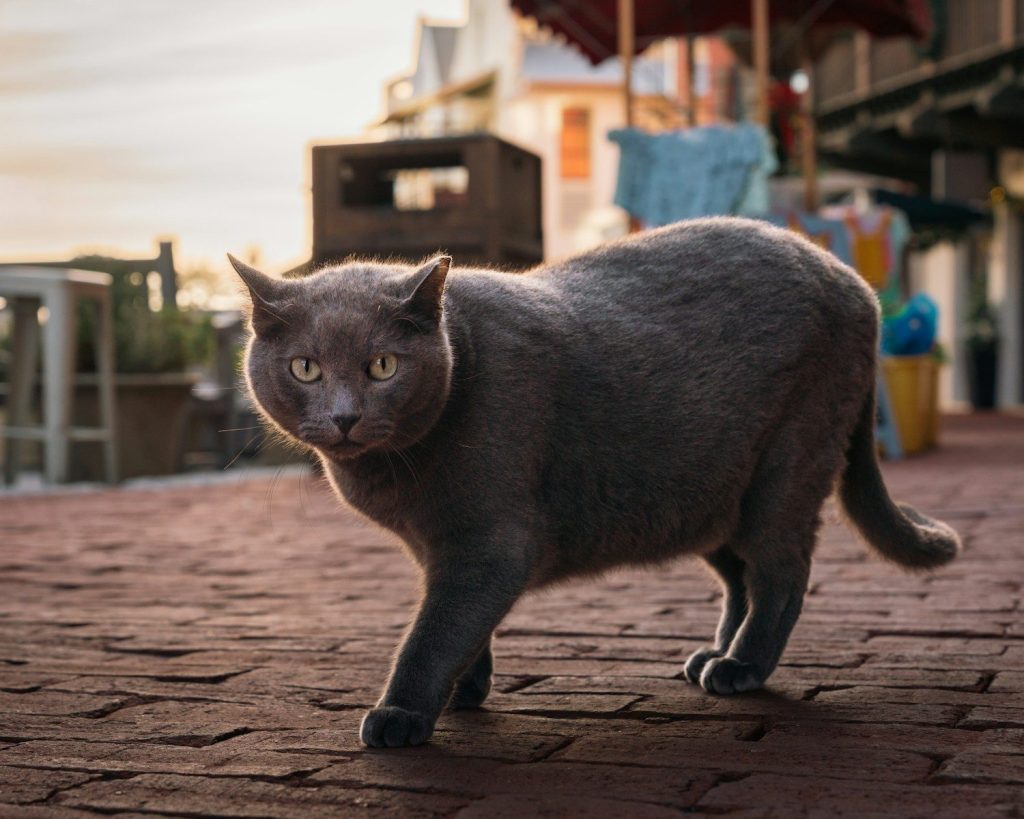
A tail held straight up in the air that vibrates slightly is a wonderful sight. Love is real. According to studies from Oregon State University, this unique vertical quiver is a sign of absolute excitement and joy when greeting a favorite human. Your cat is thrilled to see you walk through the front door. Yet this positive greeting has another close companion signal.
The Friendly Shepherd Crook
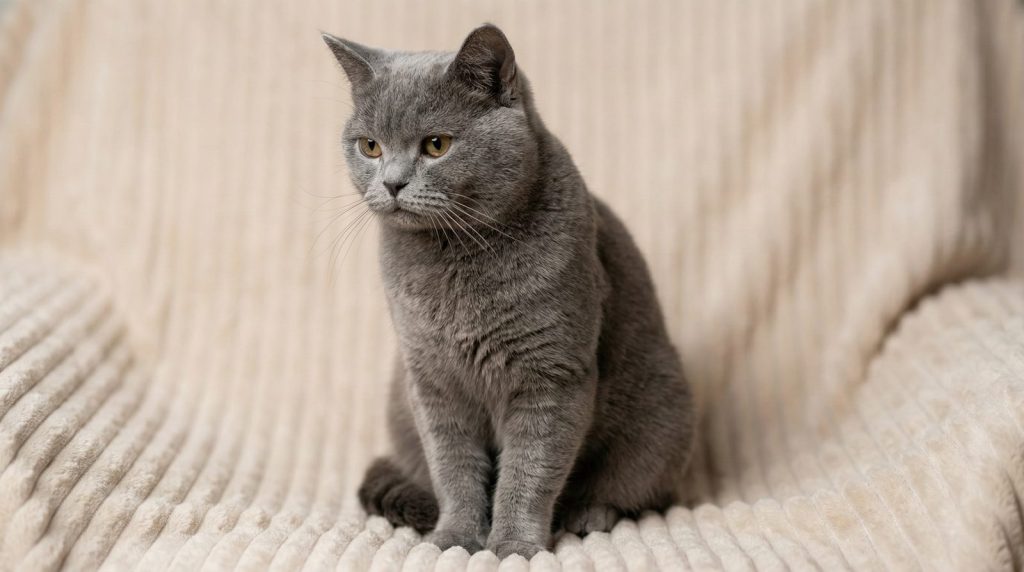
Curving the tail gently at the top like a hook shows a warm personality. Safety is confirmed. According to the American Association of Feline Practitioners, a curved tail indicates a highly approachable and playful mood. Your cat is welcoming interaction and wants to play. But there is a much spookier tail shape you need to watch out for.
The Puffed Bottle Brush
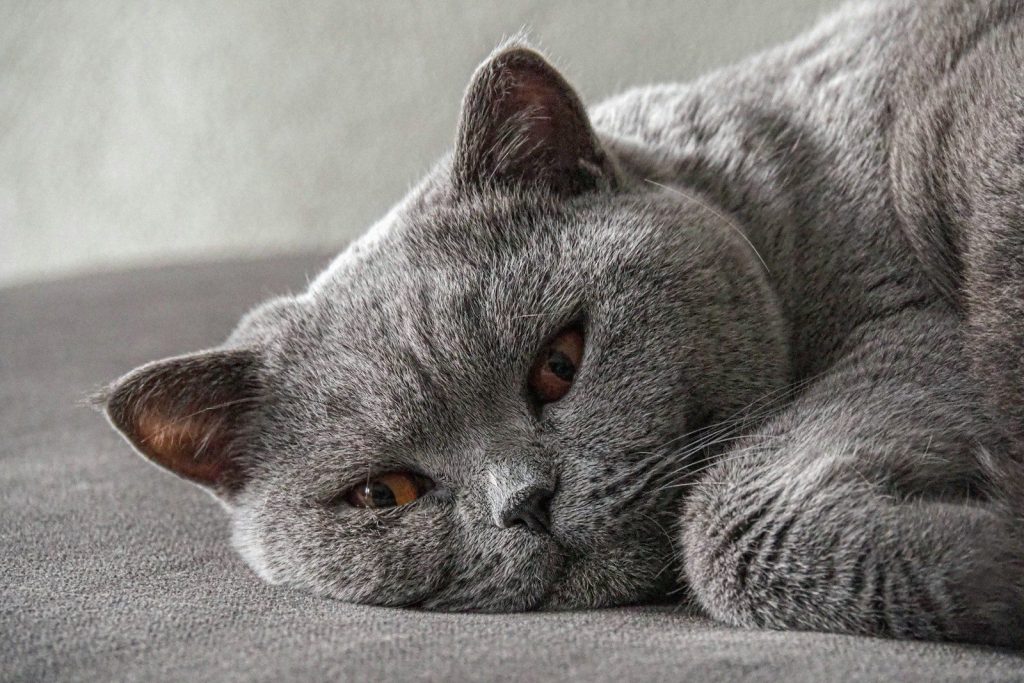
A tail that suddenly doubles in size is a dramatic defense mechanism. Fear is present. According to reports from the ASPCA, cats puff out their tail fur to make themselves look larger to potential threats when startled. This rapid physical change is often accompanied by an arched back. But understanding these visual clues can help you prevent common behavioral issues.
Preventing Overstimulation Bites
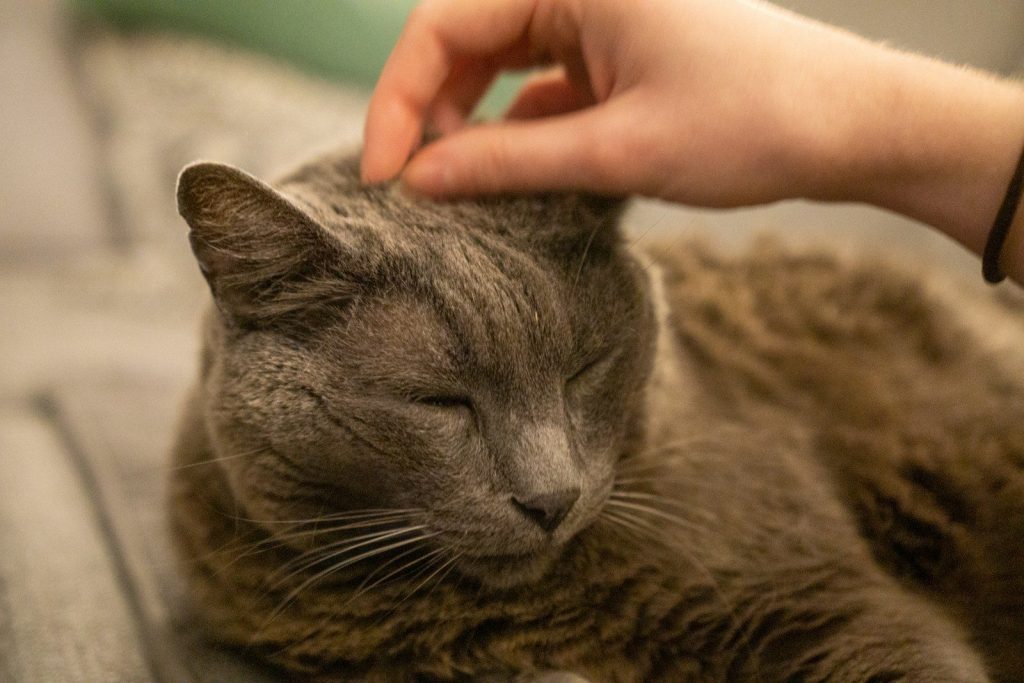
Watching your pet’s tail closely during petting sessions keeps everyone safe. Patience is key. According to behavioral studies from Oregon State University, stopping petting the moment a tail begins to twitch prevents stress bites. This proactive step helps build a beautiful foundation of mutual respect and trust. But there is one final piece of tail wisdom to keep in mind.
Decoding Feline Body Language
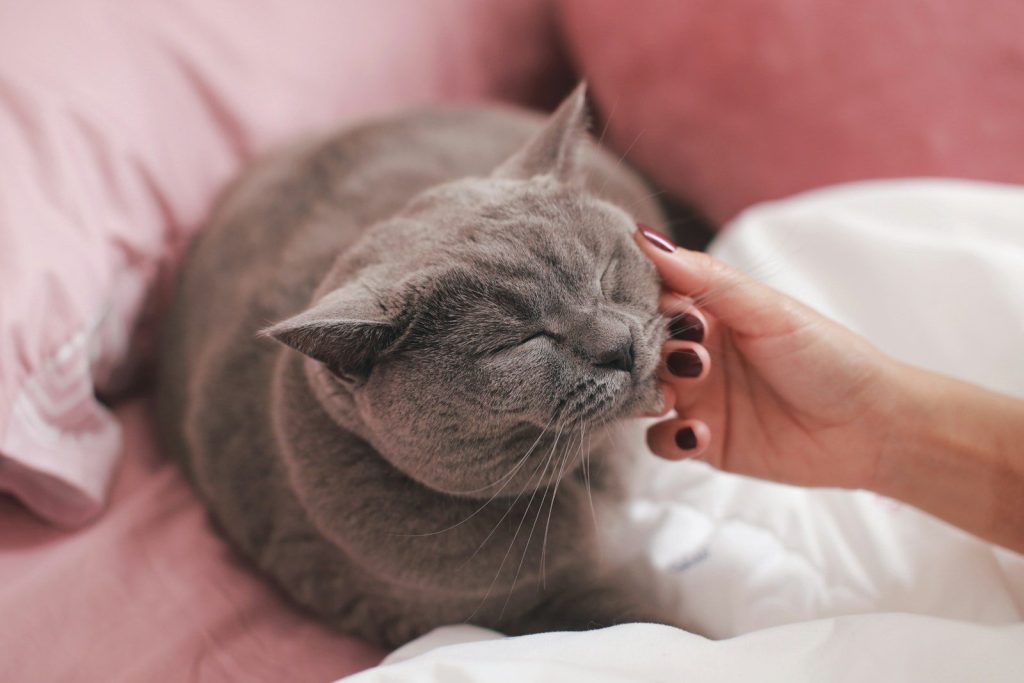
Paying attention to these quiet physical signals strengthens the bond with your cat. It is rewarding. According to the American Veterinary Medical Association, understanding subtle pet communication reduces household stress and increases pet happiness. Take time to study your favorite companion’s unique movements daily. This article is for informational purposes only and does not constitute veterinary advice.
Featured Image: Photo by Omar Ramadan on Unsplash