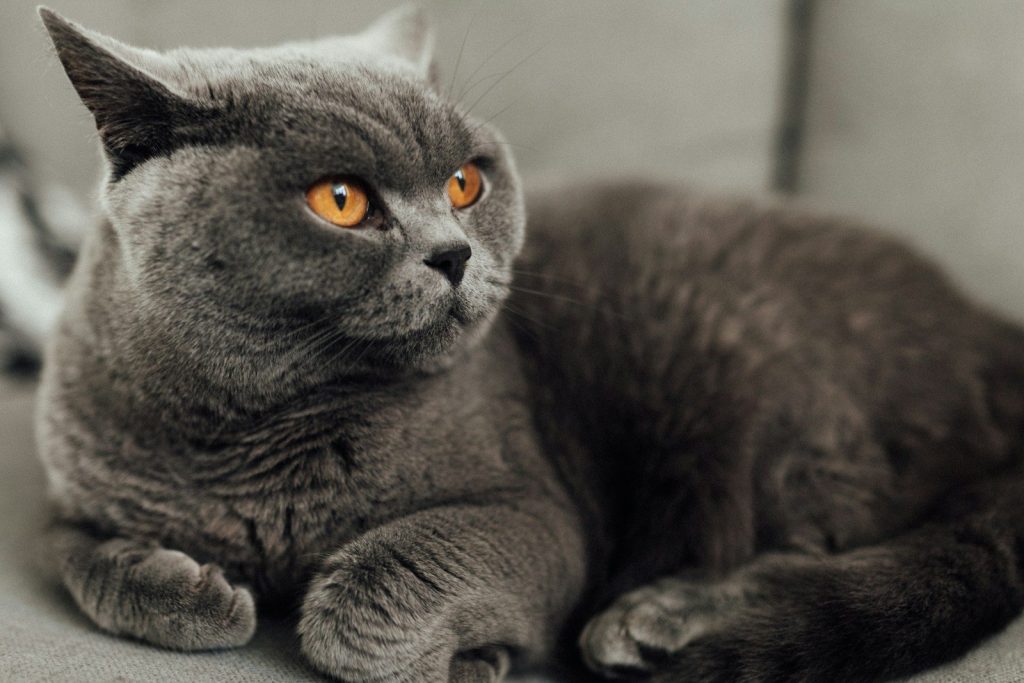

We love to make funny meowing sounds when our felines vocalize at us. We assume they enjoy hearing us try to speak their special language.
But scientific studies suggest this habit might actually confuse our furry companions. Your attempts to mimic feline noises could be sending a completely different message than you think.
The Evolution Of Feline Communication
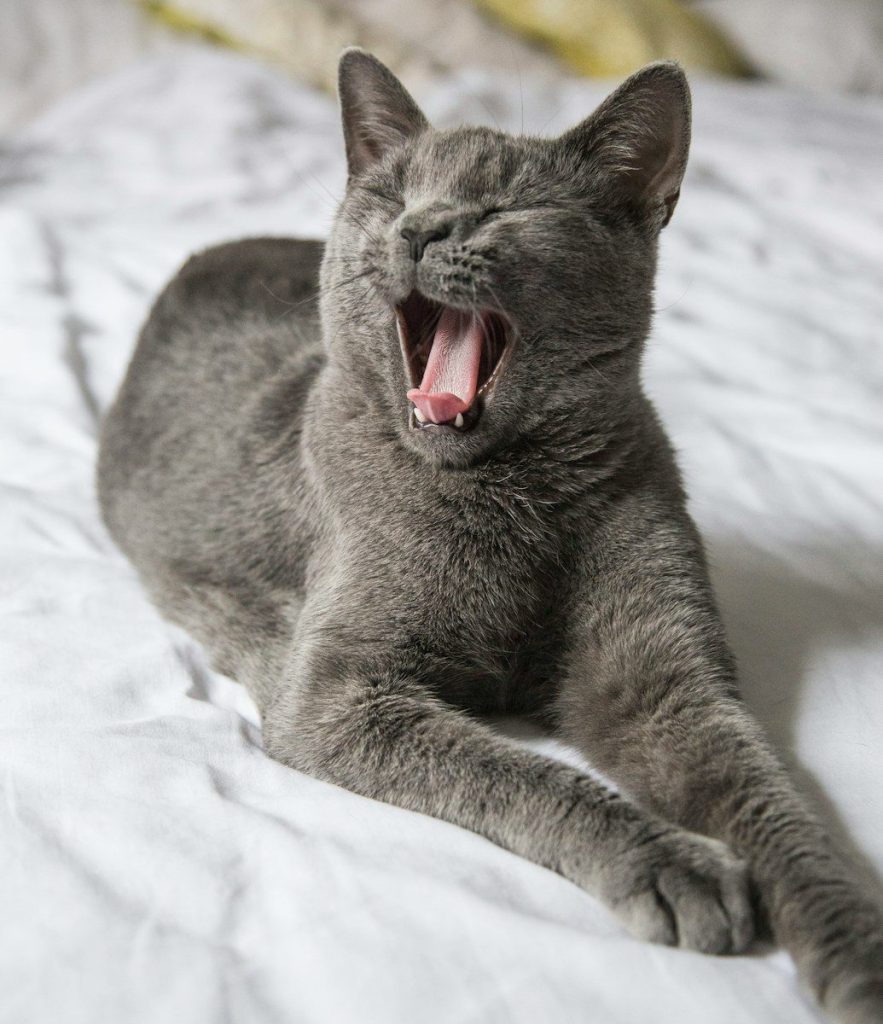
Feral cats rarely meow at each other once they grow past kittenhood. Whispering is rare. According to research from the Cornell Feline Health Center, cats developed the meowing sound specifically to communicate with their human keepers. It is a highly specialized survival tool designed to get our direct attention. But copying this vocal tool can create an unexpected language barrier in your living room.
The Flaw In Human Mimicry
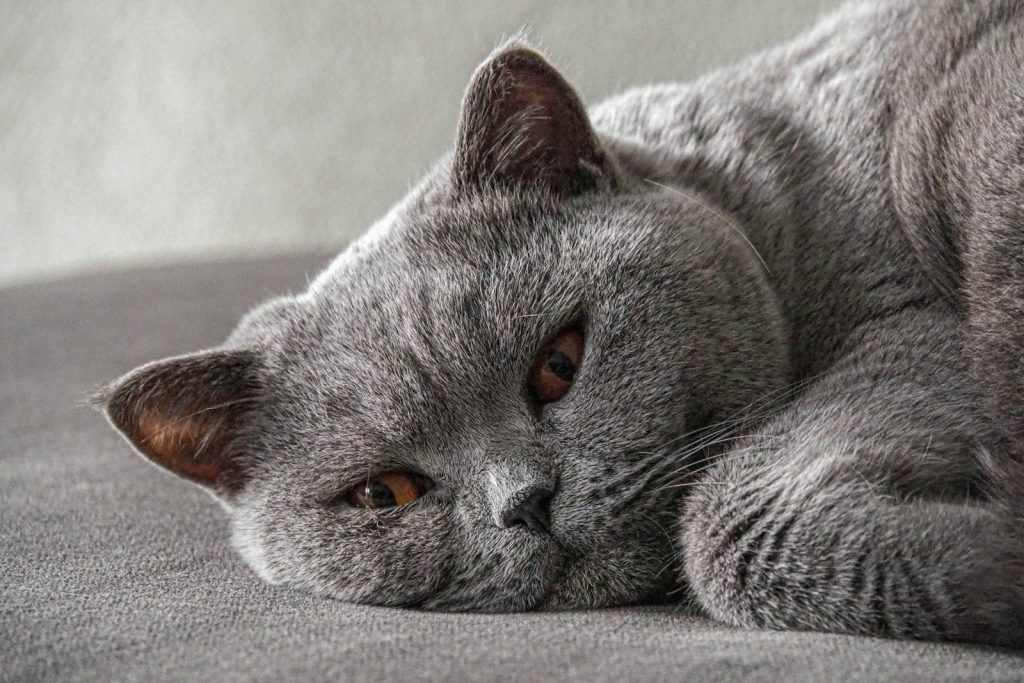
Humans lack the physical vocal structures to replicate the subtle pitches of a cat’s voice. We sound funny. According to the American Veterinary Medical Association, felines use microscopic changes in pitch to convey specific emotional states. Our clumsy human meows can sound like a confusing jumble of mismatched signals to their sensitive ears. But there is a way to see how your pet reacts to your voice.
Reading Feline Body Language
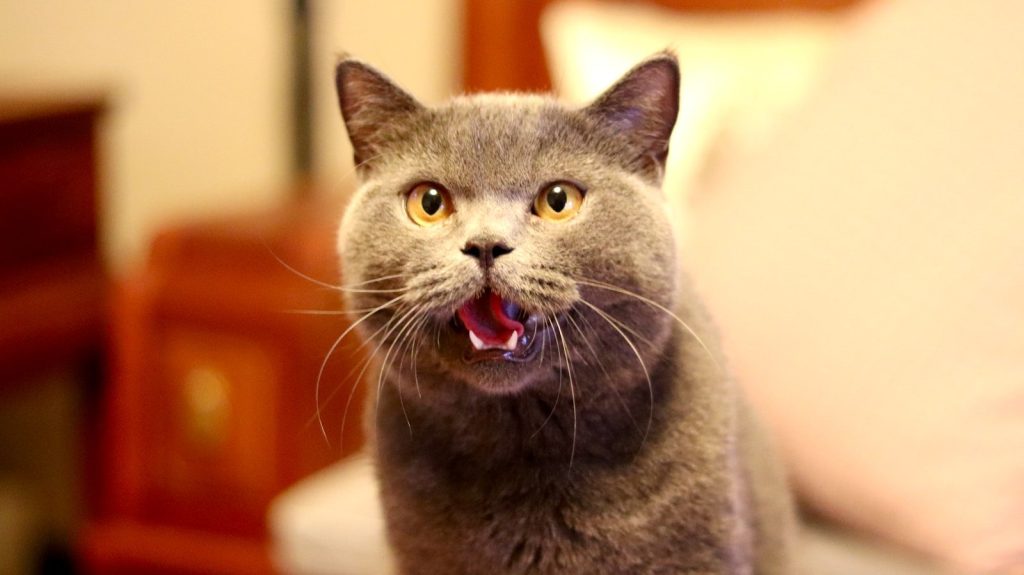
Watch your cat’s ears and tail when you try to meow back at her. Observation is vital. According to the American Association of Feline Practitioners, slightly flattened ears or a twitching tail tip can indicate mild frustration. If your pet looks puzzled, she is likely trying to decode your odd vocal accent. But this does not mean you should stop talking to your feline roommate.
Using Natural Human Speech

Cats actually prefer it when we talk to them in our normal voices. Words bring comfort. According to behavioral studies from Oregon State University, domestic felines respond highly to happy, high-pitched human speech. Using a gentle tone helps your cat feel safe and secure in her territory. But understanding their vocal signals is the best way to build an authentic connection.
Decoding Everyday Feline Sounds

A short chirp usually means hello, while a long drawl can signify hunger. Listening is rewarding. According to reports from the ASPCA, paying close attention to your pet’s vocal patterns helps you address her physical needs more quickly. Your cat will appreciate it when you respond with a delicious treat instead of a mimic meow. But sound is only one part of their deep communication system.
The Magic Of Soft Blinking
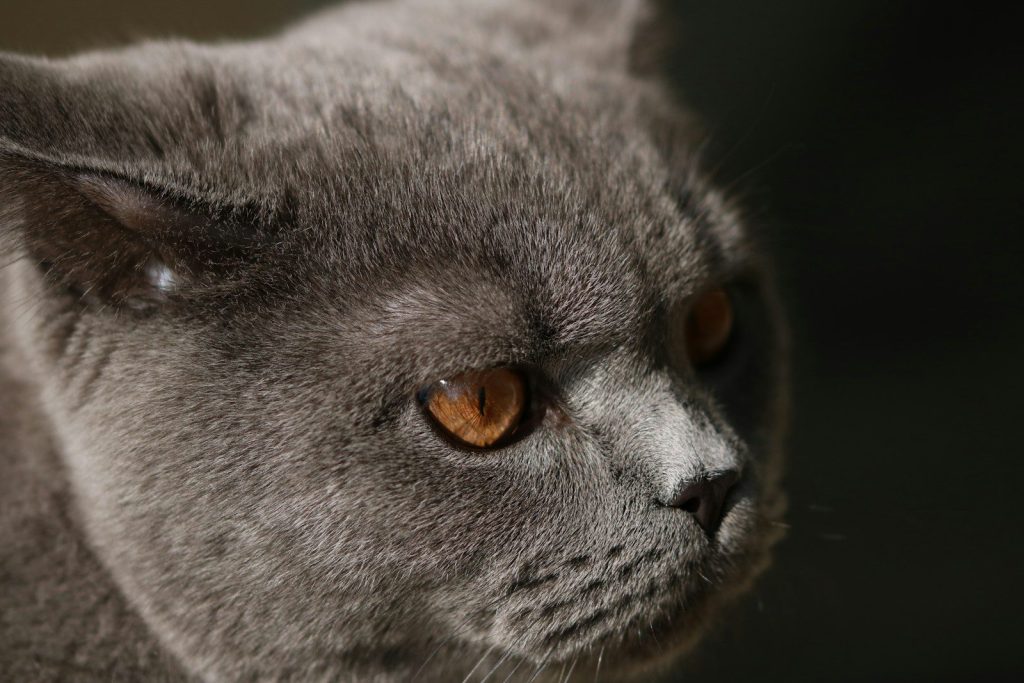
Sharing a slow eye blink is the ultimate way to say I love you in feline. Eyes show affection. According to a study from the National Institutes of Health, cats view a slow blink as a sign of complete peace and trust. This quiet gesture is far more effective than any spoken sound. But building a lifelong friendship requires daily attention to these subtle signals.
Speaking Their True Language
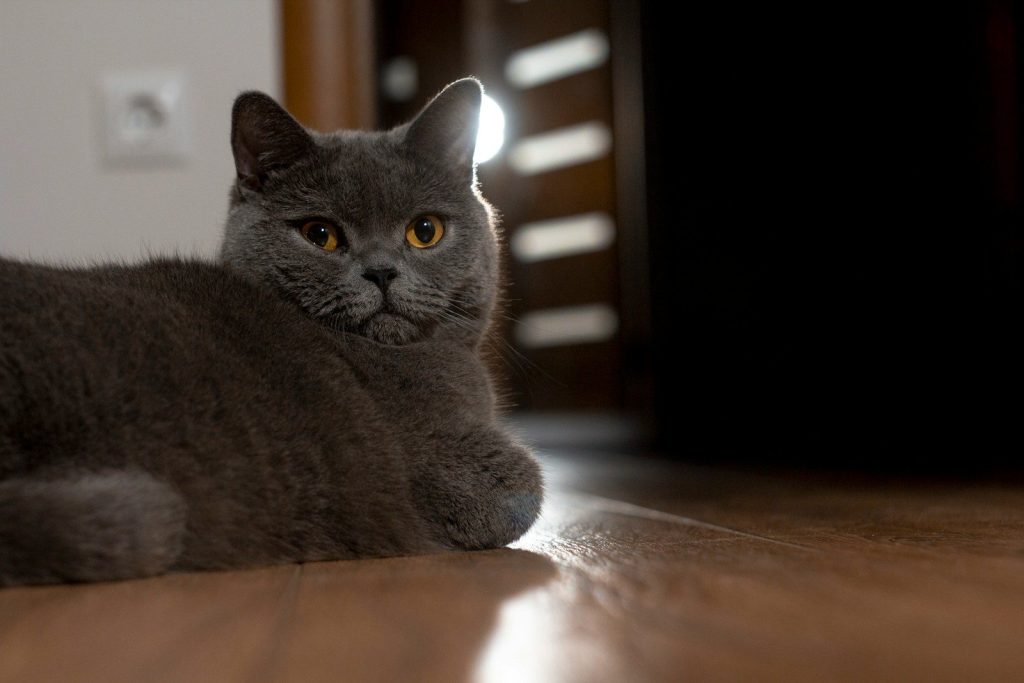
Learning how cats communicate ensures a peaceful and happy home life with your pet. Patience builds a beautiful bond. According to the American Veterinary Medical Association, respecting your pet’s unique communication methods strengthens your daily relationship. Enjoy finding quiet ways to connect with your furry best friend. This article is for informational purposes only and does not constitute veterinary advice.
Featured Image: Photo by Look Again Digital on Unsplash